Interior of a Forest — History & Analysis
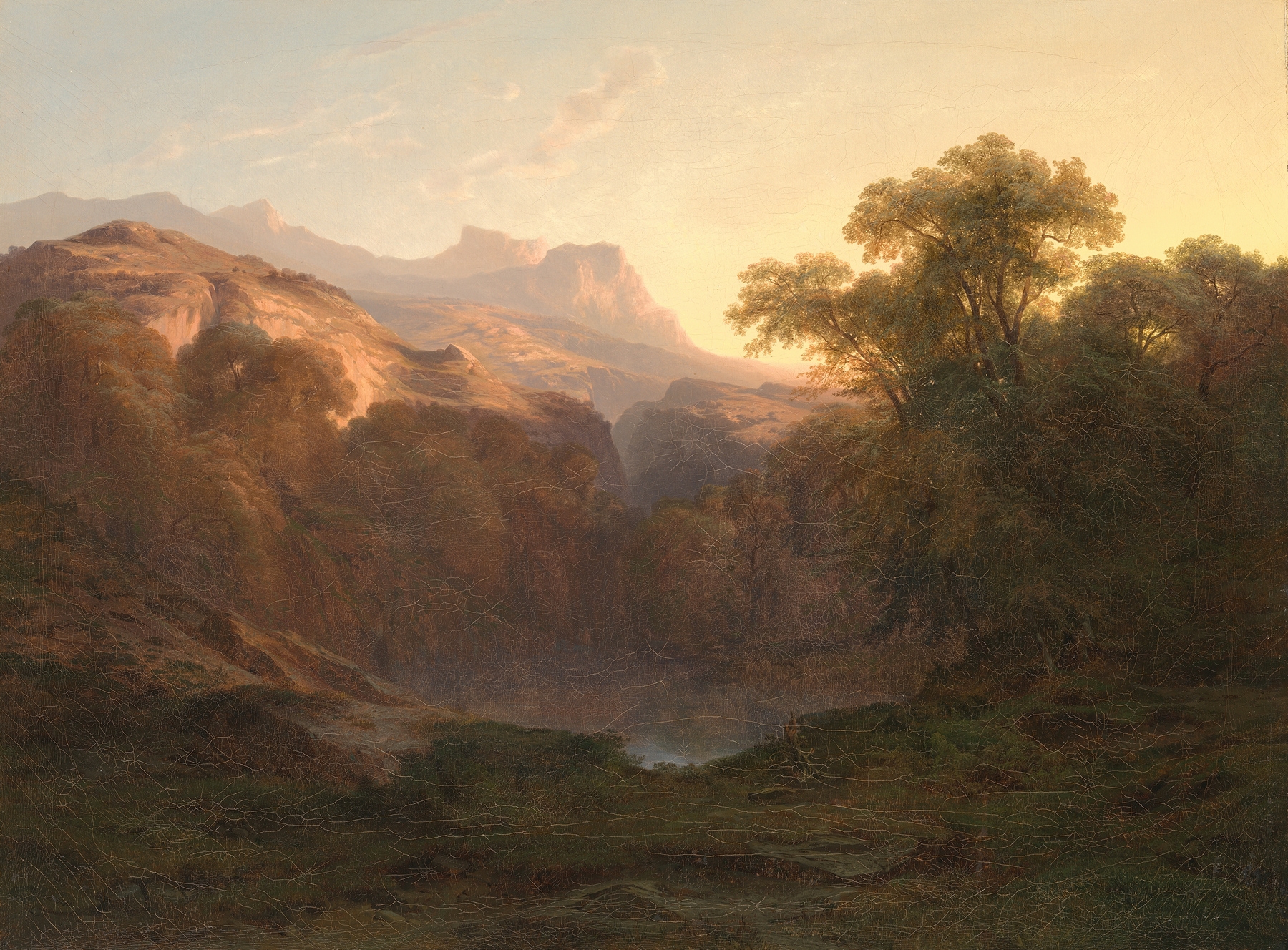
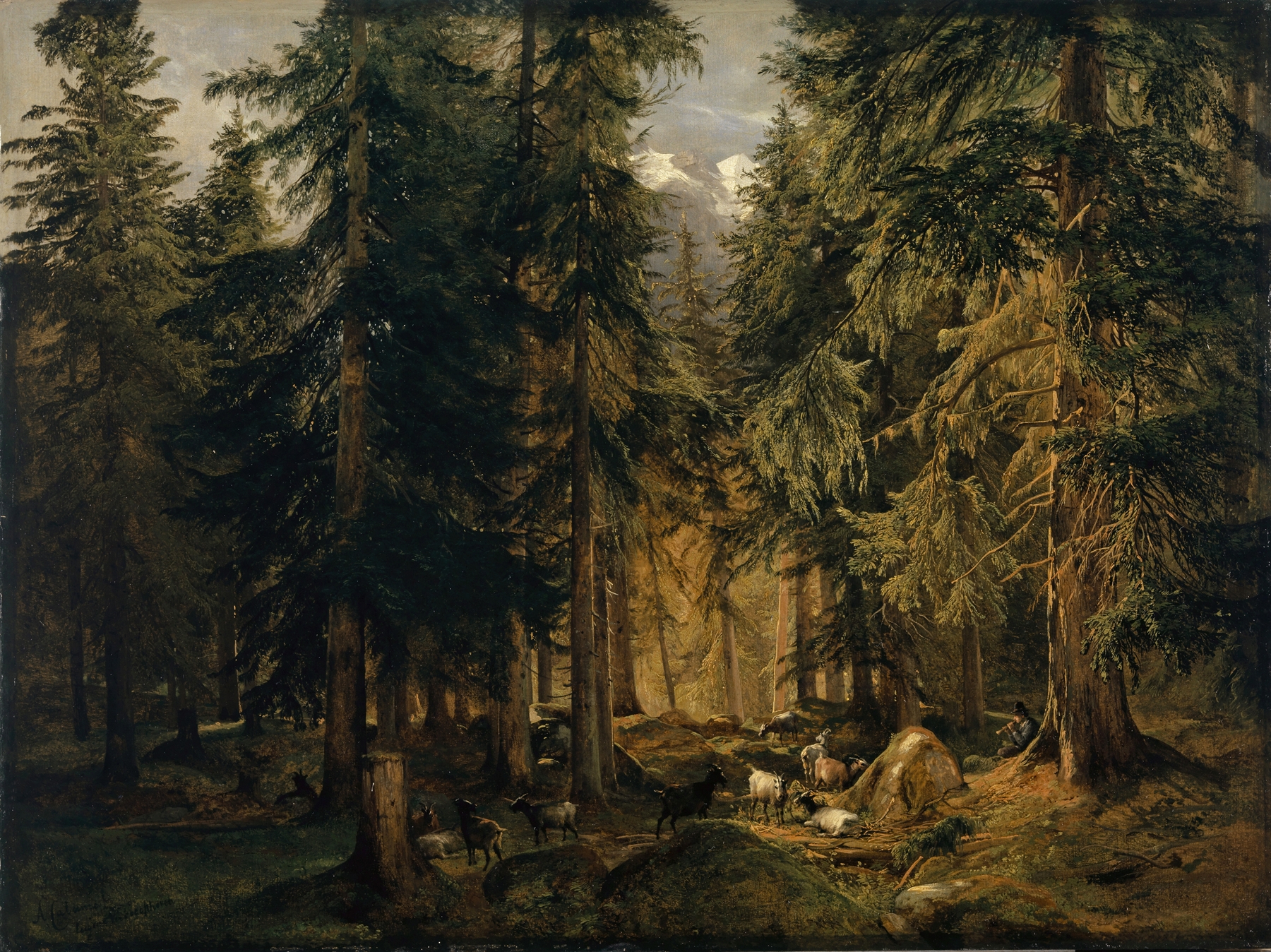
Can beauty exist without sorrow? The weight of this question resonates in the serene yet haunting ambiance of the forest interior captured by a master of landscape. Look to the left at the towering trees, their trunks sturdy and resolute, each one a sentinel in this tranquil yet mysterious setting. Notice how the dappled sunlight filters through the dense foliage, creating a mosaic of light and shadow that seems to dance across the forest floor.
The careful brushwork brings life to the leaves, each stroke capturing their vibrancy and depth, while the subtle range of greens evokes a sense of lushness and vitality. As you immerse yourself in this woodland, consider the interplay between light and dark—a visual metaphor for hope and despair. The play of sunlight signifies joy and the promise of renewal, while the shadows lurking in the underbrush hint at the unknown, perhaps even danger. The stillness of the scene is interrupted only by the soft whisper of the breeze, merging tranquility with an echo of uncertainty, compelling the viewer to reflect on their connection to nature's duality.
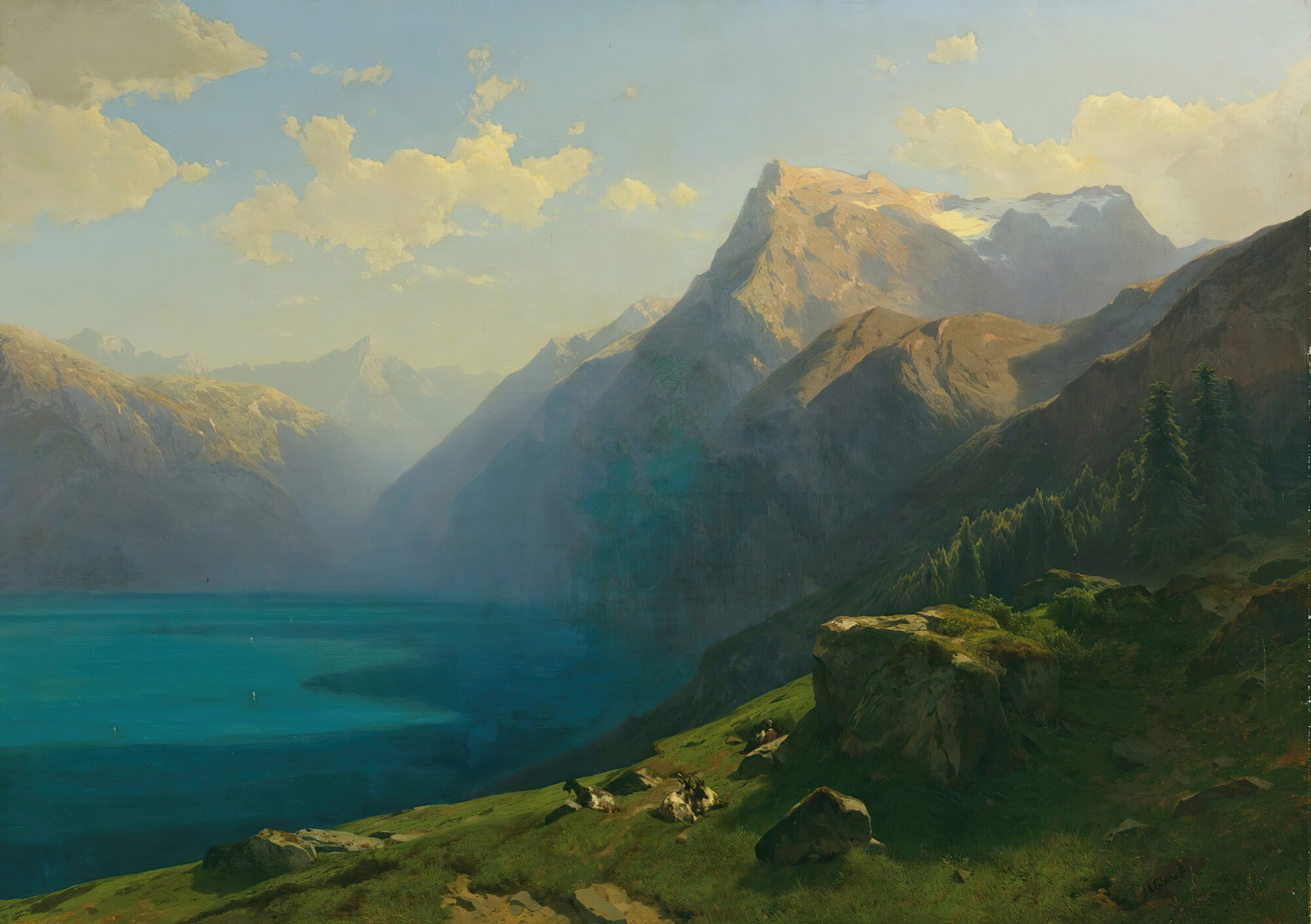
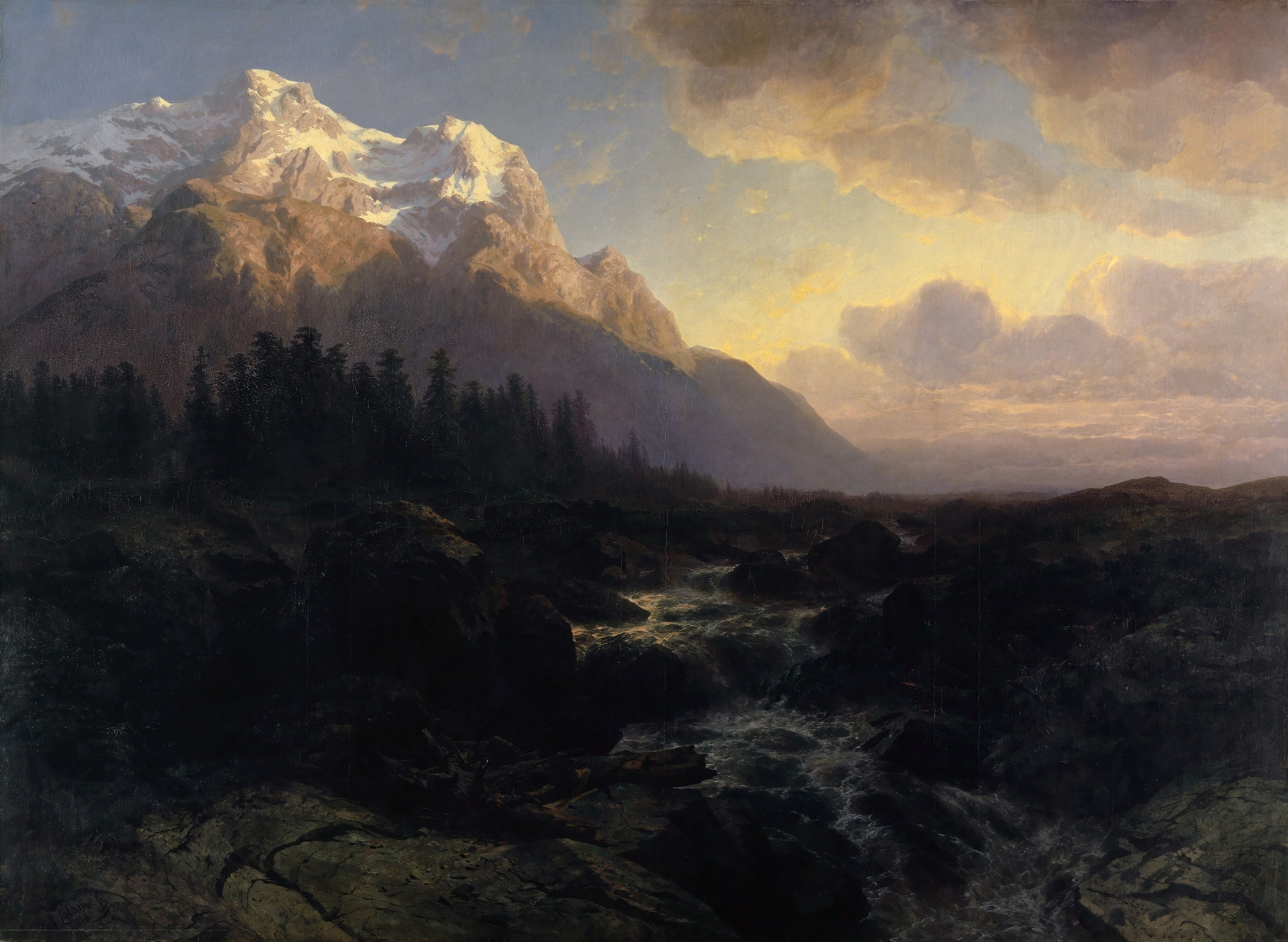
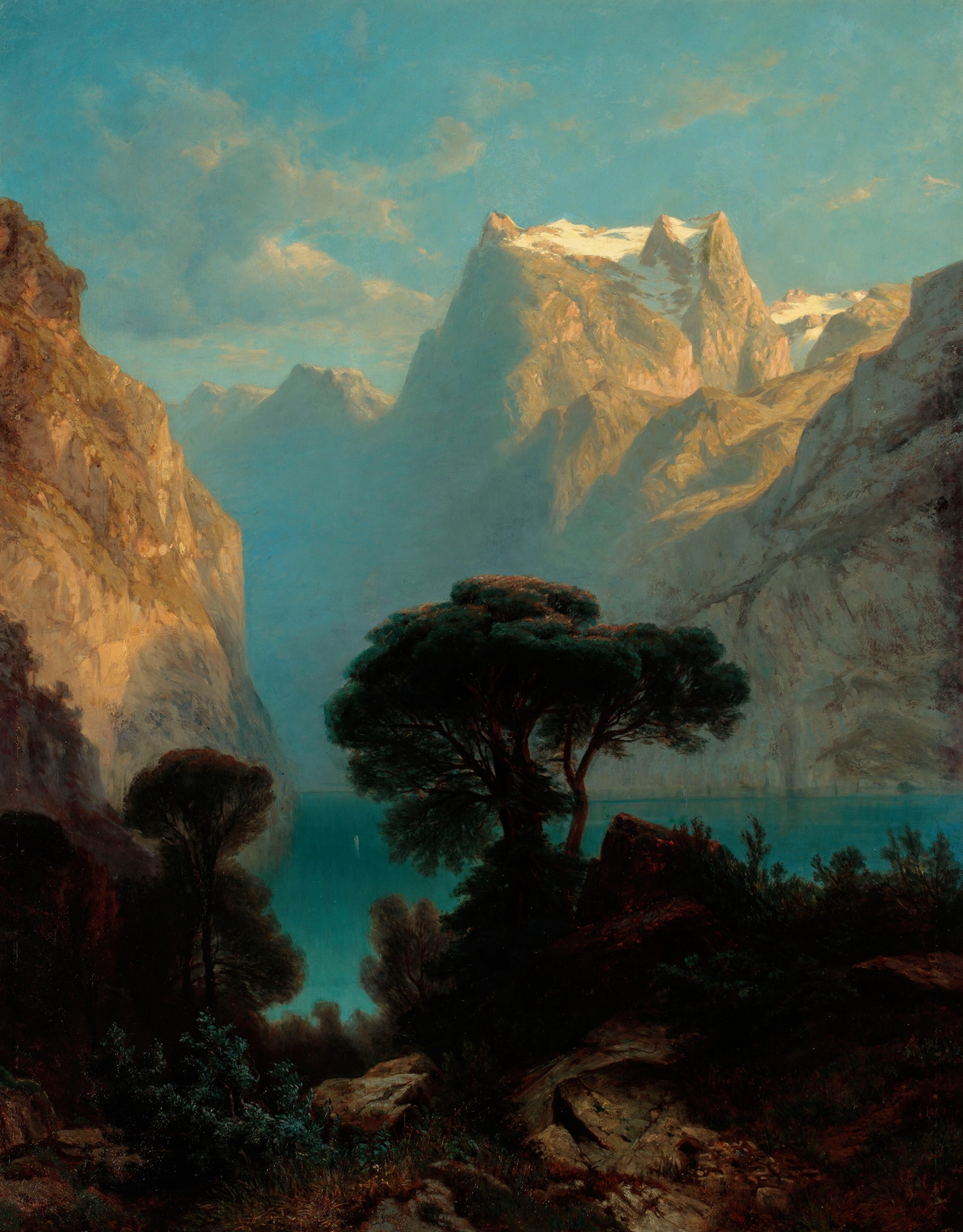
In 1850, while creating this artwork, the artist found himself amidst a rapidly changing world, where the Romantic movement began to give way to Realism. Calame was deeply inspired by the Swiss landscapes of his youth, and during this period, he sought to encapsulate the sublime beauty of nature in a manner that would resonate with the growing fascination for wilderness and its untamed spirit. His work reflects not just his artistic vision but also the cultural tensions of an era caught between admiration for nature and the encroachment of industrialization.