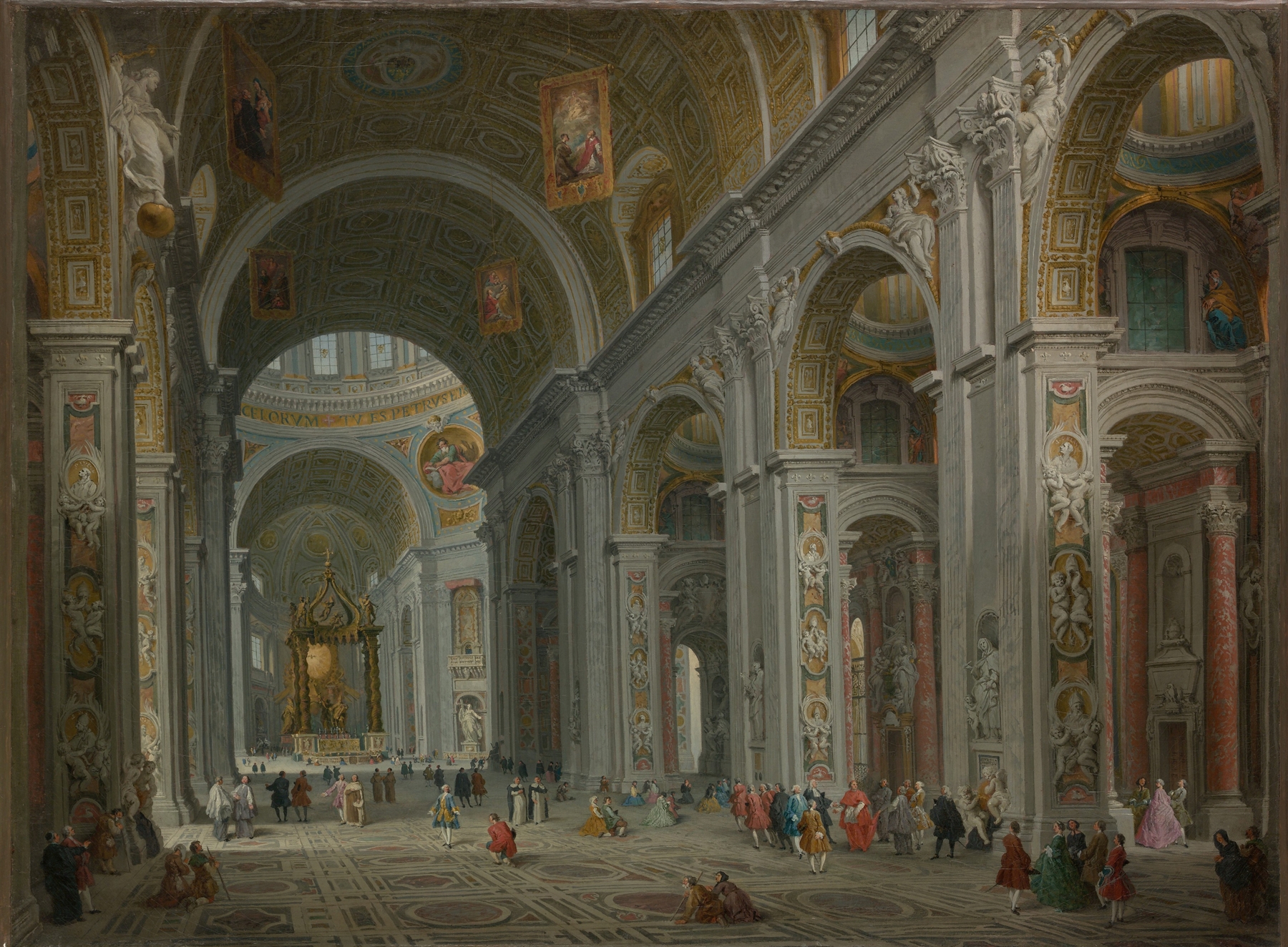
Interior of Saint Peter’s, Rome — History & Analysis
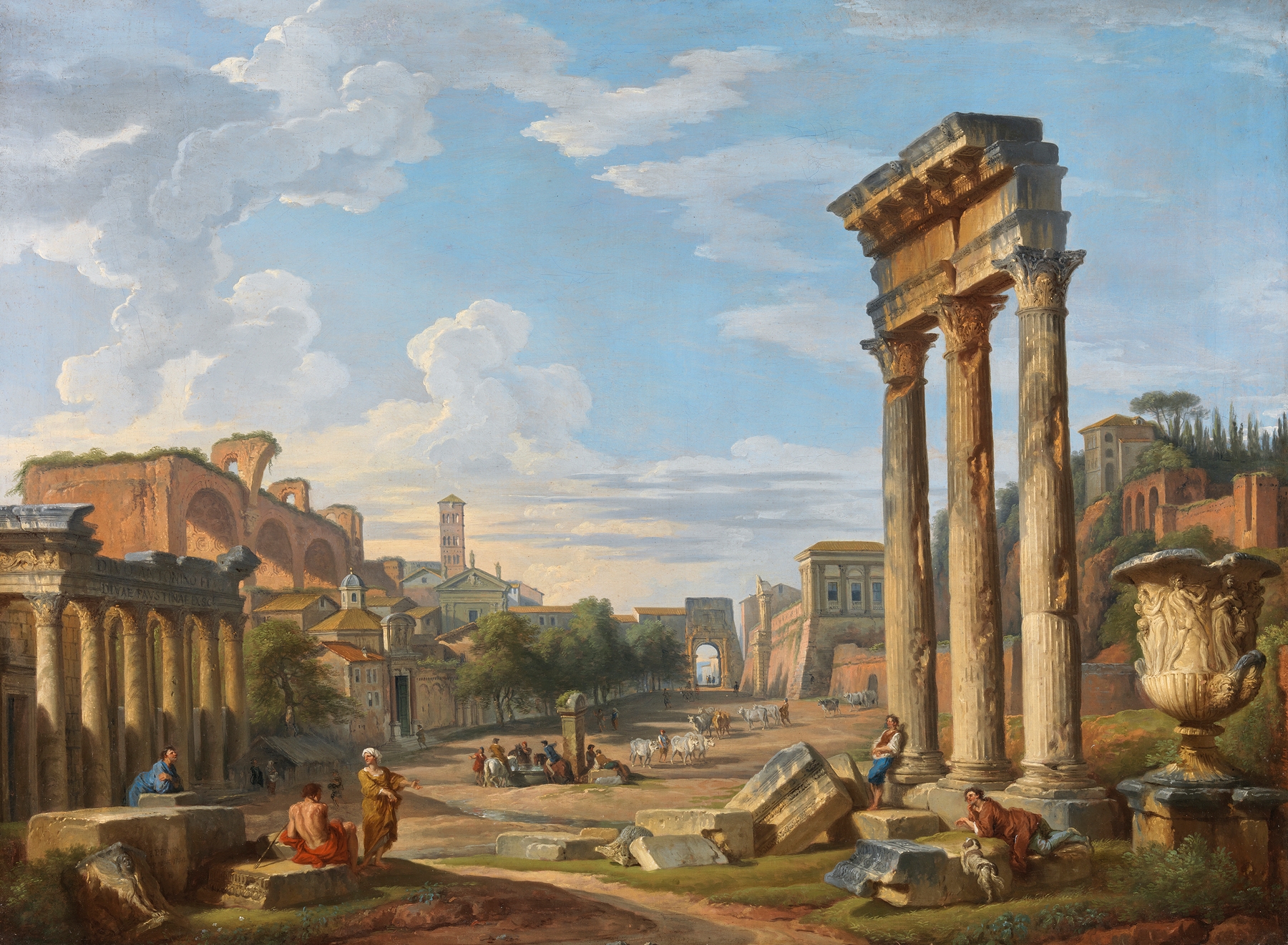
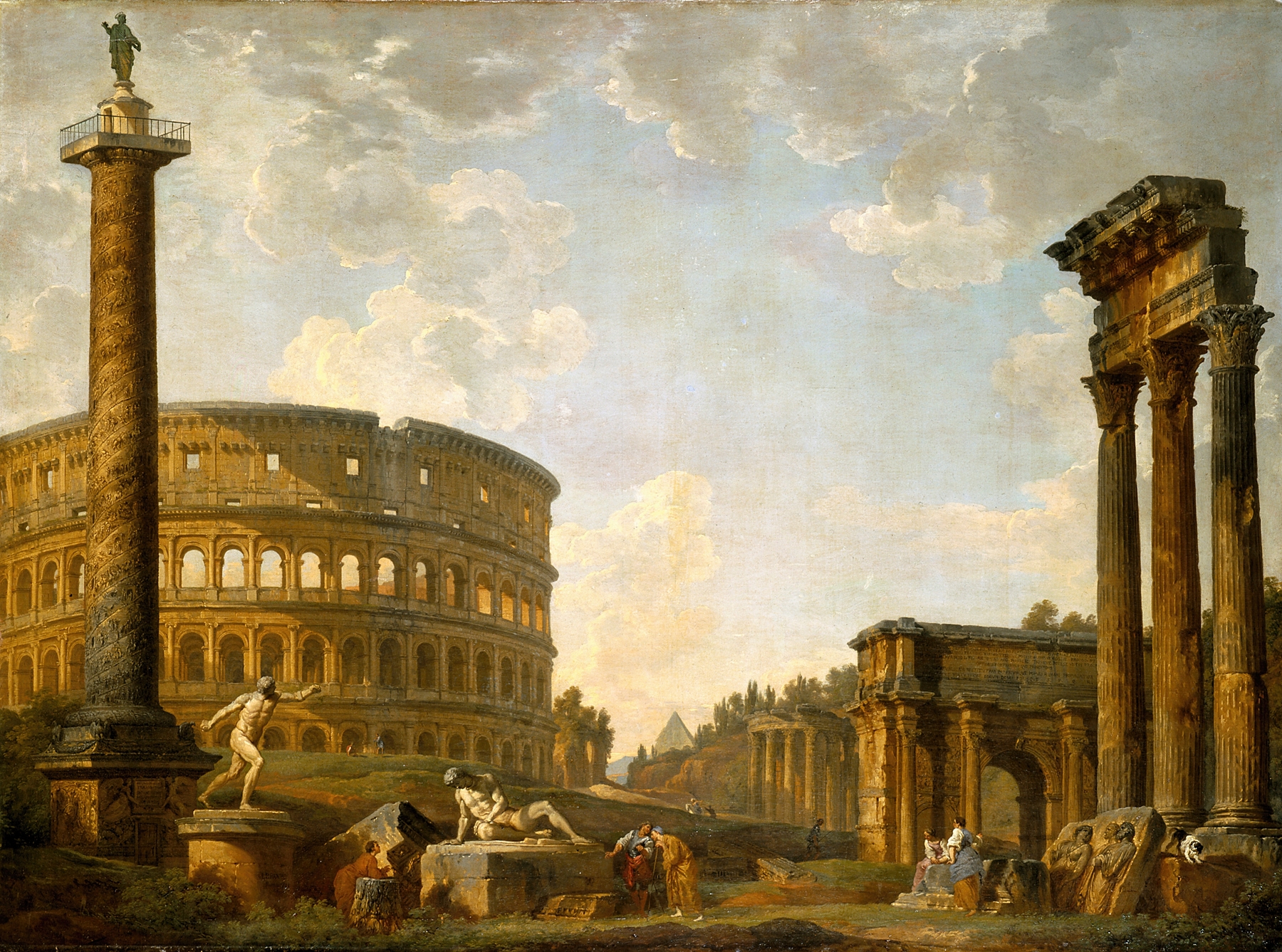
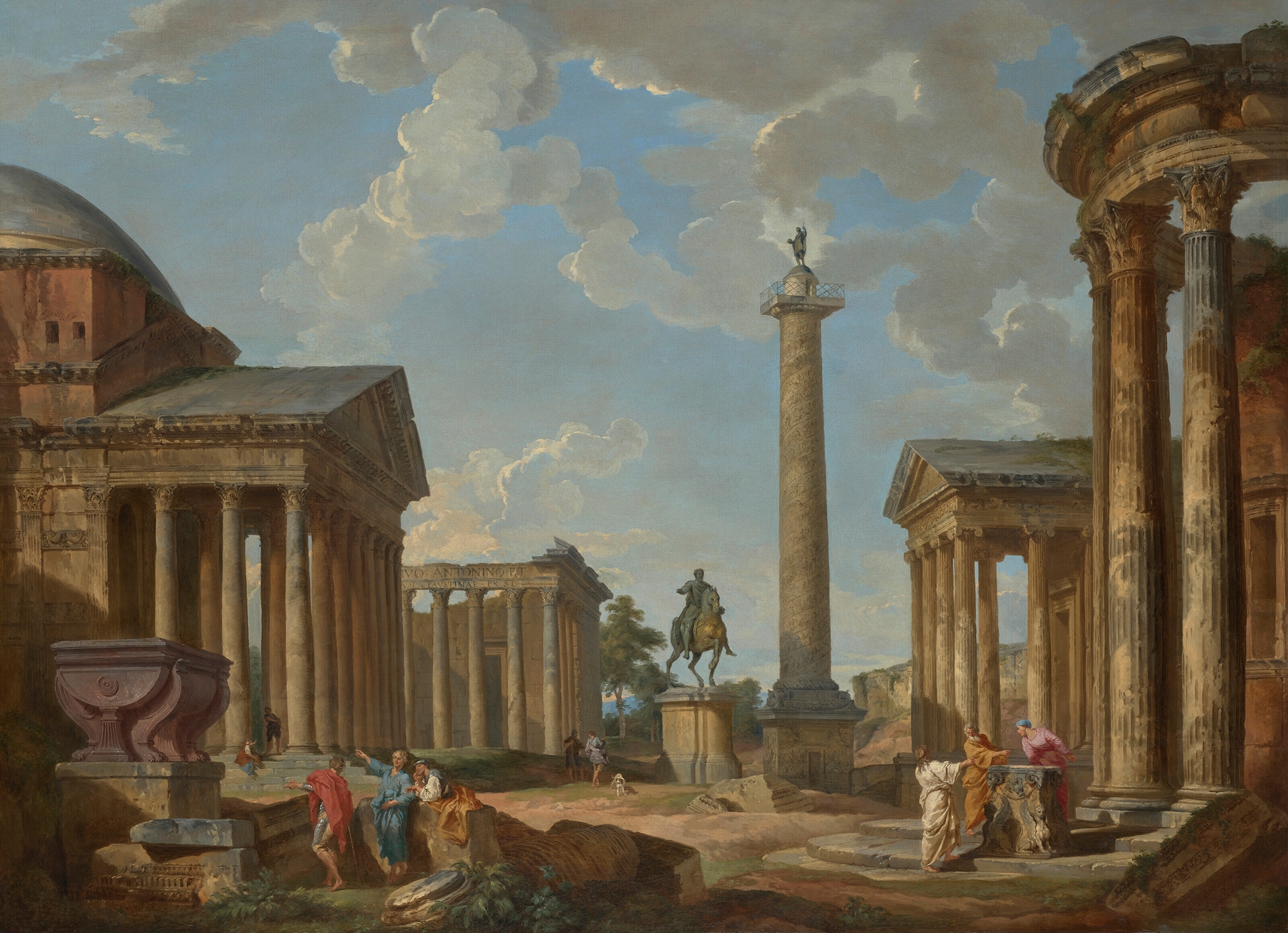
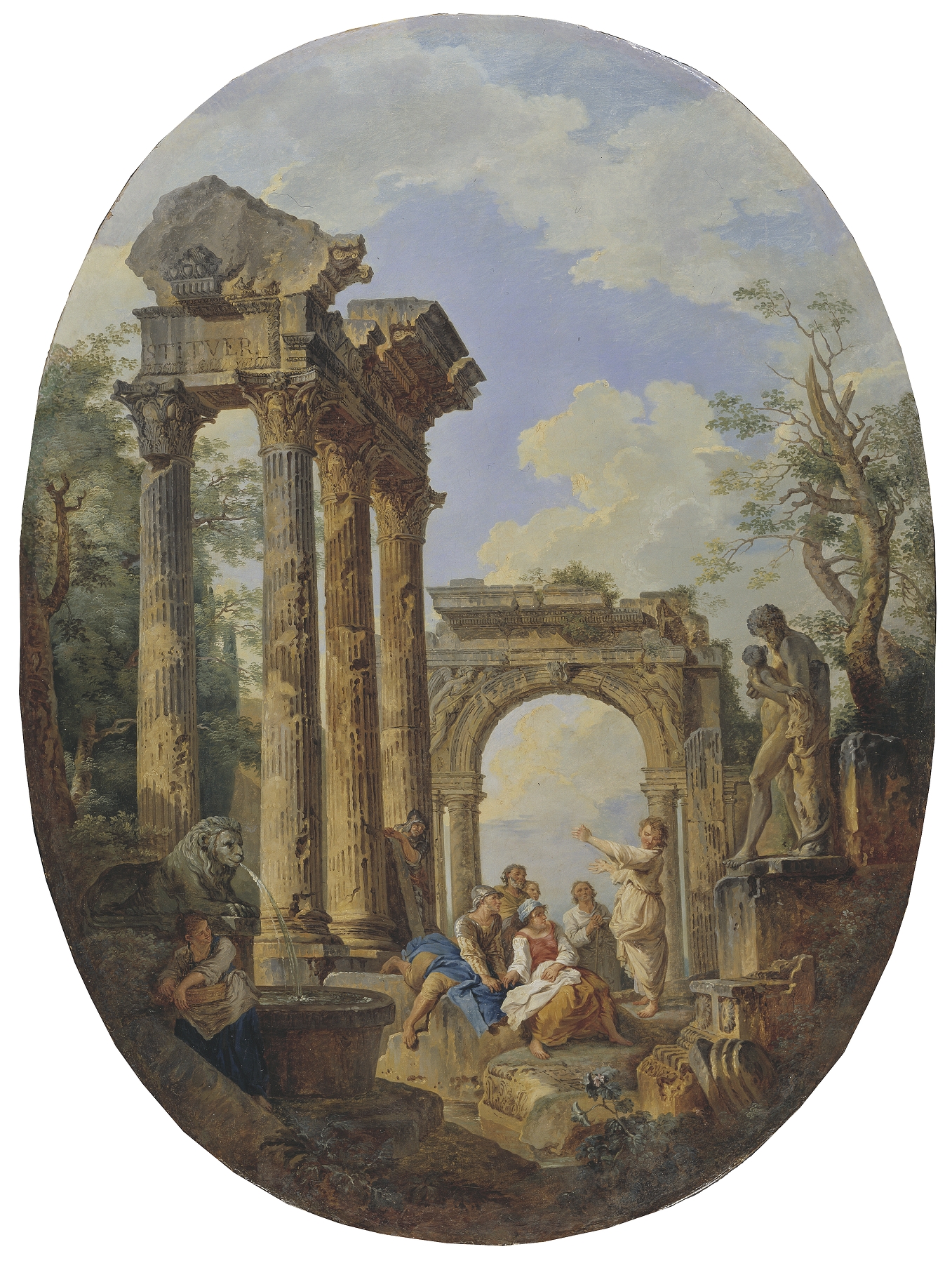
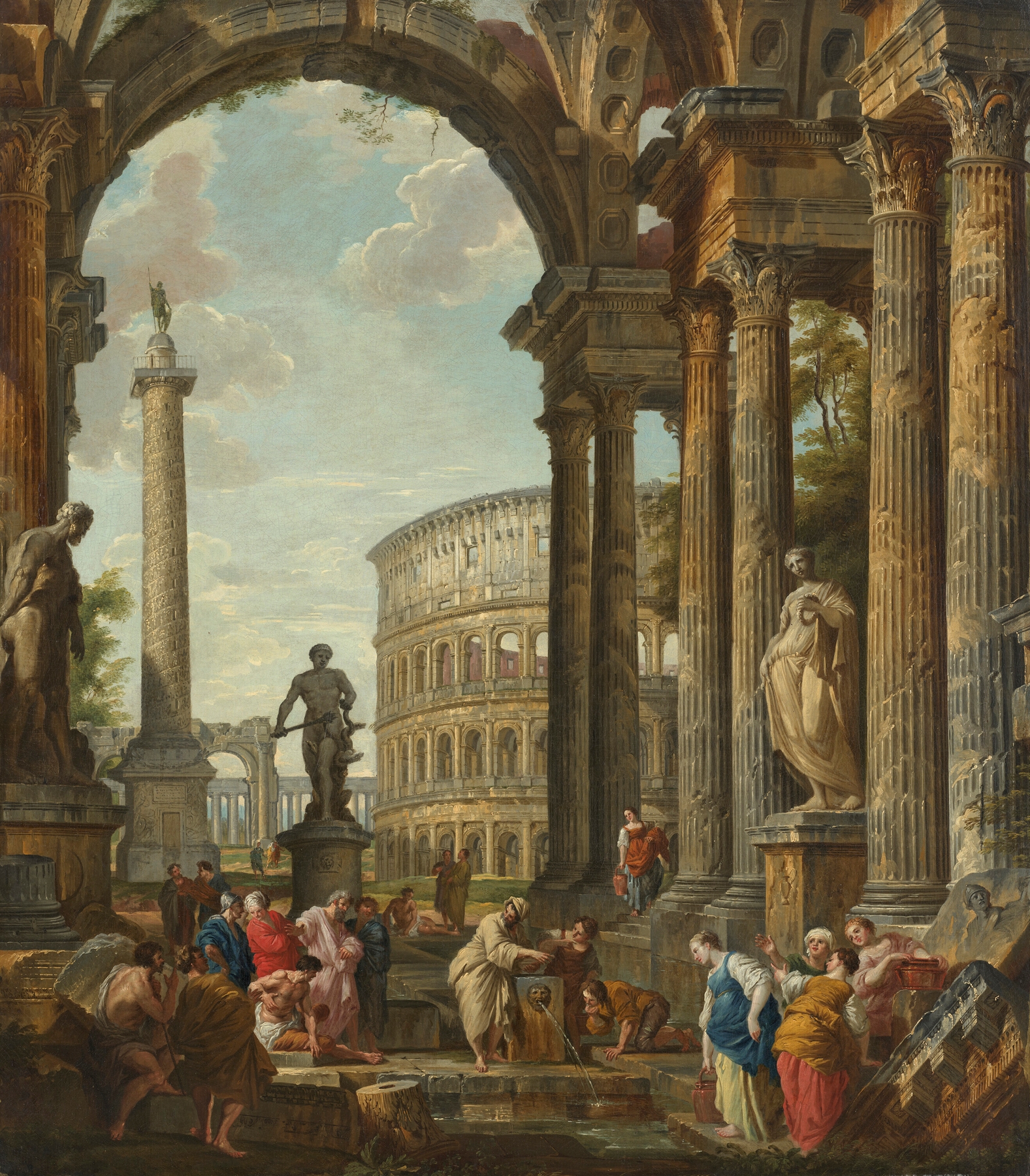
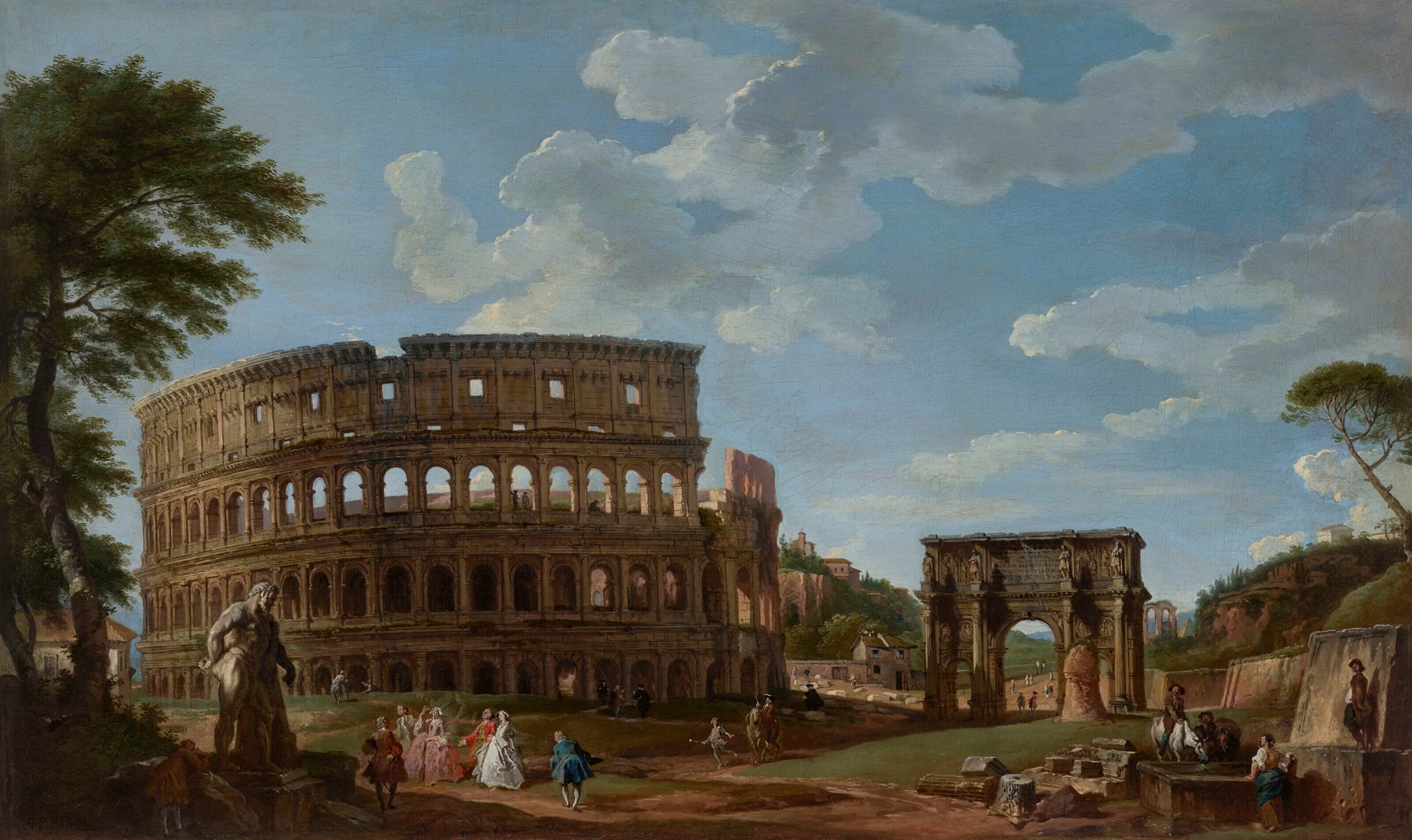
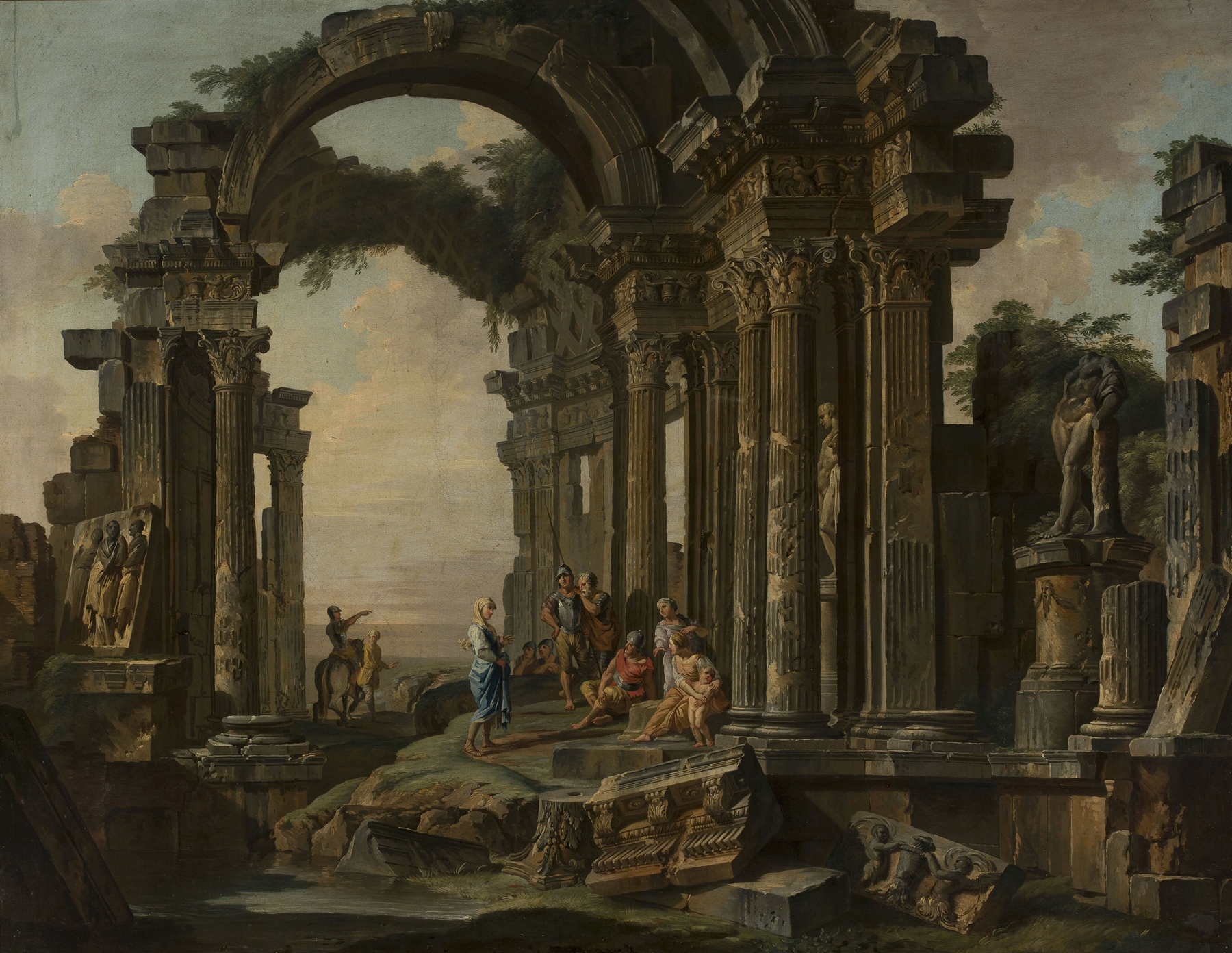
“Between color and silence, truth hides.” In the grand interiors of sacred spaces, faith emerges not only in presence but in the resonance of the soul. Look to the left at the towering columns, where the sunlight streams through the arched windows, casting intricate shadows on the marble floor. Notice how the artist captures the ornate details of the architectural elements, each brushstroke reflecting the painstaking craftsmanship of the time. The rich palette of warm ochres and soft blues draws the eye upward, inviting you to explore the majestic domes and frescoed ceilings, all harmonizing to create a sense of divine enormity.
Yet, beneath the surface beauty lies a deeper commentary on the nature of faith itself. The juxtaposition of the serene figures engaged in quiet prayer against the grandeur of the architecture suggests a tension between the personal and the monumental. The play of light and shadow adds an ethereal quality, hinting at the divine presence that is both intimate and overwhelming. In this space, one can sense not just the weight of history, but the silent conversations between the faithful and the divine.
In the years following 1754, the artist painted this work amidst a vibrant period of artistic exploration in Italy. Giovanni Paolo Panini was deeply influenced by the Baroque and Rococo movements, which celebrated both grandeur and intricate detail. During this time, Italy was a hub of cultural revival, and Panini's works reflected a growing interest in the relationship between architecture, art, and spirituality, as baroque churches continued to be centers of community and devotion.