Interior of St. John’s Cathedral in Warsaw — History & Analysis
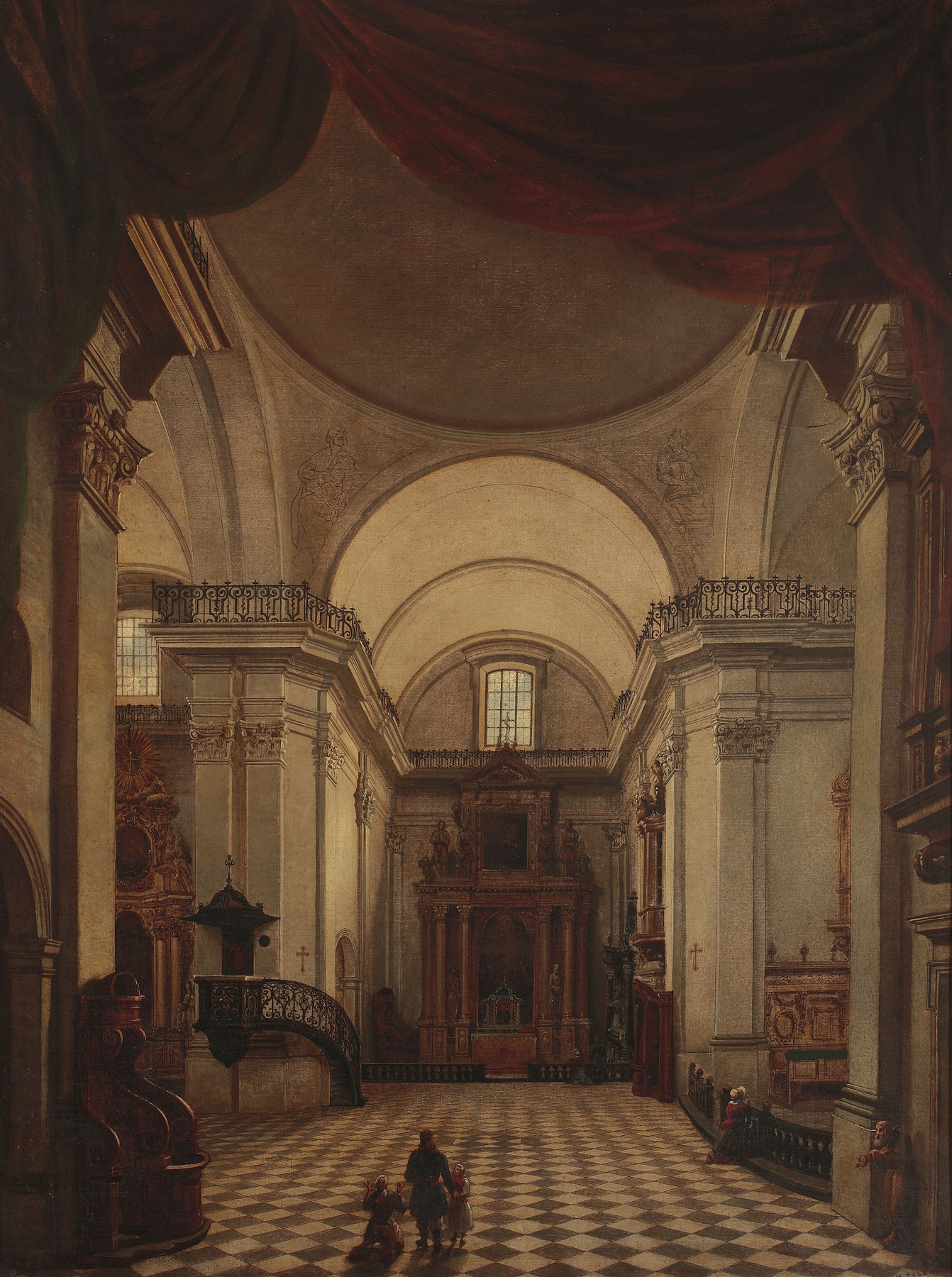
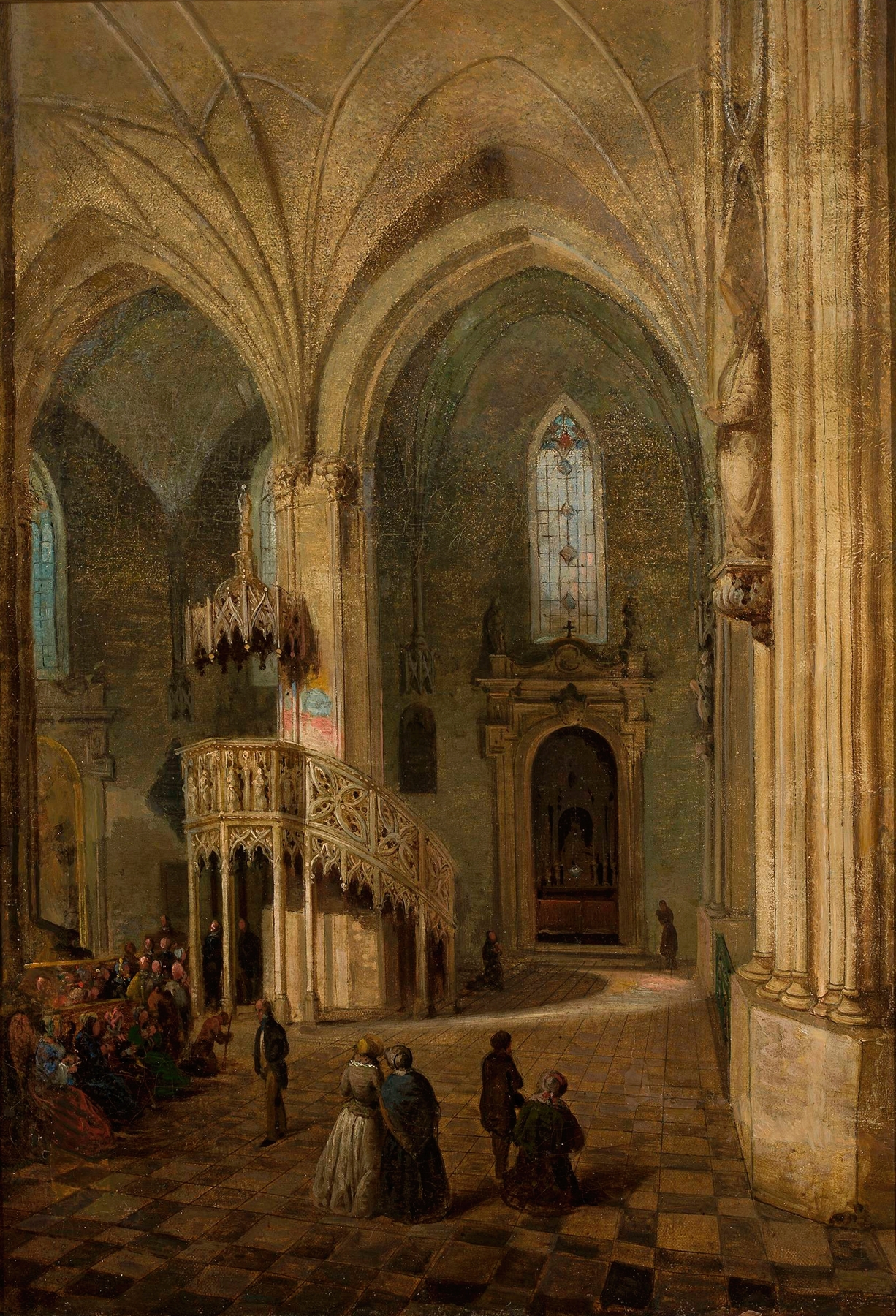
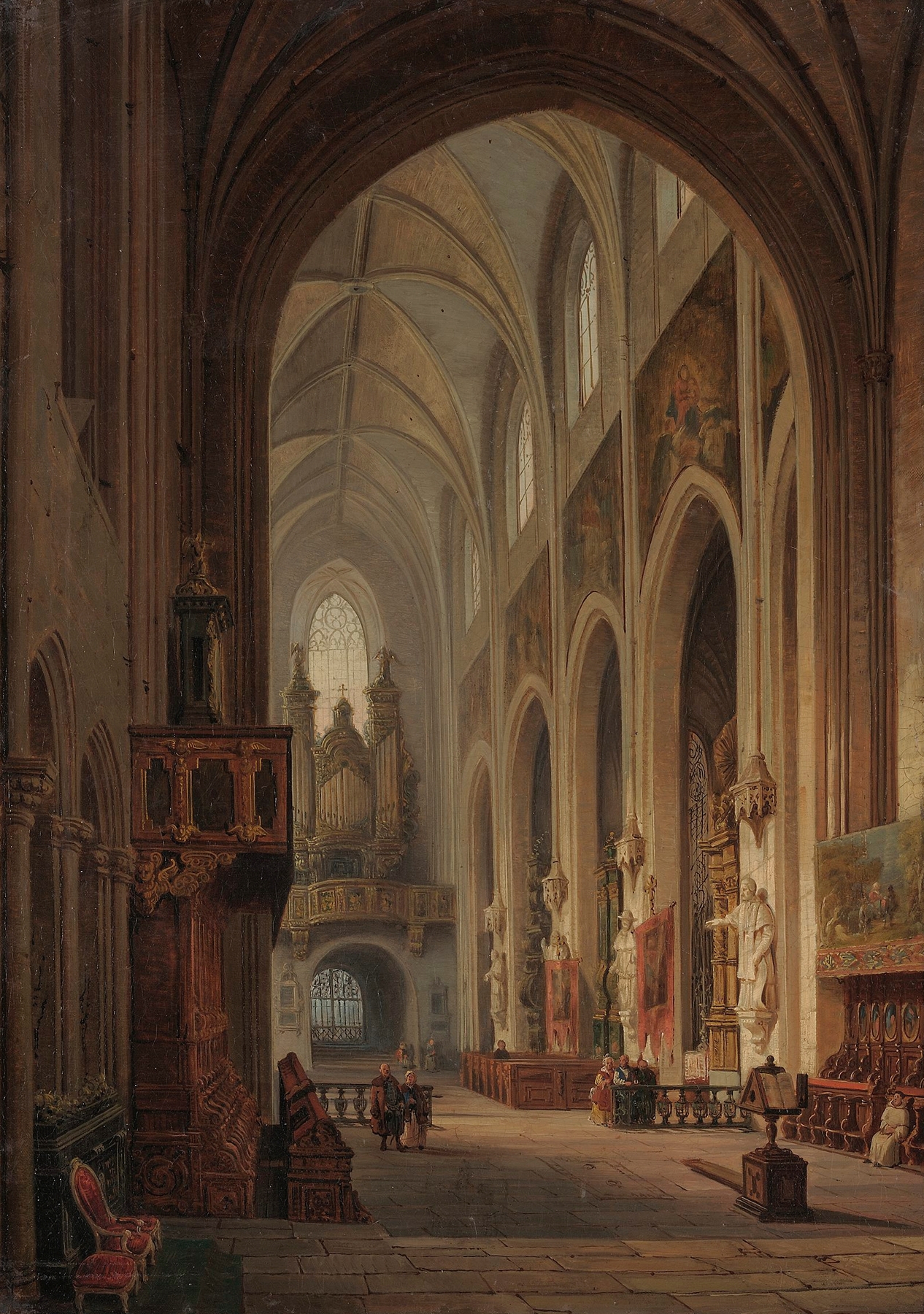
What if beauty was never meant to be finished? In the heart of Interior of St. John’s Cathedral in Warsaw, a moment of divine awakening unfolds, inviting us to explore its sacred beauty through an unfinished lens. Look to the towering arches that frame the scene; their intricate design draws the eye upward, mimicking the soul’s yearning for transcendence. The soft light filtering through stained glass dances delicately on the polished stone floor, illuminating the rich hues of deep blues and vibrant reds.
Notice how the shadows linger in the alcoves, hinting at secrets long held within this hallowed space, while the warm glow suggests a presence, perhaps a whisper from the divine. The composition speaks to a juxtaposition of stillness and movement, where the quiet reverence of the space contrasts with the vivid colors that pulse with life. The depiction of the cathedral, not merely as a structure but as a living entity, evokes the tension between the earthly and the spiritual. Each brushstroke reflects a moment frozen in time, yet brimming with the promise of awakening—a reminder that beauty and faith are continually evolving.
Created during the early 19th century, this work emerged from Zaleski's deep immersion in the Romantic movement, which sought to reconnect art with nature and the sublime. As Poland grappled with national identity amidst political upheaval, the artist sought solace and inspiration within religious architecture, turning his gaze to the grandeur of St. John’s Cathedral in Warsaw. In this piece, he not only reflects his personal struggle but also resonates with a collective yearning for renewal and hope.