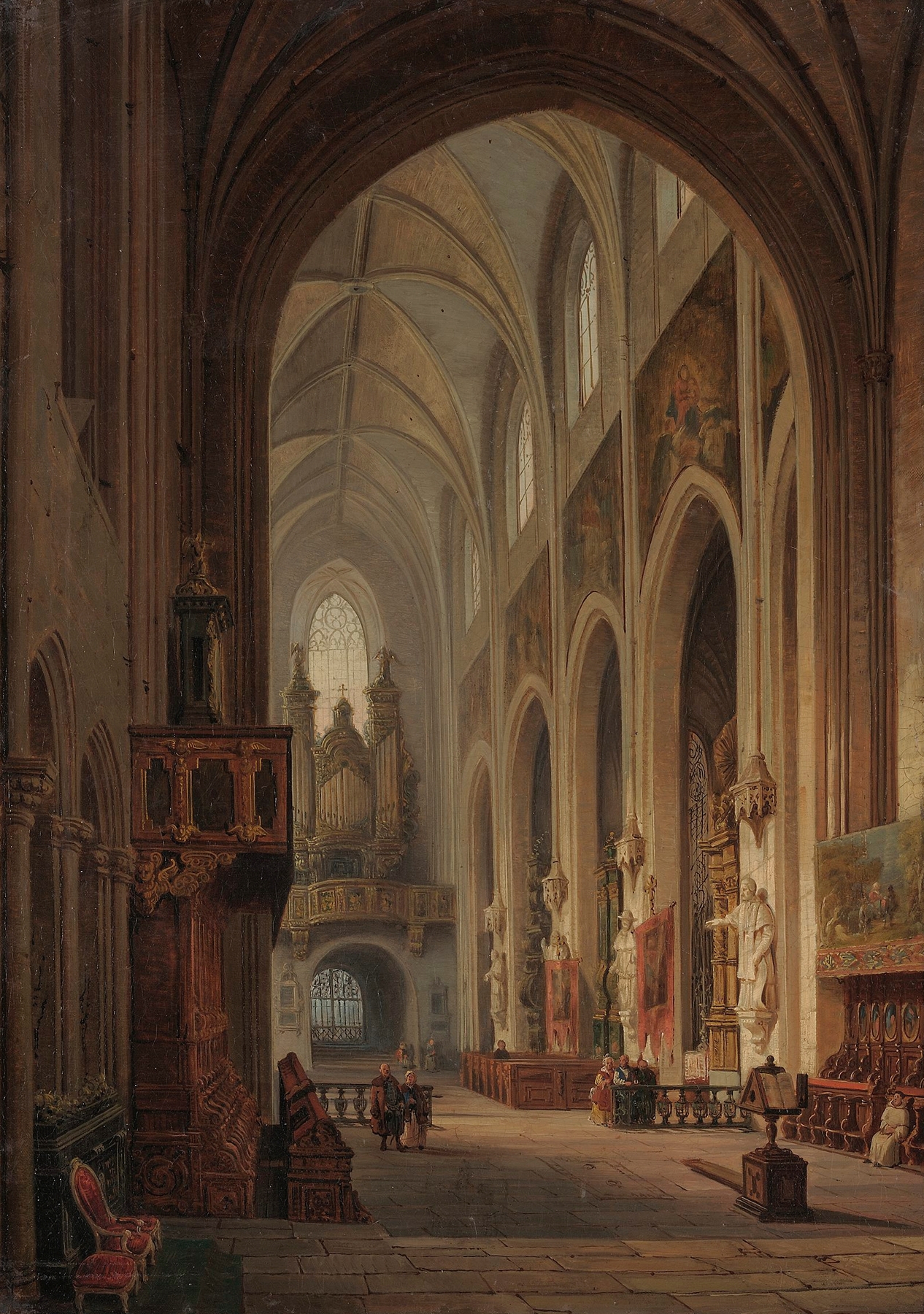
Interior of the Holy Cross Church in Warsaw — History & Analysis
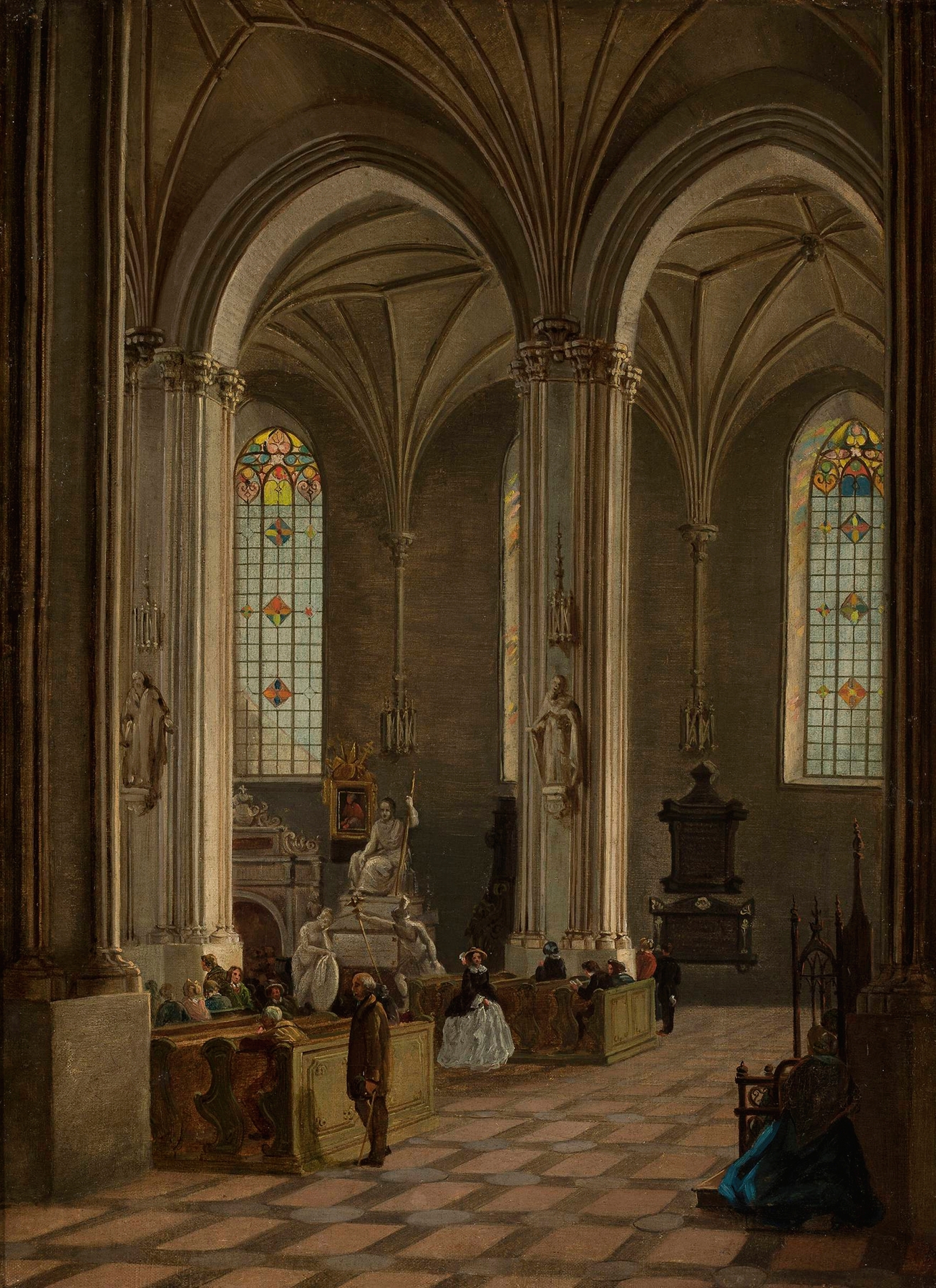
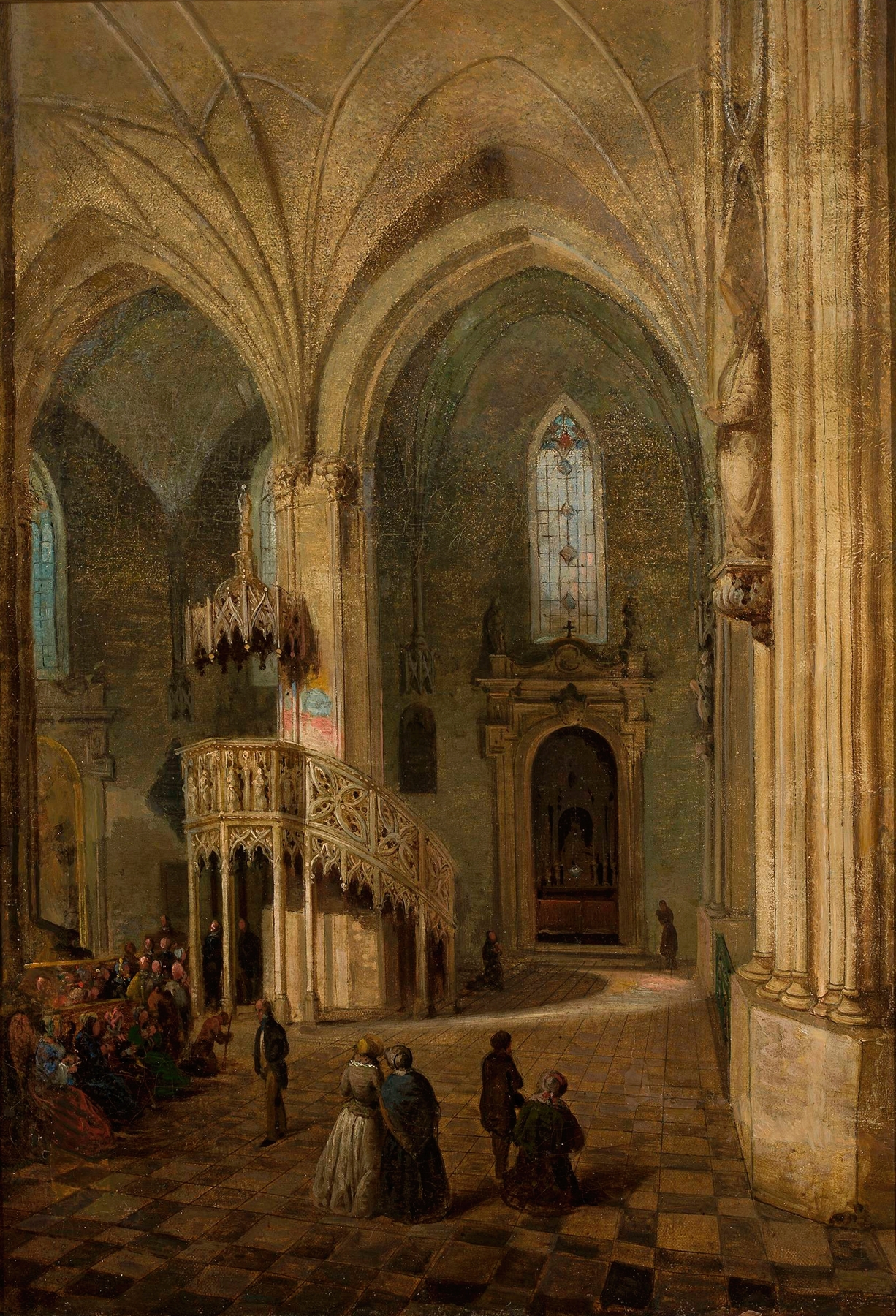
“Between color and silence, truth hides.” In the stillness of what remains, the essence of decay whispers through the colors of the past. This poignant exploration reveals how beauty endures even as time unravels its grip. Focus your gaze on the interplay of muted hues that define the interiors, particularly the soft browns and subdued greens that whisper of age. Notice the intricate details carved in wood, their once-vibrant splendor now softened by layers of dust and neglect.
The softly illuminated arches draw your eye upward, evoking a sense of reverence while highlighting the church’s solemn, yet fading glory. The tension between light and shadow speaks volumes; the flickering illumination hints at forgotten prayers and lost voices. Here, the crumbling walls stand as a testament to the passage of time, embodying both resilience and vulnerability. Each flake of paint, each beam of light reflects the duality of decay and beauty, suggesting that even in decline, there remains a profound story worthy of contemplation.
In creating this evocative piece, the artist captured a moment of introspection amid a transformative period for the art world. Zaleski, active in Warsaw during the early 19th century, was influenced by Romanticism, focusing on the emotional resonance of spaces. The decline of religious fervor and the rise of secularism mirrored his own experiences, making this portrayal of a once-grand church deeply resonant with the societal shifts of his time.