View of the Kazimierz Palace from Powiśle — History & Analysis
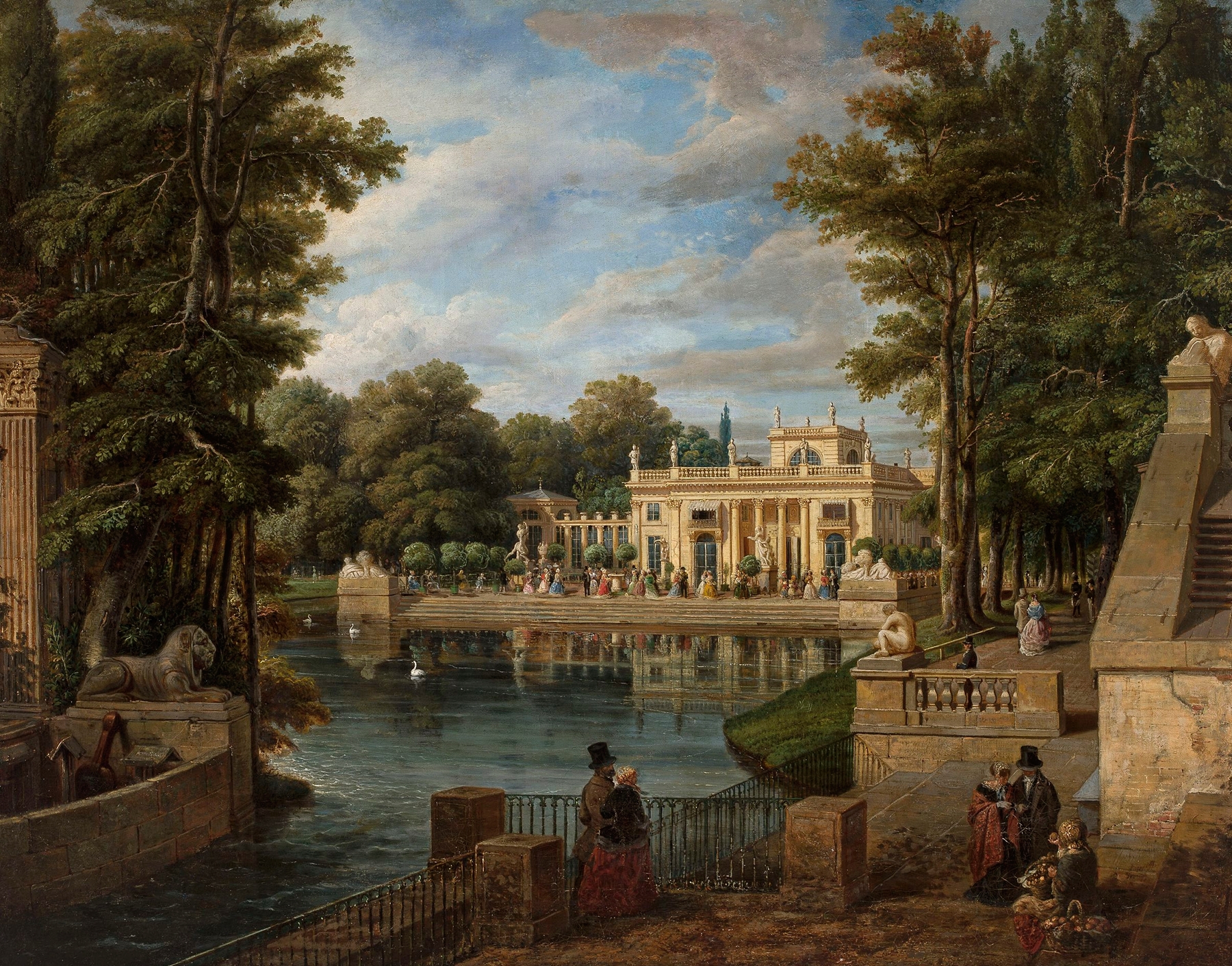
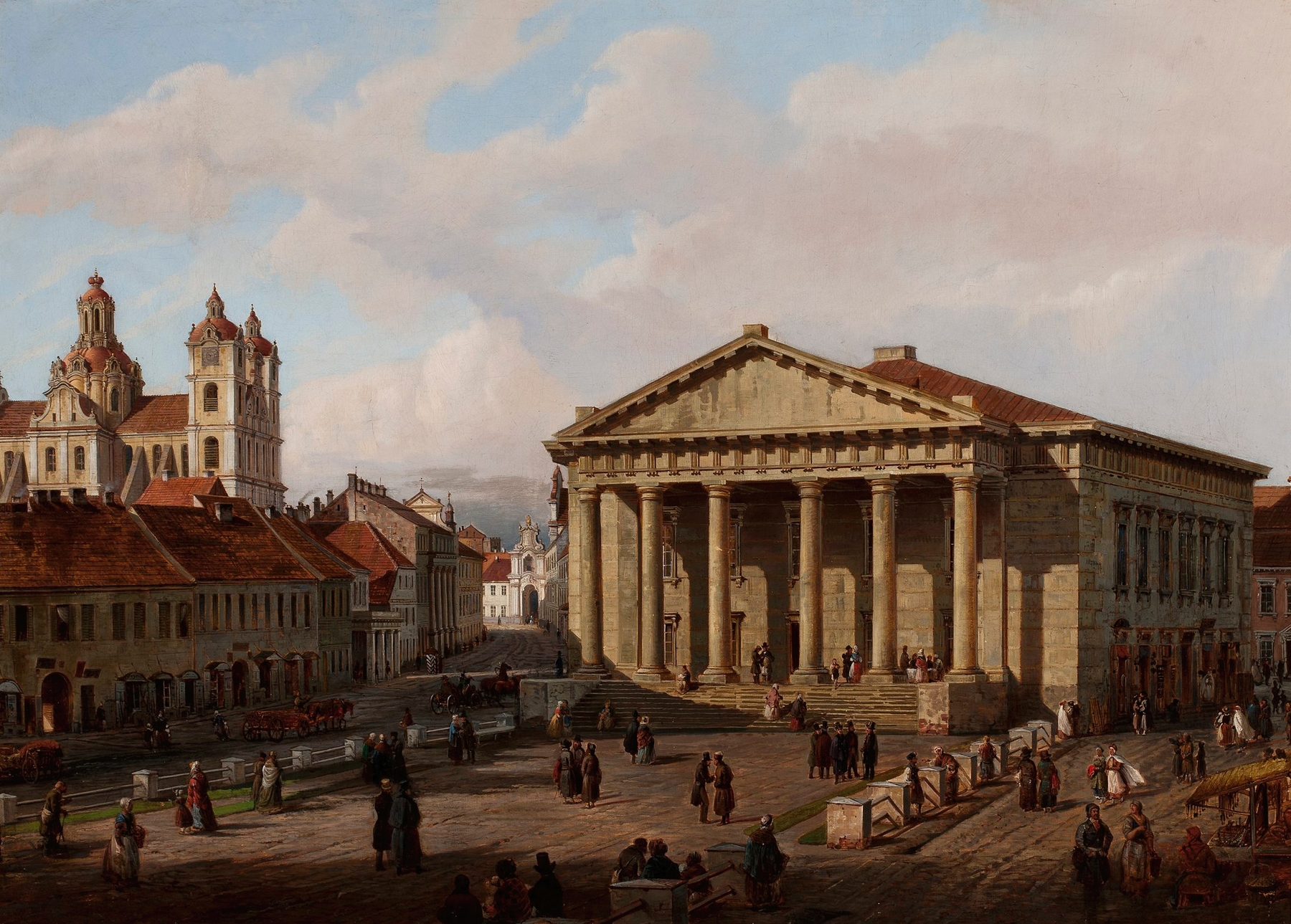
Could beauty survive in a century of chaos? This question echoes through the landscapes we hold dear, each brushstroke a testament to resilience. Amidst the tumult, the divine whispers of nature and architecture persist, revealing glimpses of serenity in turbulent times. Look to the foreground where the lush greenery rises, framing the grand Kazimierz Palace. Notice how Zaleski captures the interplay of light and shadow, with sunlight filtering through the trees, illuminating the stone façade in a warm glow.
The soft palette of greens and the delicate blues of the sky invite the eye to traverse the serene waters of the Vistula River, reflecting the palace like a mirror of dreams. The composition is carefully balanced, with the palace standing majestically against the horizon, embodying both strength and grace. Delve deeper into the emotional landscape of the piece. The juxtaposition of the palace, a symbol of human achievement, against the tranquil river and nature speaks to the harmony possible between civilization and the environment. The play of light signifies hope, as it bathes the palace in a celestial aura, suggesting that divinity resides within the beauty of the everyday.
Each brushstroke captures a fleeting moment, where the natural world and human creation coexist peacefully. In the 1830s, Zaleski painted this scene at a time when Poland was grappling with political unrest and national identity. Living in exile, his works became a medium of reflection on loss and nostalgia. The artist’s intent was to capture the essence of his homeland, even as it faced profound transformation and turmoil, offering viewers a respite in the beauty of what once was and what still could be.