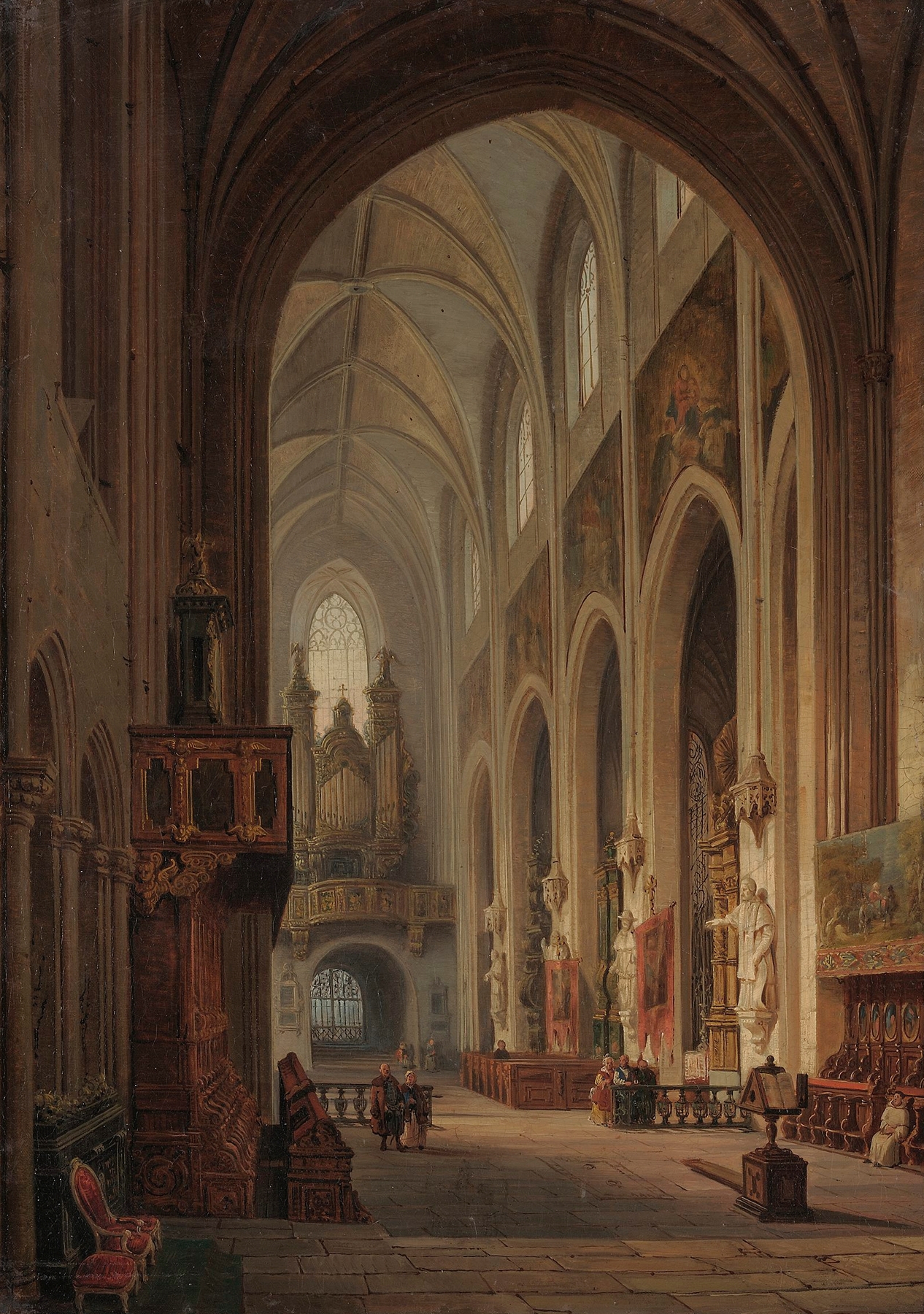
Interior of St. John’s Cathedral in Warsaw — History & Analysis
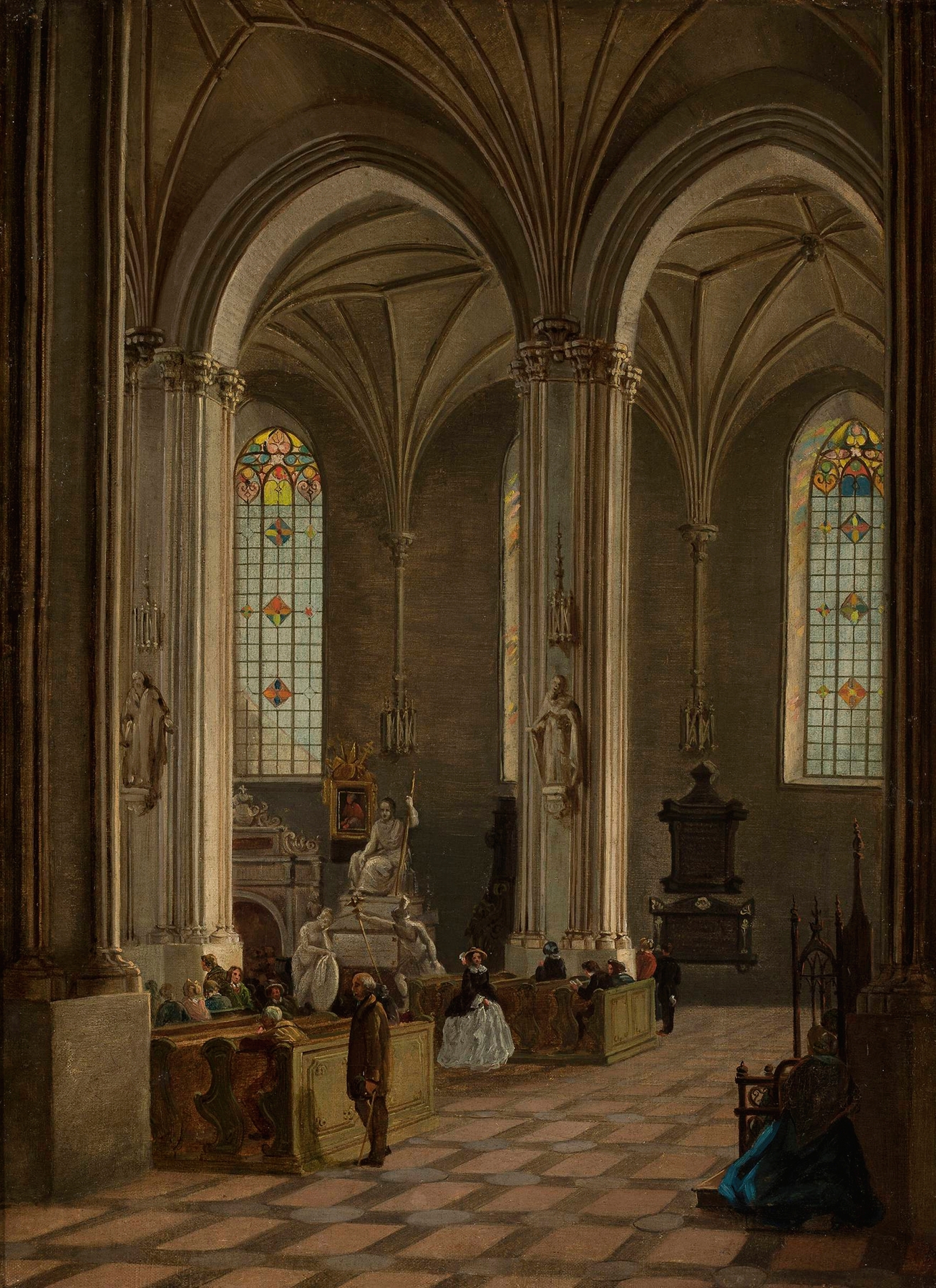
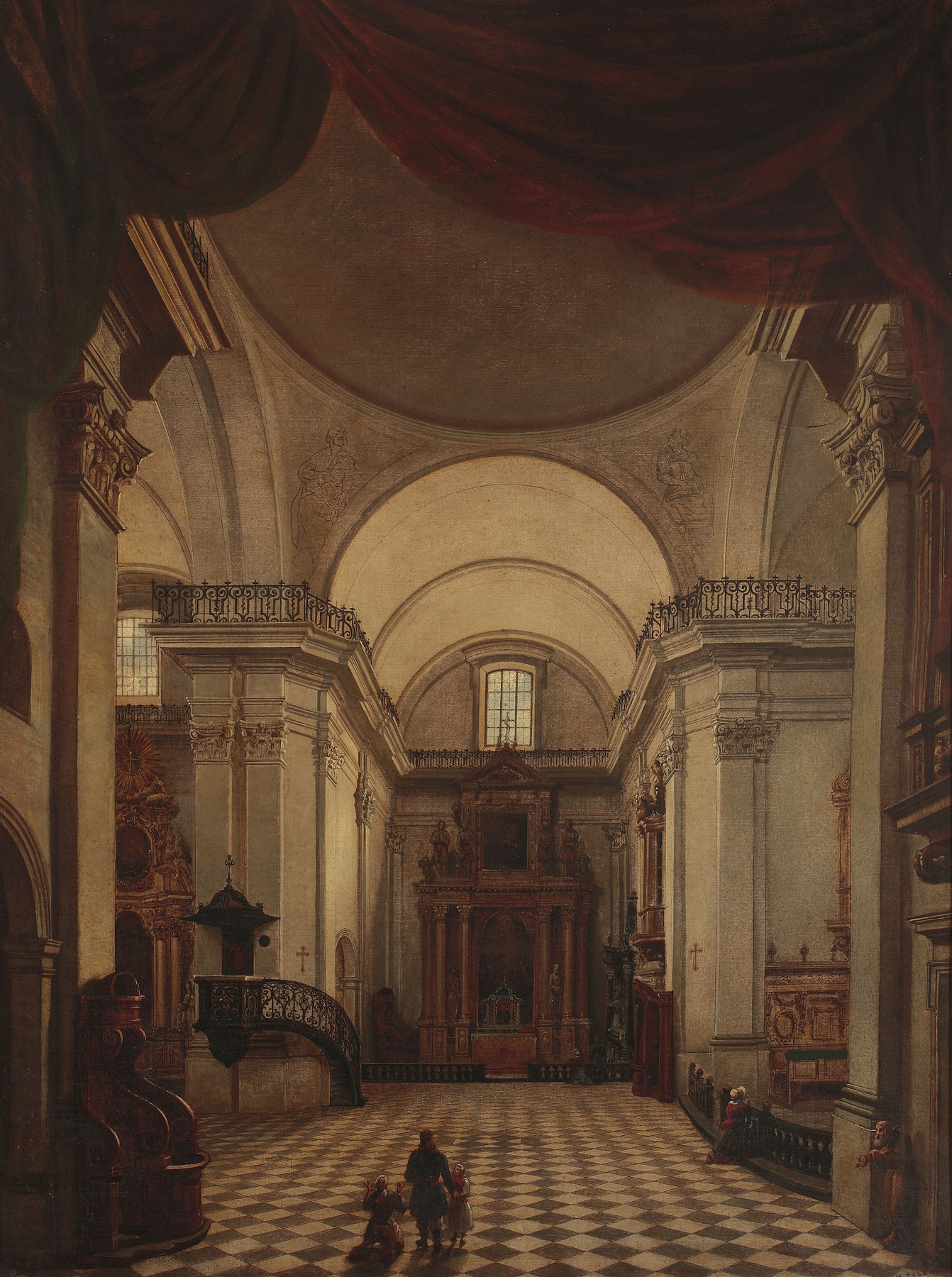
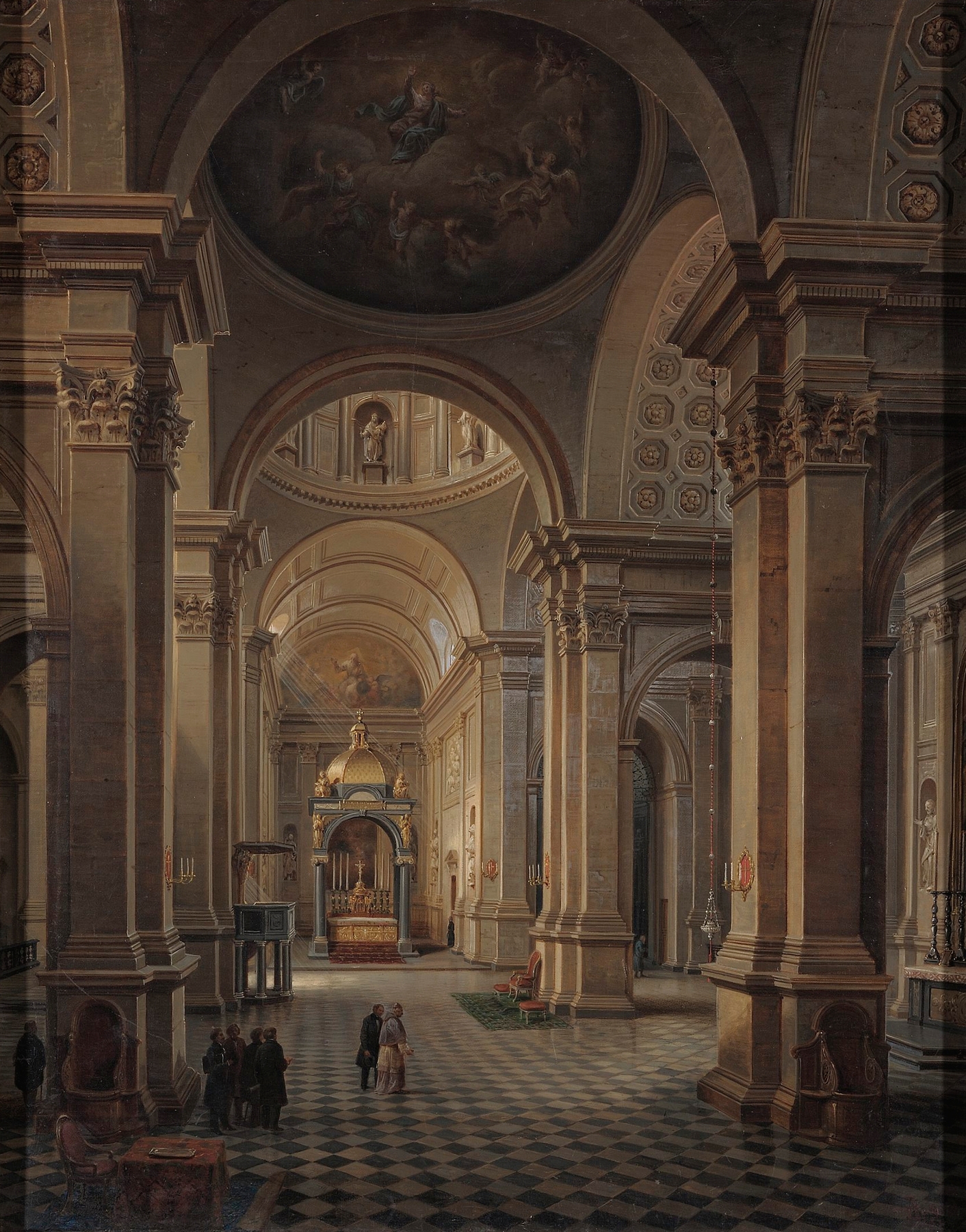
Can beauty exist without sorrow? In the delicate folds of light that cascade through the stained glass of St. John’s Cathedral, we find a poignant awakening that speaks of both reverence and loss. Look to the left at the grand archways, where elegant columns rise like sentinels, their intricate details beckoning your gaze. Notice how the light falls upon the stonework, casting a soft glow that dances across the pews and the cool marble floor.
The hues of deep reds and rich greens in the glass create a mesmerizing play of color, reflecting a sacred atmosphere that invites contemplation and introspection. Each brushstroke invites you to linger, to breathe in the serenity of this sacred space. Upon closer inspection, hidden tensions emerge. The grandeur of the cathedral juxtaposes the vulnerability of the human soul, as the light filtering through the glass serves as both a guide and a reminder of fragility. Beneath the serene surface, one can sense the weight of history and the echo of countless prayers whispered in the quiet spaces.
This interplay of illumination and shadow conveys a deeper narrative of hope and despair, suggesting that beauty inevitably carries the traces of sorrow. Marcin Zaleski completed this work in the 19th century while residing in Warsaw, a city marked by political strife and cultural rebirth. During this period, an awakening of national identity echoed through the arts, reflecting both the aspirations and struggles of the Polish people. Zaleski, influenced by Romantic ideals, sought to capture the profound beauty of sacred spaces, channeling a collective yearning for stability and renewal amidst the tumult of his time.