Interior of St Mark’s Basilica in Venice — History & Analysis
“Every brushstroke is a heartbeat remembered.” In the quiet majesty of architectural spaces, one can feel the weight of longing — both personal and collective — echoing through history. Look to the upper left where the golden mosaics glimmer under a dim, yet ethereal light. Notice how the intricate patterns of saints and heavenly figures shimmer, drawing the gaze upward as if inviting contemplation of the infinite. The interplay of warm golds and cool shadows creates a rich tapestry that feels alive, with each brushstroke meticulously layered to convey depth and texture.
A sense of intimacy envelops this vast space, as the viewer is both an observer and a participant in the sacred stillness. Hidden within the grandeur lies a subtle emotional tension; the juxtaposition of light and dark evokes the eternal struggle between earthly life and spiritual transcendence. The quiet solitude of the basilica suggests a yearning for connection — not just with the divine, but also with the echoes of those who have walked this path before. Each figure captured in the mosaics seems to whisper stories of devotion, grief, and hope, connecting past and present in a silent dialogue.
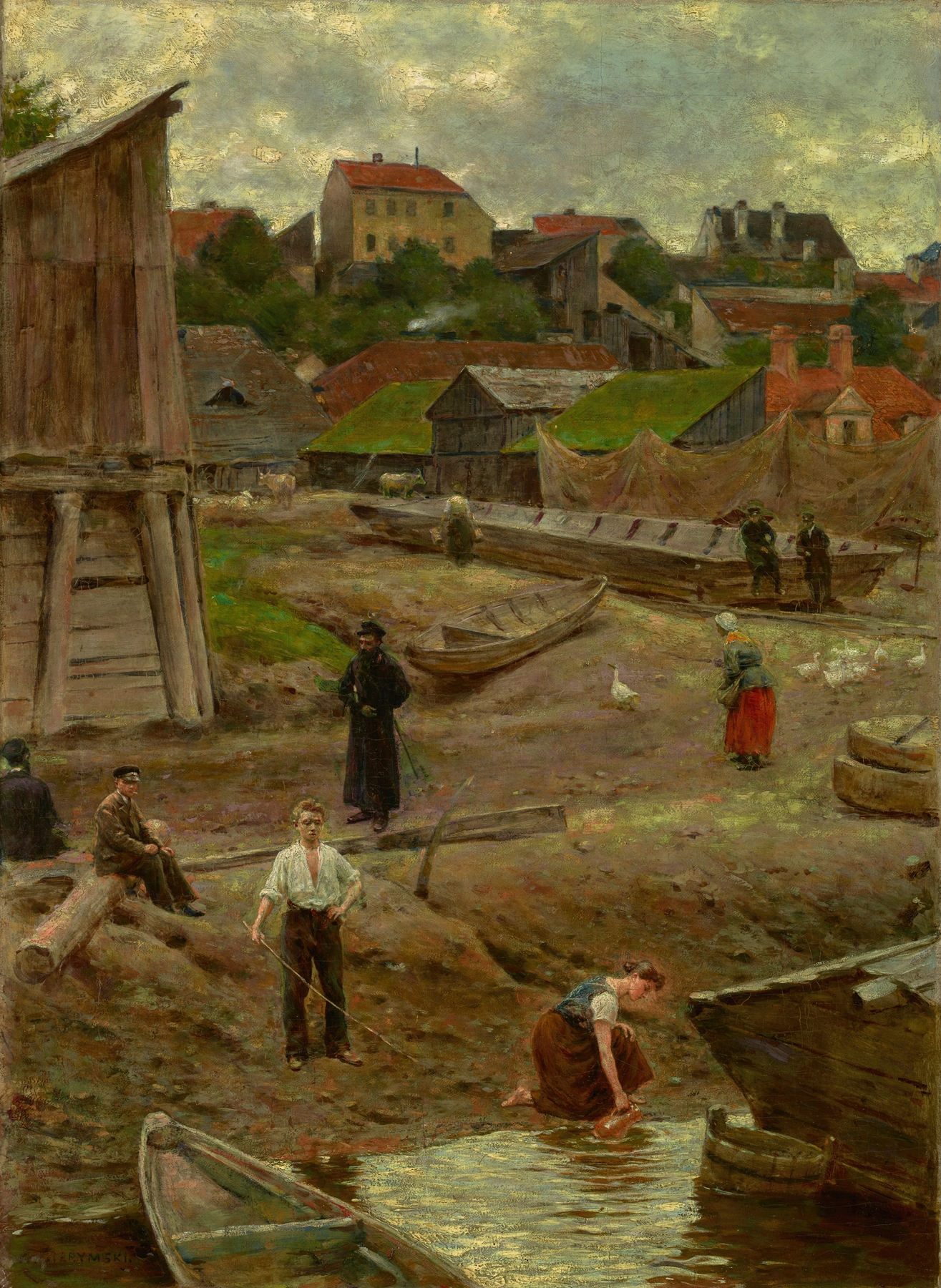
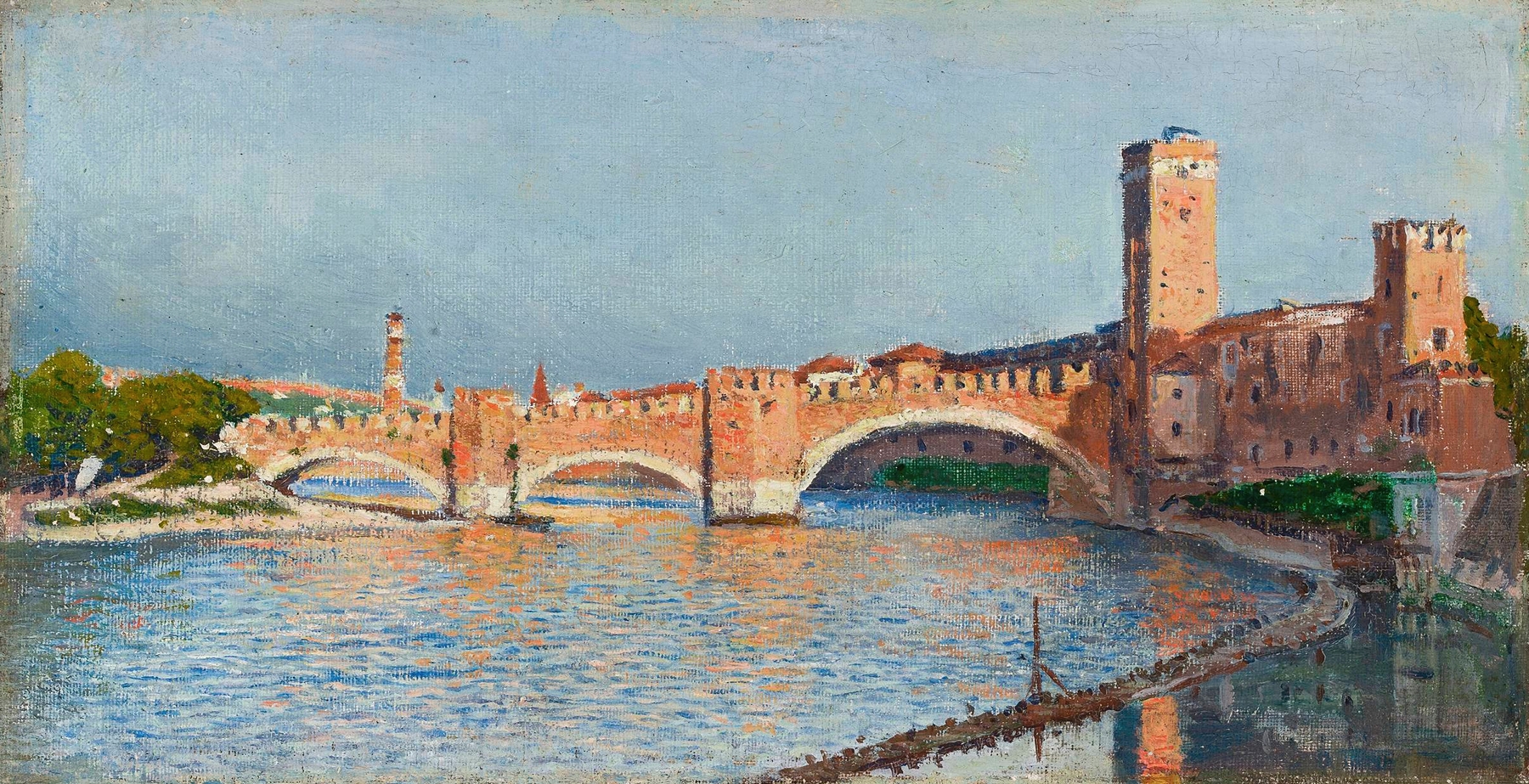
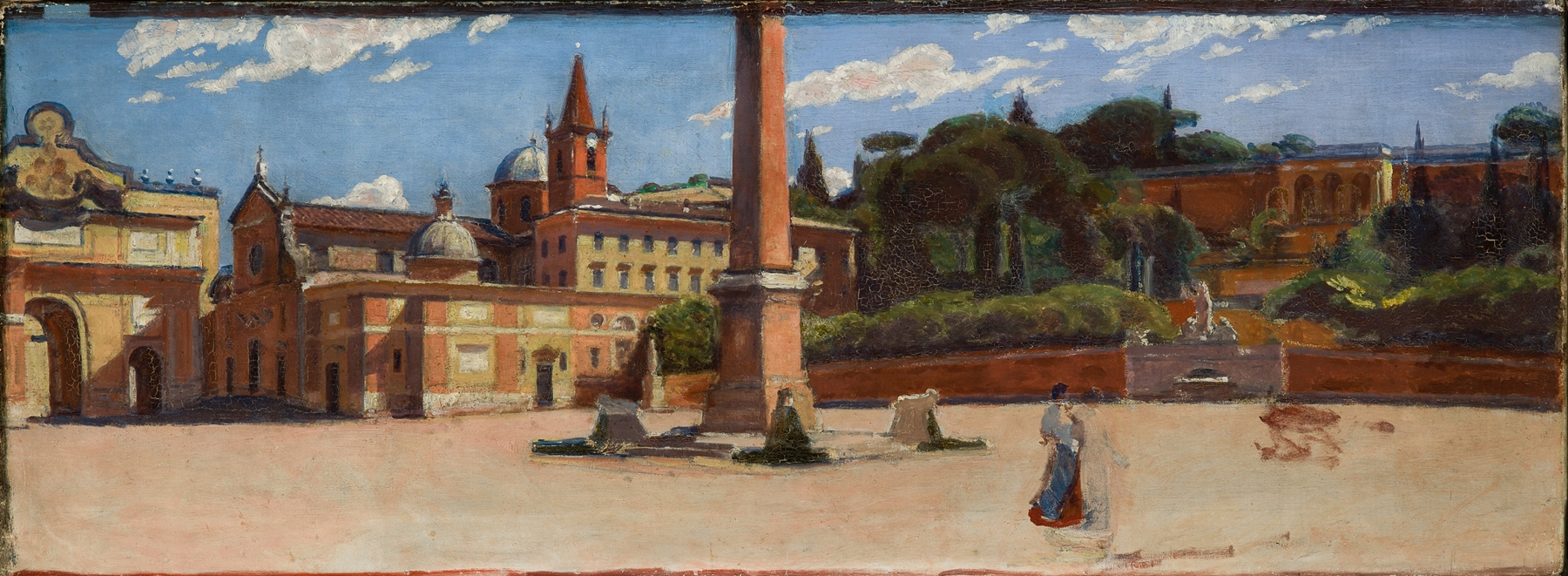
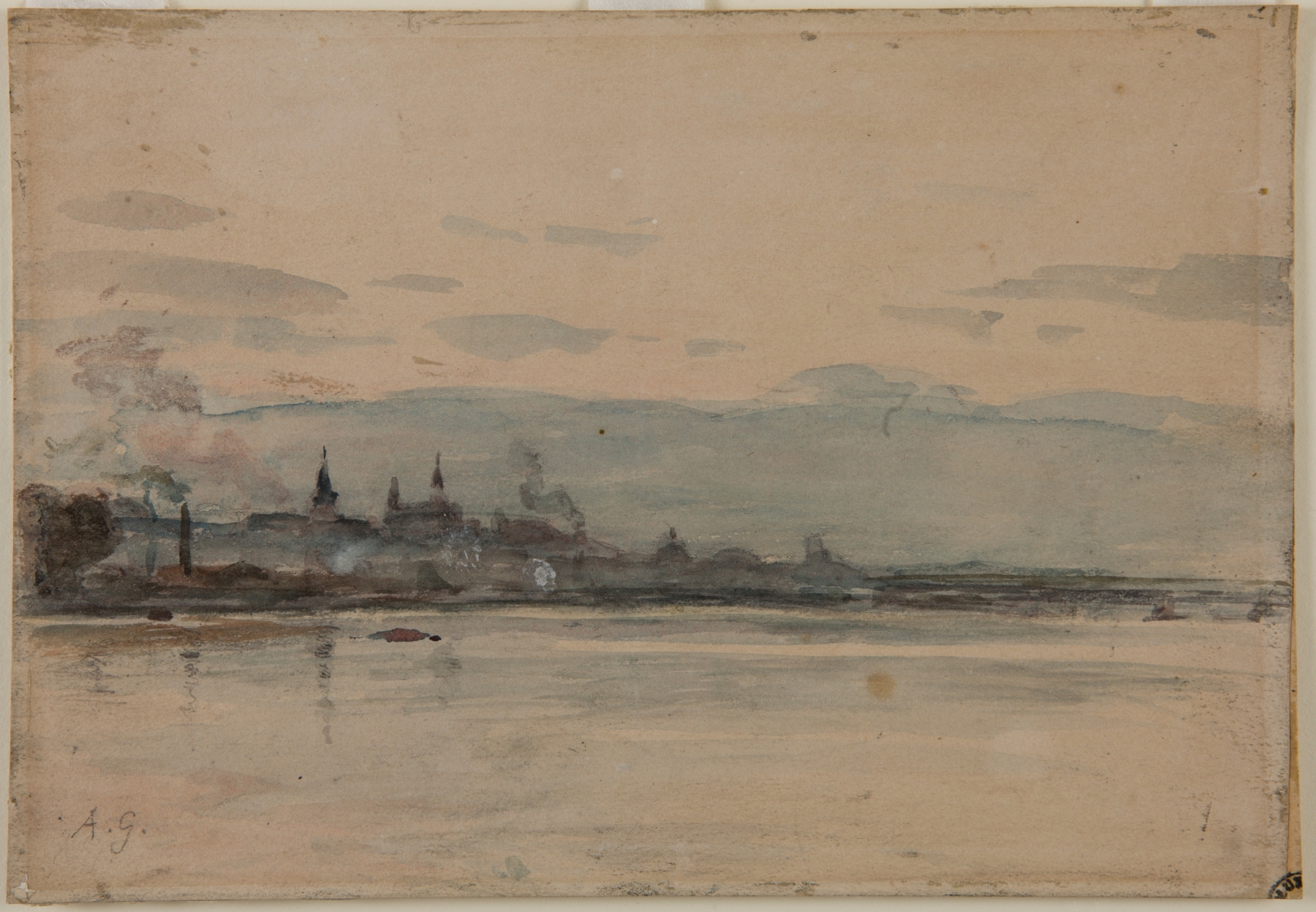
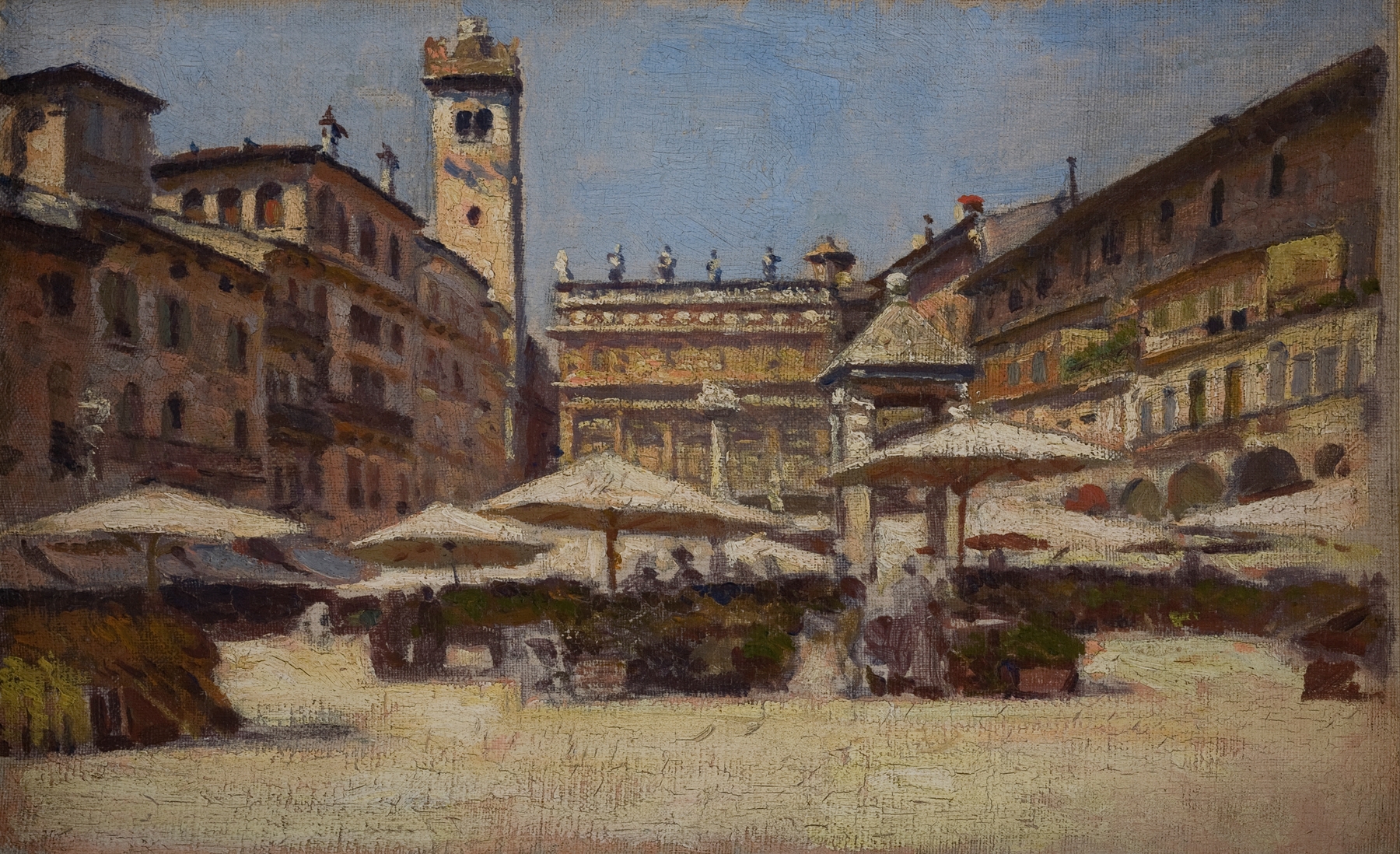
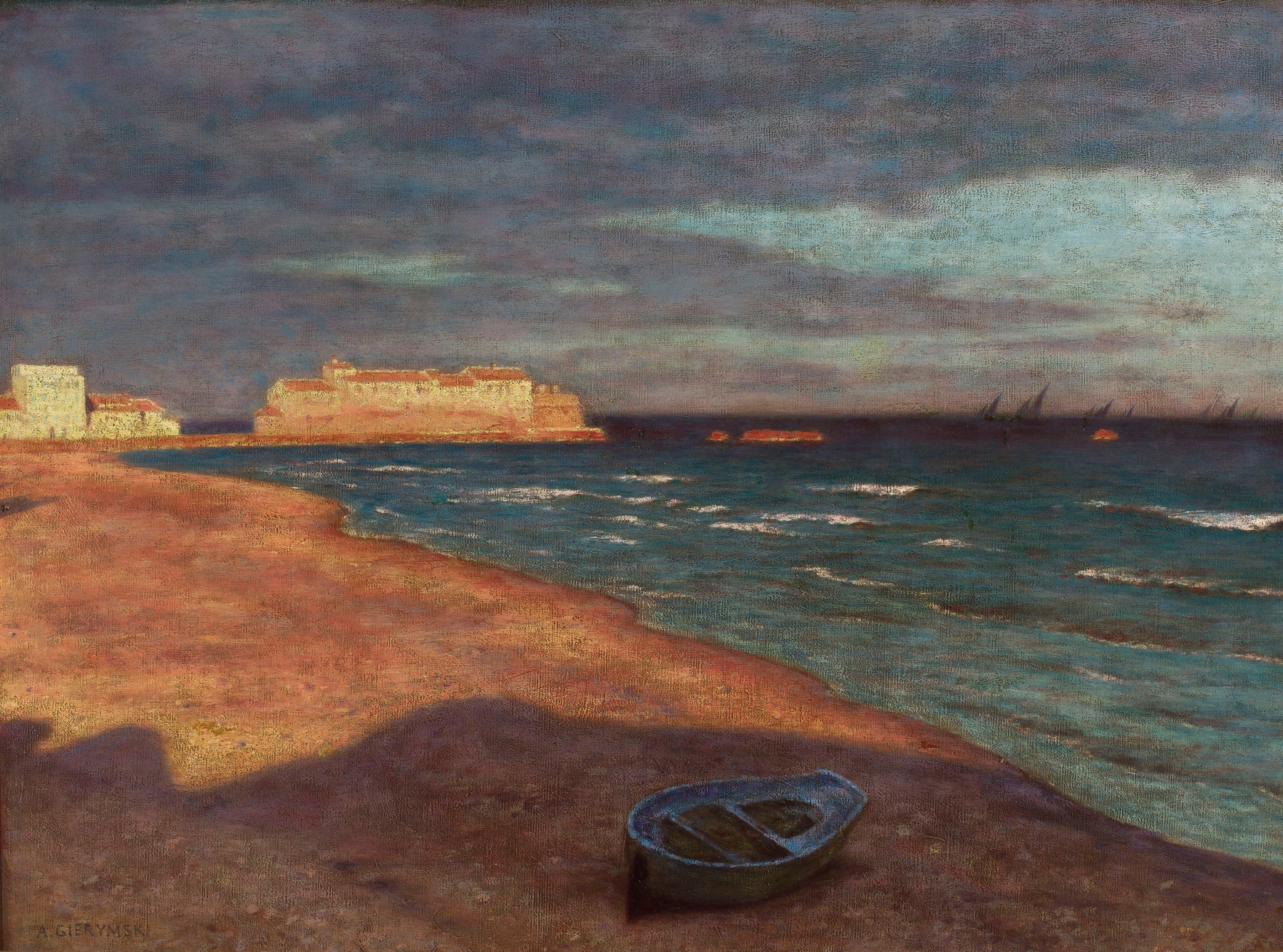
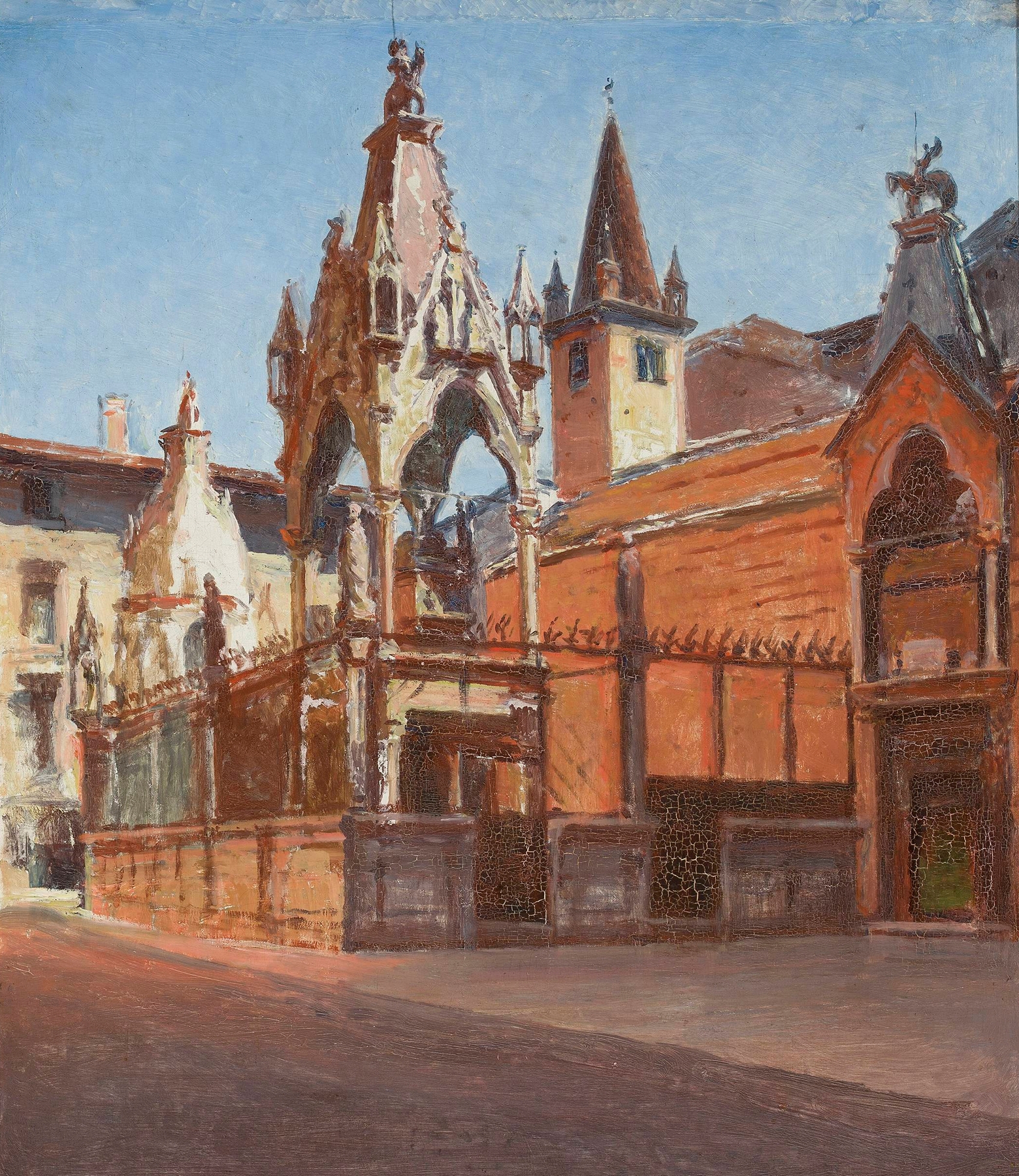
Painted in 1899, this piece emerged while Gierymski was immersed in the vibrant art scene of late 19th-century Europe. At that time, the artist was in Venice, reflecting on the deep historical and spiritual significance of the basilica, a symbol of the city's rich heritage and artistic legacy. The work showcases his ability to blend realism with emotional depth, hallmarks of his approach during a period of personal exploration and artistic evolution.