Scaliger Bridge in Verona — History & Analysis
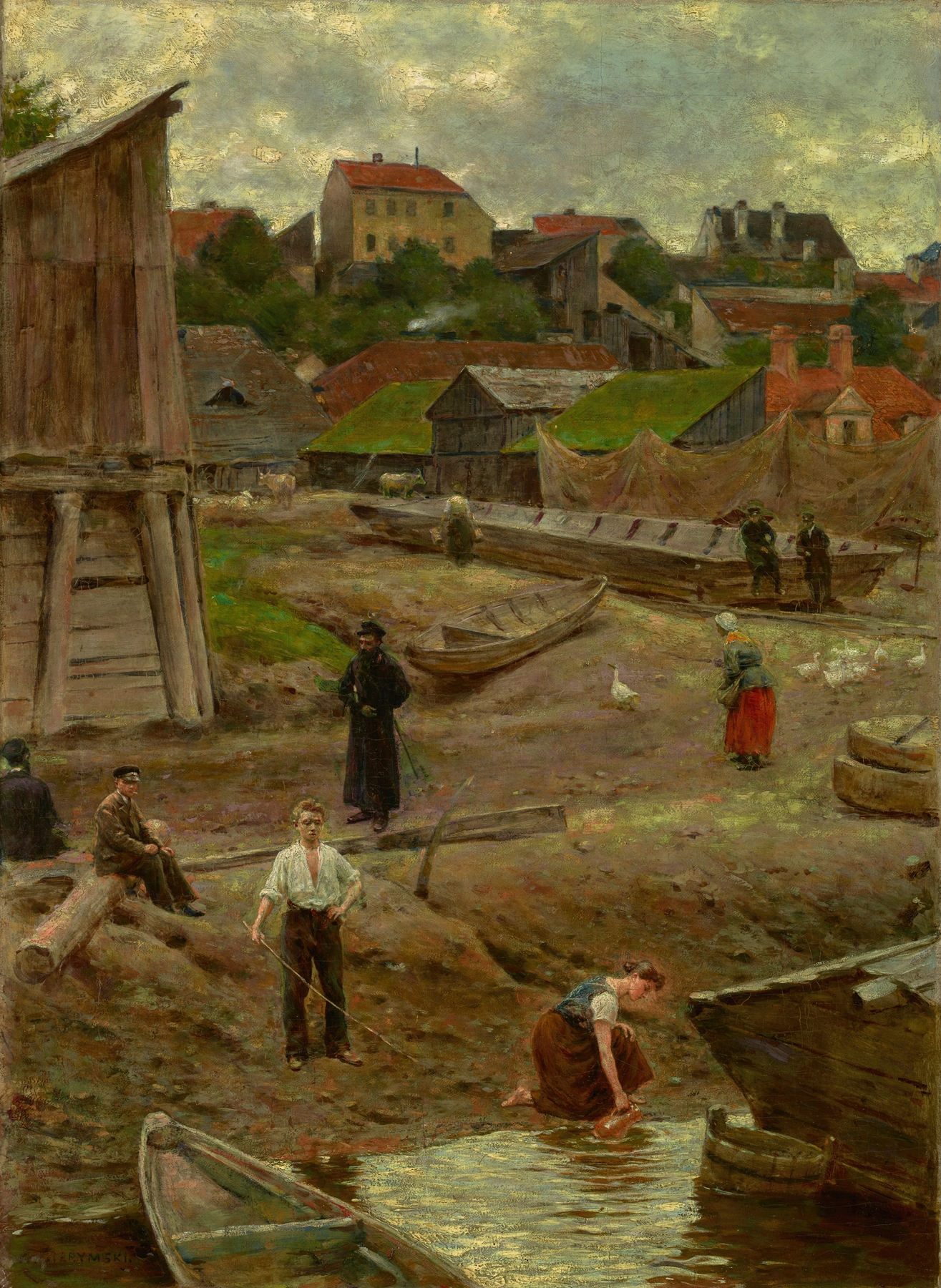
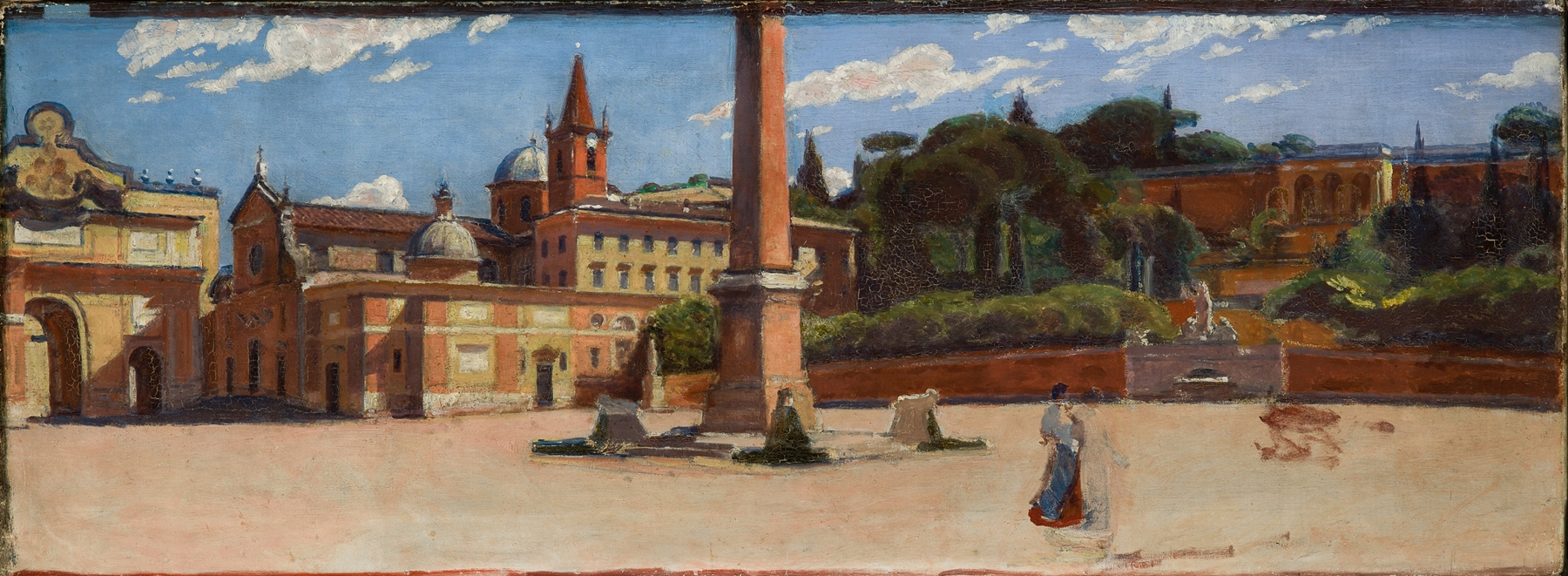
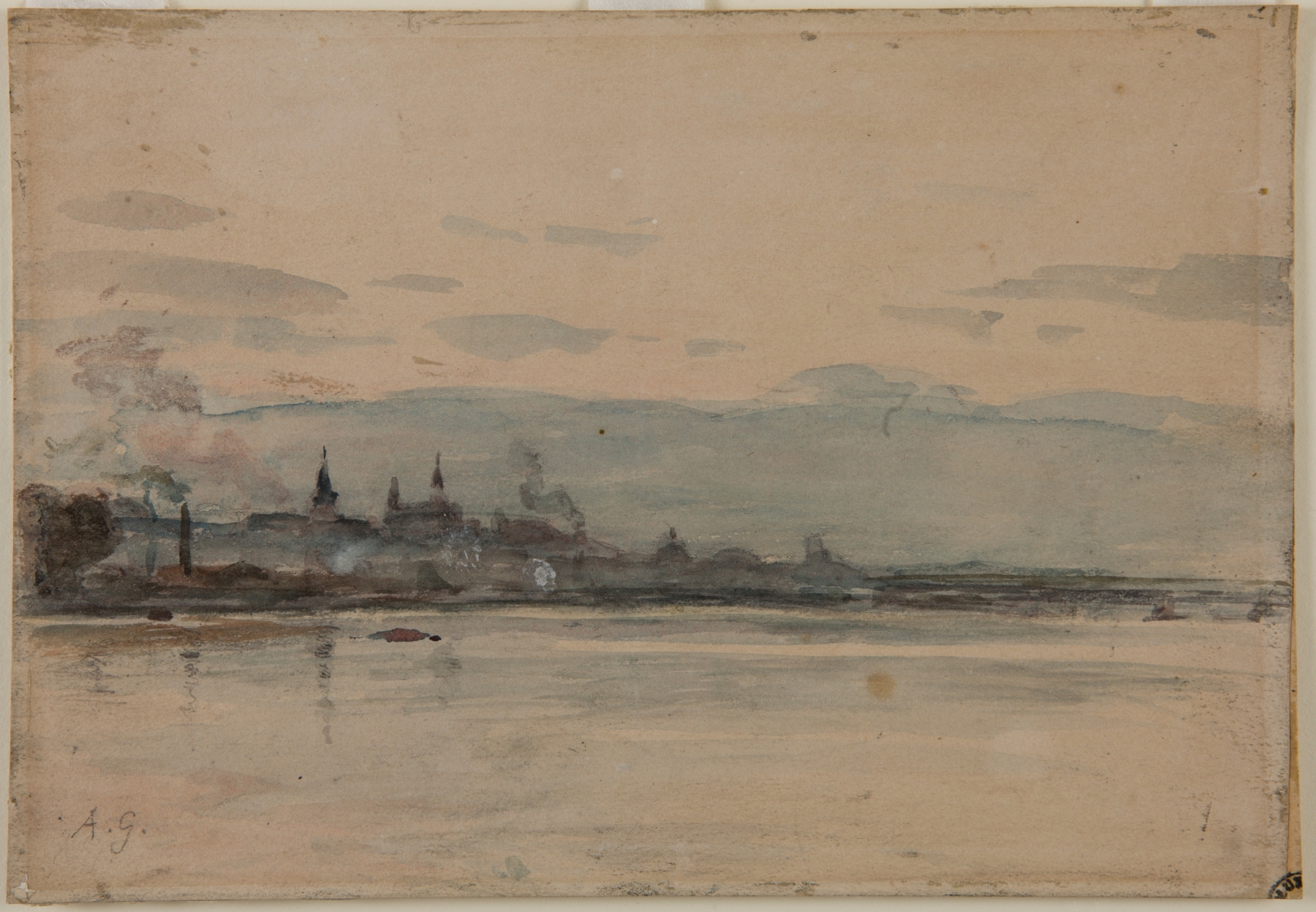
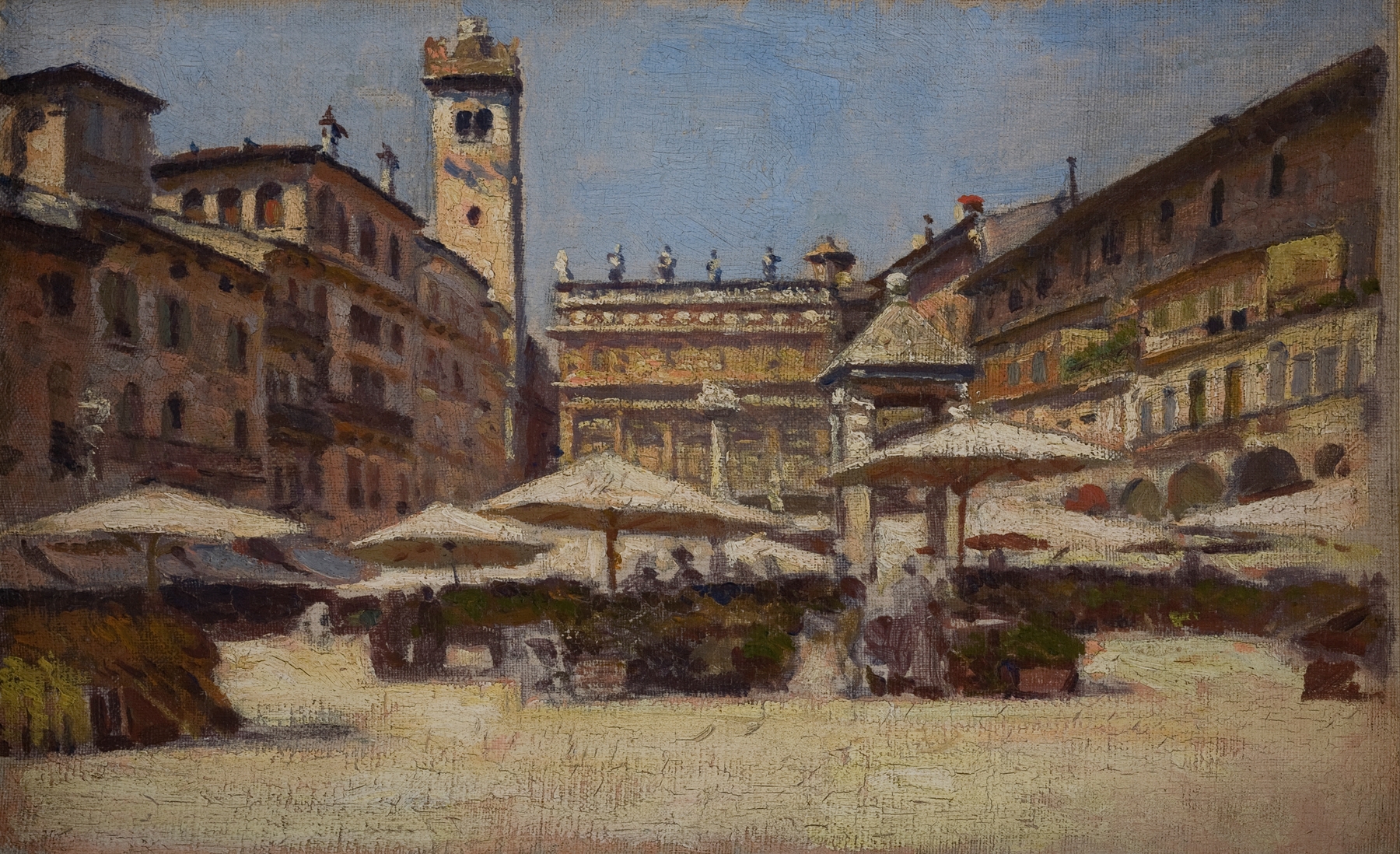
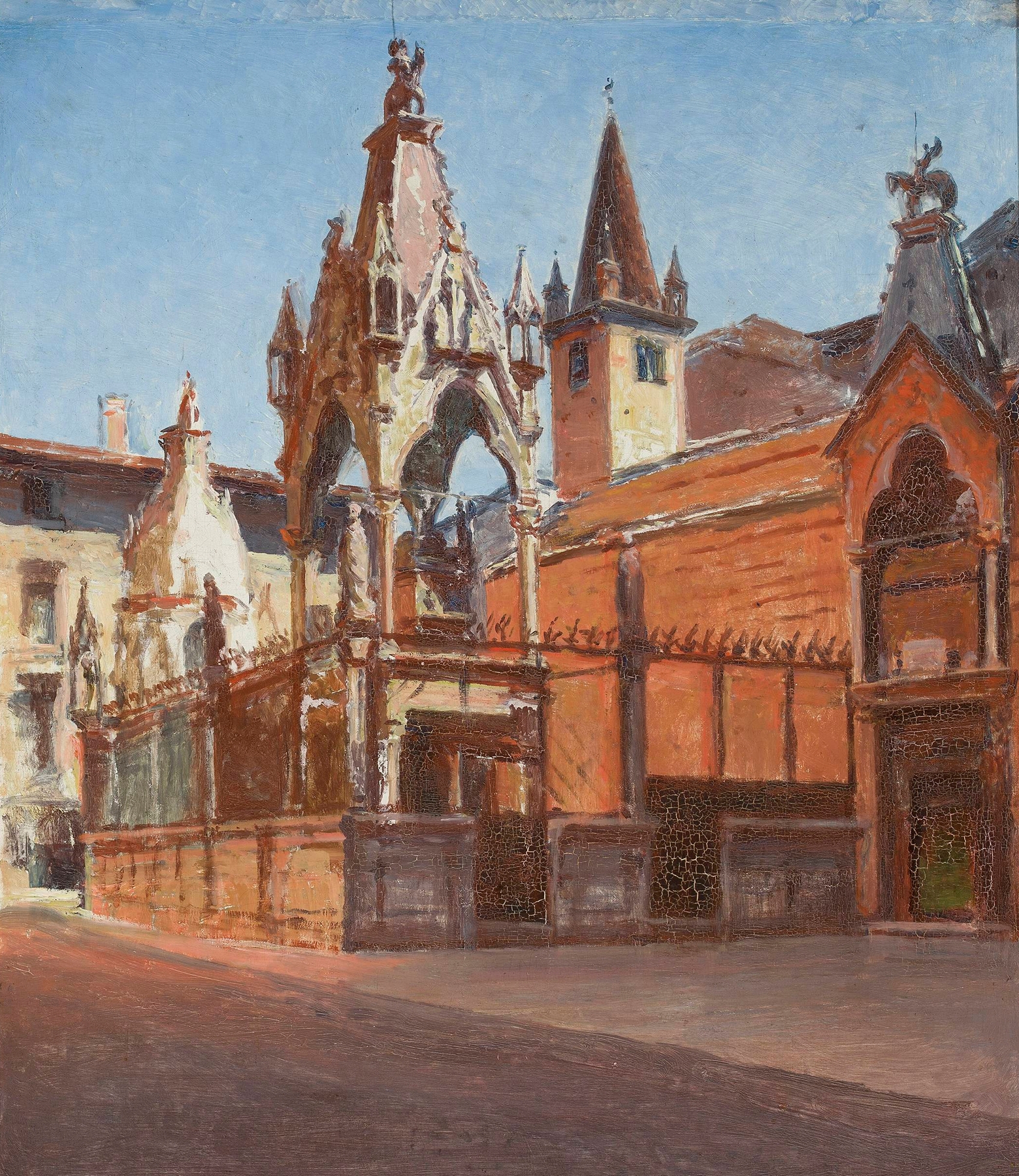
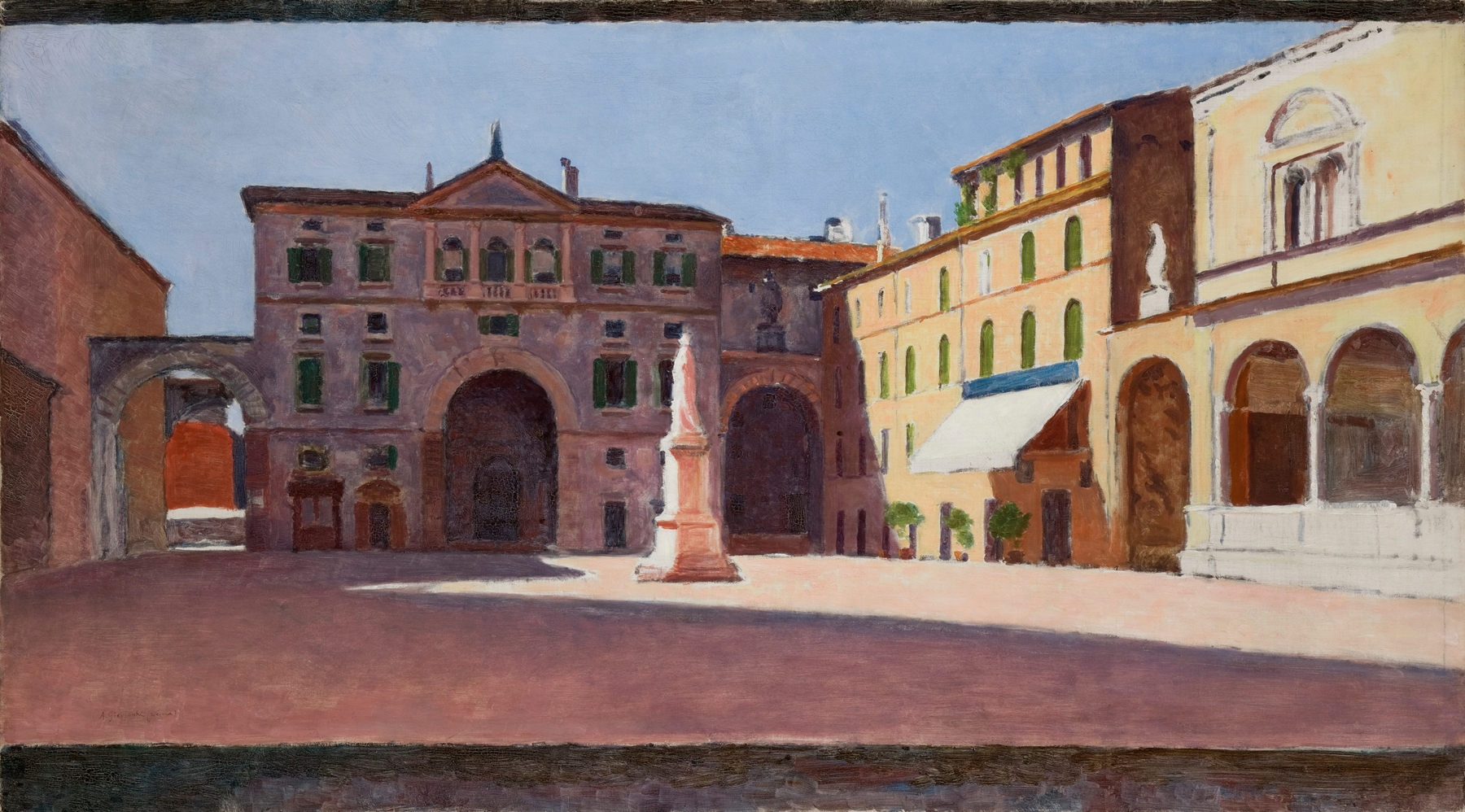
Could a single brushstroke hold eternity? In the vibrant strokes of Gierymski’s work, the passage of time unfolds, revealing the heart of revolutionary change within stillness. Look to the left, where the sweeping arch of the Scaliger Bridge commands attention, its stone façade bathed in warm sunlight. The muted shades of brown and gray contrast with the lively blues of the river below, drawing your gaze across the surface.
Notice how the light glimmers on the water's surface, creating a rhythmic dance that echoes the movement of life and progress. The vibrant brushwork conveys both texture and emotion, inviting viewers to feel the weight of history resting on the bridge as it connects past and present. In the quietude of the scene, a tension brews between the enduring structure and the fleeting moment captured, symbolizing the balance between tradition and change. The figures moving across the bridge, though small, resonate with a sense of purpose, hinting at the dynamic shifts that the turn of the century would bring to Verona.
Each element—a glistening river, weathered stones—whispers of stories untold, encouraging reflections on our own place in time. Gierymski painted this piece in 1900 while living in Italy, a period marked by profound shifts in society and art. The artist was immersed in the Post-Impressionist movement, which inspired him to explore new techniques and emotions in his work. As Europe faced the dawn of modernity, this canvas reflects both a geographical and existential bridge, capturing a moment poised on the brink of revolution.