The Vistula near Warsaw — History & Analysis
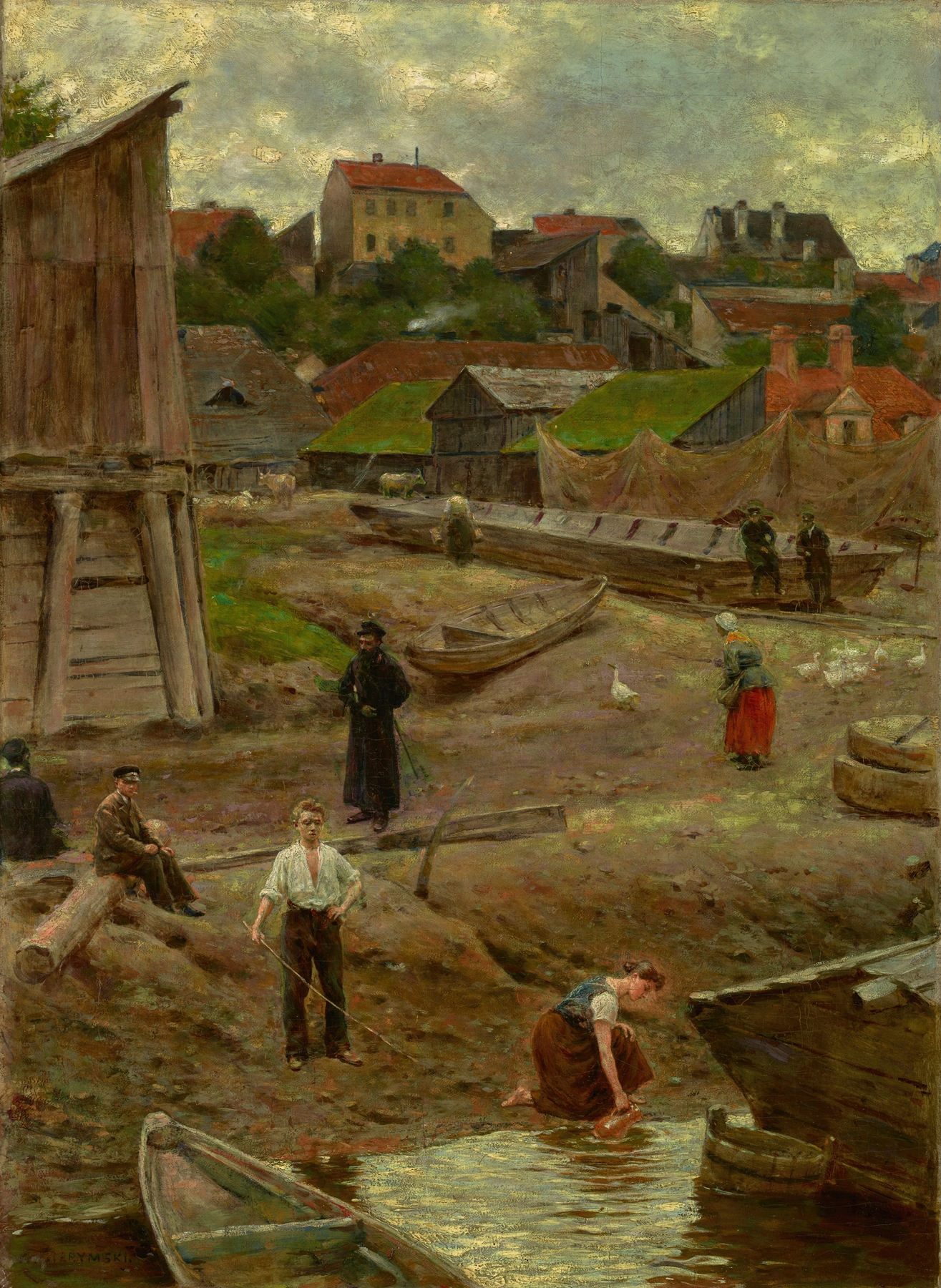
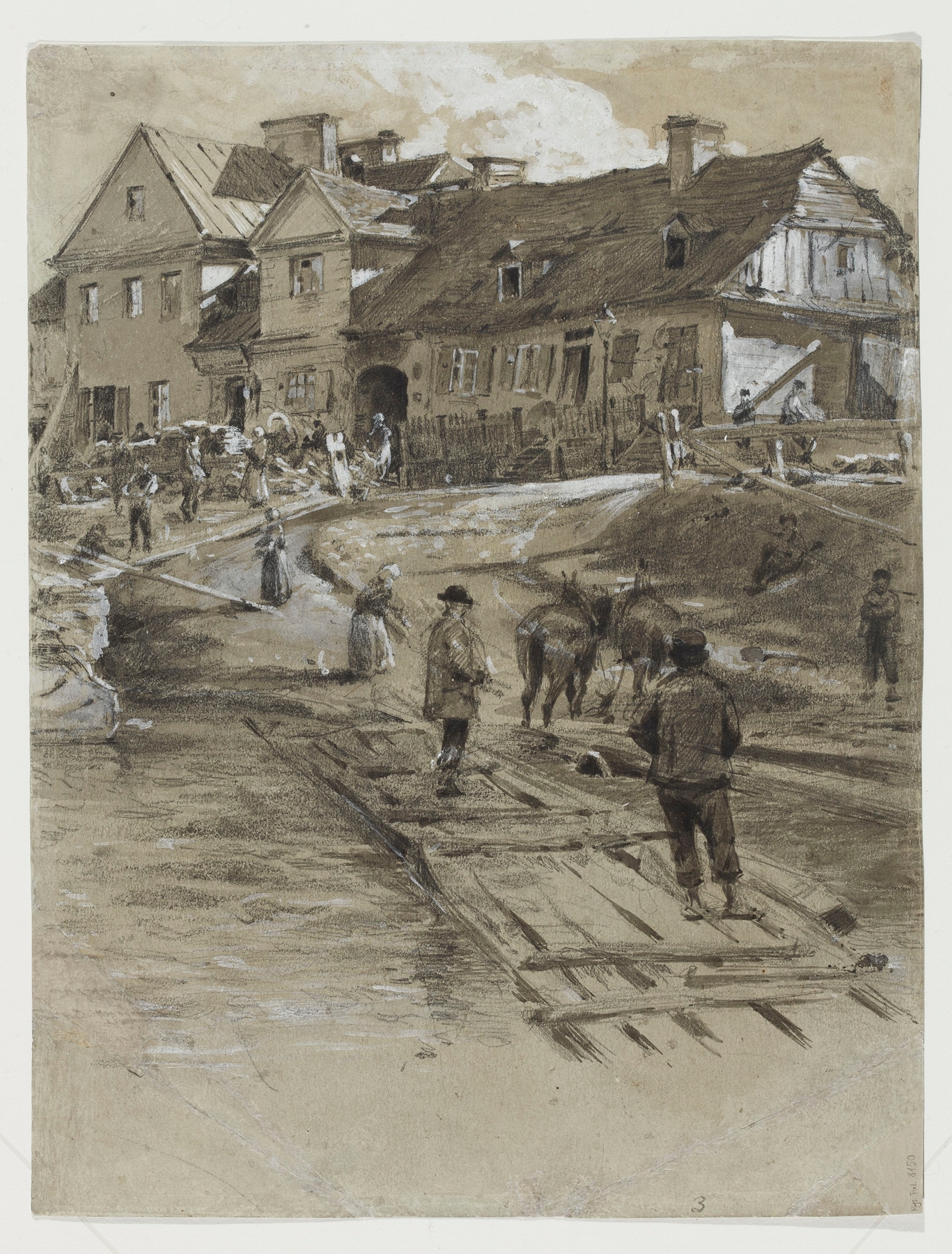
What if silence could speak through light? In The Vistula near Warsaw, an ethereal beauty unfolds as soft hues coalesce into a tranquil riverscape, inviting the viewer to pause and reflect. Look to the foreground, where the river meanders gently, its surface shimmering under the delicate embrace of the setting sun. The palette is a symphony of blues and greens, punctuated by golden strokes that capture the fleeting light. The brushwork is both fluid and precise, conjuring a sense of movement that contrasts with the tranquility of the scene.
Notice how the trees on the riverbanks lean slightly, as if whispering secrets to the water, while the sky unfurls in gradients of pink and violet that mirror the emotional depth of the moment. This painting transcends mere representation; it evokes a sense of longing and nostalgia. The stillness of the landscape hints at the passage of time, reminding us of the beauty in fleeting moments. There is an interplay between light and shadow, suggesting the dualities of presence and absence, joy and melancholy.
Every brushstroke seems to resonate with a quiet, almost palpable tension, inviting the observer to contemplate their own memories and emotions. Aleksander Gierymski painted this work between 1880 and 1883, during a time when he was influenced by the Impressionist movement yet sought to forge his own path in the realm of realism. Living in Paris, he was immersed in a vibrant community of artists, while simultaneously grappling with the political landscape of Poland. This tension between personal and national identity informed his art, and The Vistula near Warsaw stands as a testament to his unique vision and emotional depth during this pivotal period.