Interior of St. Peter’s, Rome — History & Analysis
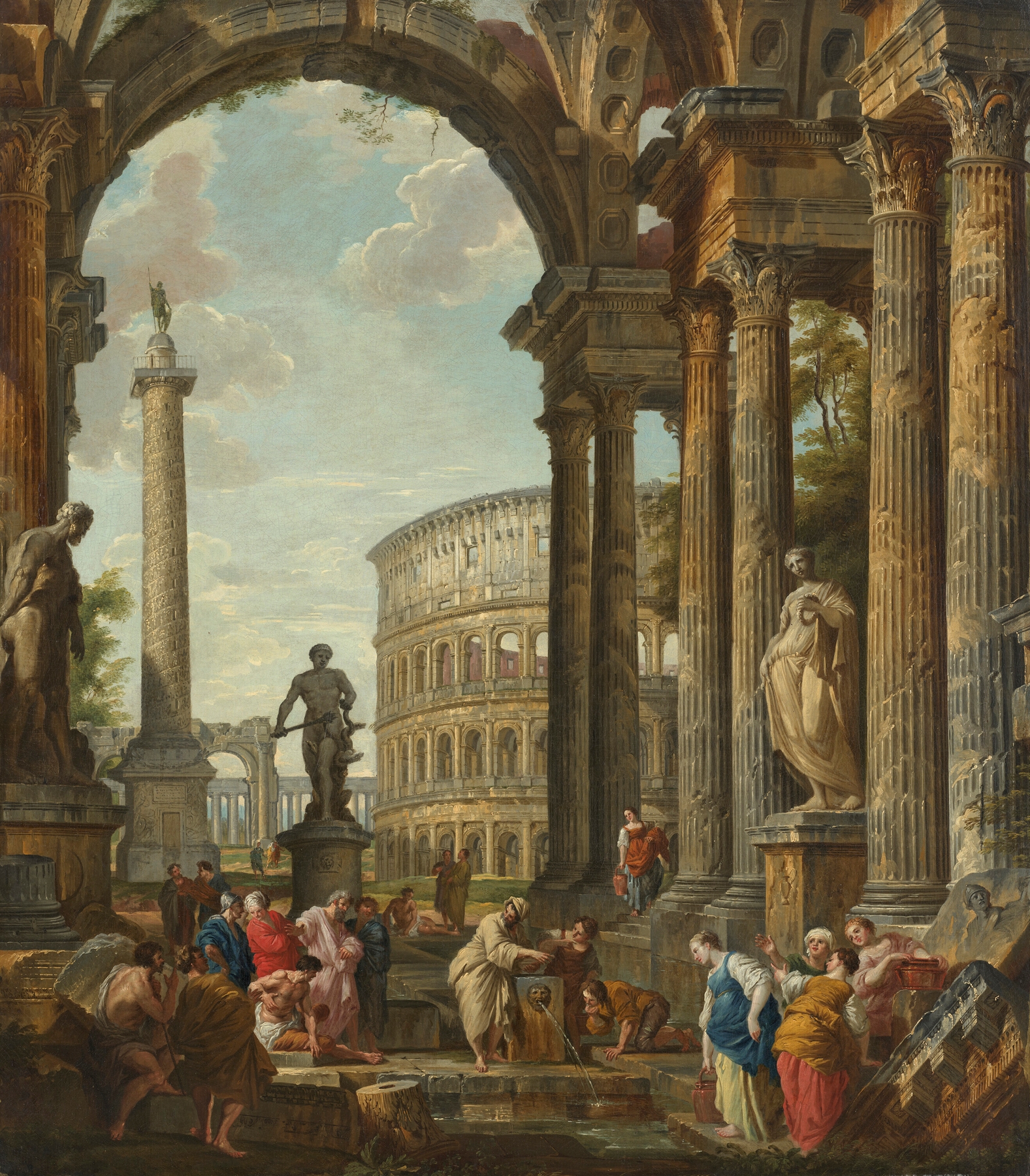
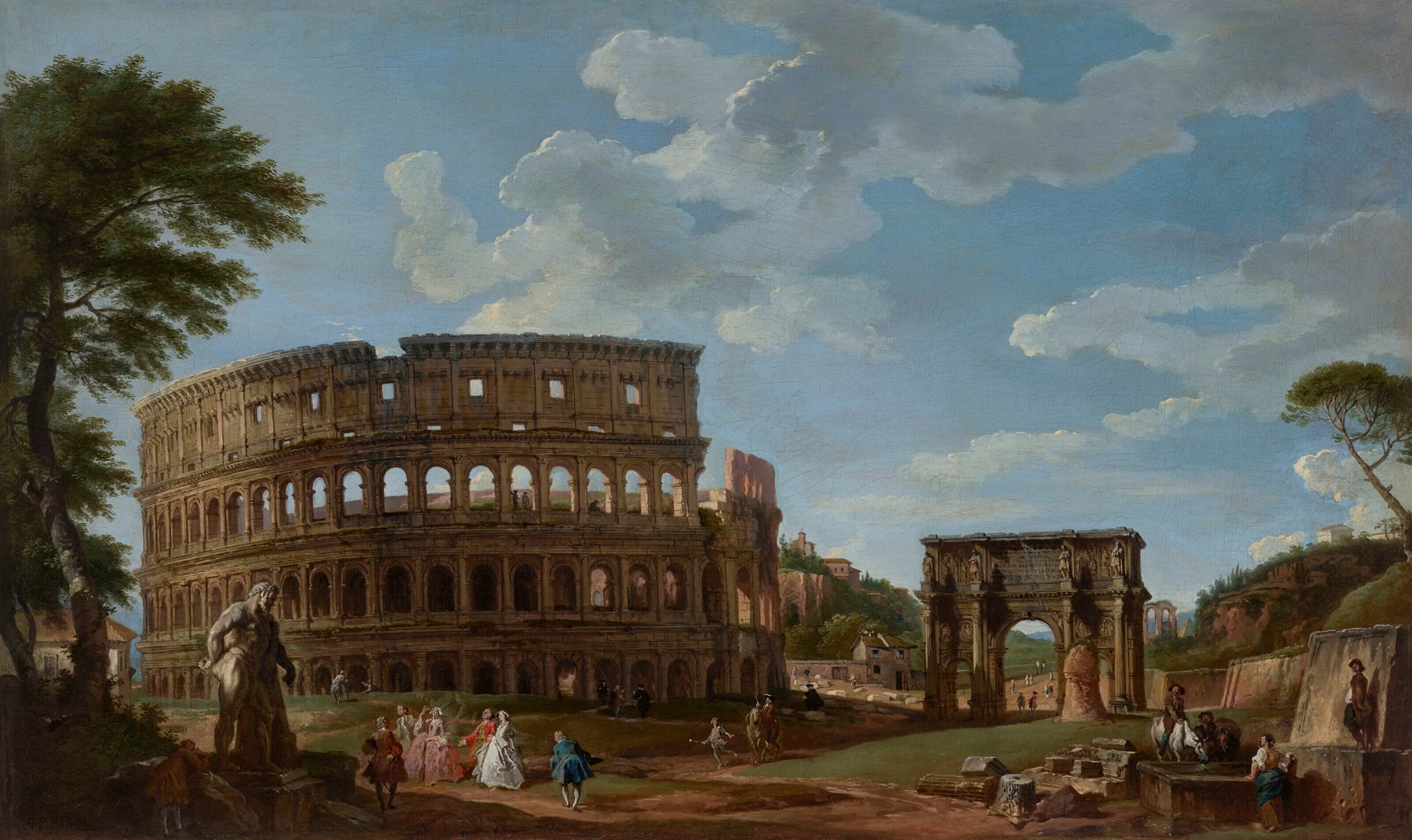
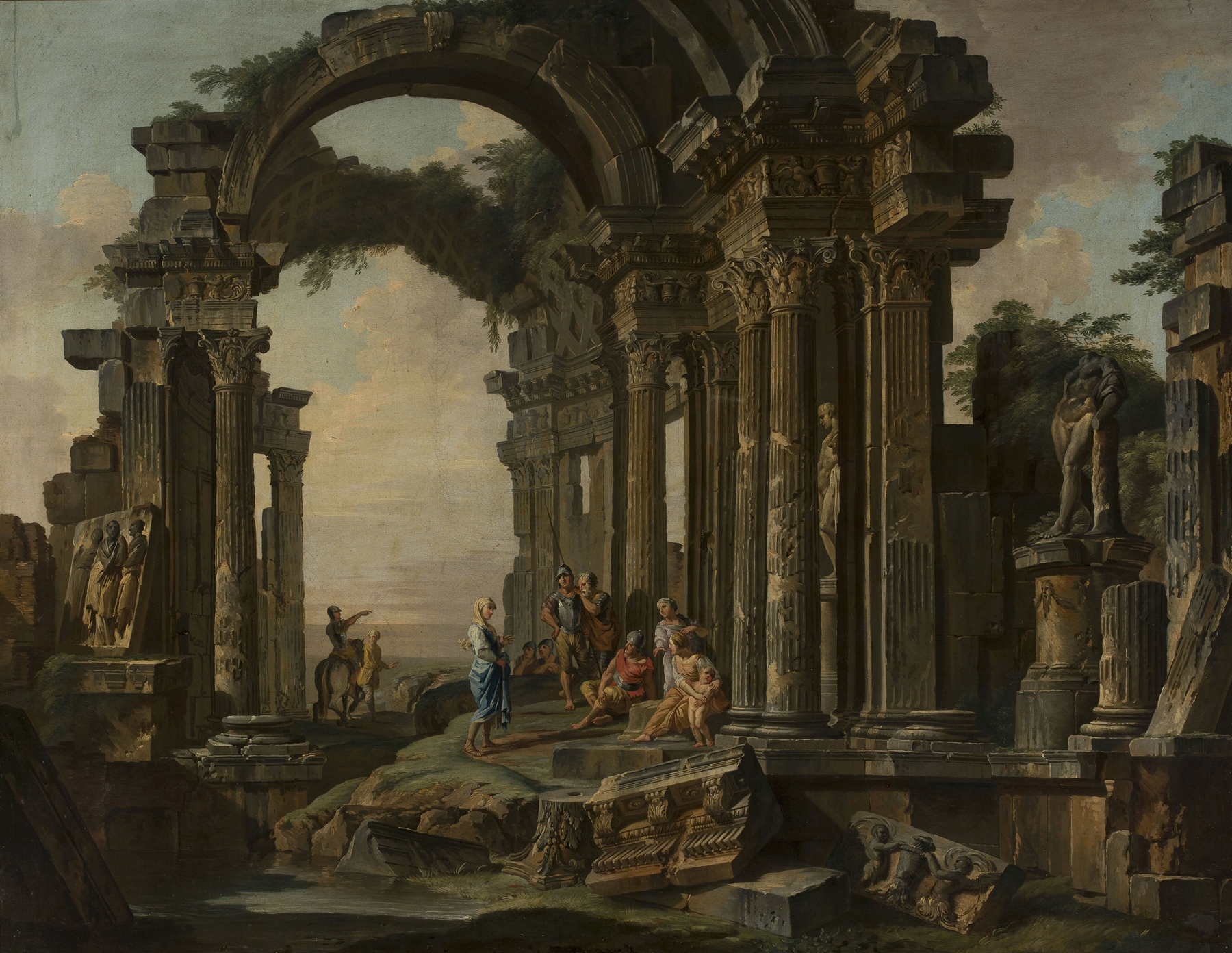
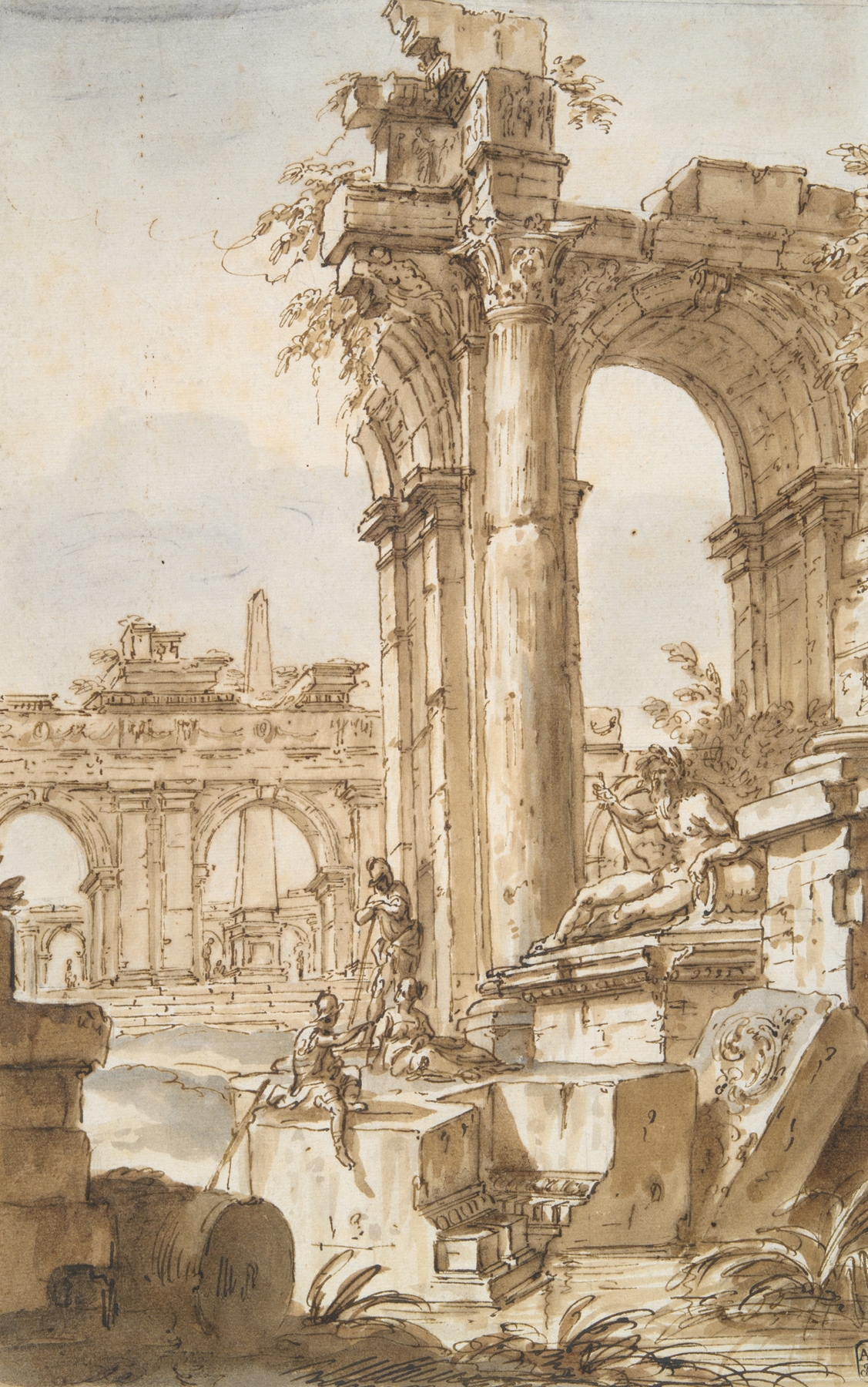
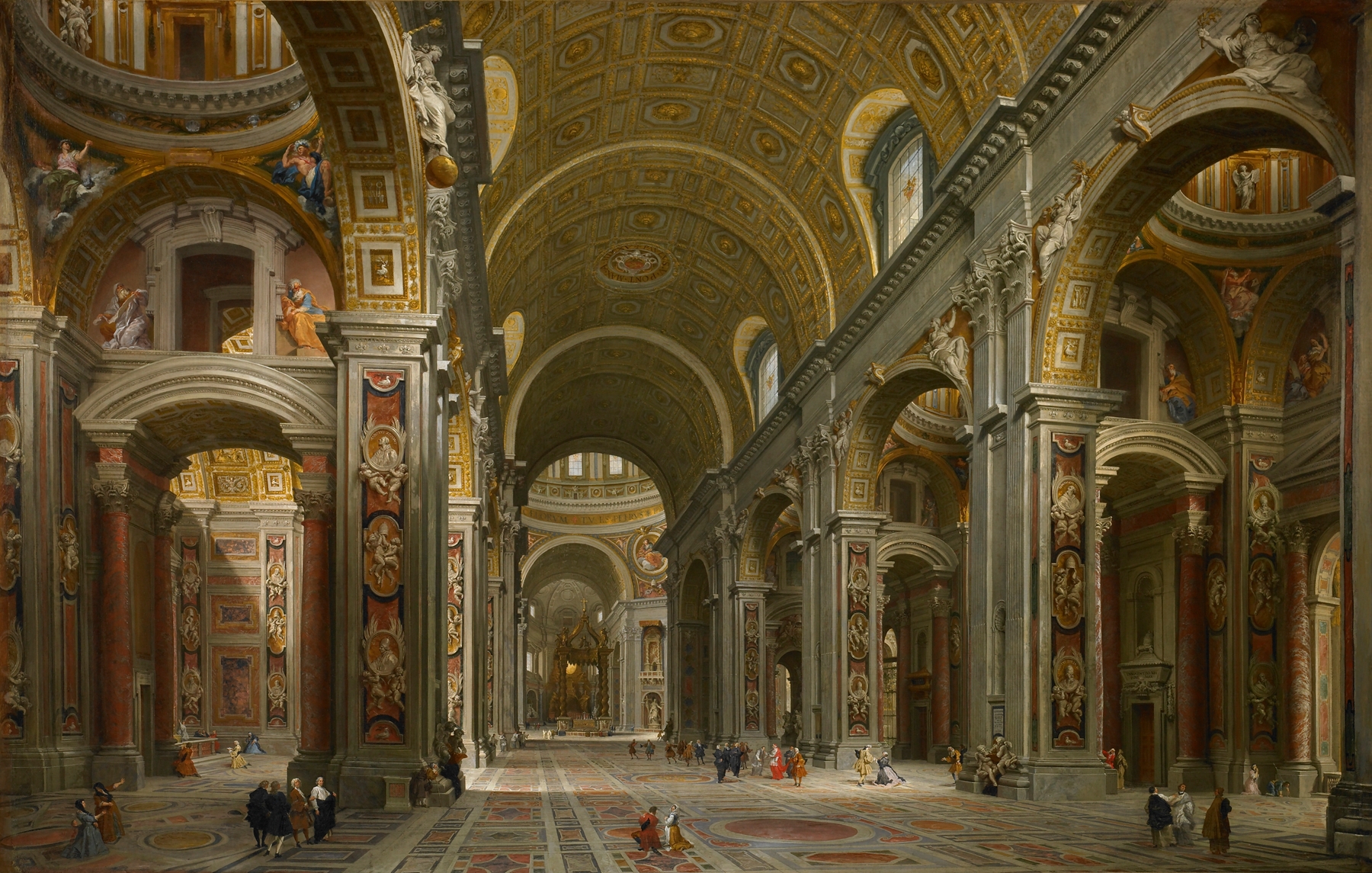
Art reveals the soul when the world turns away. Within the grand spaces of an interior, the echoes of history and the brush of mortality converge, inviting contemplation of the ephemeral nature of life. Look to the center at the imposing dome, where light streams through the open oculi, illuminating the sacred space and infusing the scene with a divine glow. Notice how the rich, warm hues of gold and ochre envelop the marble columns, creating a dialogue between the earthly and the celestial.
The meticulous attention to architectural detail draws your gaze, while the varied scale of figures populating the scene underscores a sense of reverence within this majestic structure. Amidst the grandeur, there are whispers of fragility. The small figures, engrossed in their devotions, remind us of our fleeting existence against the backdrop of eternal architecture. The contrast between the solid, unyielding stone and the delicate brushstrokes capturing human emotion speaks to the tension between permanence and mortality.
Each gaze and gesture reflects the quiet struggles of faith, hope, and the inevitable passage of time. In 1731, as Panini painted this work, he was at the forefront of the Italian Baroque scene in Rome, where the interplay of art and architecture flourished. His depictions of grand interiors captured the imagination of a society grappling with both the monumental and the momentary. This period, marked by a burgeoning interest in perspective and realism, allowed him to explore profound themes, ultimately immortalizing the transient experience of human life within the walls of eternal structures.