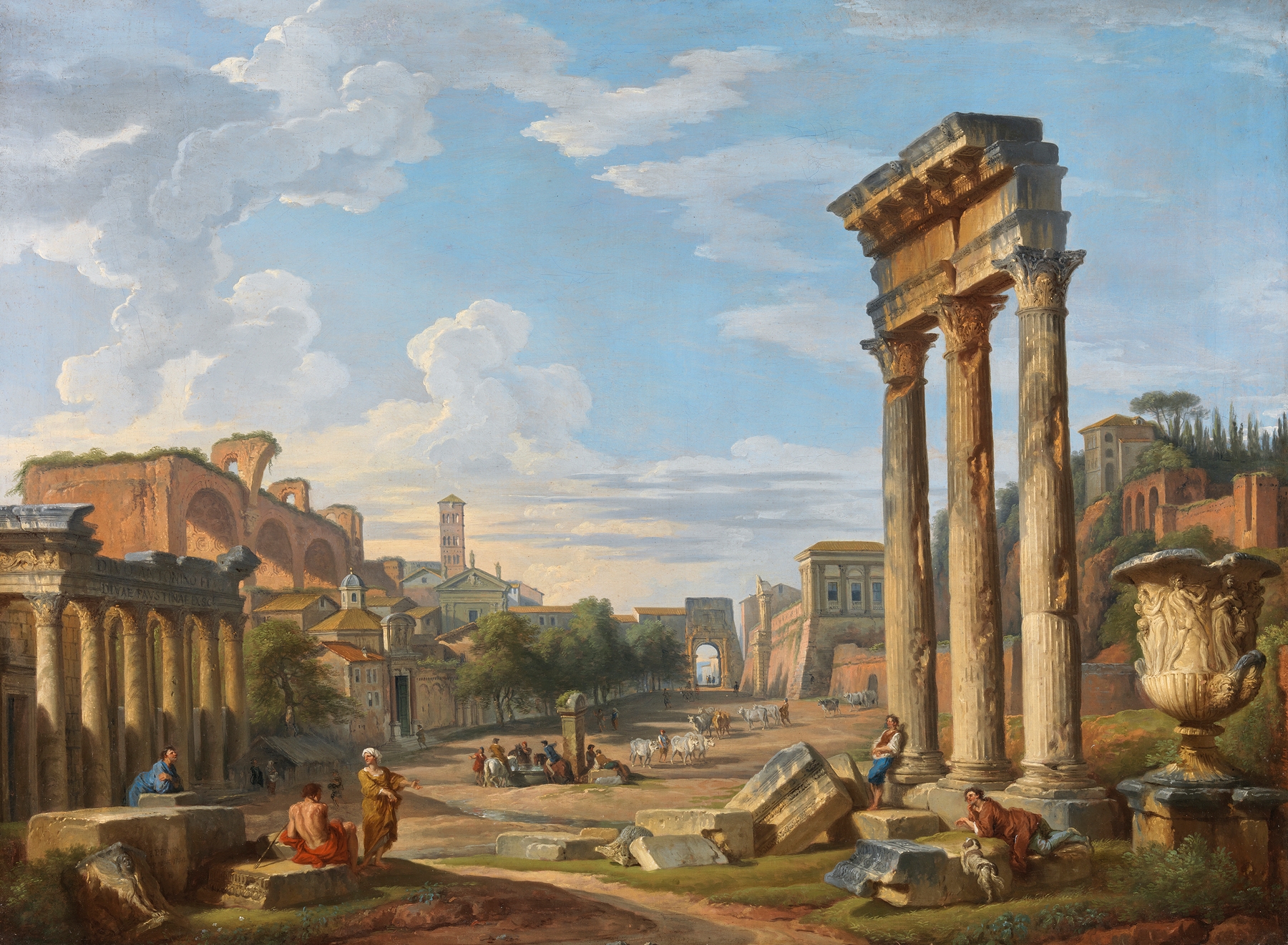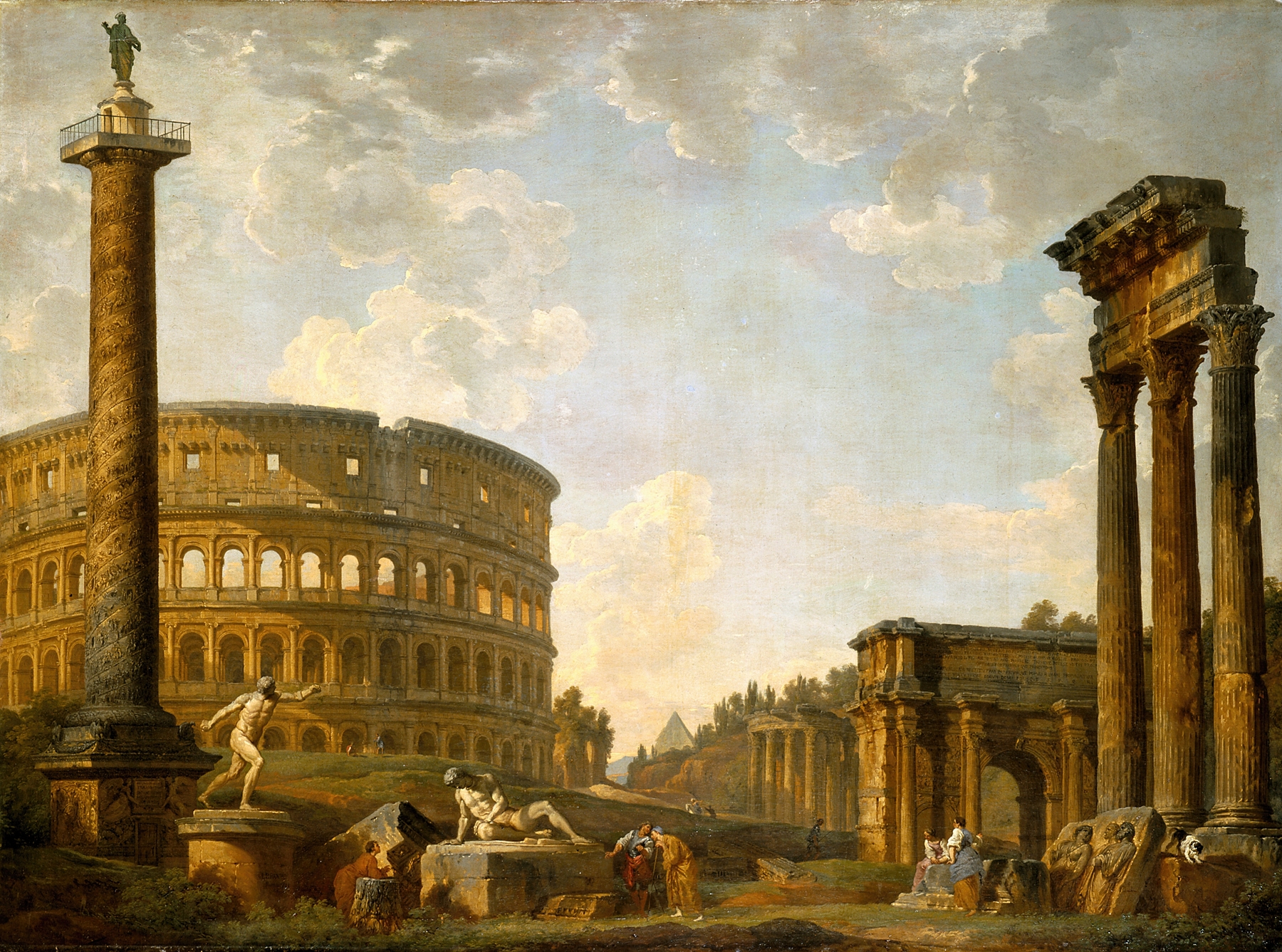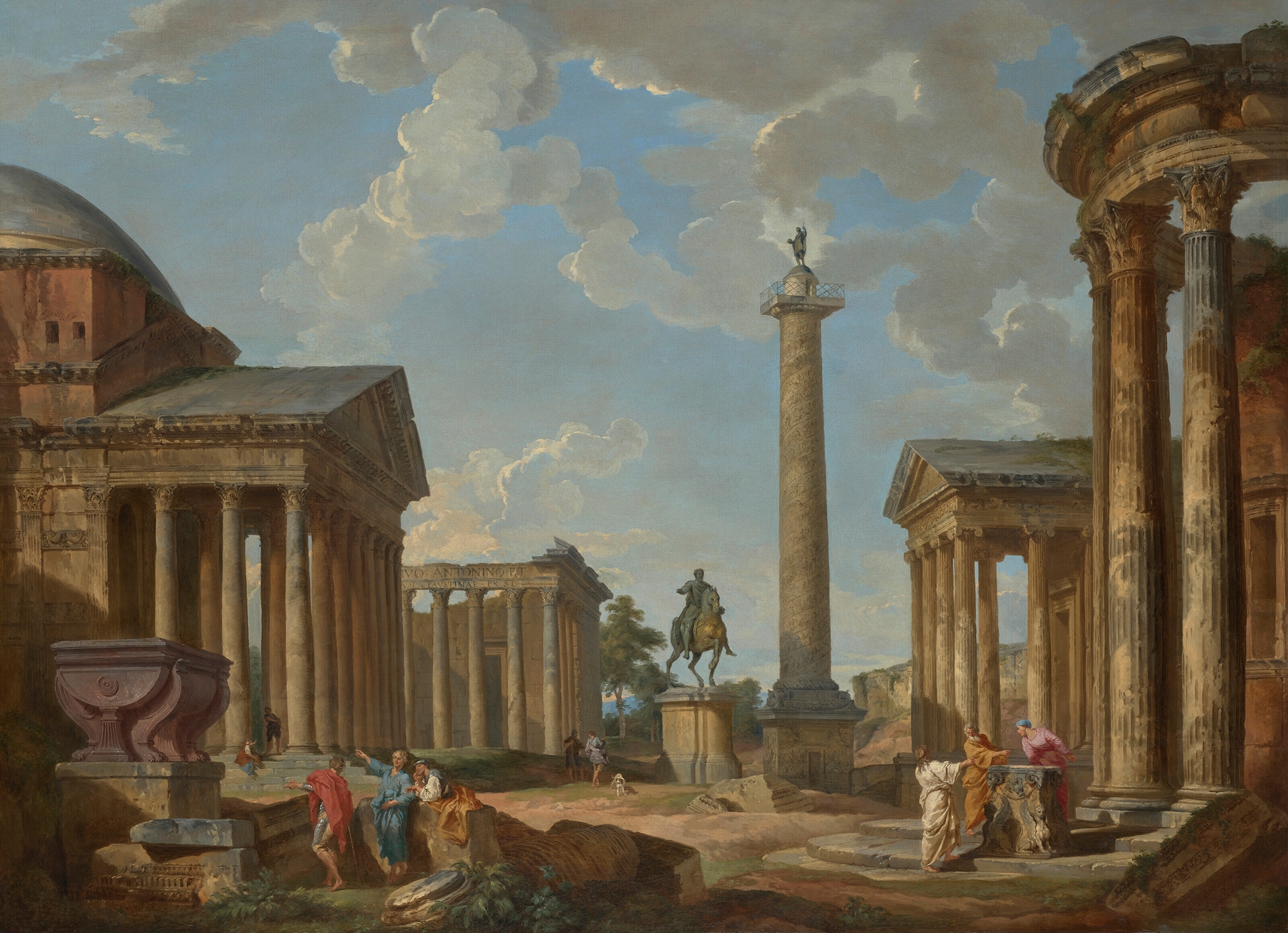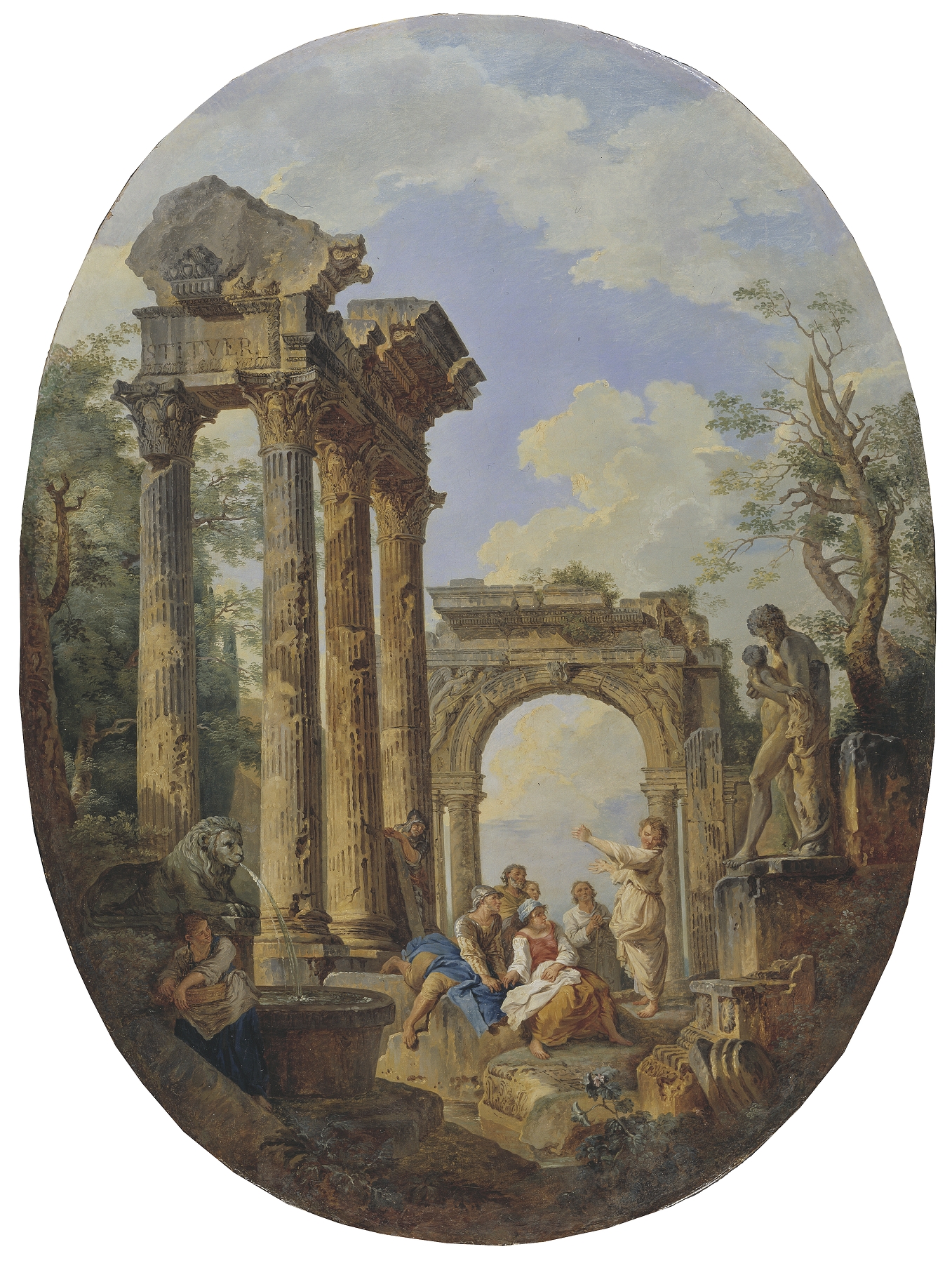
Interior Of The Pantheon, Rome — History & Analysis
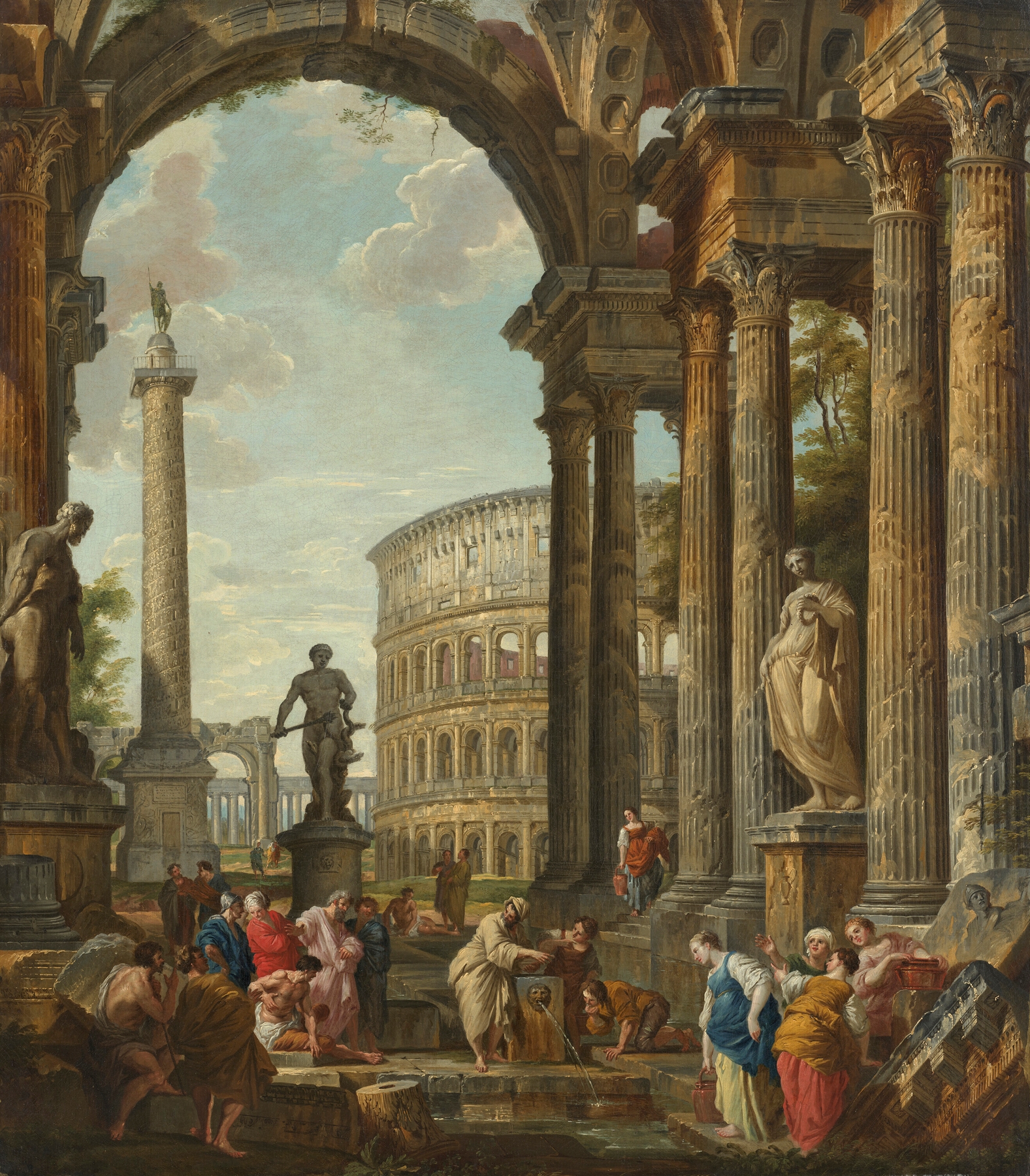
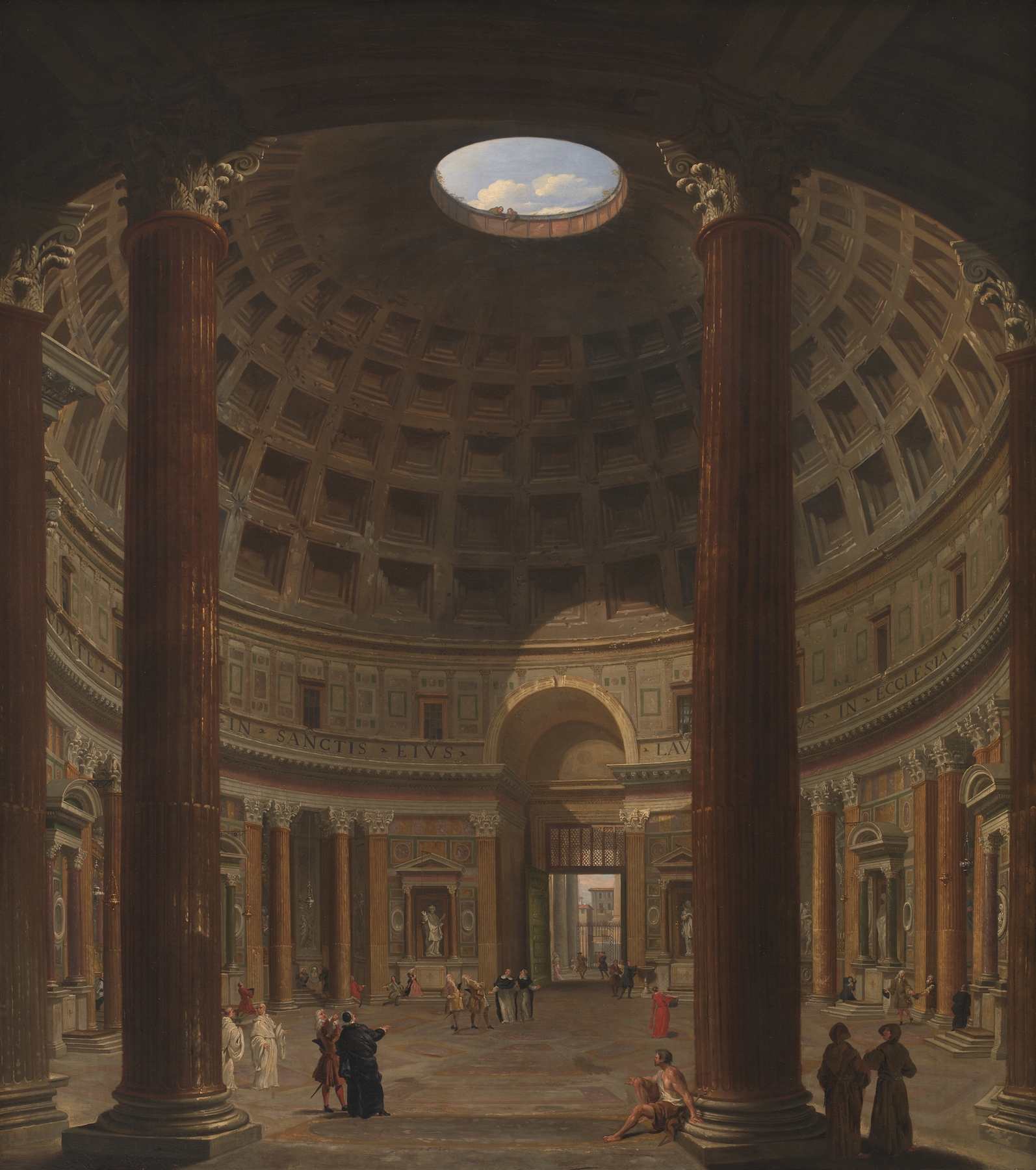
“Every silence here is a confession.” Within the grand embrace of the Pantheon, a monumental stillness speaks volumes. The soaring architecture, a testament to human ingenuity, inspires a reverent awe that transcends the passage of time. Look closely at the intricate details of the ceiling, where light spills through the oculus, casting a divine glow on the marble floors below. The harmonious interplay of light and shadow accentuates the architectural grandeur, drawing your eye across the vast expanse of the dome.
Notice how the carefully arranged columns stand as sentinels, framing the space with their stoic elegance, while the vibrant colors of frescoes whisper stories of the past. Delve deeper into the composition, where each element pays homage to the transition between the earthly and the celestial. The contrast between the cool stone and the warm light invites contemplation, evoking a sense of connection to both the divine and the mundane. The juxtaposition of ancient and contemporary viewers creating a dialogue across centuries, revealing the timelessness of reverence and awe.
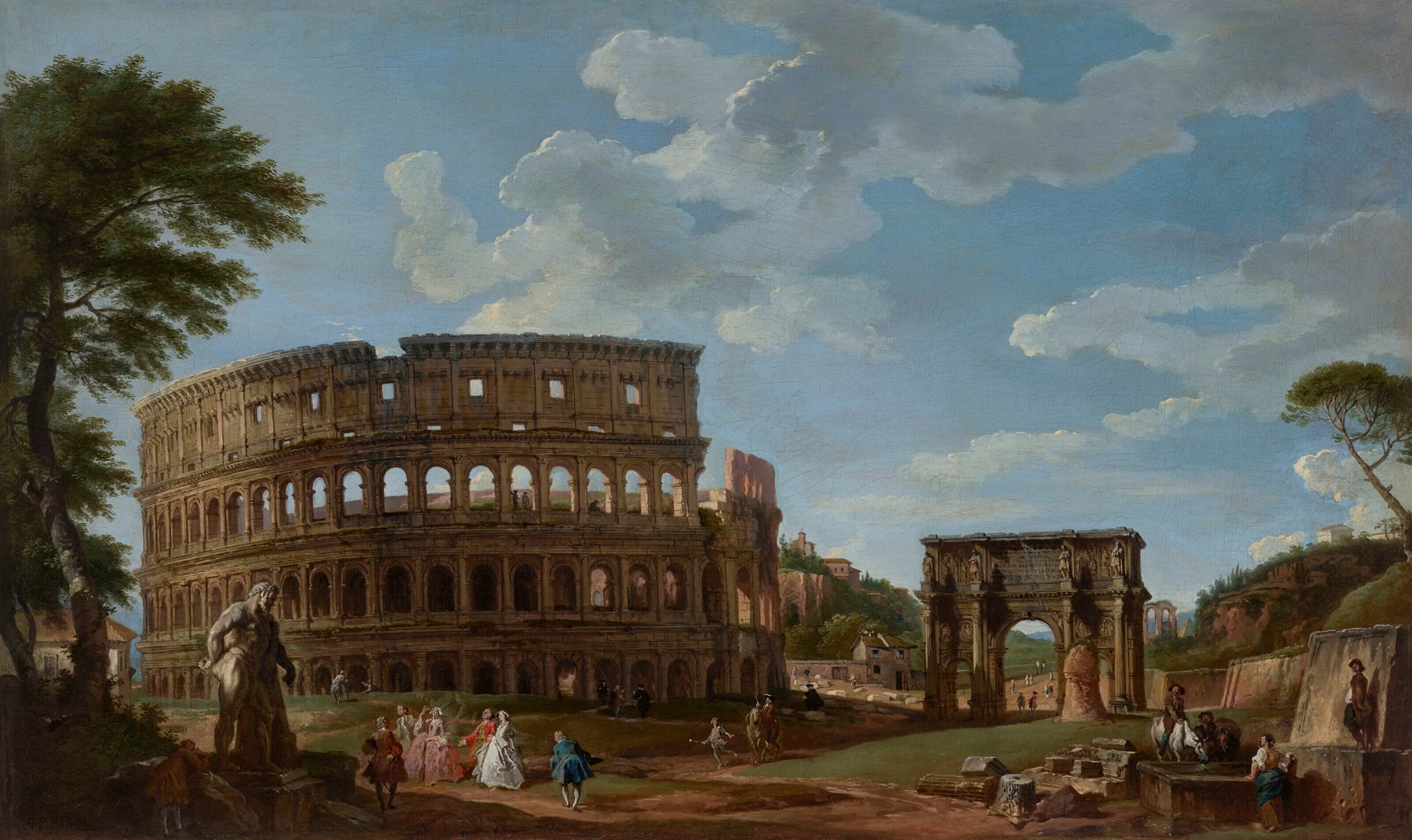
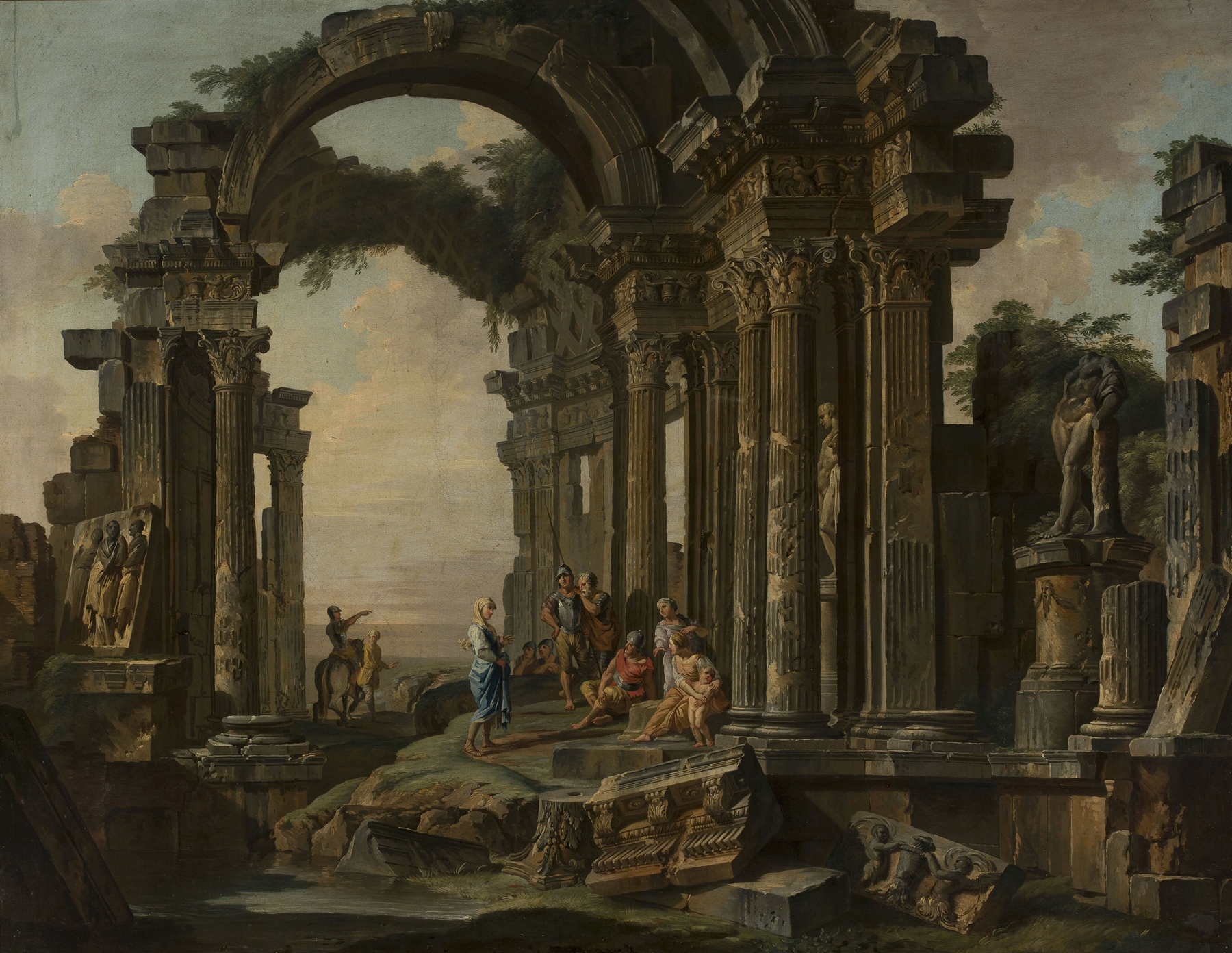
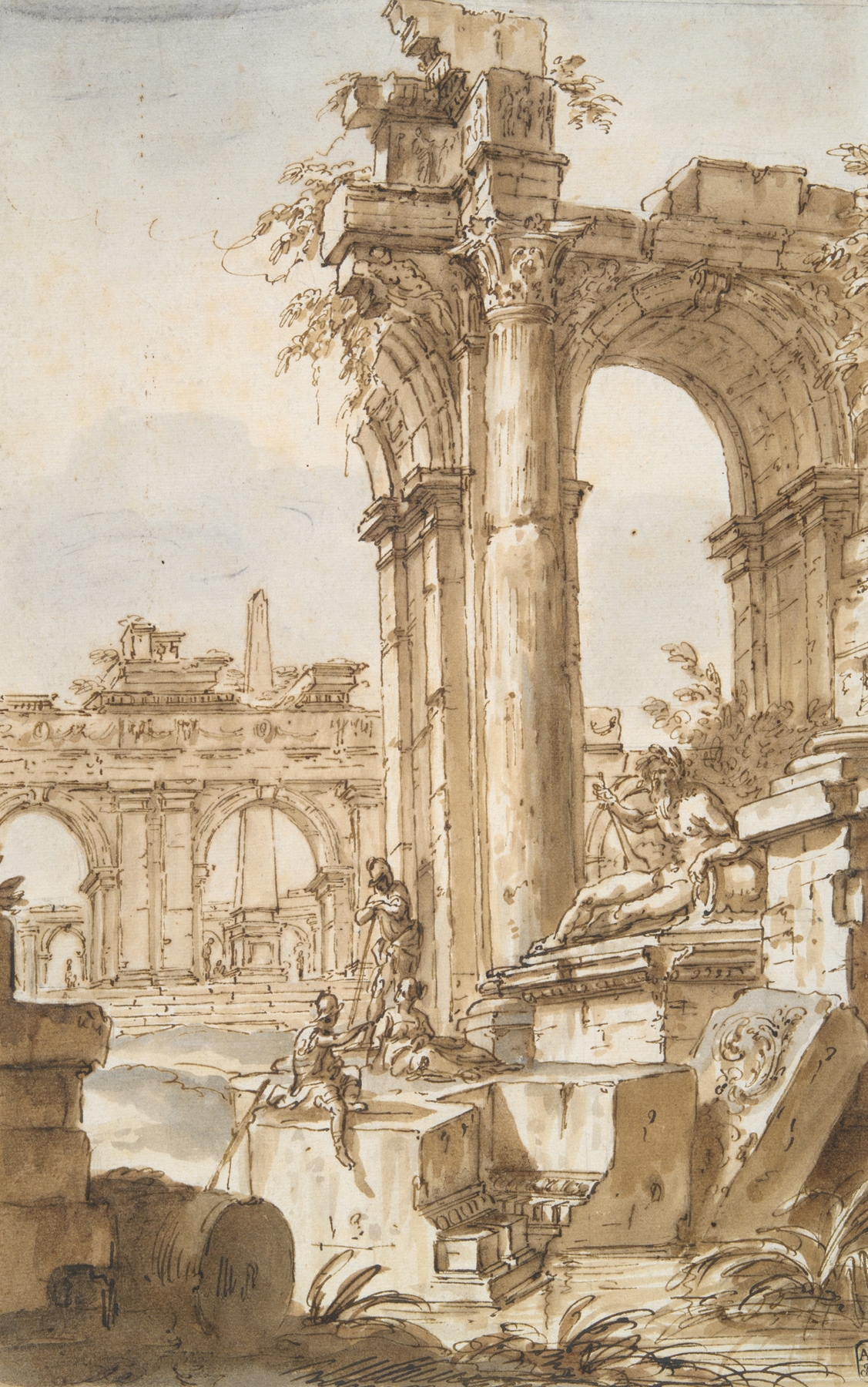
Giovanni Paolo Panini painted this work between 1706 and 1765, a period where neoclassicism began to flourish alongside the Baroque. Positioned in Rome, Panini was immersed in a vibrant art scene, influenced by the resurgence of classical ideals. His meticulous attention to detail and ability to capture the spirit of monumental architecture reflect not only his artistic prowess but also the cultural aspirations of his time.