Christus verdrijft de geldwisselaars uit de tempel — History & Analysis
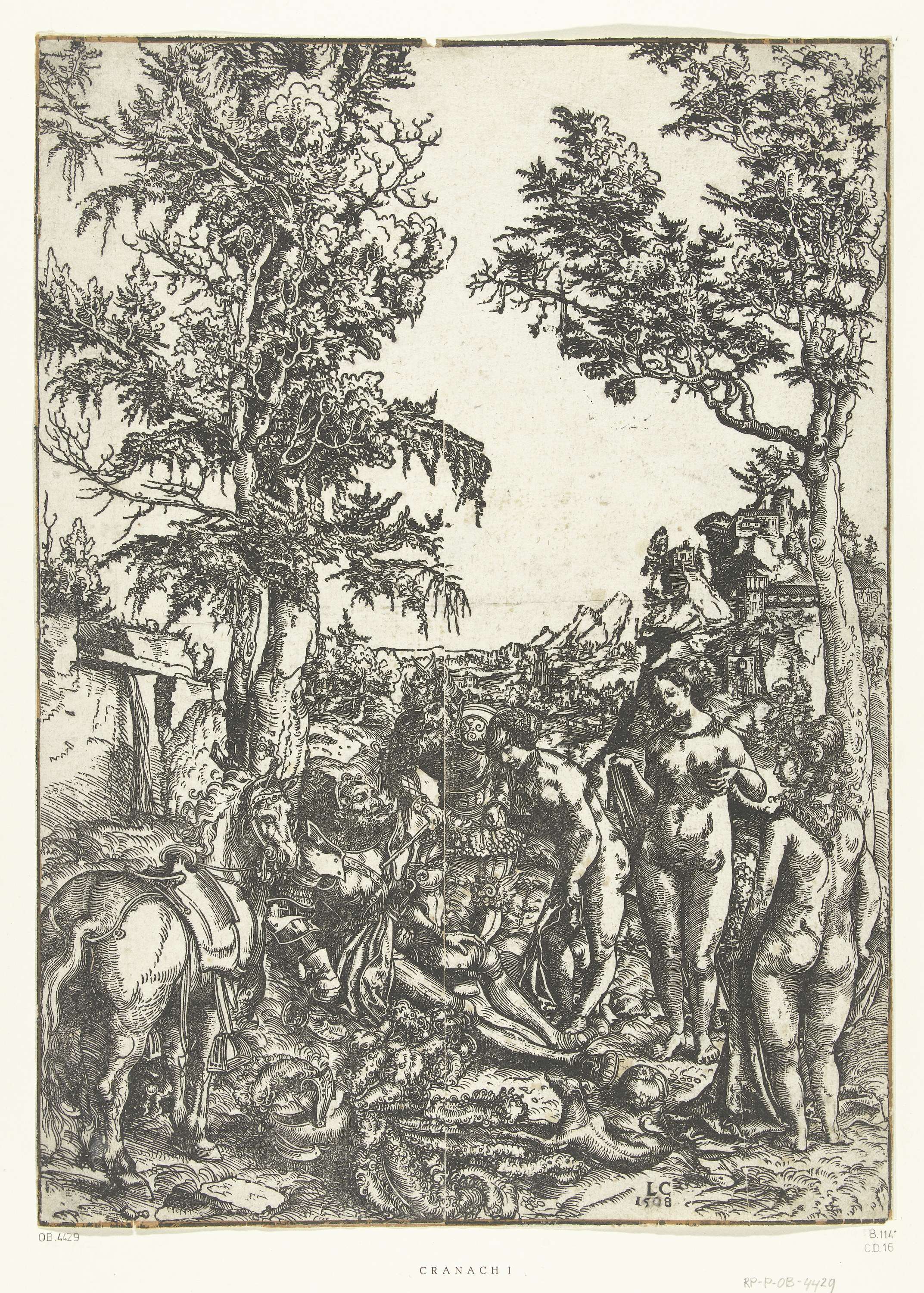
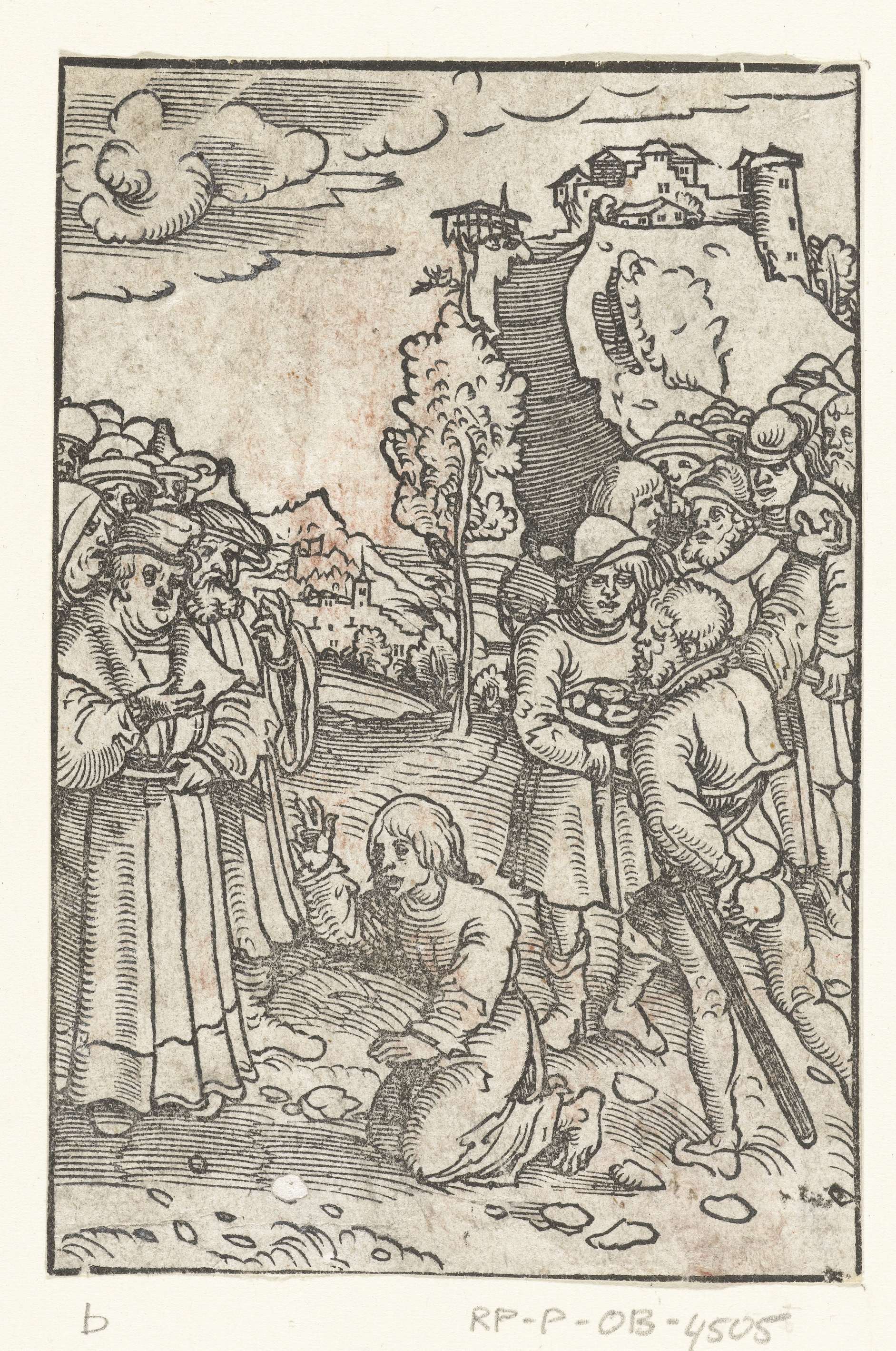
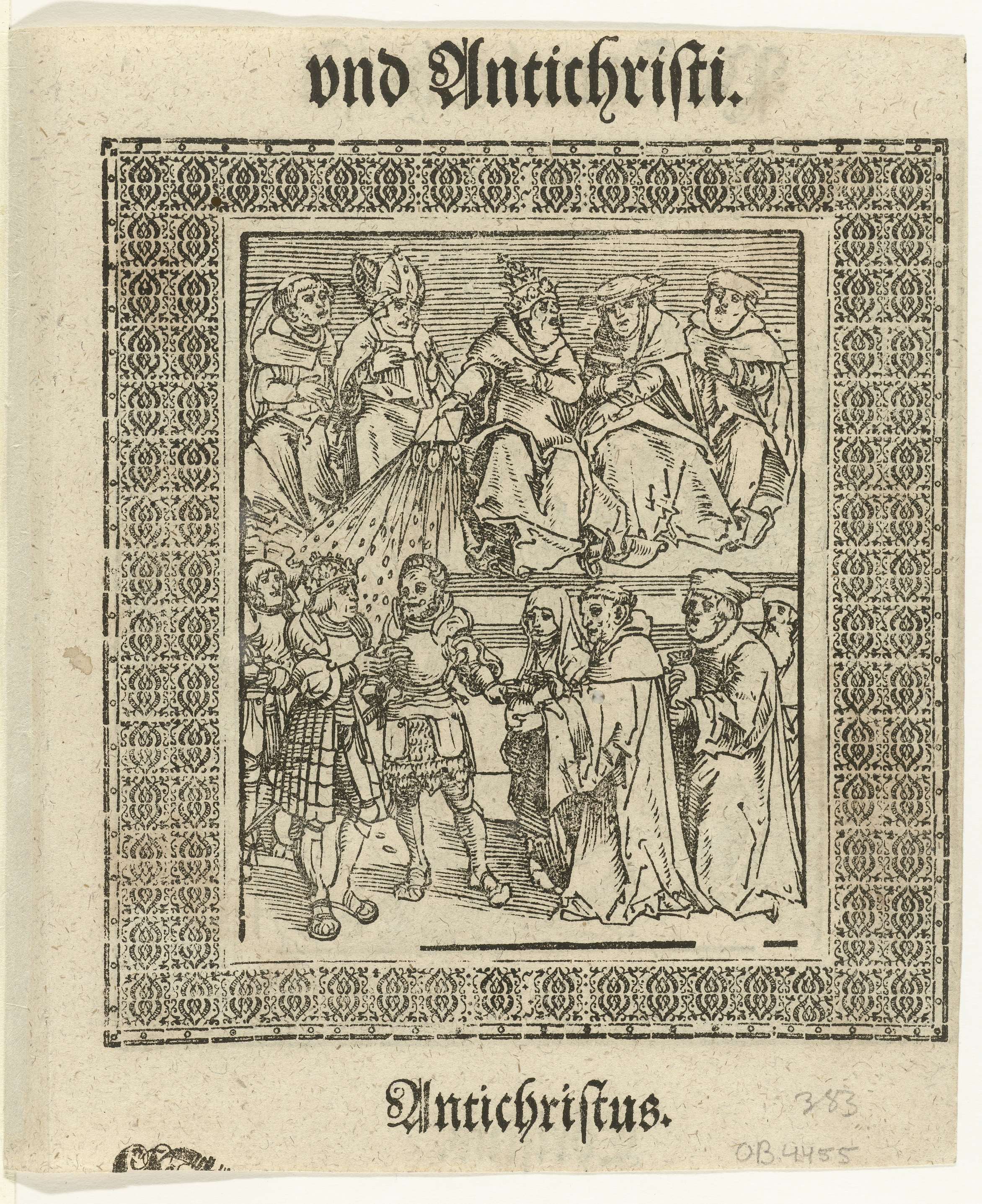
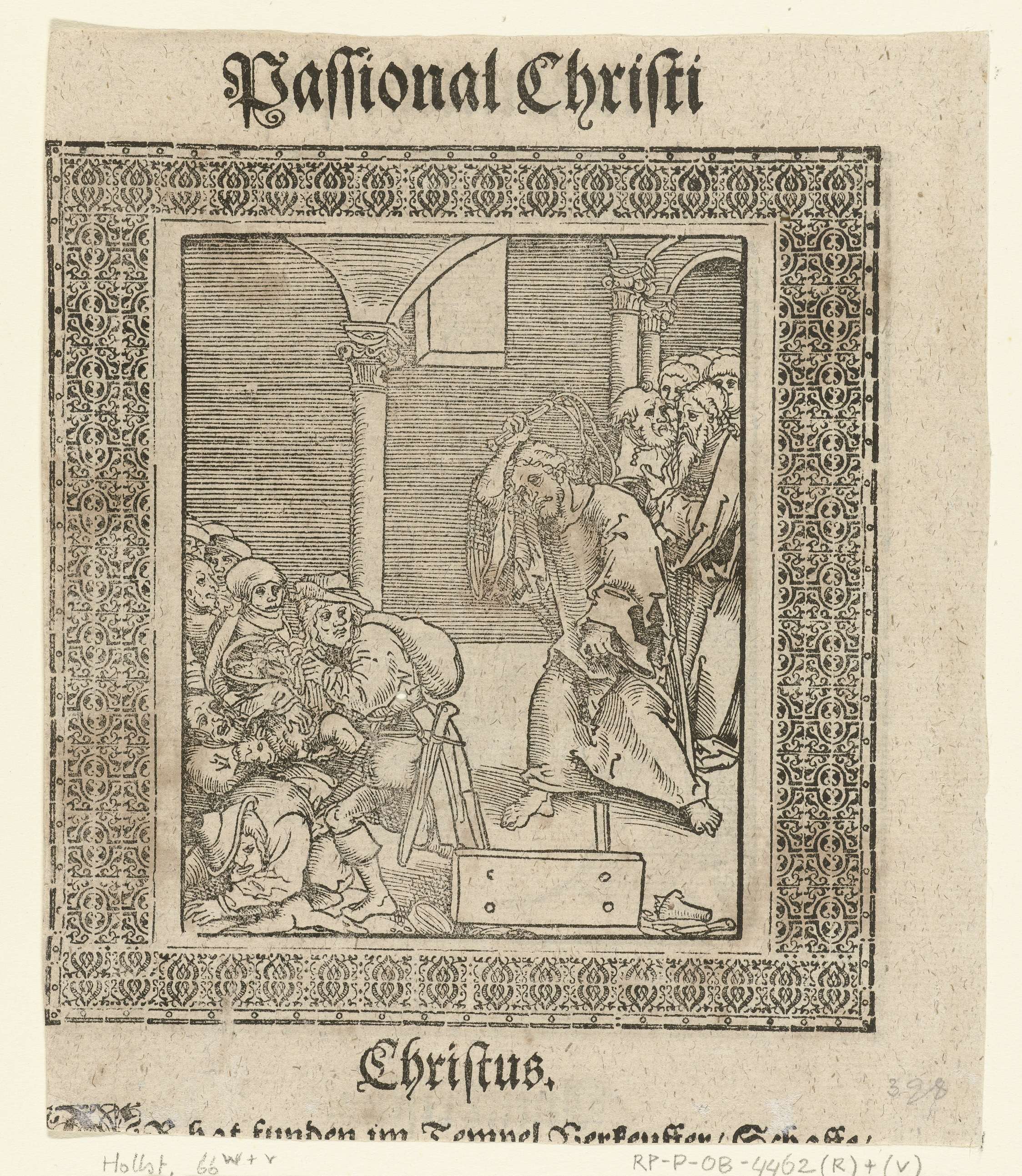
“Every brushstroke is a heartbeat remembered.” The echoes of truth resonate through the ages, calling into question the notions of morality and integrity in a world fraught with corruption. Look to the left, where the vibrant hues of gold and crimson catch your eye, radiating the fervor of a sacred space turned chaotic. Notice how the central figure stands resolute, wielding authority with outstretched hands. The fine details of his garments, adorned with rich textures, juxtapose starkly against the scattered coins and dismayed faces that stretch across the canvas.
The play of light casts strong shadows, creating a palpable tension that envelops the viewer in this moment of divine reckoning. In the foreground, the expressions of the onlookers reveal a spectrum of emotions—fear, guilt, anger—each face a mirror reflecting the turmoil of the soul. The contrast between the vibrant figures and the muted background suggests a world divided between the sacred and the profane. The act of expulsion, framed by the temple's architecture, symbolizes not just the removal of moneychangers but the broader struggle for spiritual purity amidst worldly greed.
Cranach painted this work between 1521 and 1522, during a time of significant religious upheaval in Europe, marked by the Reformation. As a close associate of Martin Luther, he was deeply engaged in the debates surrounding faith and morality. This painting not only aligns with the ethos of the Reformation but also captures the tension between personal conviction and societal corruption, reflecting the artist's commitment to the truth and the moral dilemmas of his time.