Ipswich from the Grounds of Christchurch Mansion — History & Analysis
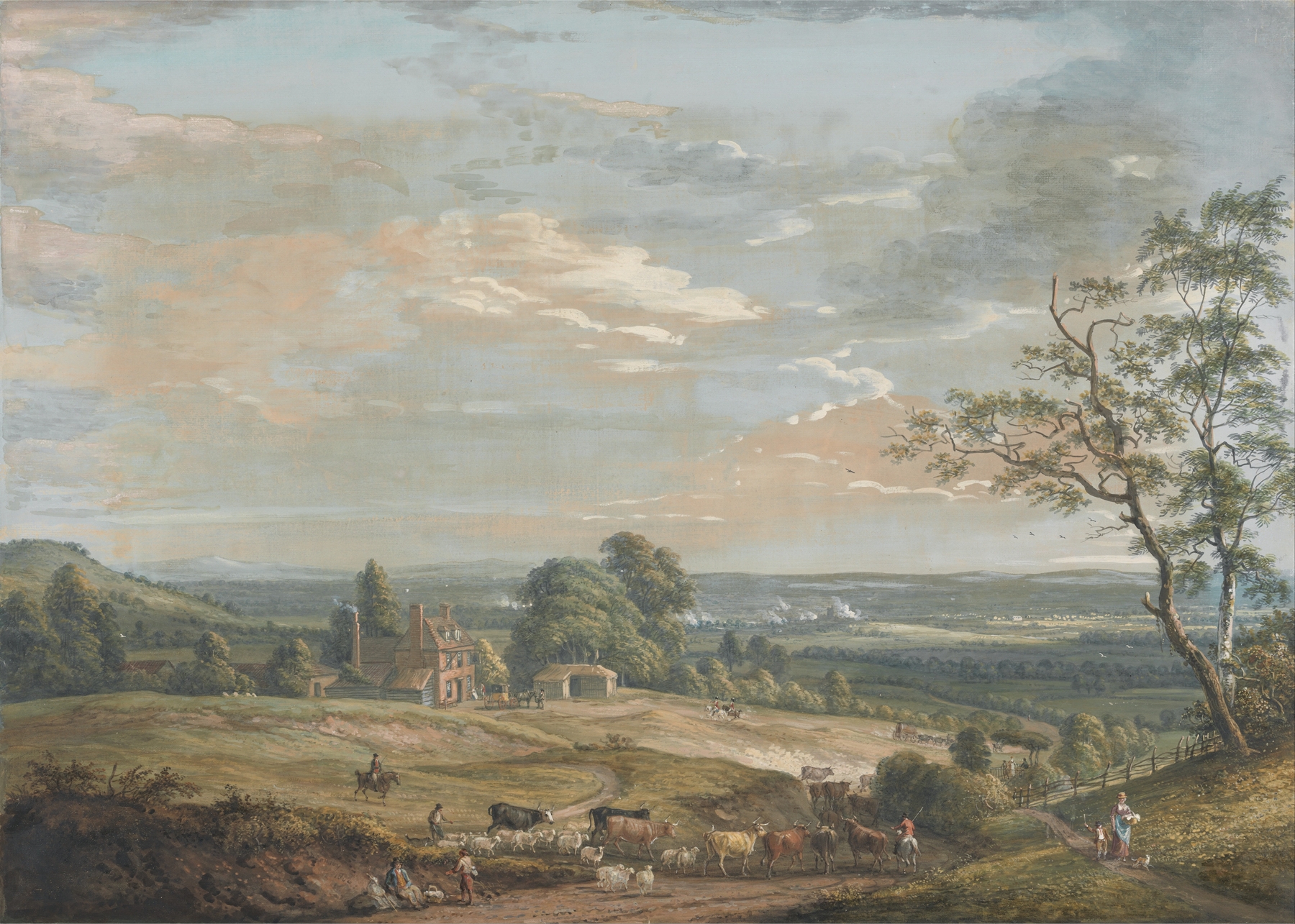
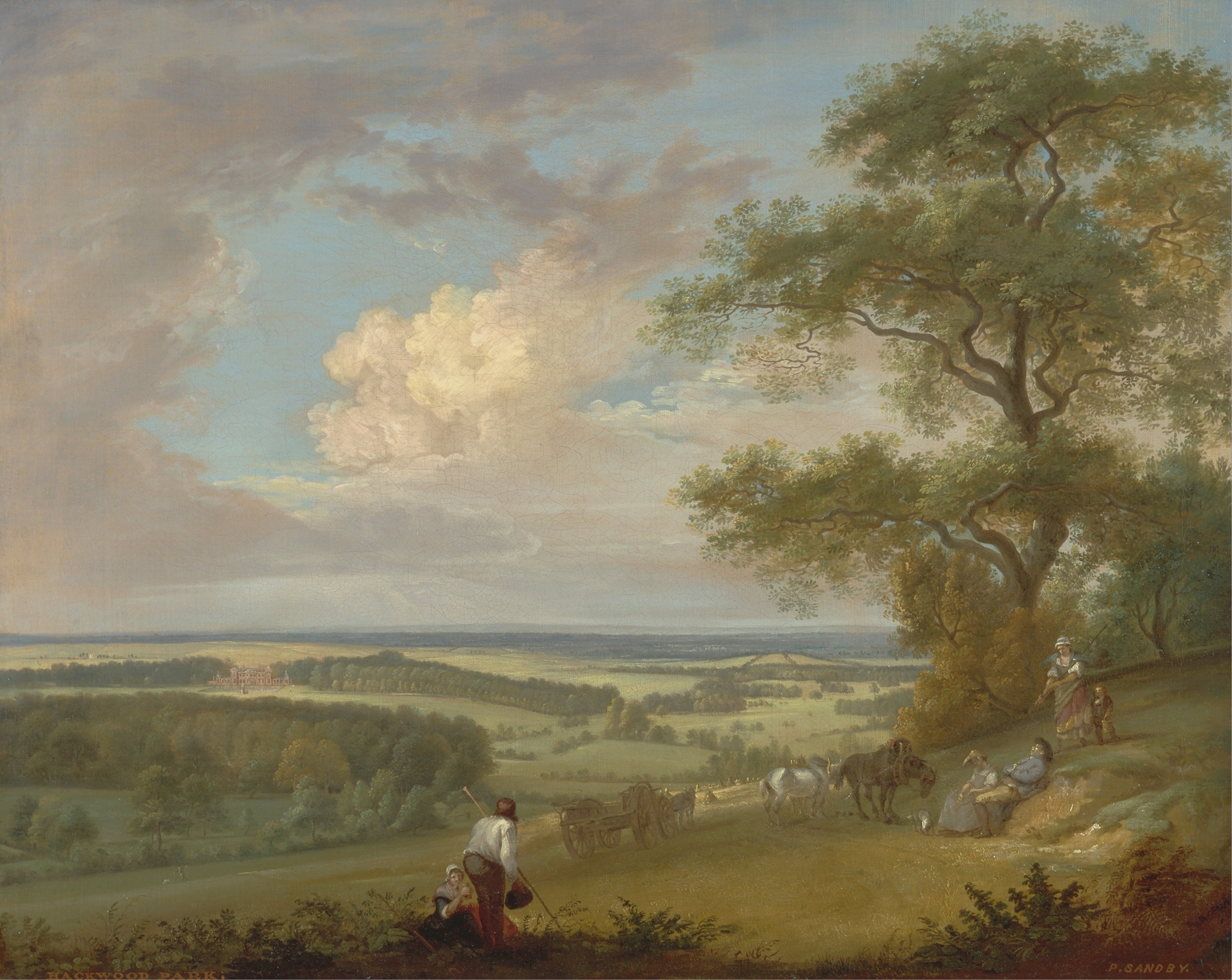
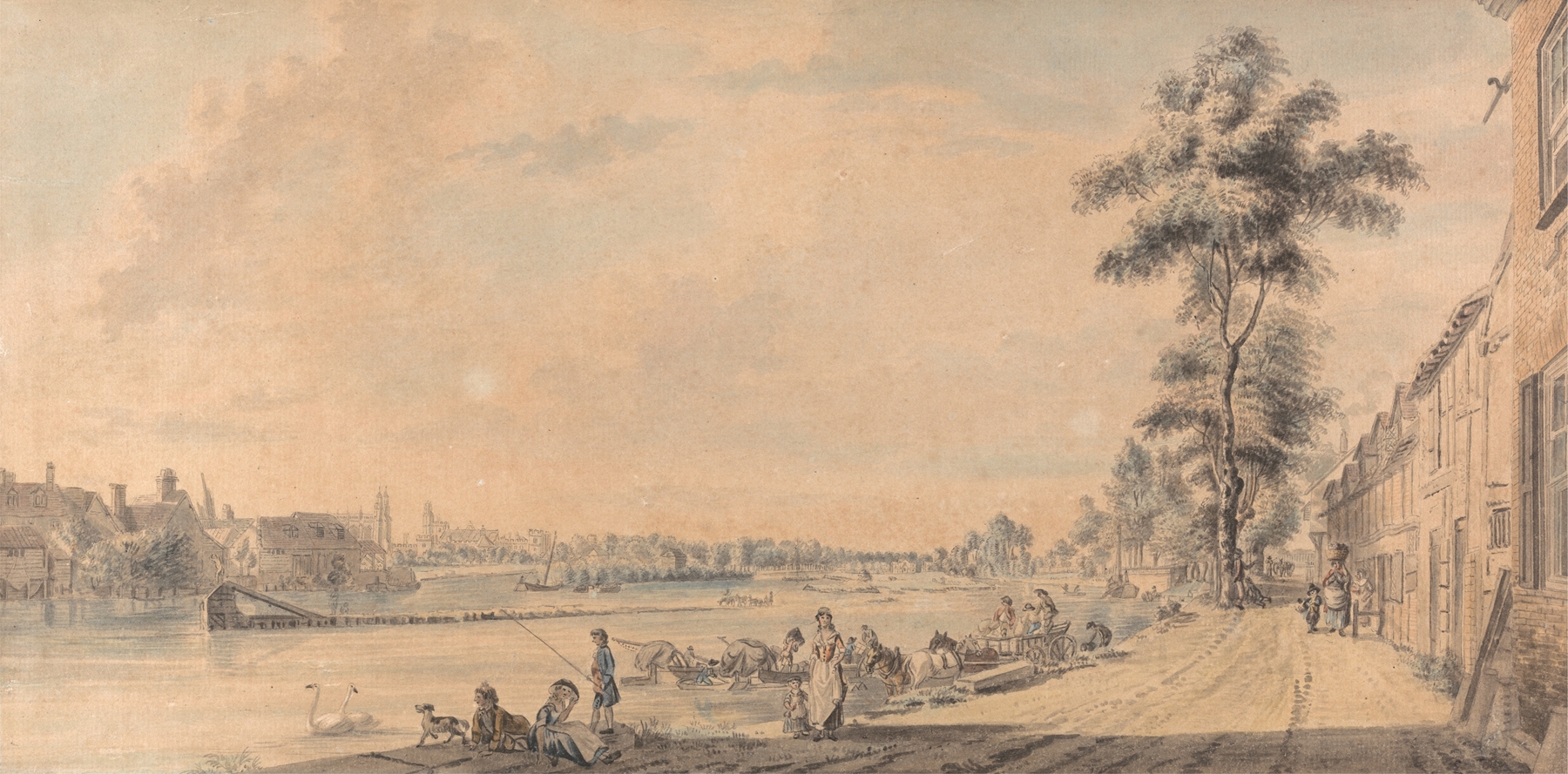
Could a single brushstroke hold eternity? In Paul Sandby's Ipswich from the Grounds of Christchurch Mansion, the passage of time feels suspended, inviting viewers into a moment woven with innocence and tranquility. Look to the bottom left, where the lush greenery cascades into the foreground, leading your gaze upward to the sprawling town beyond. The gentle strokes of soft greens and subtle blues create a harmonious blend, while wispy clouds drift lazily across the sky.
Sandby’s delicate handling of light captures the sun’s warmth, illuminating the rooftops and hinting at the life unfolding within the town. Every stroke seems intentional, whispering secrets of a place that balances on the cusp of nostalgia. Beyond the surface, the painting conveys a duality between nature and civilization, innocence and growth. The sprawling landscape, while picturesque, hints at the bustling life of Ipswich, a place rich with history yet untouched in spirit.
The careful juxtaposition of serene natural beauty against the hints of human presence fosters a sense of longing—a reminder of simpler times, untouched by the chaos of modernity. Created during a period of exploration in the late 18th century, Sandby painted this work while residing in England. Known for his watercolors and depictions of the English landscape, he contributed significantly to the development of topographical art. At this time, the burgeoning Romantic movement was influencing artists to embrace nature’s beauty, and Sandby’s work reflects this shift, capturing the innocence of landscapes before the inevitable changes of progress.