Island of Staffa — History & Analysis
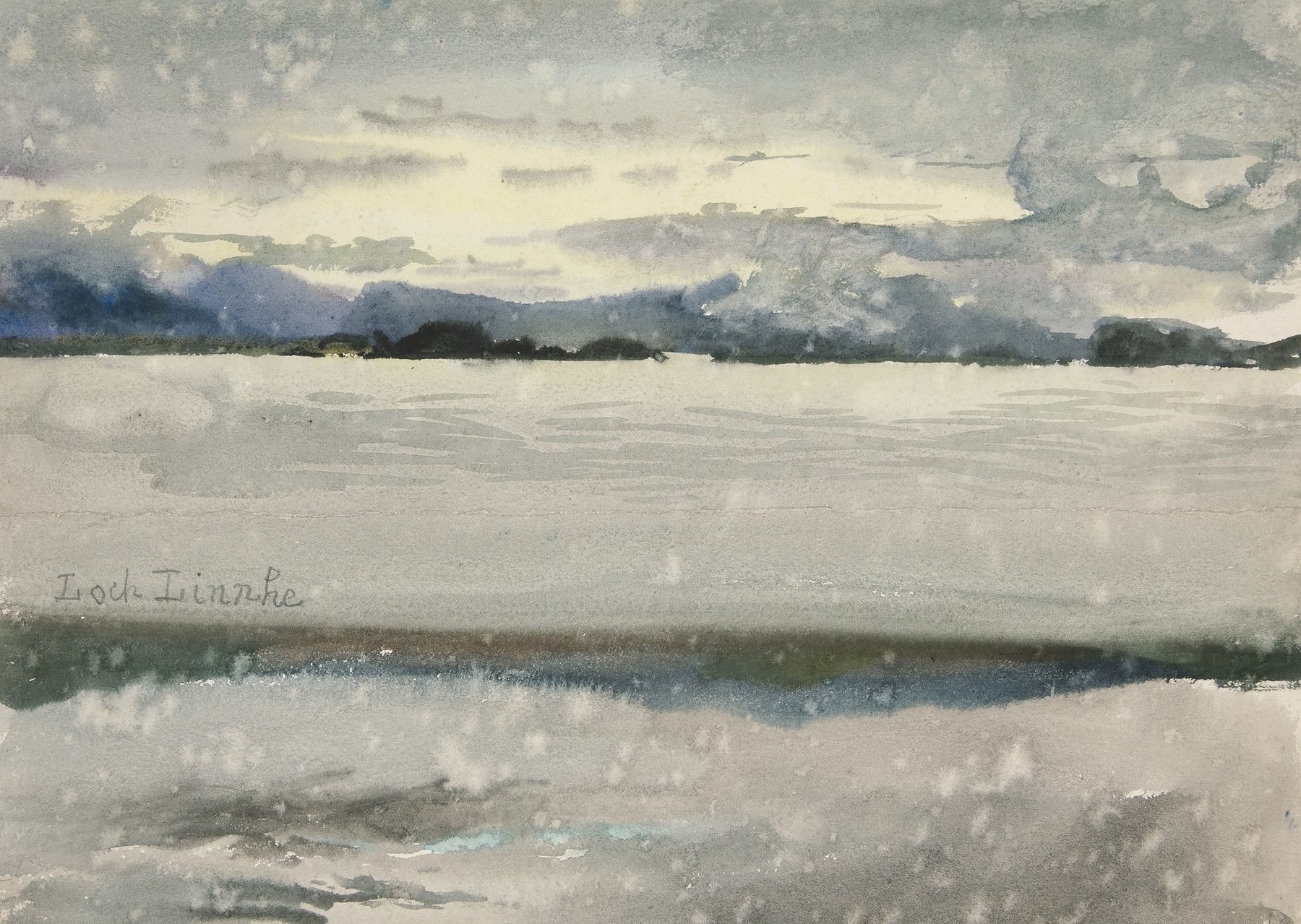
What if silence could speak through light? In the stillness of Island of Staffa, the viewer is beckoned to contemplate the delicate interplay between creation and nature's majesty. Look to the foreground, where the waves gently lap against the rocky shore, their rhythmic motion captured with brushstrokes that evoke both movement and tranquility. Notice the way the light dances across the water’s surface, illuminating the vibrant hues of blues and greens, while the shadows of the rocks create a stark contrast.
The composition draws your eye toward the luminous archway of the cave, inviting exploration and hinting at the secrets hidden within its depths. The artwork encapsulates the dualities of nature—chaotic waves meeting steadfast rocks, light illuminating darkness. The cave, both a passage and a barrier, speaks to the tension between the known and the unknown, embodying a sense of reverence for the natural world. Abbey's choice of colors enhances this emotional depth, with warm tones juxtaposed against cool shades, suggesting the fleeting nature of time and the eternal beauty of creation.
During the late 19th century, when Island of Staffa was created, Abbey found himself immersed in the burgeoning world of American illustration and fine art. This period marked a significant transition in his career, as he explored themes of beauty and nature while establishing his distinctive style. The British Isles, where he drew much inspiration, served as both a backdrop and a muse for his artistic journey.