Italiaanse edelman — History & Analysis
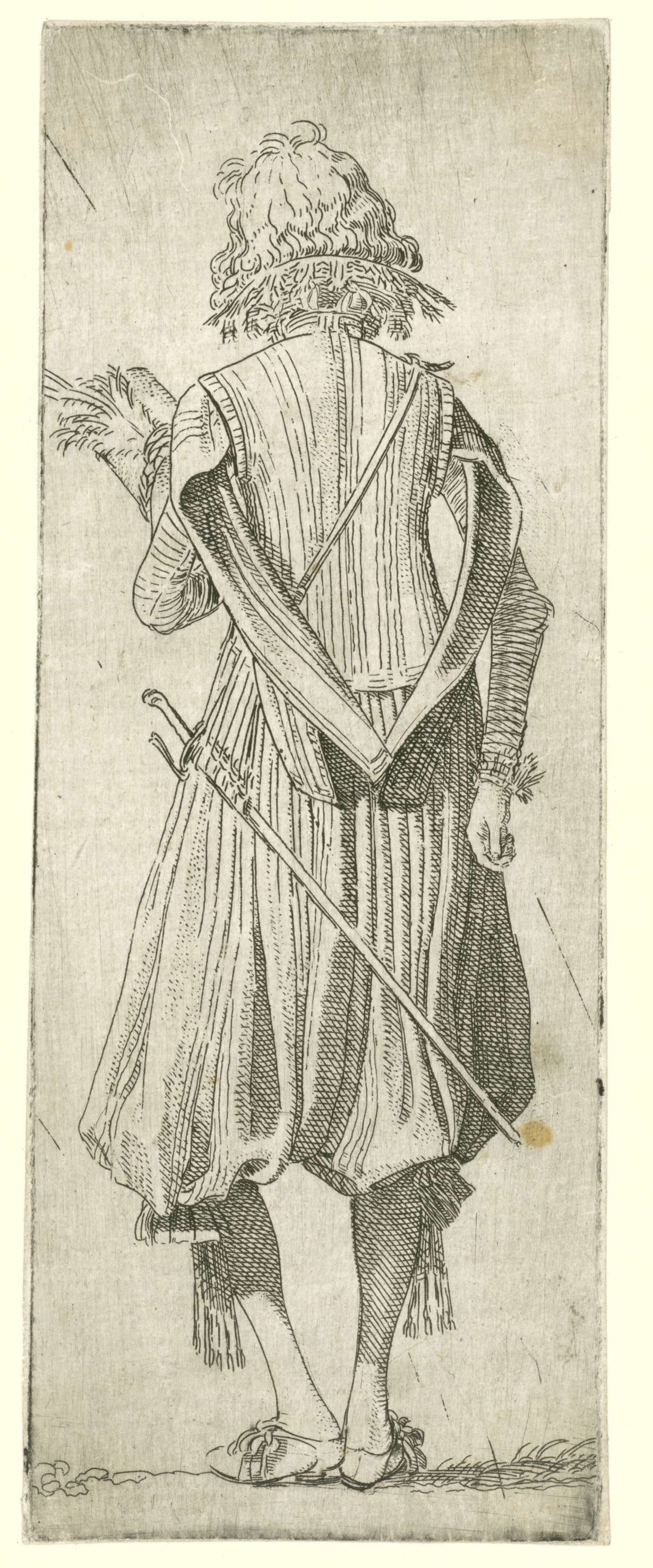
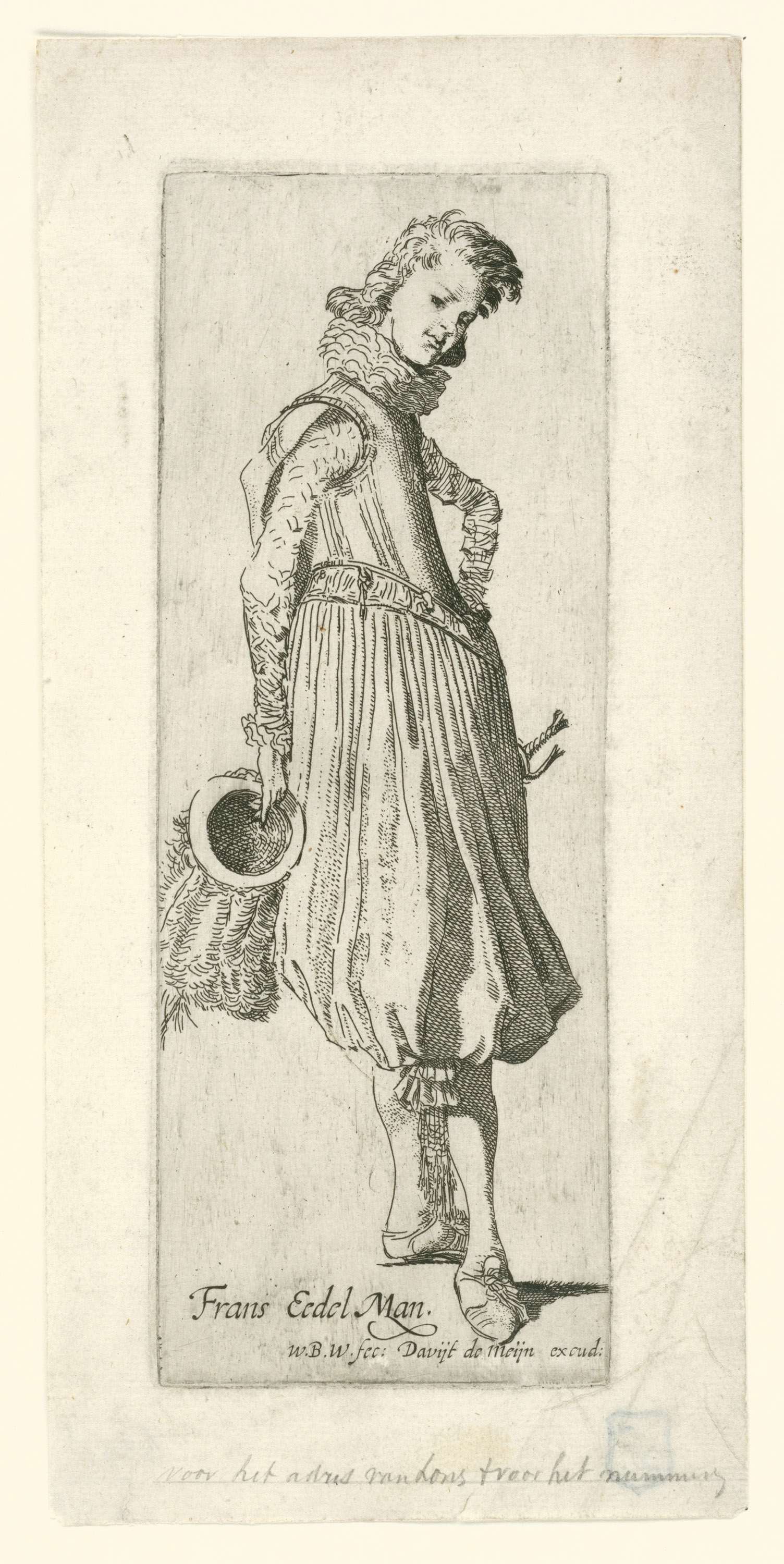
“Sometimes beauty is just pain, disguised in gold.” In Italiaanse edelman, the weight of time settles upon the subject, an elegant gentleman poised in a moment that is both fleeting and eternal. The art of the past whispers through the intricate details and lavish attire, suggesting that every stitch carries stories of longing and desire. Look to the left, where the rich, dark velvet of his coat contrasts sharply with the luminous gold embroidery that draws the eye. Notice how the gentle play of light across his face highlights the soft curves of his features, imbuing him with a sense of introspection.
The careful arrangement of objects surrounding him—an exquisite tapestry in the background and the delicate positioning of his hand—guides your gaze and creates a harmonious balance that speaks to the artist's skill in portraiture. Delve deeper, and you will find layers of emotional tension beneath the surface. The gentleman’s gaze, directed slightly away from the viewer, suggests a moment of contemplation, perhaps a yearning for a time lost or a future unfulfilled. The lavishness of his attire, while ostentatious, contrasts with the vulnerability that emanates from his expression, revealing the paradox of wealth and isolation in a world dominated by status.
Willem Pietersz Buytewech painted this work in 1615, during a period when the Northern Netherlands were flourishing artistically and economically. Living in Delft, he was influenced by the burgeoning genre of portraiture, reflecting both the aspirations and anxieties of a society grappling with the passage of time amidst prosperity. This painting encapsulates the tension between beauty and melancholy, inviting viewers to contemplate their own narratives within its exquisite frame.