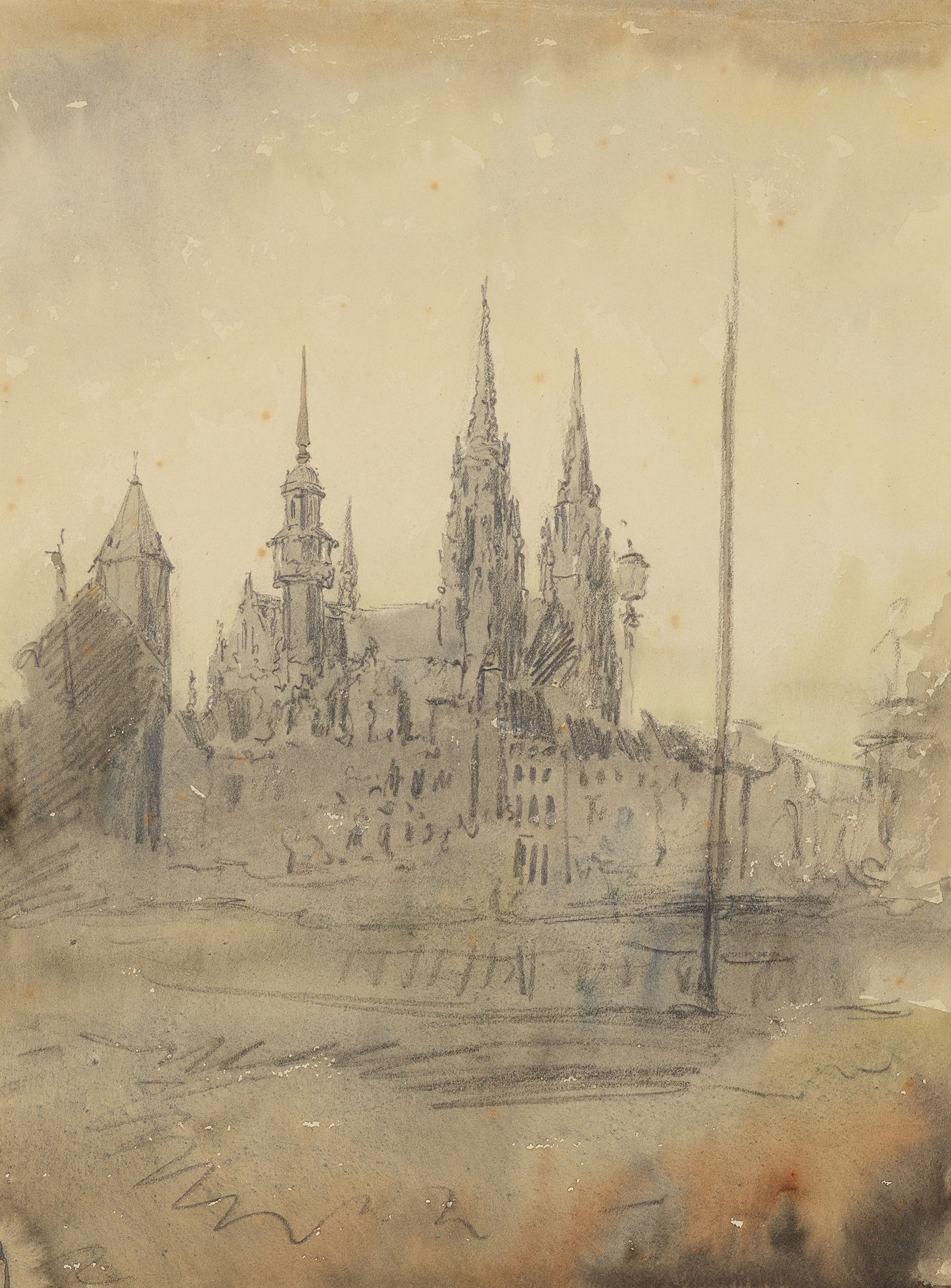
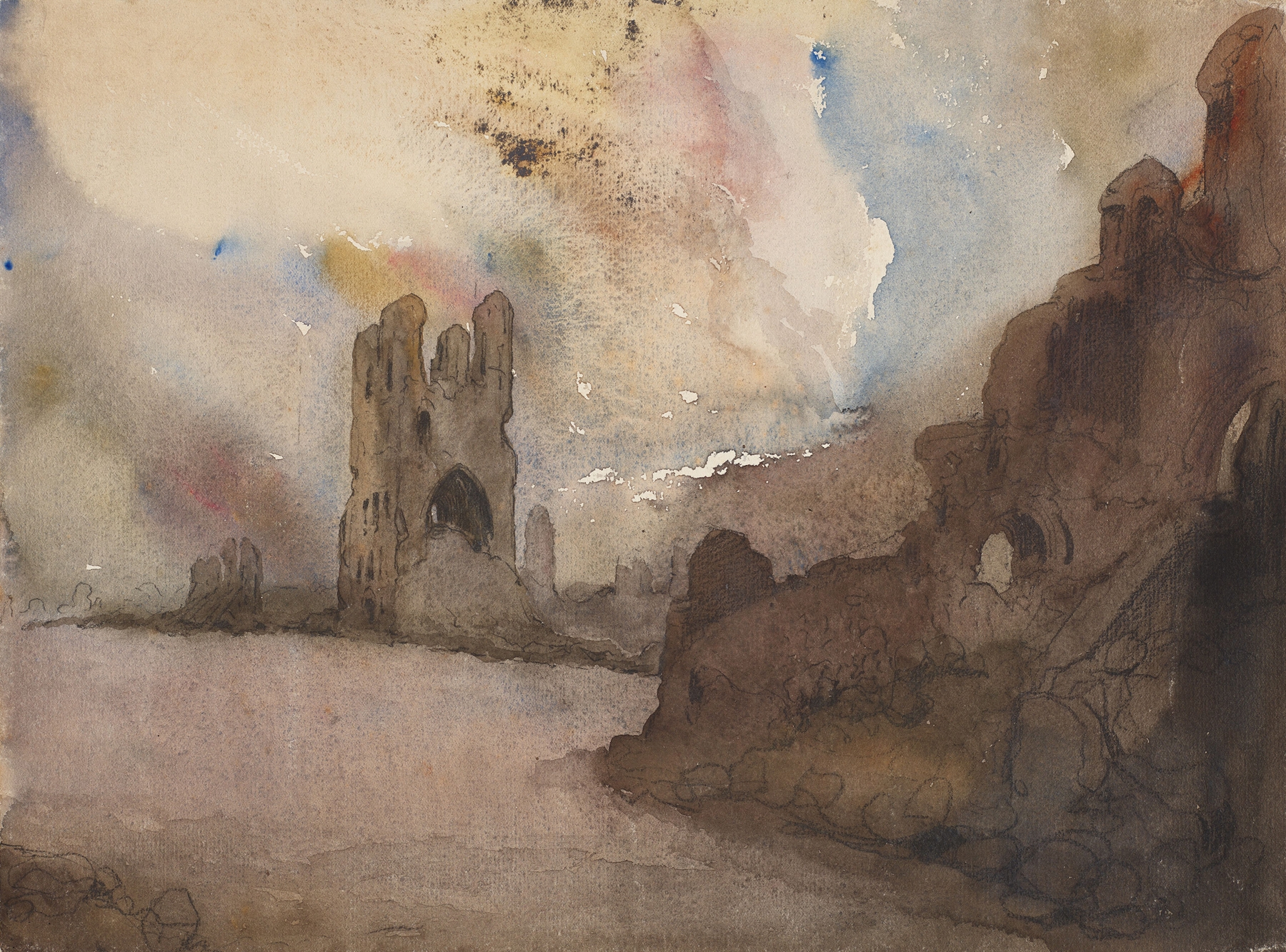
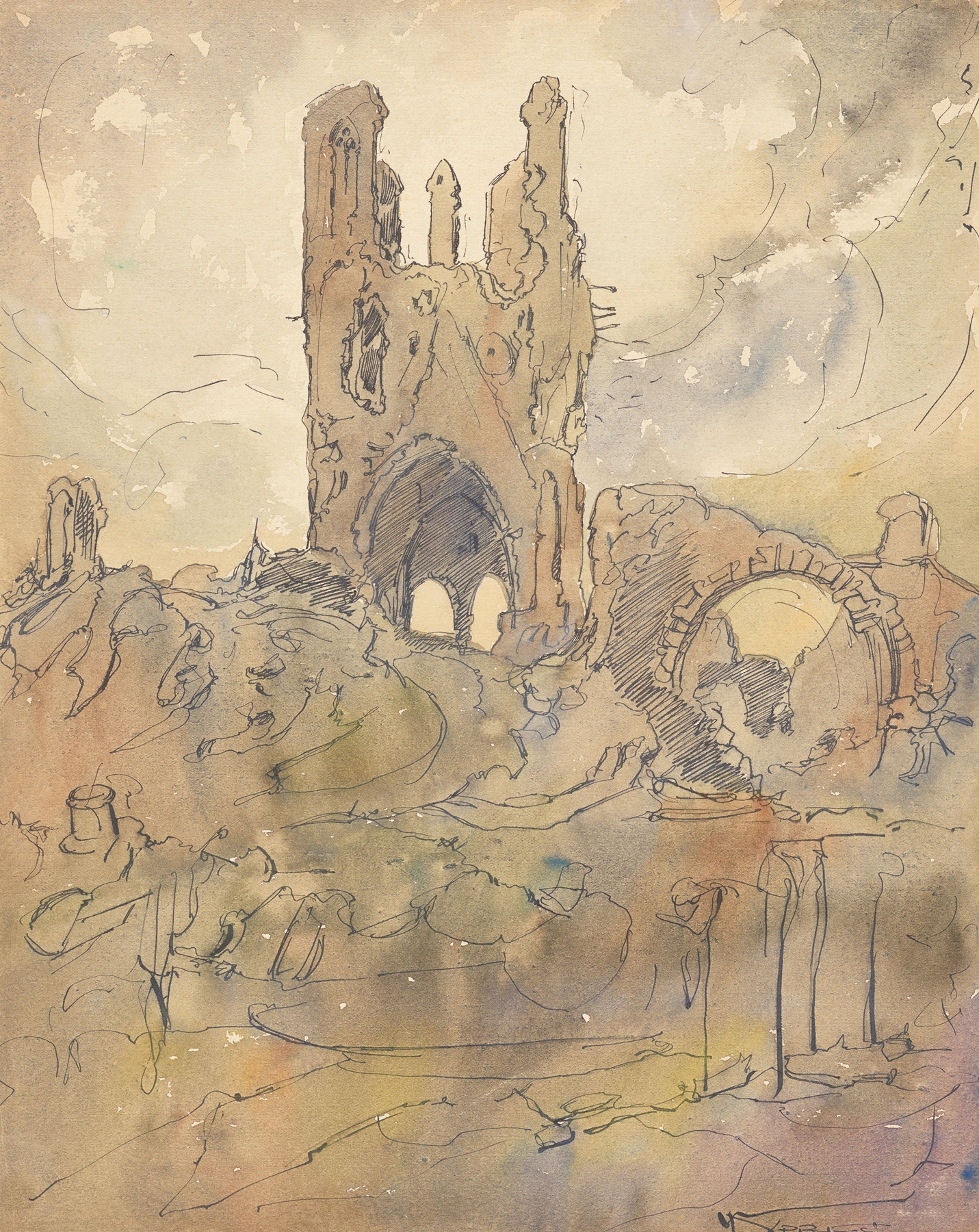
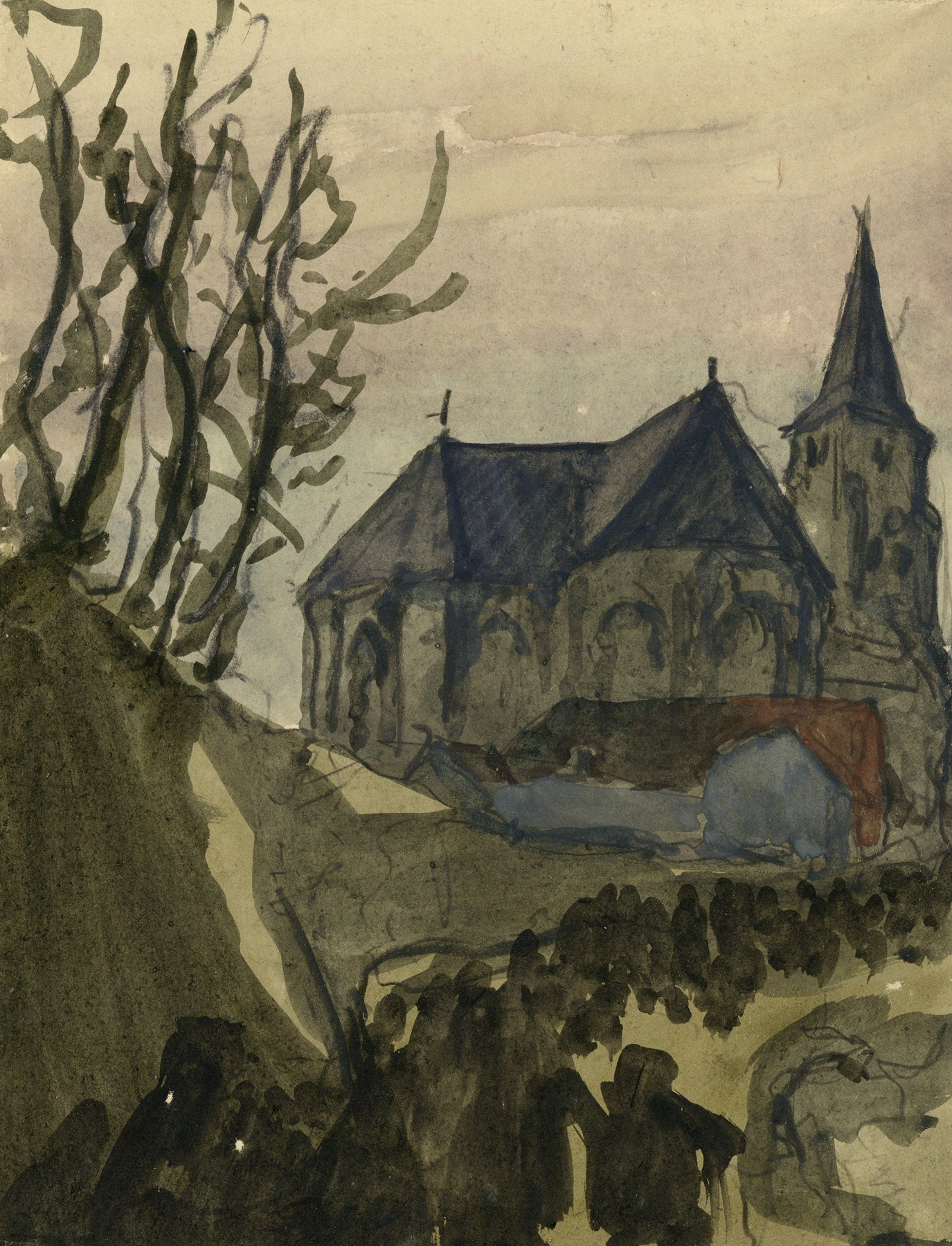
Sint-Salvatorkerk in Hakendover – zijaanzicht — History & Analysis
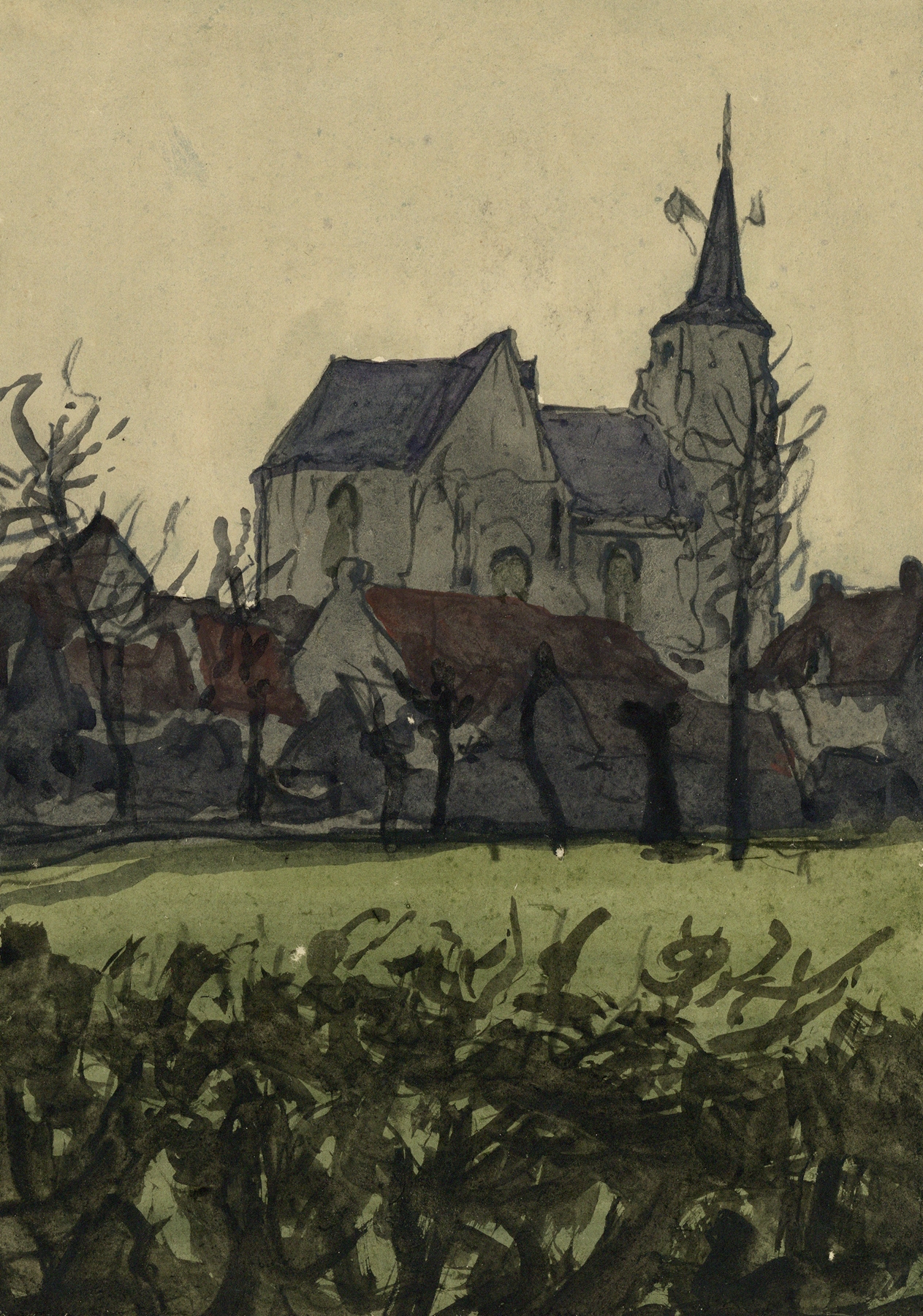
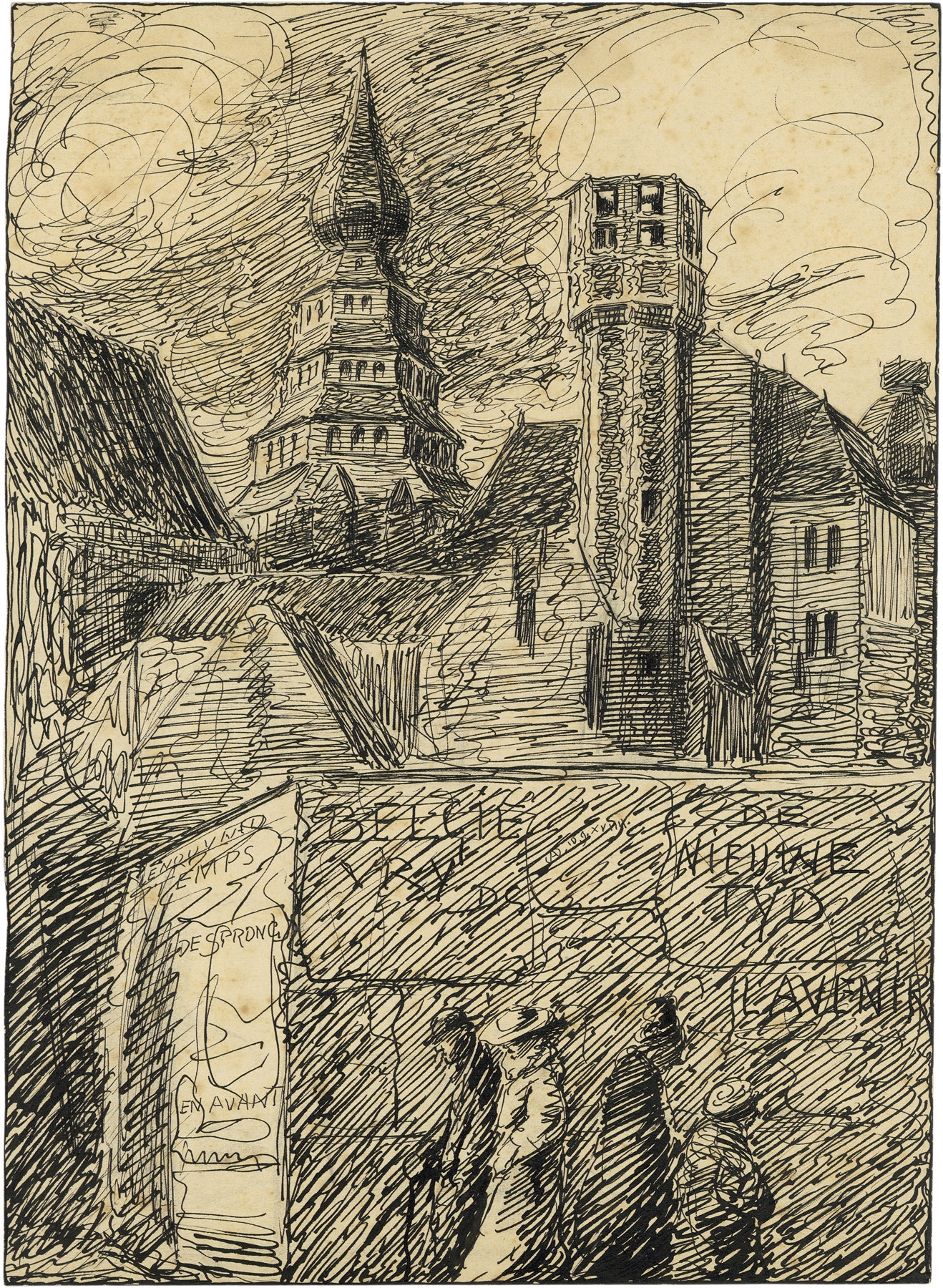
“Art reveals the soul when the world turns away.” In the delicate dance between light and shadow, obsession finds its canvas. The quiet intensity of a church's facade captivates those who pause to truly see, reminding us that beauty lies not just in the scene but in the heart of the beholder. Look to the left at the intricate brickwork, where the textures invite your fingers to trace the history embedded within. Notice how the muted palette of earth tones creates a sense of harmony, drawing your gaze upward towards the steeple that pierces the sky.
The gentle interplay of sunlight captures the contours of the building, revealing the artist's meticulous attention to detail and his desire to immortalize this sacred space. Yet, beneath the surface lies a deeper narrative—a contrast between the solidity of the church and the ephemeral nature of life surrounding it. The serene facade, a symbol of faith, stands in juxtaposition to the fleeting moments of everyday existence, evoking a sense of longing and introspection. In every brushstroke, the artist’s unyielding obsession with this architectural wonder speaks to the profound connection between spirituality and the human experience.
Created in the late 19th to early 20th century, the painting reflects Alfred Ost's dedication to portraying the architectural beauty of Belgium. At this time, he was immersed in the cultural revival of historicism, where artists sought to rediscover and celebrate the rich artistic heritage of their homeland. Amidst his personal struggles, the artist found solace in capturing these timeless edifices, offering viewers a glimpse into a world that held his heart captive.