Italian Landscape — History & Analysis
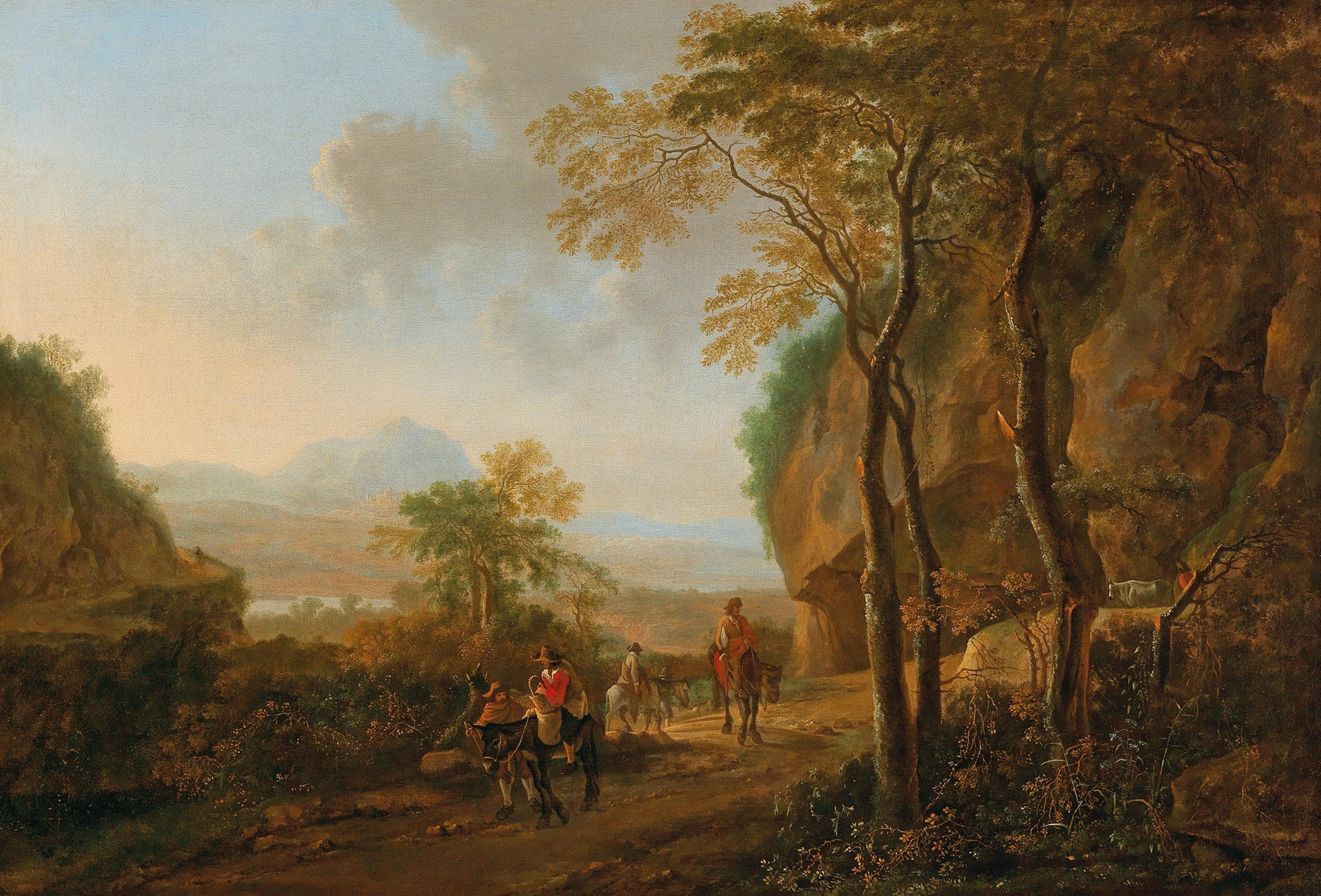
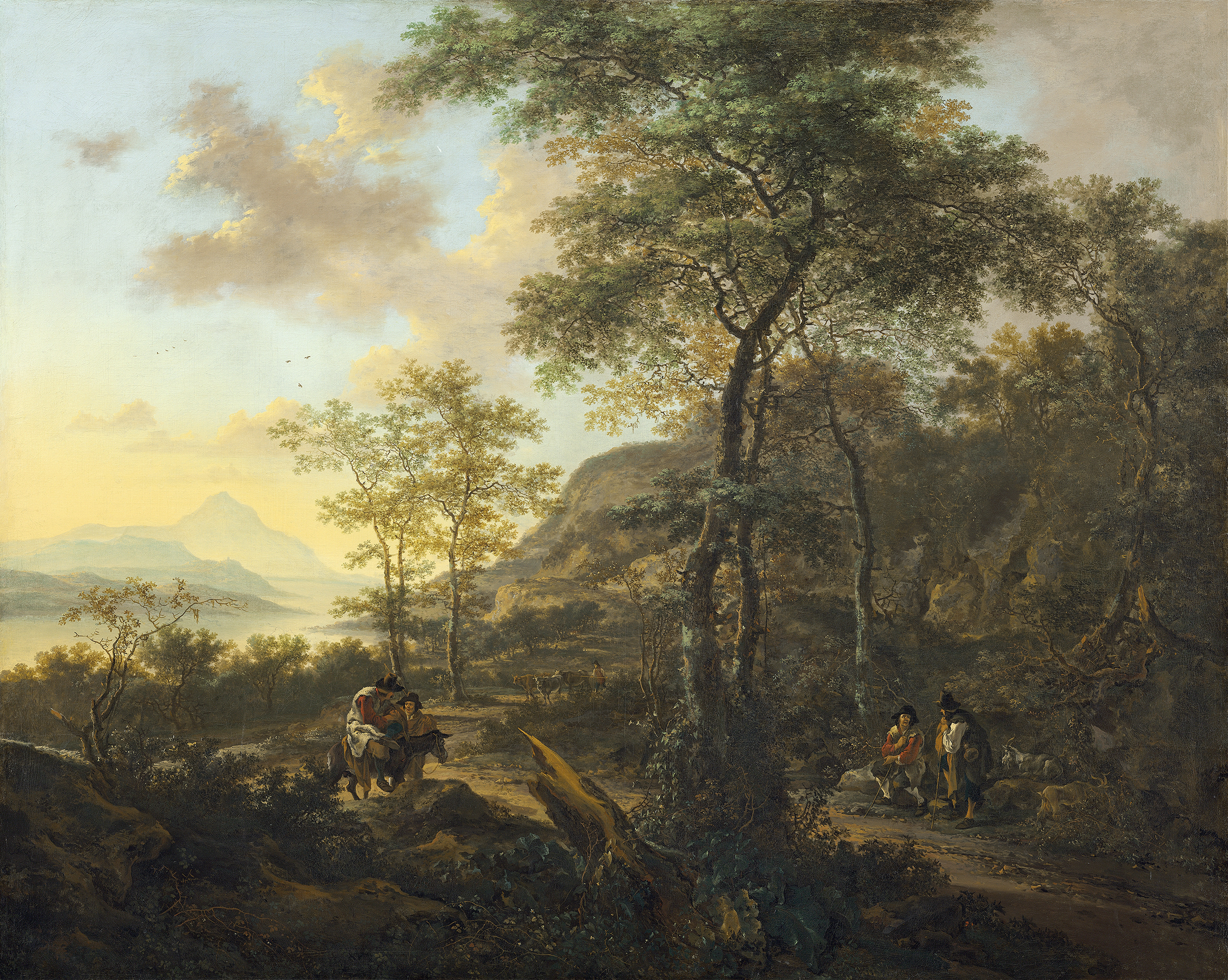
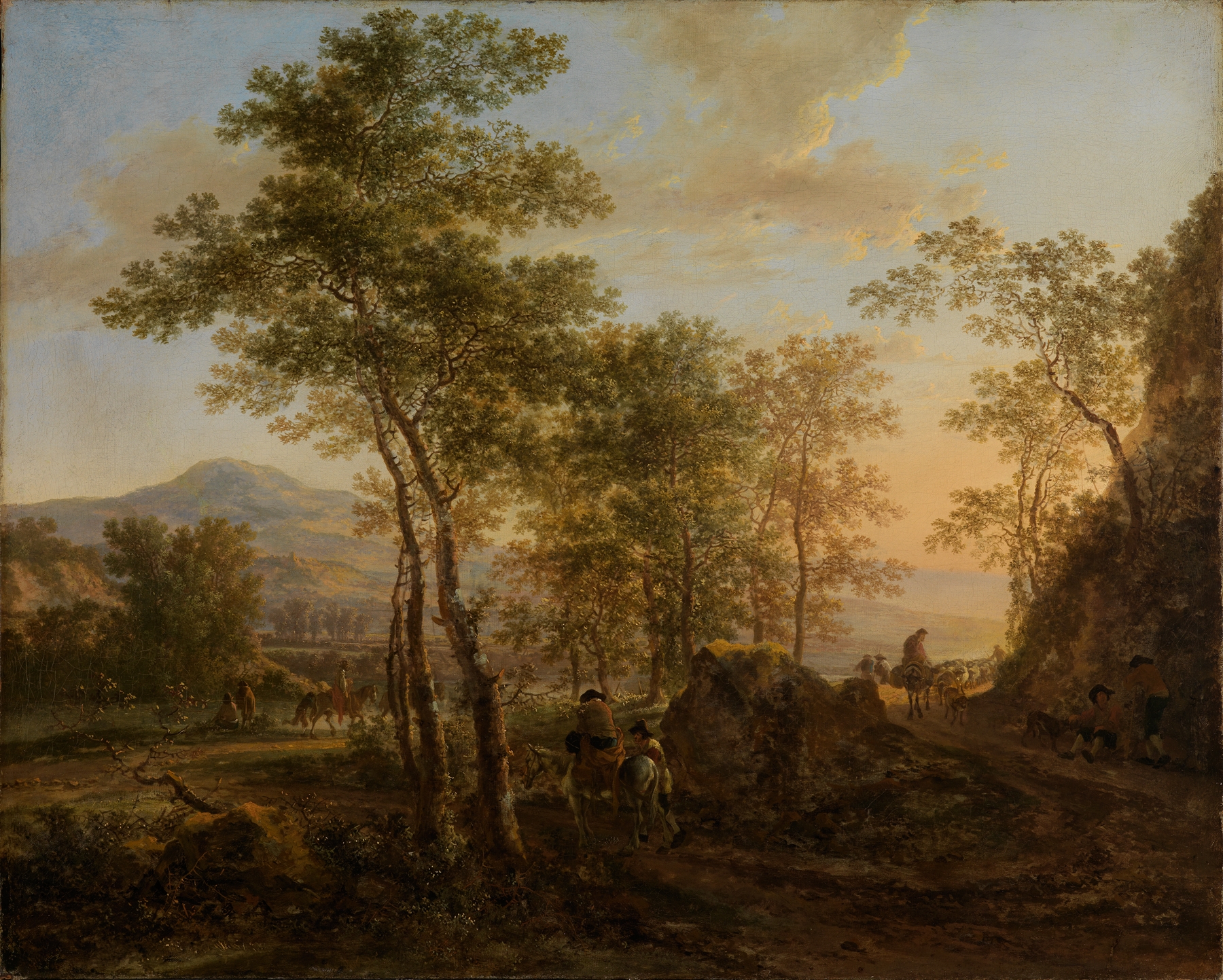
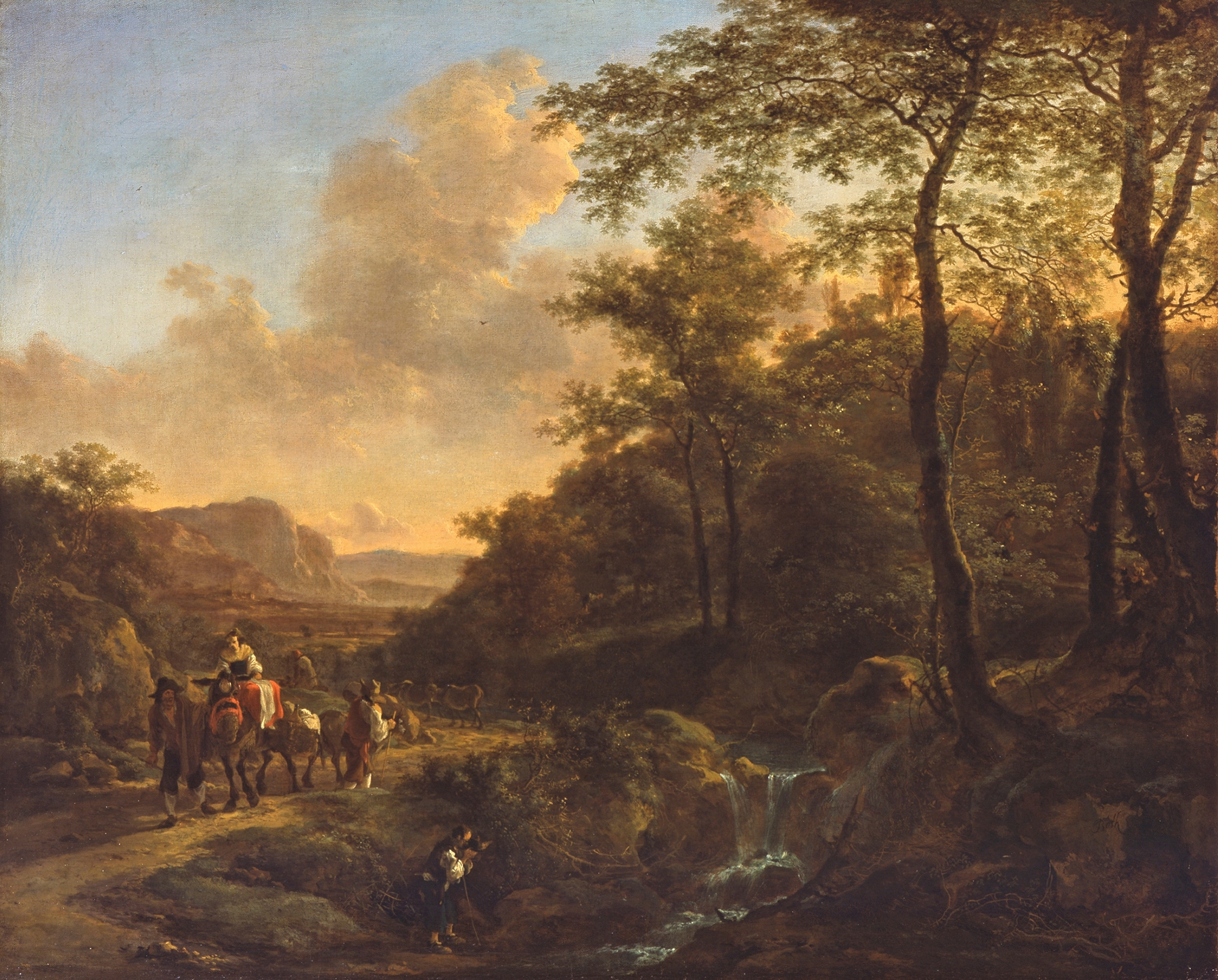
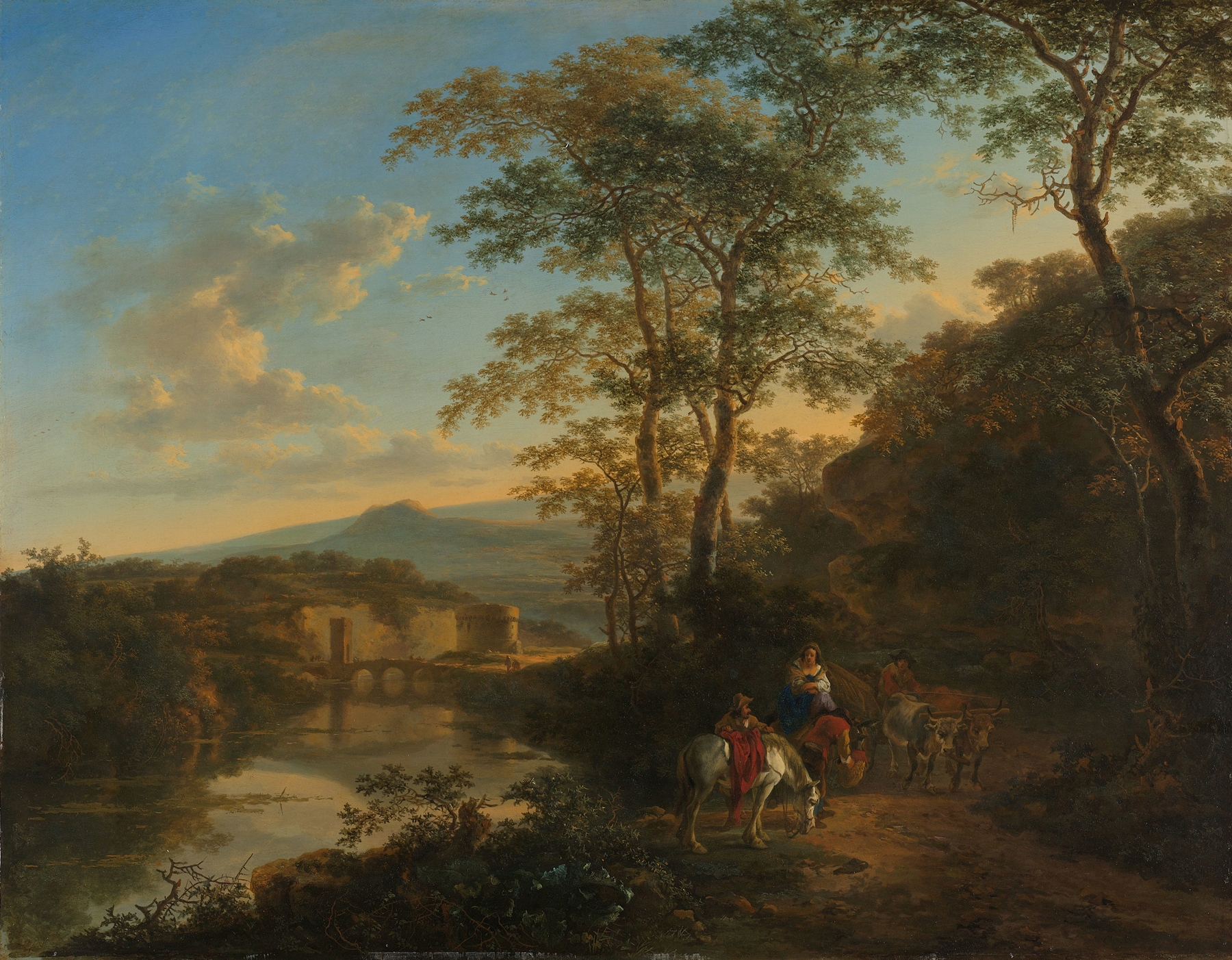
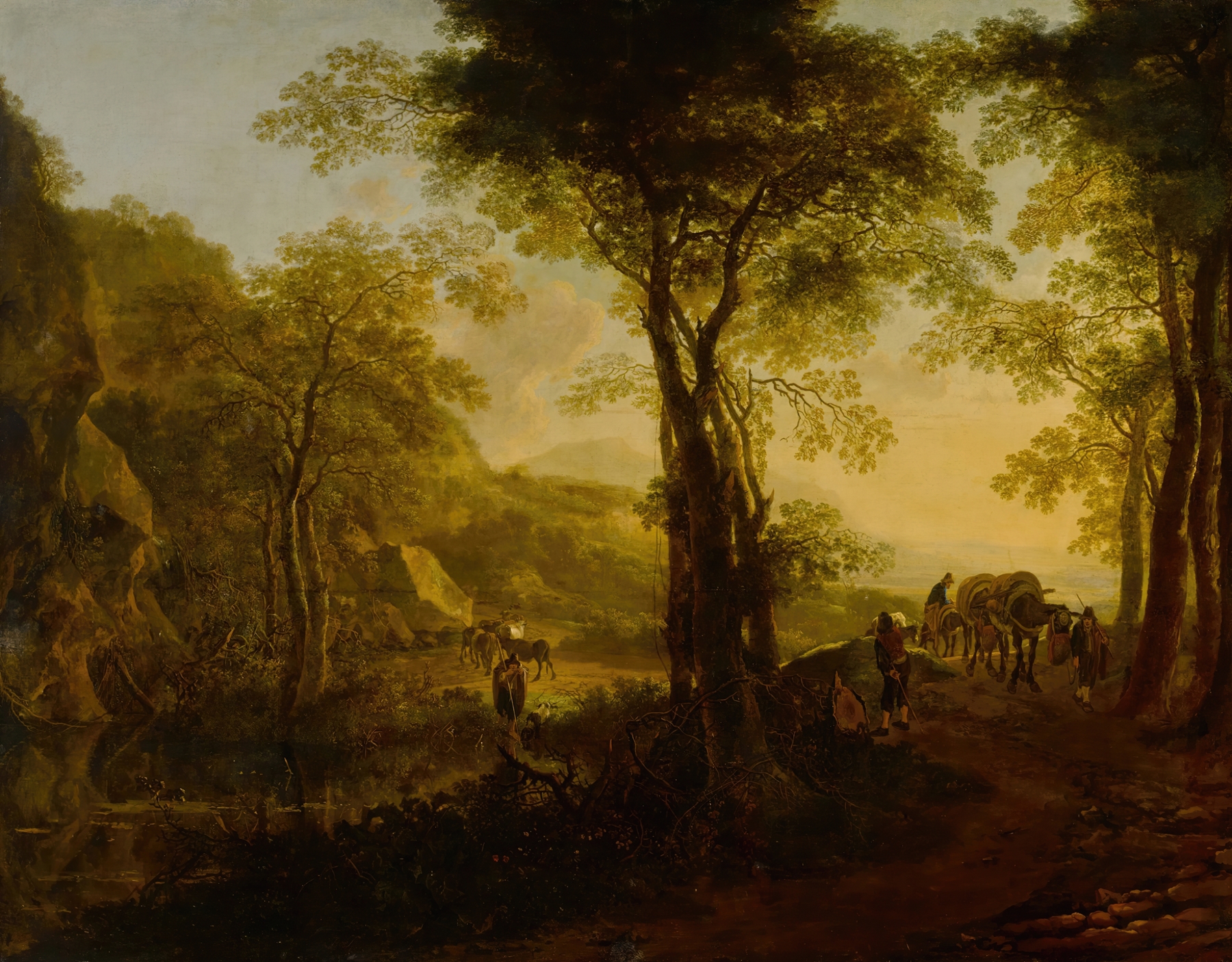
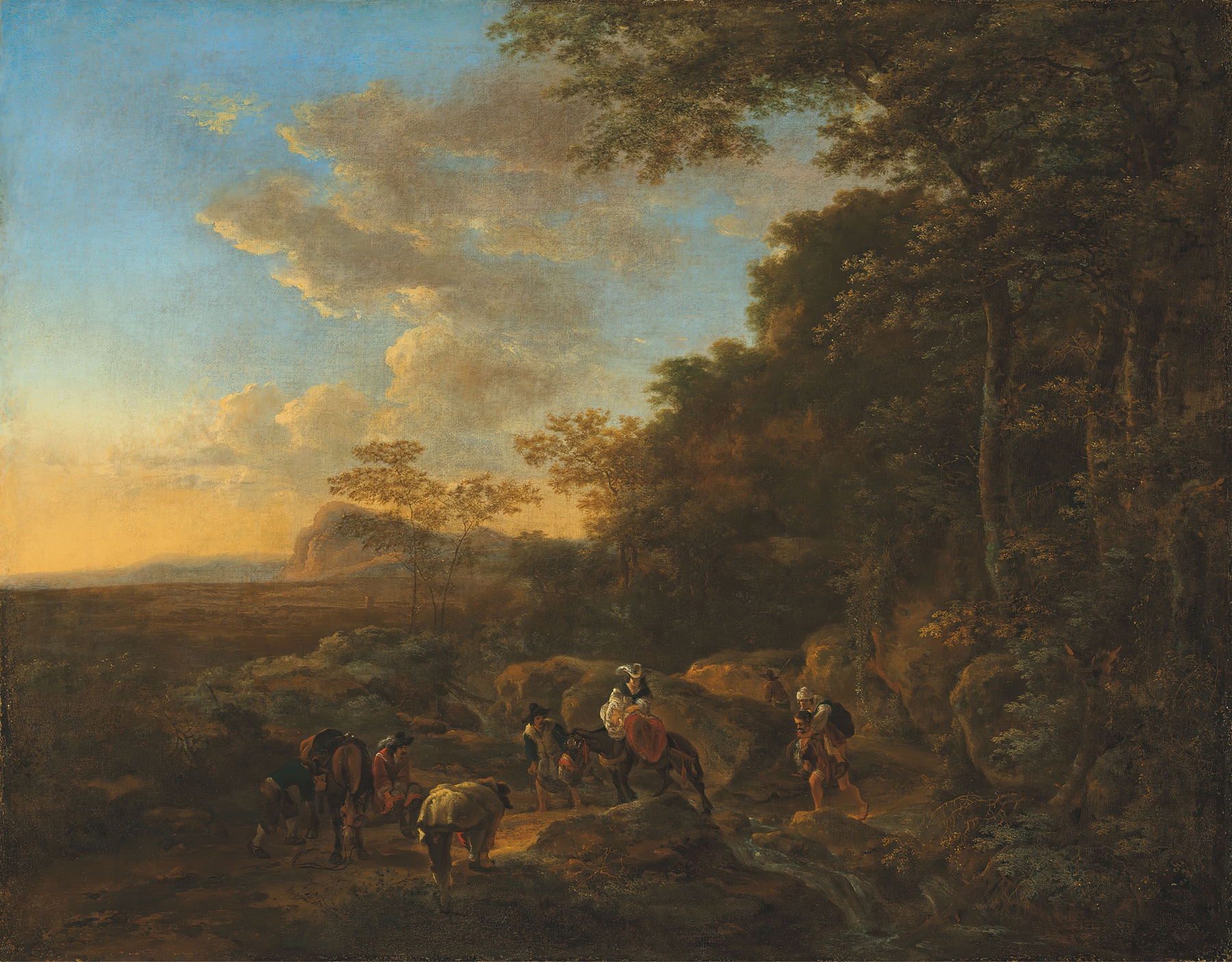
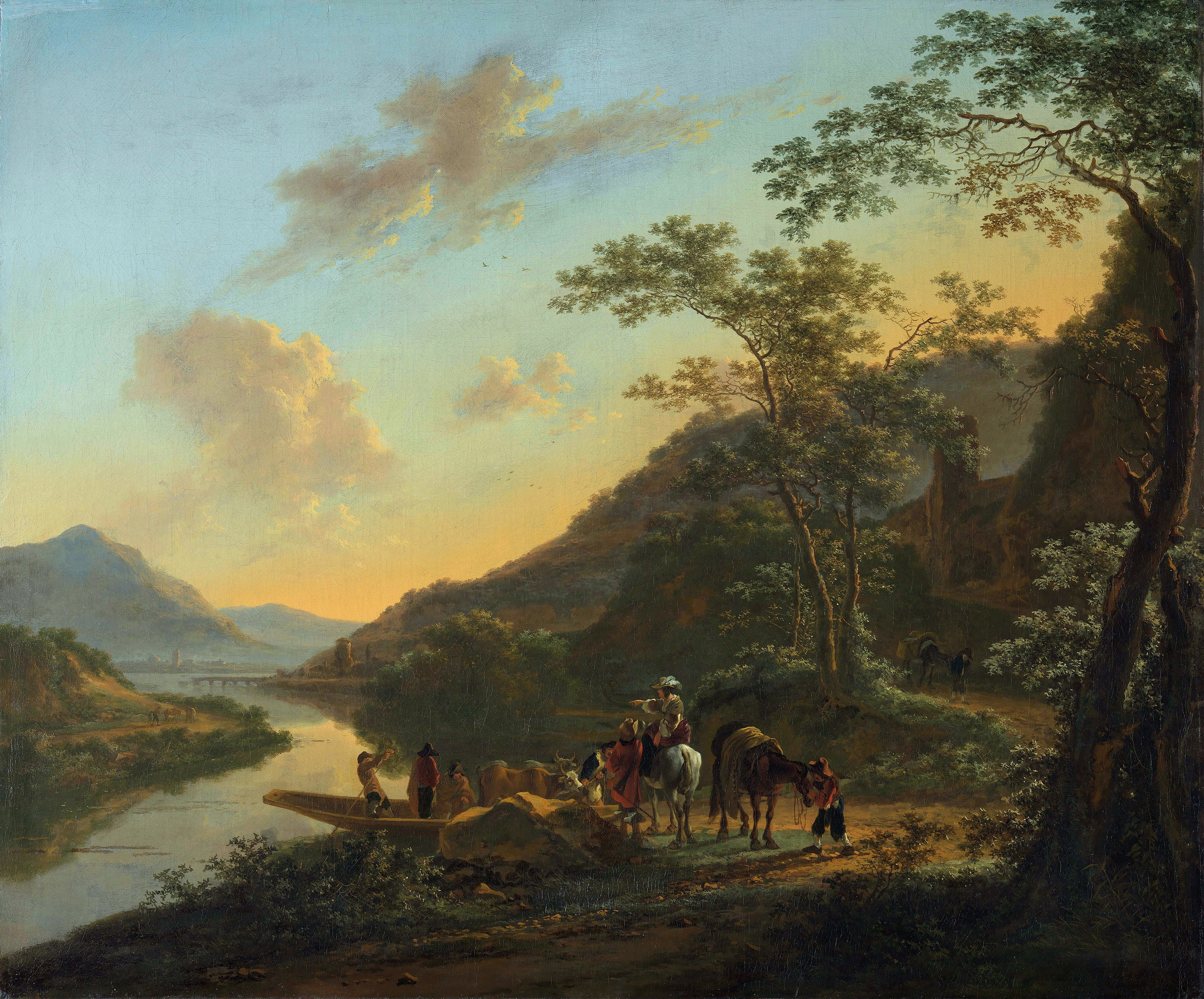
What if beauty was never meant to be finished? When gazing upon an idyllic vista, one is reminded not only of the transient nature of existence but also of the moments that slip silently through our fingers. Look to the foreground, where lush greenery spills over the canvas, inviting the eye to wander into an enchanting landscape. The artist's masterful brushstrokes create a textured tapestry of leaves and grass, each blade animated by dappled sunlight.
The gentle gradient of soft blues and warm earth tones reflects the harmony between sky and land, evoking a sense of tranquility and fleeting joy. Yet, peering closer reveals a subtle tension; the serenity of the scene is undercut by hints of decay. In the distance, a solitary tree stands, its twisted branches foreshadowing mortality amidst the vibrancy of life. The play of light and shadow, coupled with the muted colors of the horizon, suggests a world on the brink of change—beauty caught in the delicate web of time, both alive and fading.
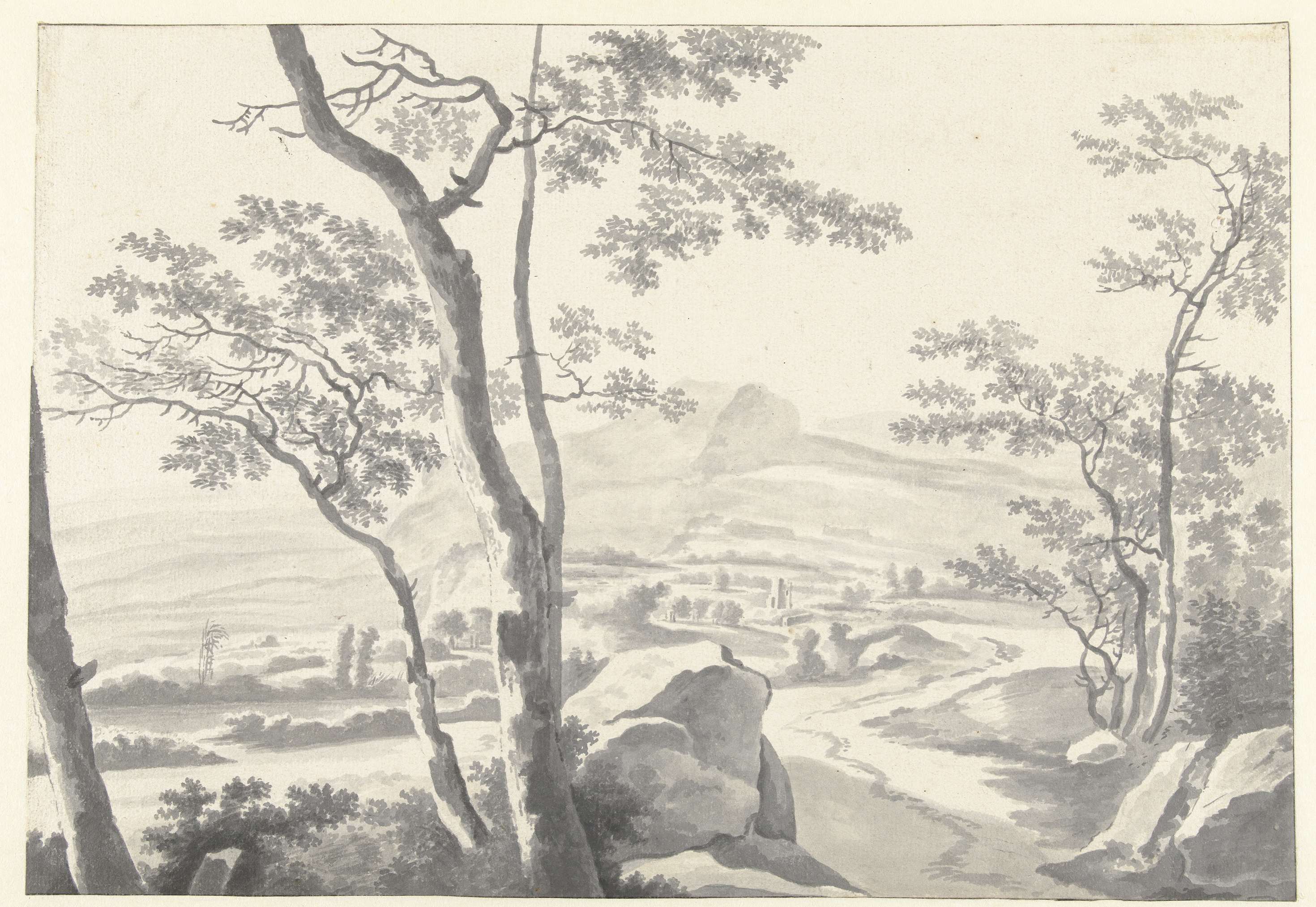
Created between 1645 and 1652, this work emerges from a period when Jan Both was firmly established in the Dutch landscape tradition, painting while living in Italy. The artist's experiences in this foreign land deeply influenced his style, allowing him to blend the Dutch attention to detail with the Italian love for expansive views. As Europe grappled with the complexities of the Baroque, Both’s landscapes became a vessel for exploring the ephemeral nature of beauty.