Italian Landscape with the Ponte Lucano over the Aniene River — History & Analysis
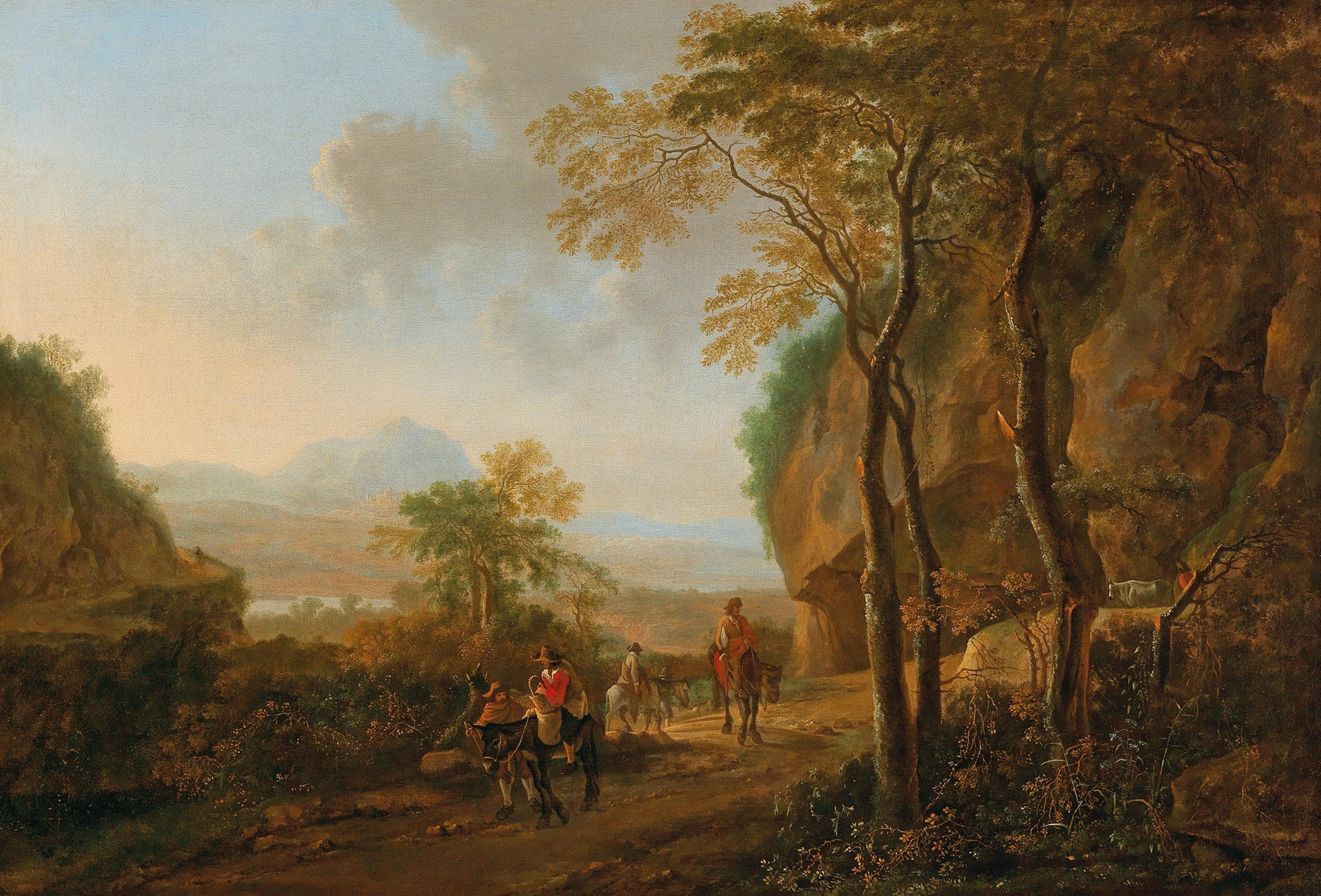
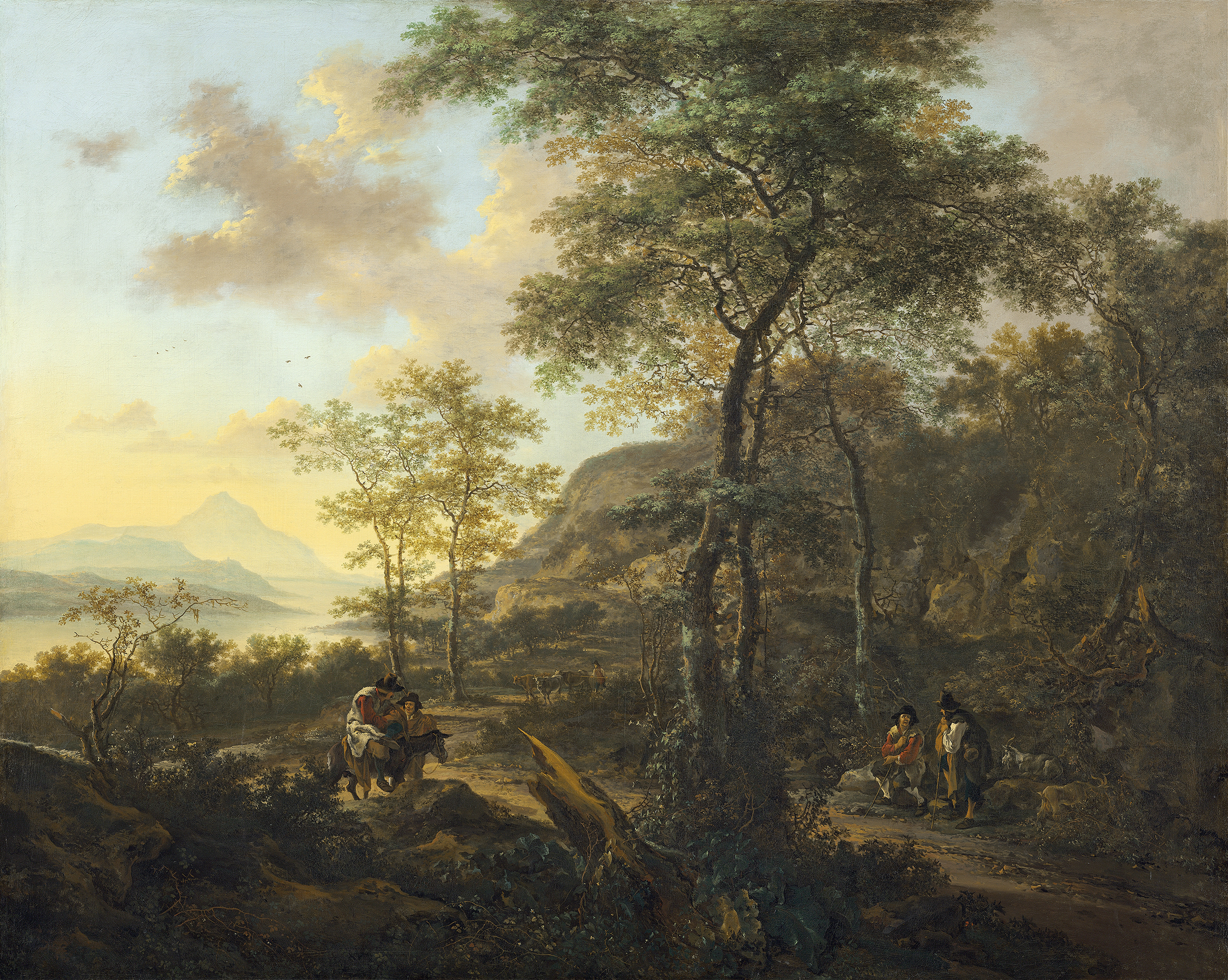
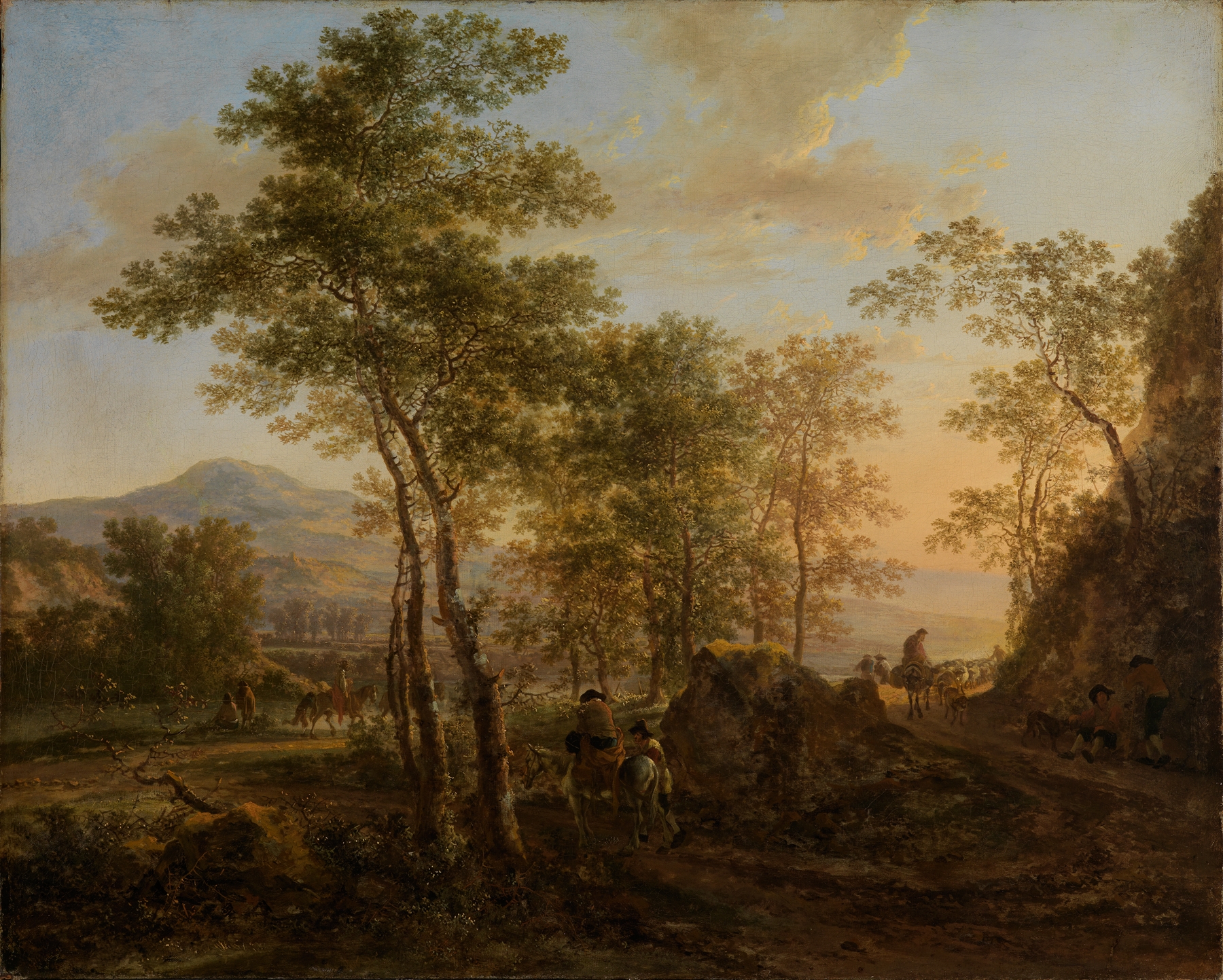
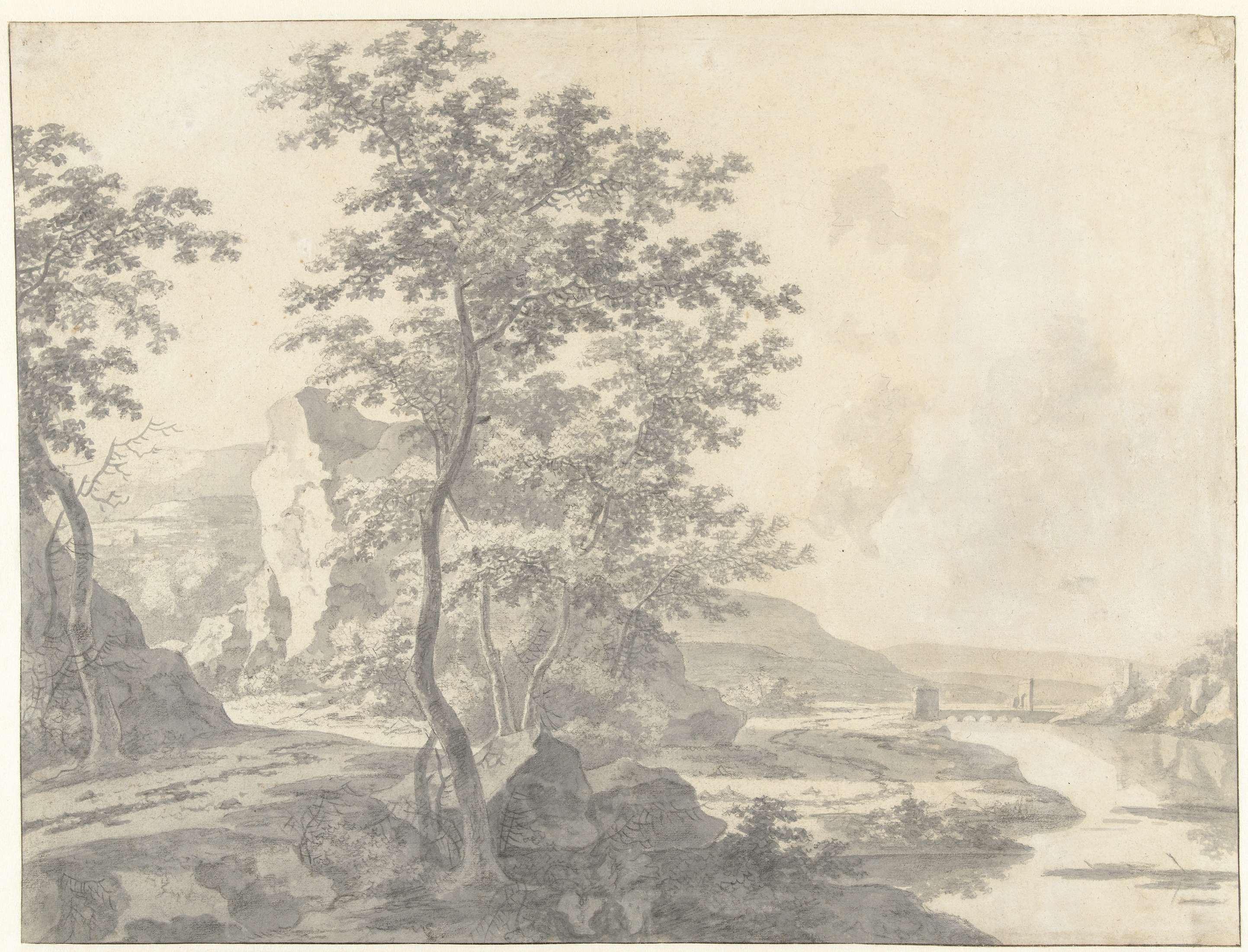
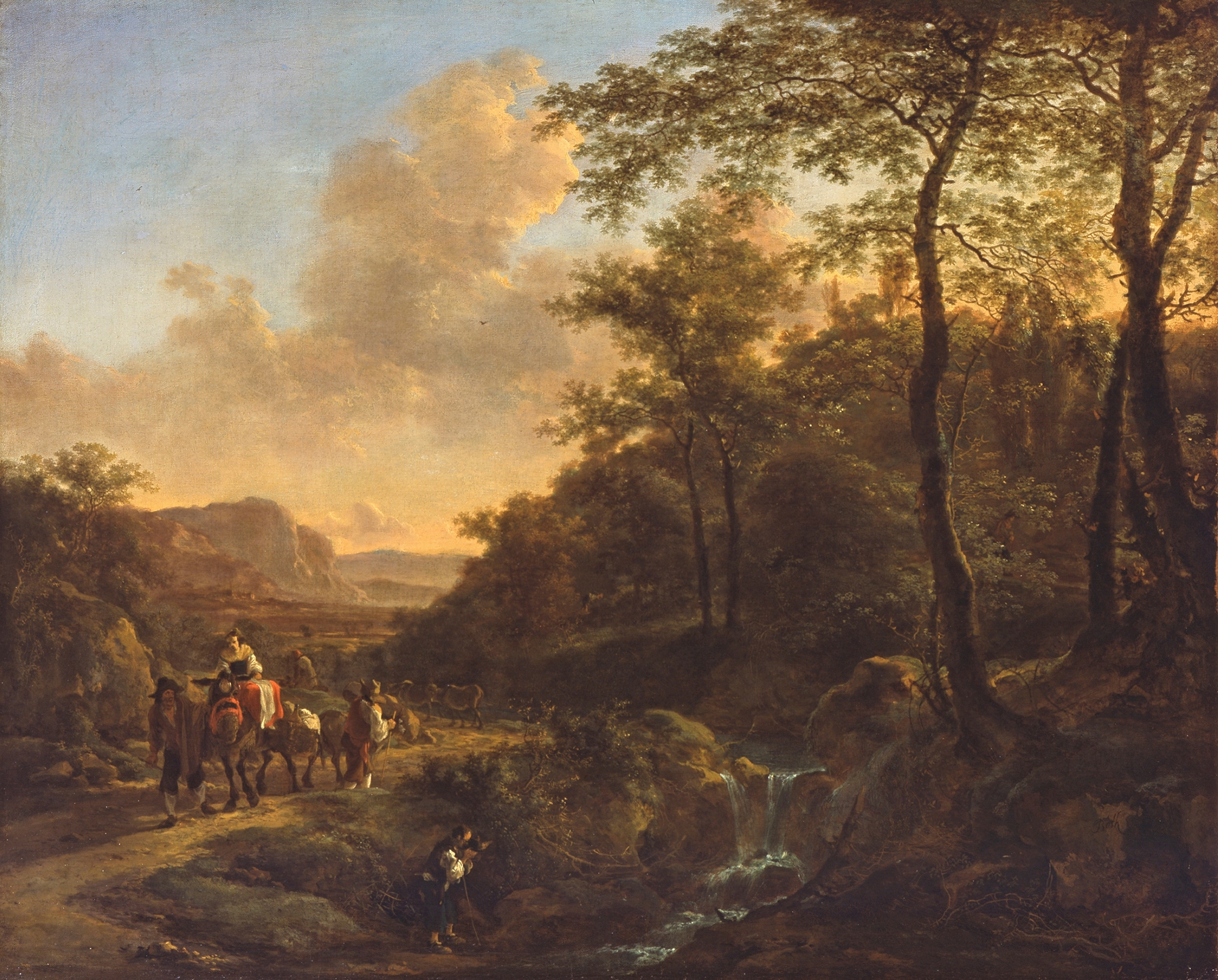
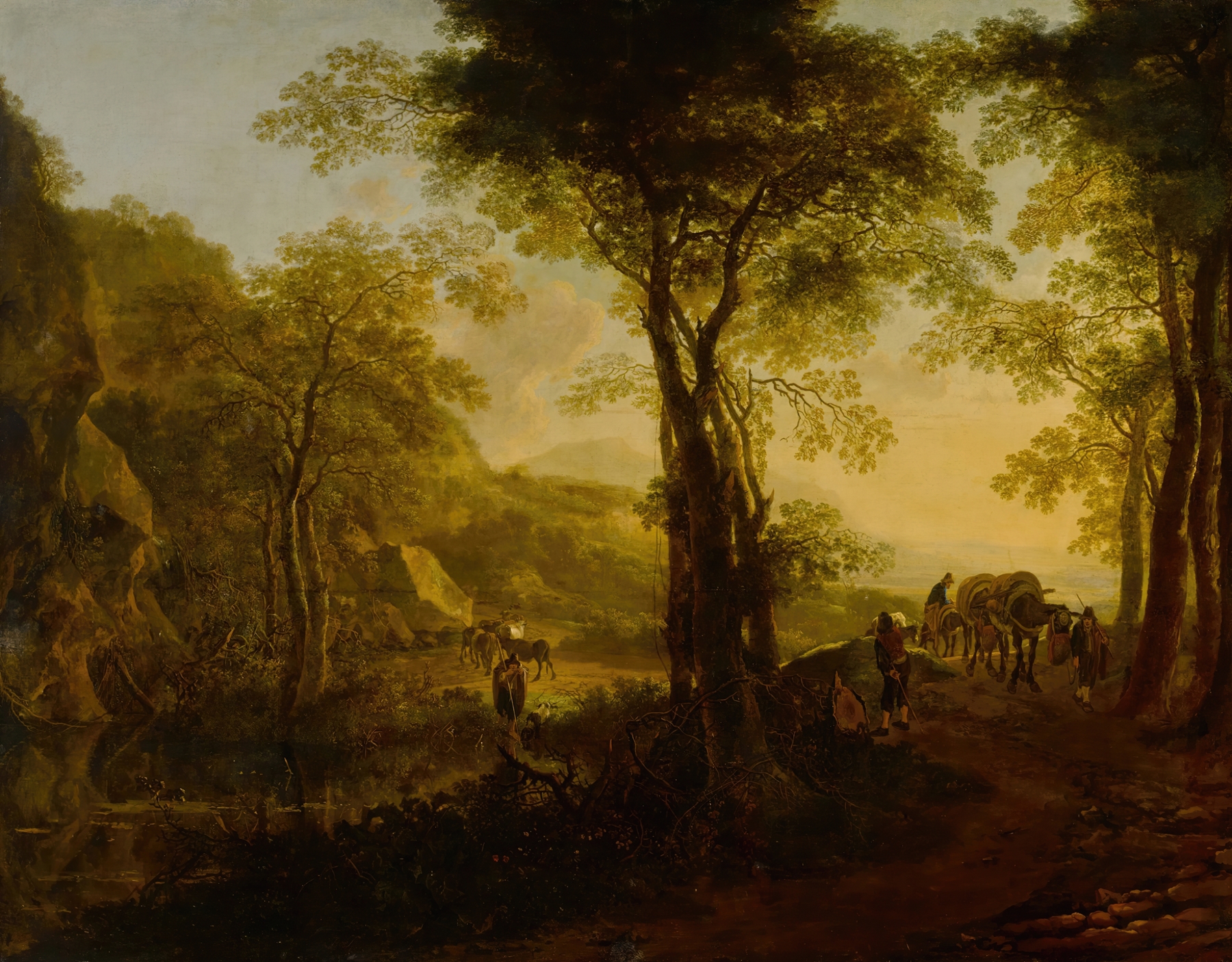
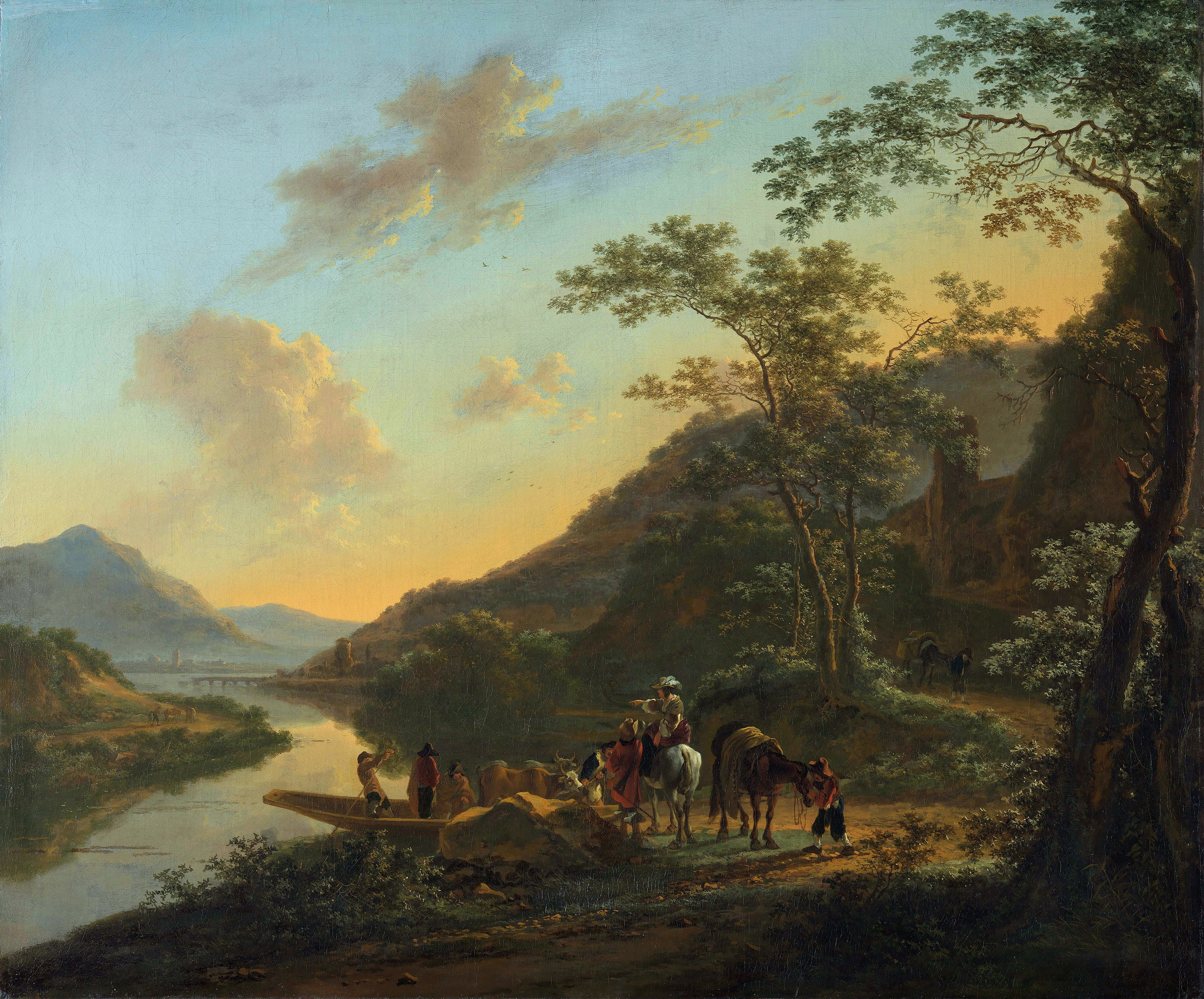
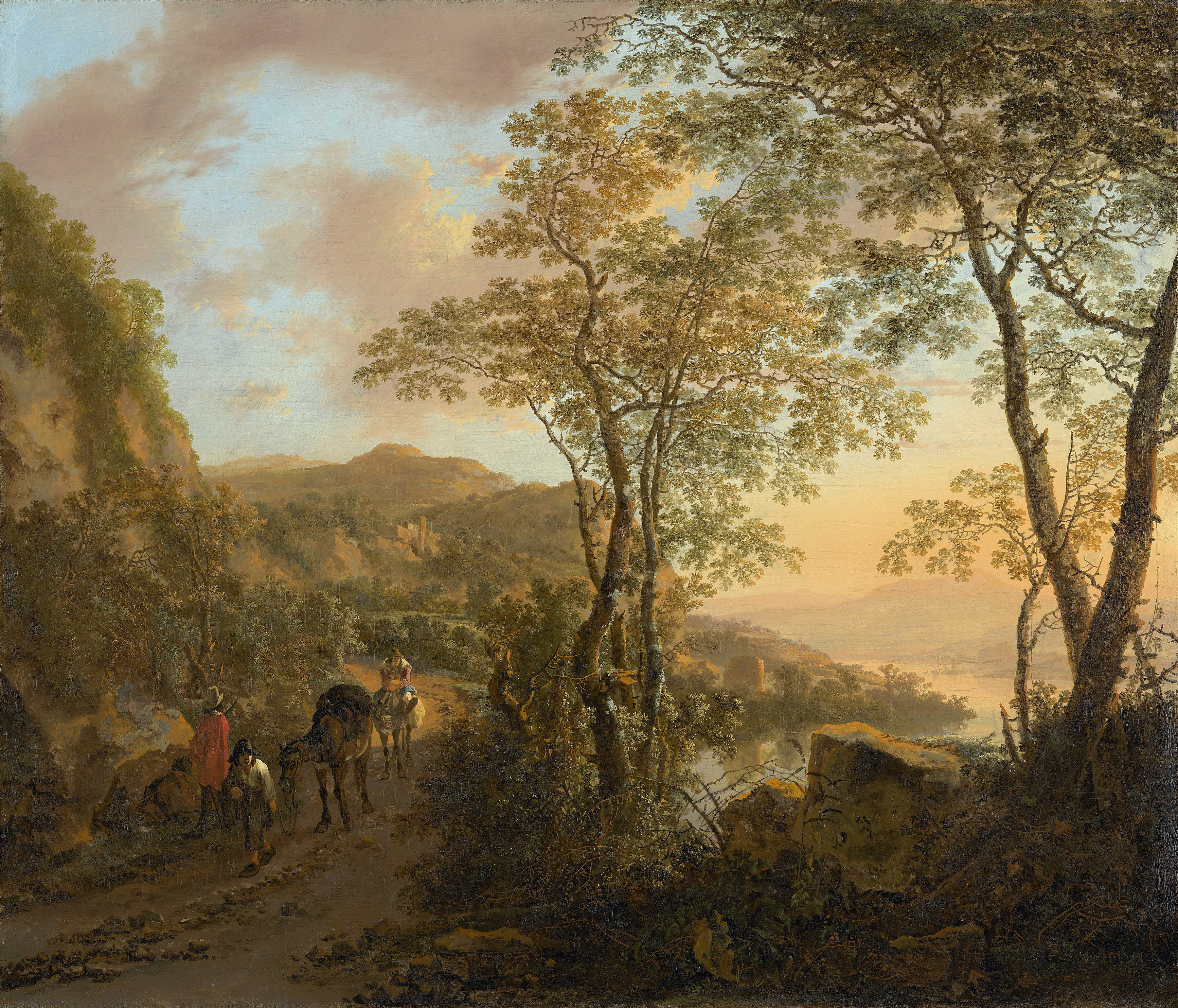
When did color learn to lie? The hues in this landscape weave a narrative of ecstasy, blending reality with the whimsy of imagination. Look to the right at the delicate arch of the Ponte Lucano, its reflection shimmering softly upon the Aniene River. The verdant greenery envelops the scene, creating a vibrant backdrop that dances with life under the golden embrace of sunlight.
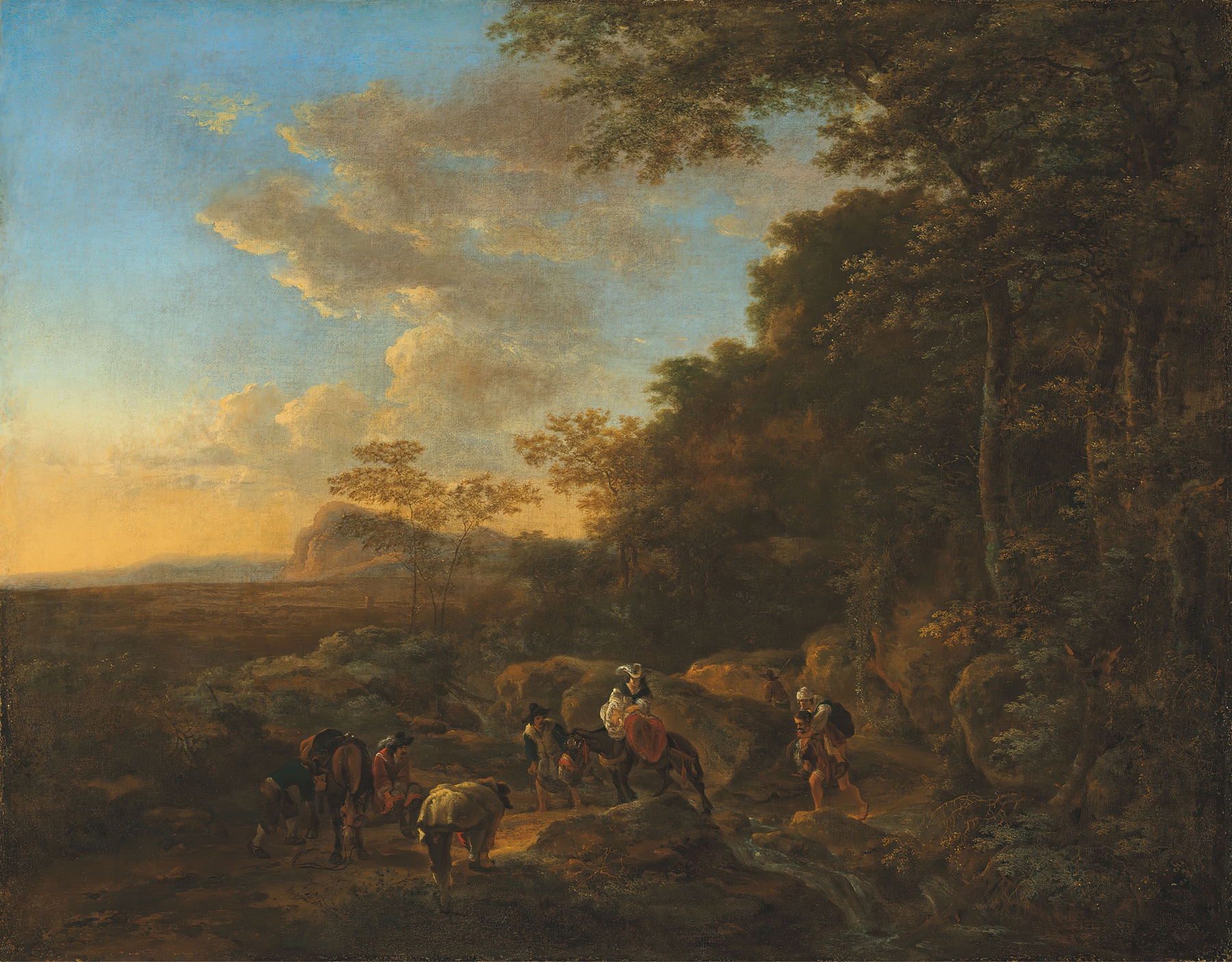
Notice how the sky transitions from a gentle azure to warm amber, hinting at the day's end. The masterful brushwork captures the flutter of leaves, inviting the viewer to step into the serenity of nature. Within this idyllic scene, contrasts emerge that reveal deeper tensions. The tranquil river, symbolizing the passage of time, flows steadily beneath the bridge, while the looming mountains in the background represent the steadfastness of nature—an eternal witness to human endeavors.
The bright colors of the landscape evoke joy, yet the shadows hint at a complexity beneath the surface, suggesting that even in beauty, life holds its dualities. At this time, the artist worked in the Netherlands, influenced by the emerging trend of Italianate landscapes. Completed around 1650-1652, this piece reflects Both's blending of Northern realism with the luminous colors found in Italian scenery. This period marked a significant turning point in landscape painting, with artists seeking to capture not just the physical beauty of nature, but its emotional resonance, paving the way for future explorations in the genre.