Italiaans landschap — History & Analysis
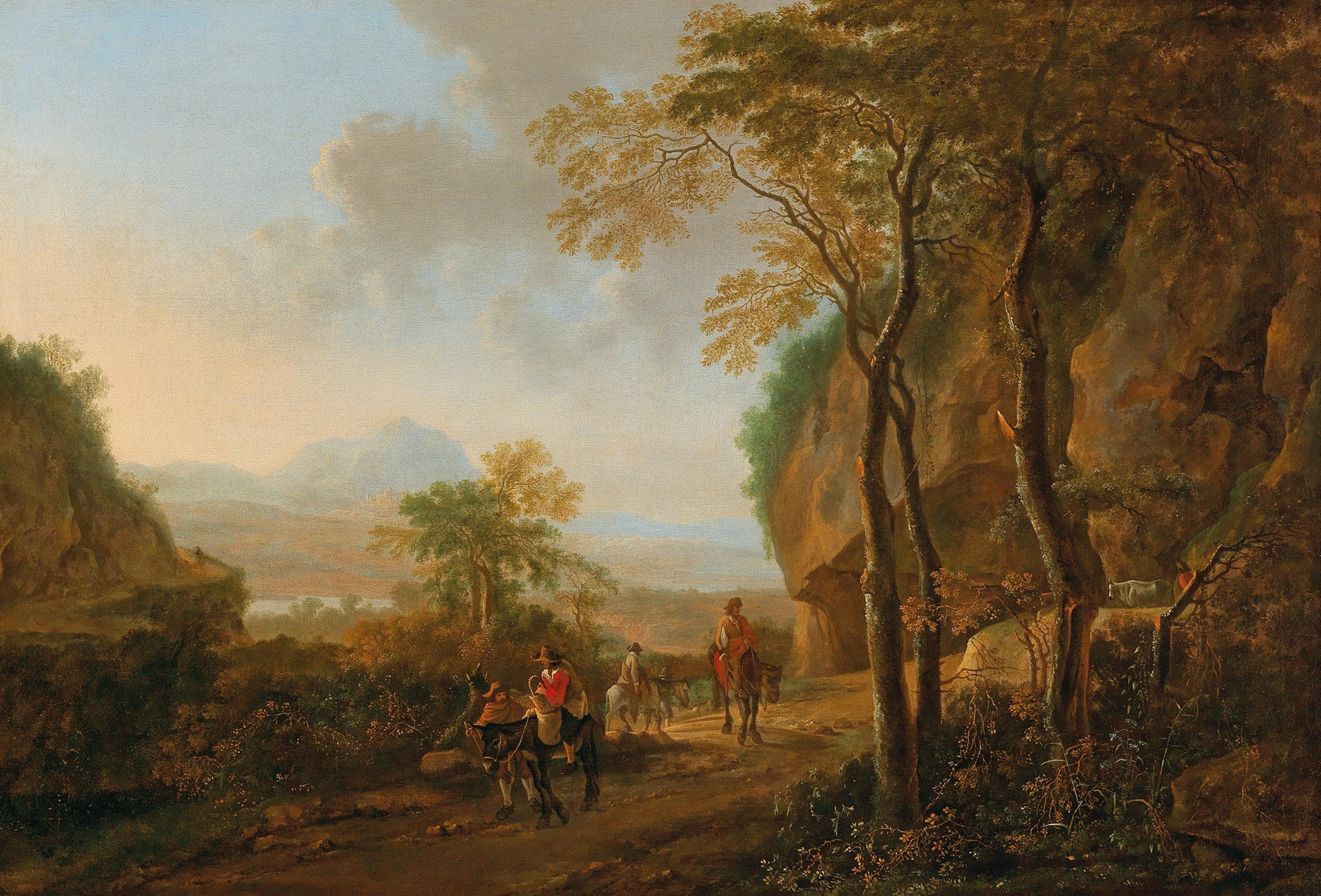
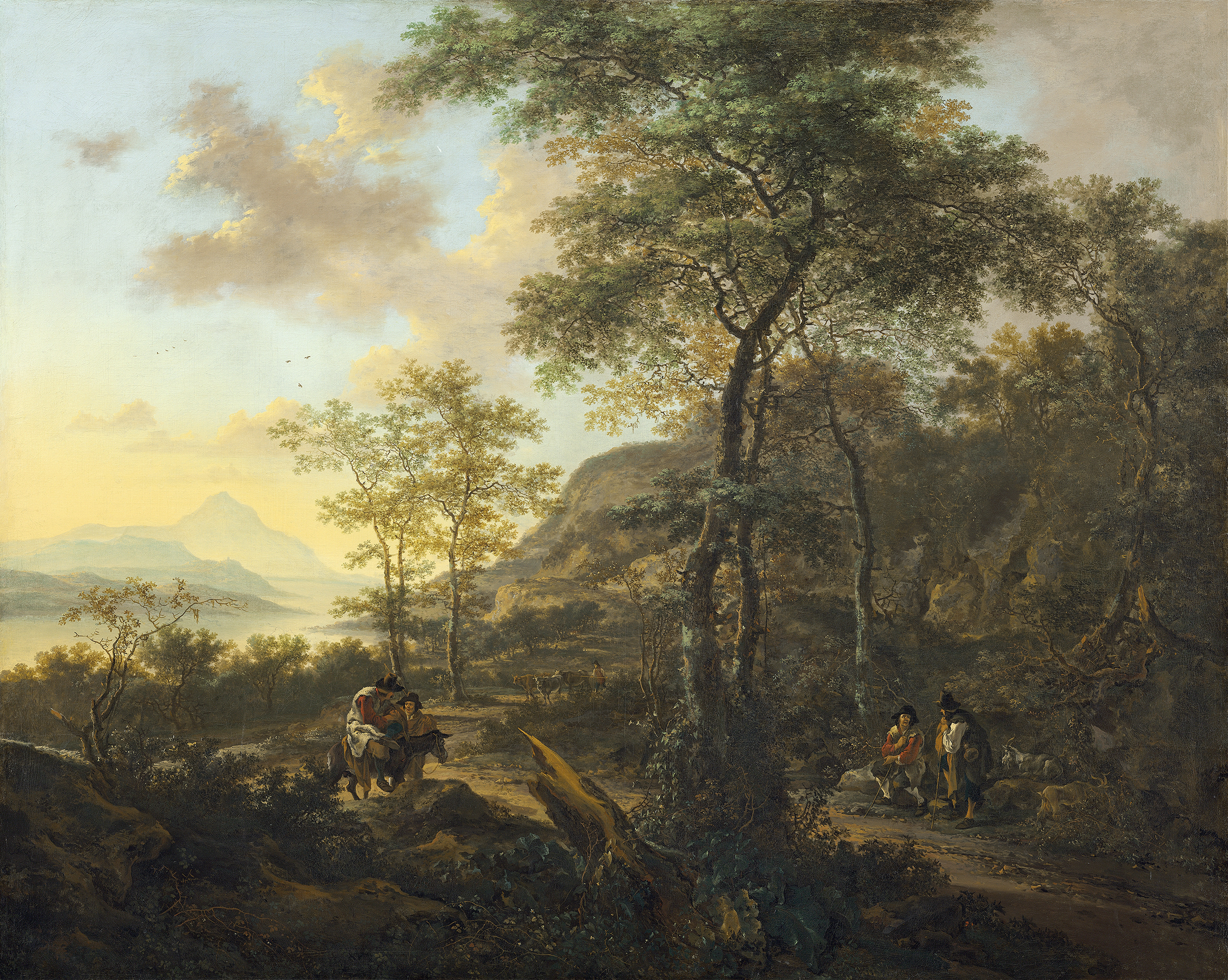
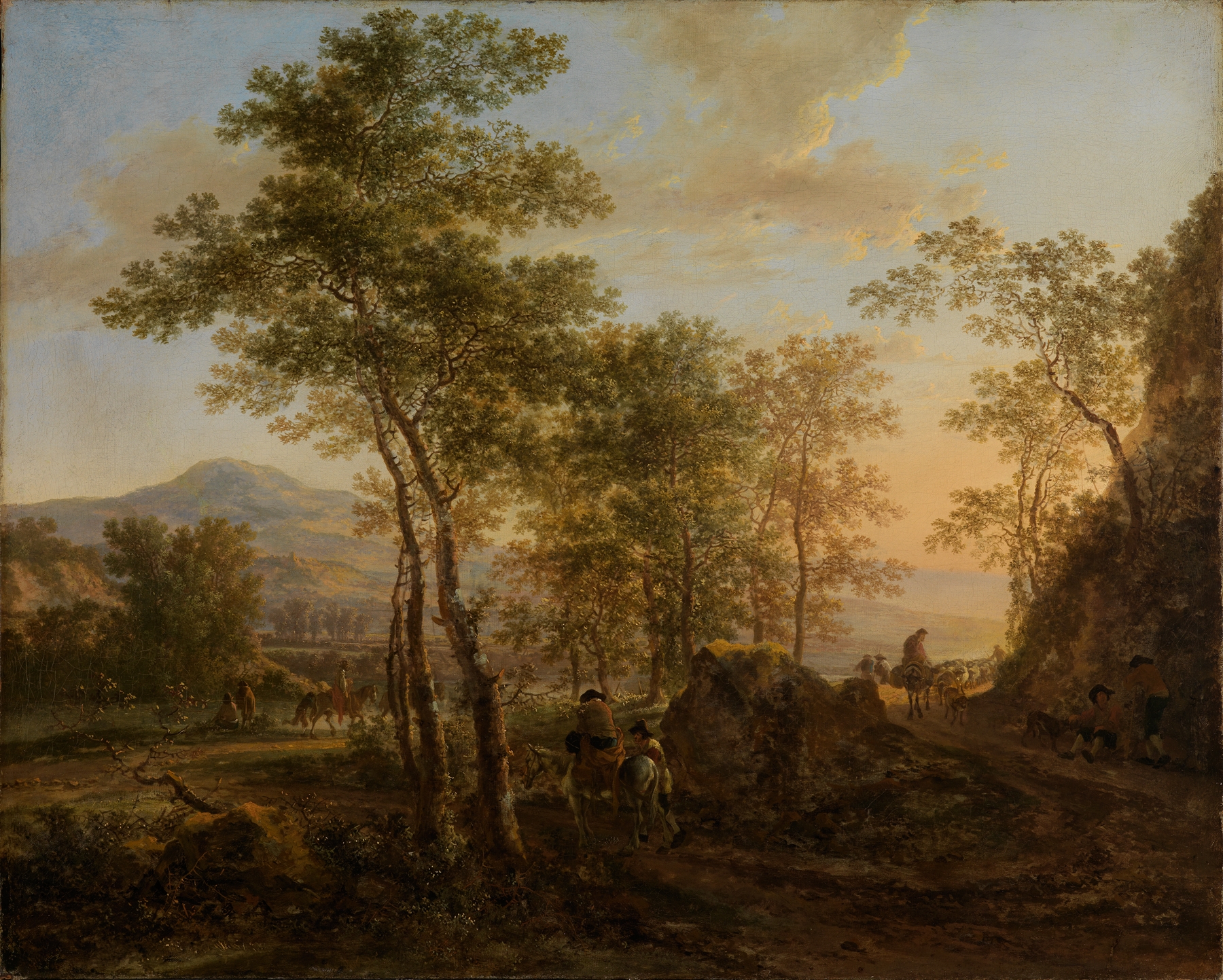
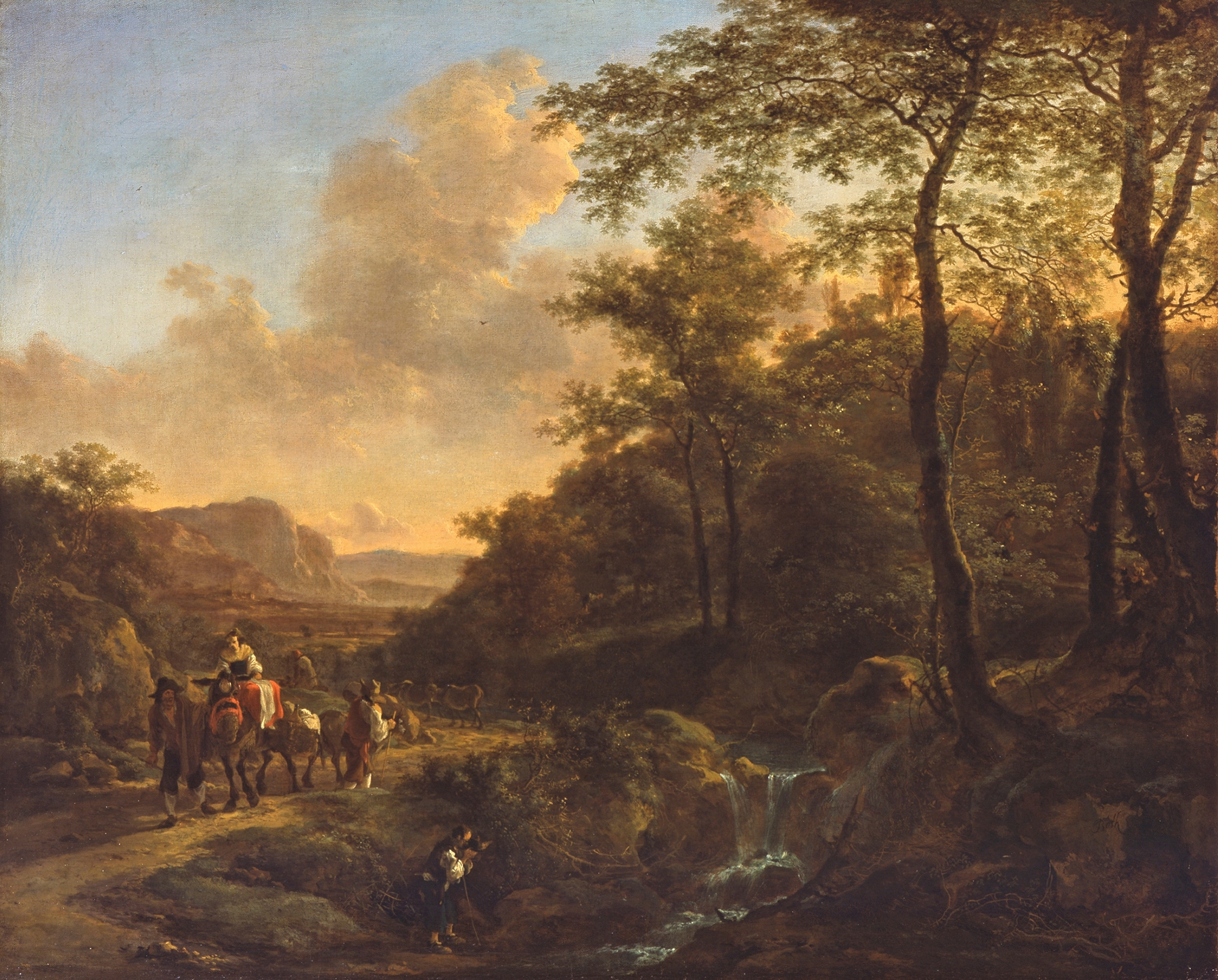
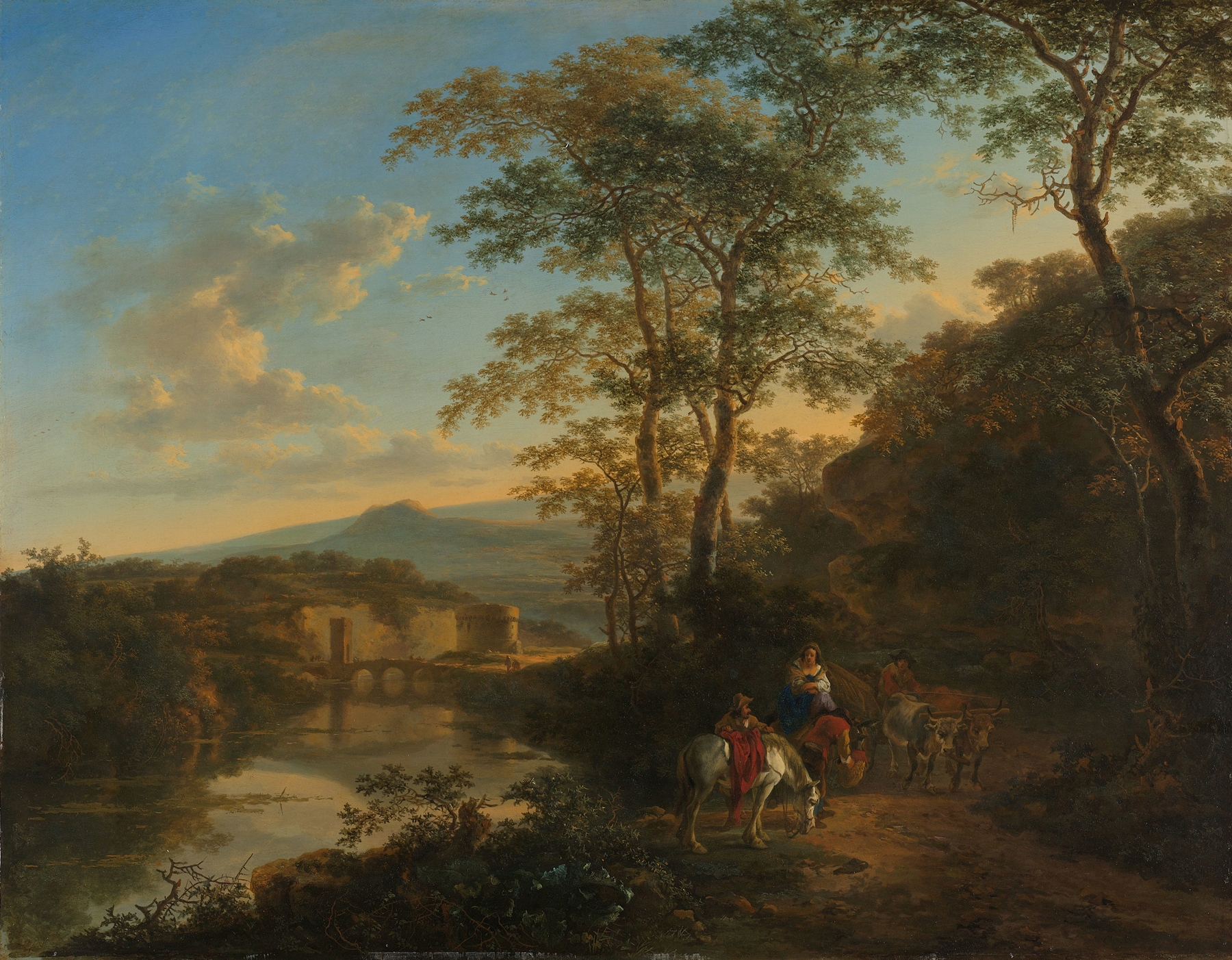
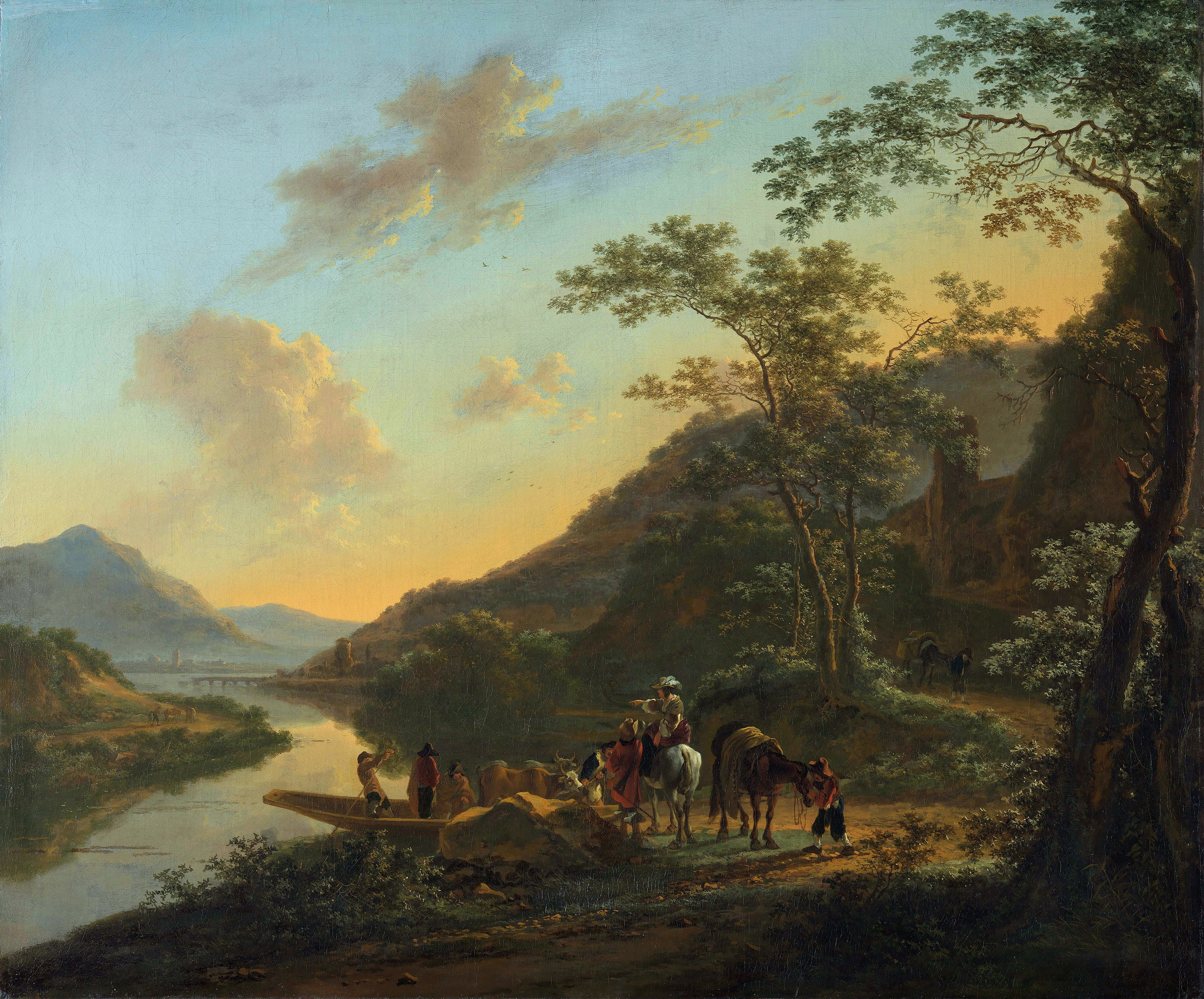
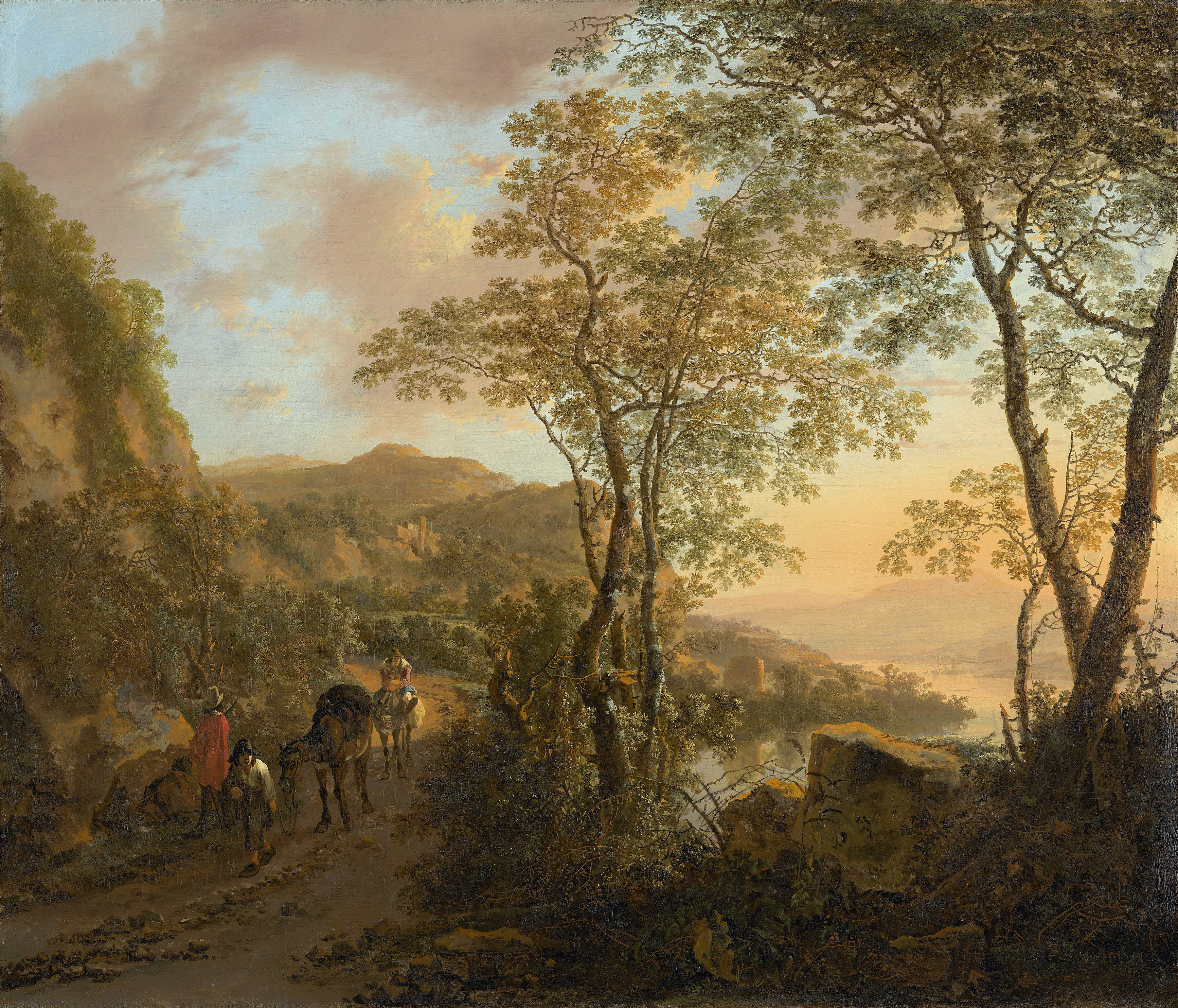
What secret hides in the quiet of the canvas? In this serene expanse, destiny unfolds through the gentle brushstrokes of a master, inviting contemplation and connection. Look to the left at the delicate line of hills, their soft curves painted in muted greens and browns, echoing the earth’s embrace. Notice how the light falls upon the foreground, where a tranquil river reflects a myriad of sky colors, melding blues and pinks, hinting at the transition from day to dusk.
The composition guides the eye toward the horizon, creating a sense of depth and serenity that envelops the viewer. Hidden beneath the tranquil surface, emotions rise like the mist over the water’s edge. The interplay of light and shadow suggests a fleeting moment, capturing the inevitability of change and the passage of time. The quiet figures in the distance, seemingly insignificant, serve as a reminder of humanity's smallness within the vast landscape, evoking a poignant sense of longing and introspection.
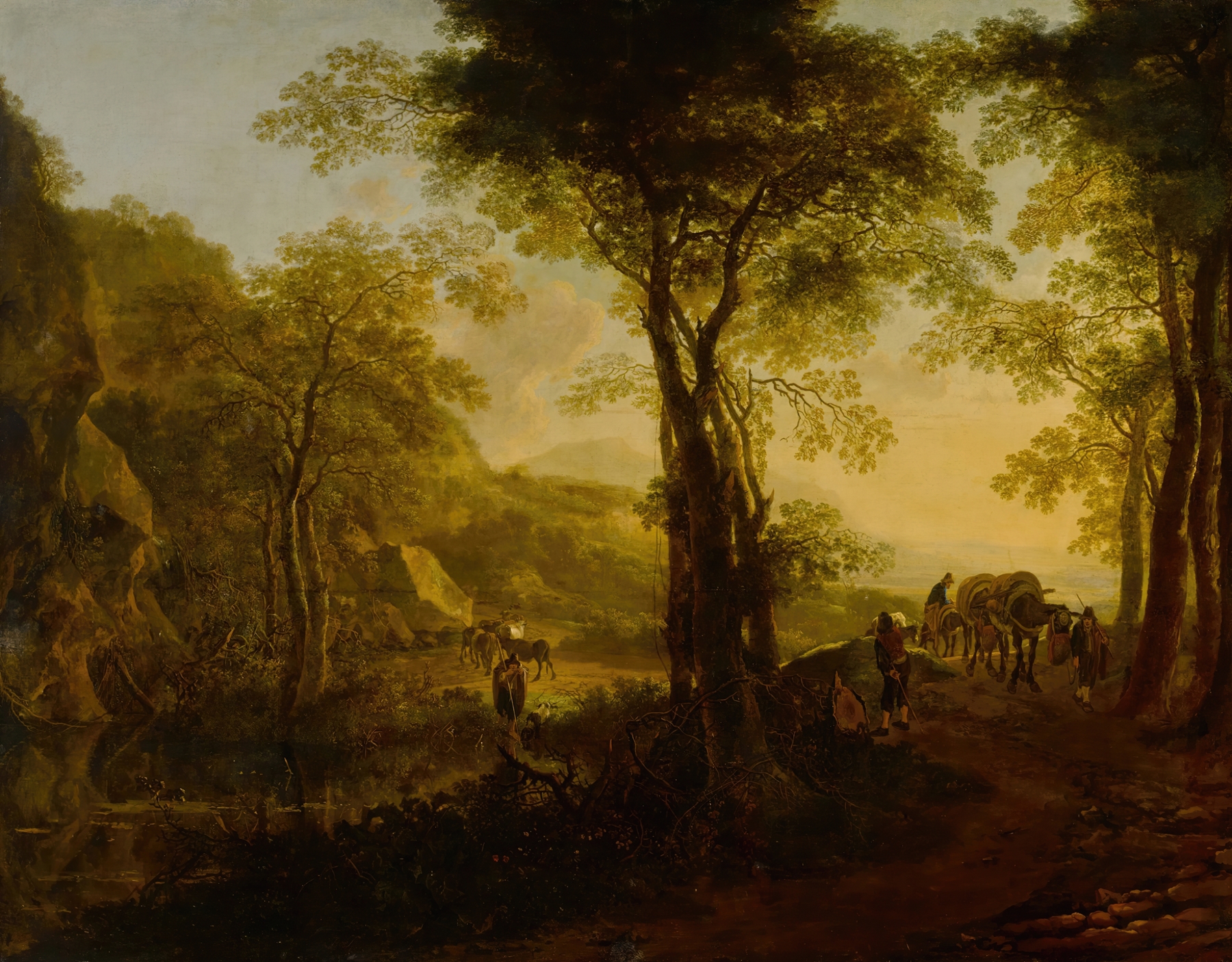
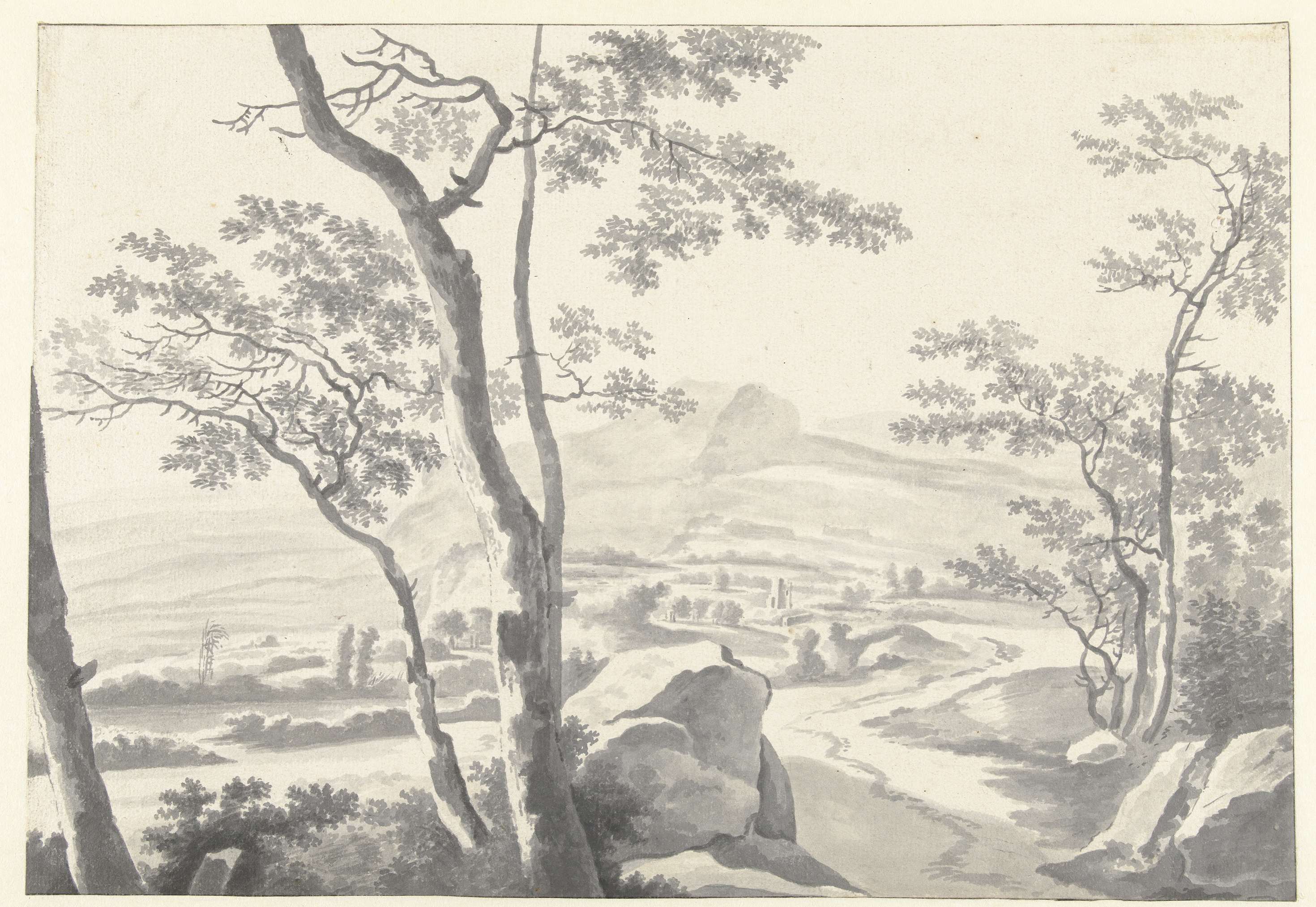
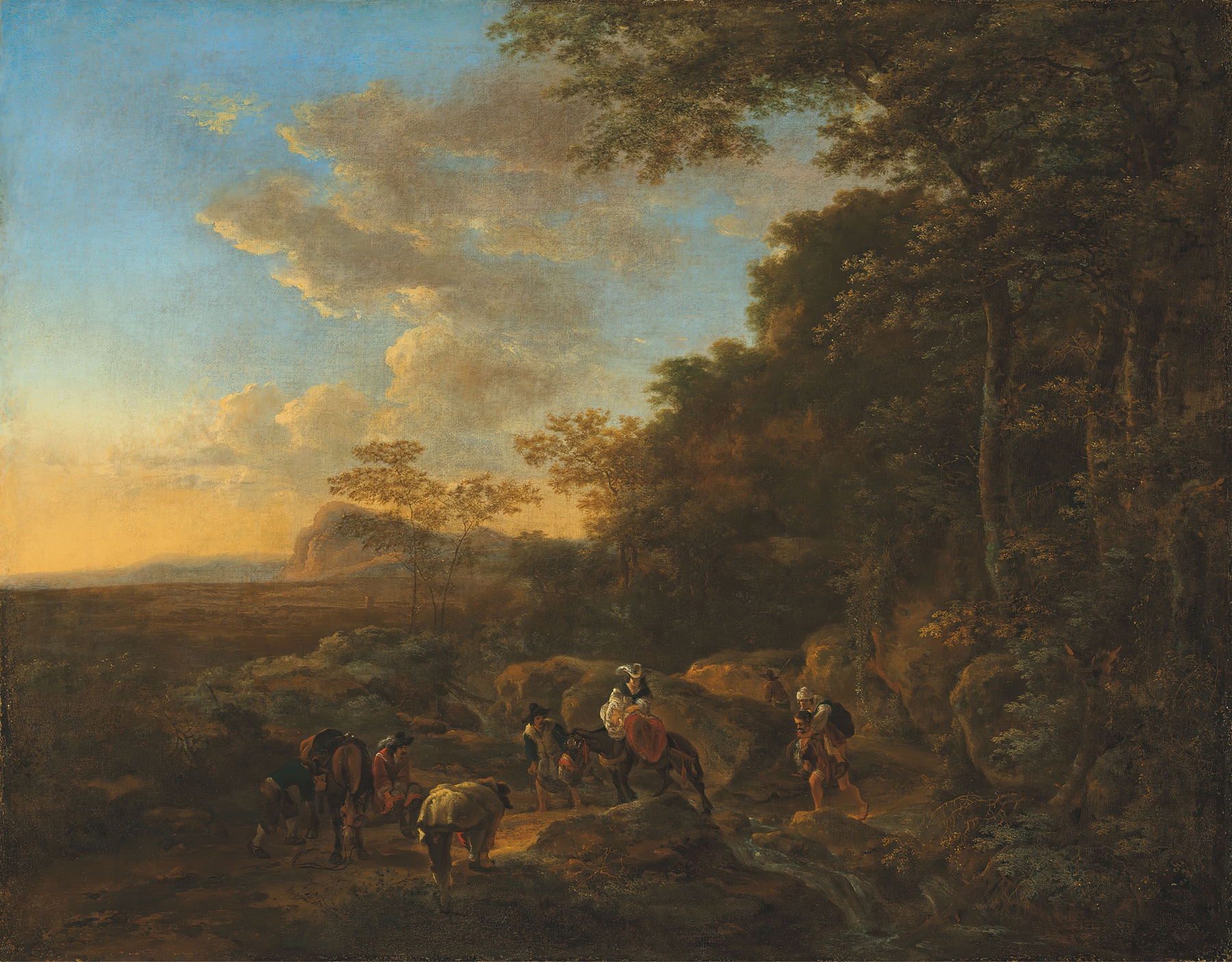
Nature's grandeur and the presence of man collide subtly, reflecting themes of destiny and existence. Jan Both painted Italiaans landschap during the early 17th century, a period marked by the transition from the Dutch Golden Age to the flourishing of Italianate landscapes. Living in Utrecht, he explored the interplay between light and nature, influenced by both Italian and Dutch artistic traditions. This work exemplifies the harmonious blend of these styles, capturing not only the beauty of the Italian countryside but also the artists’ personal journey in an evolving art world.