Landschap — History & Analysis
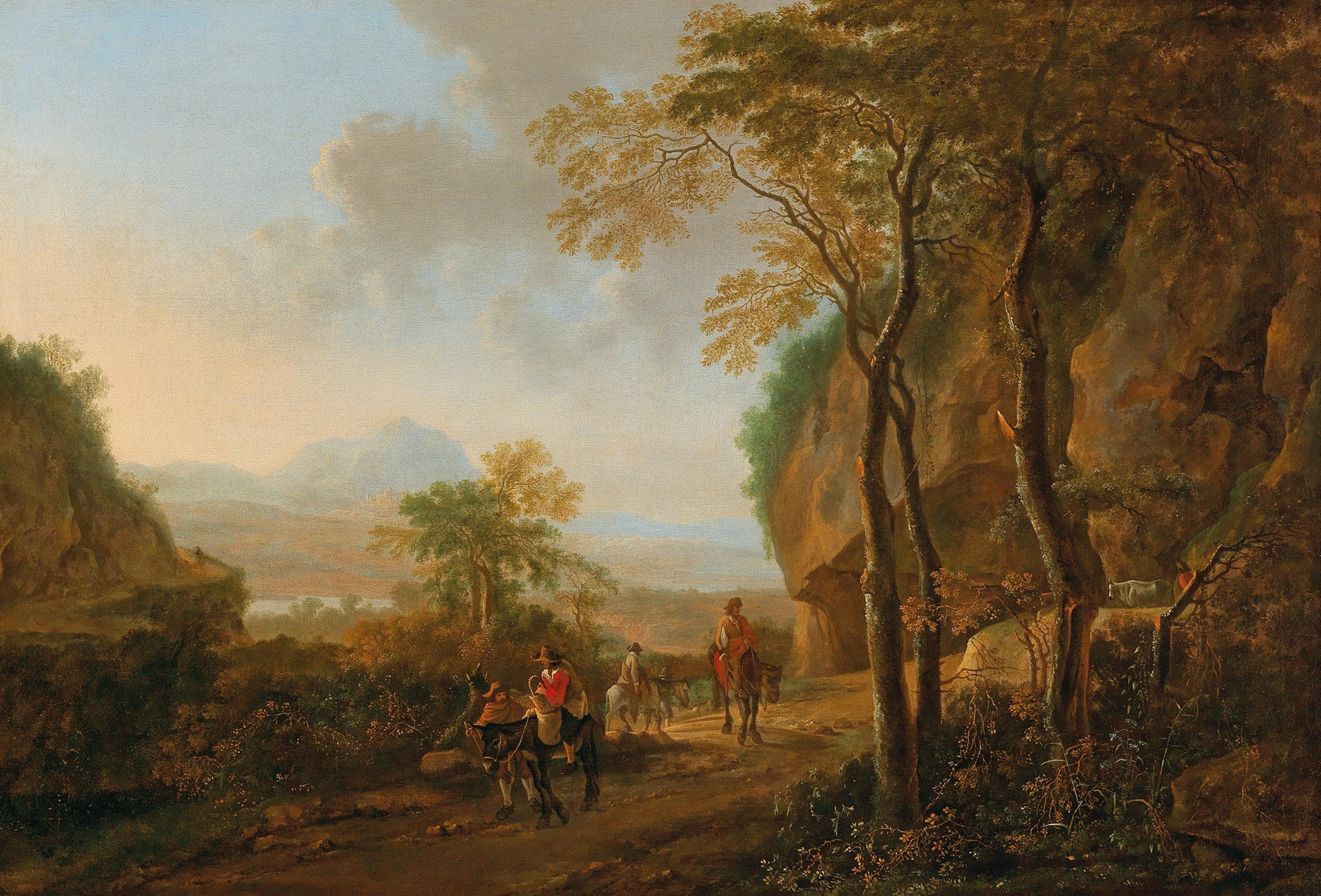
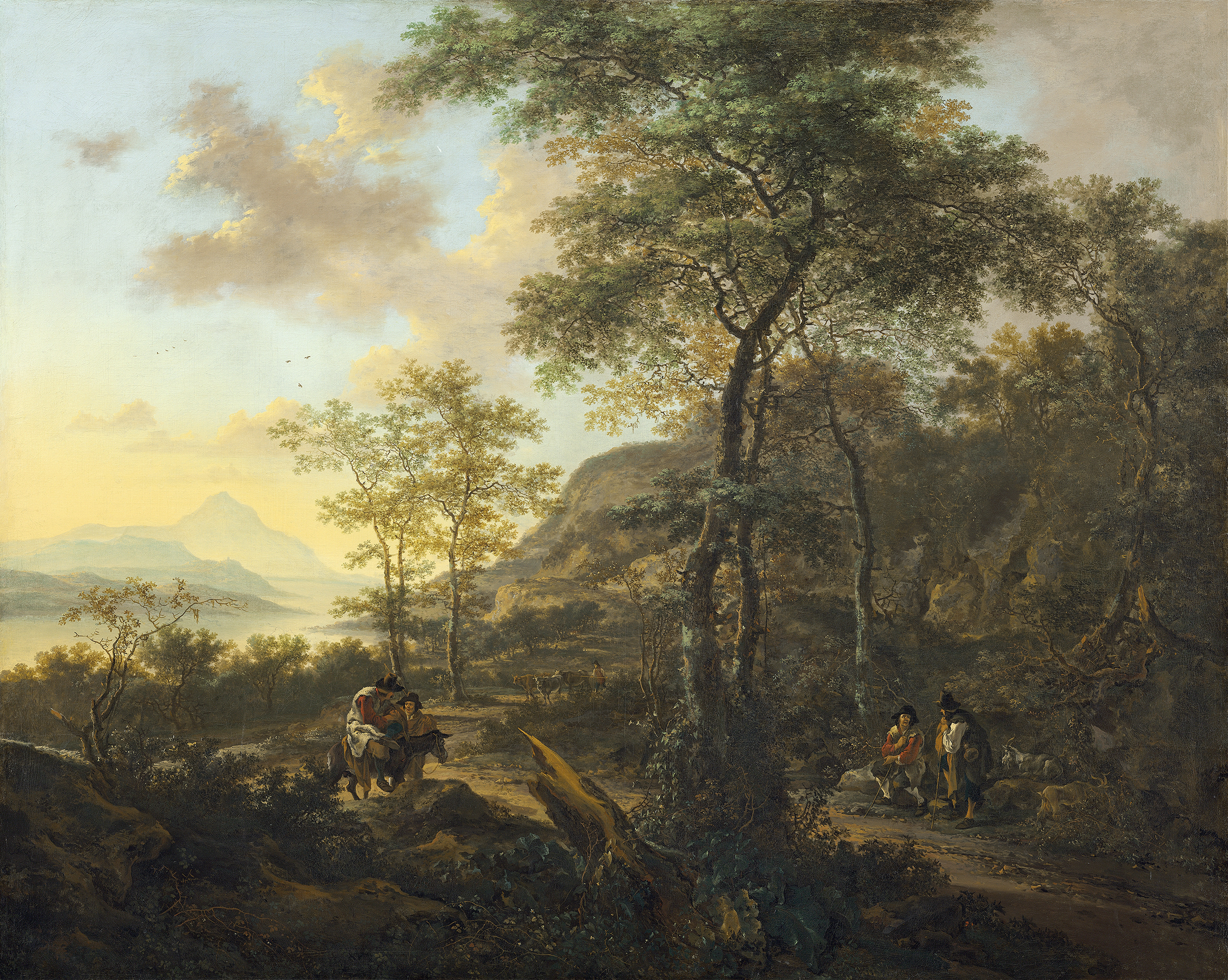
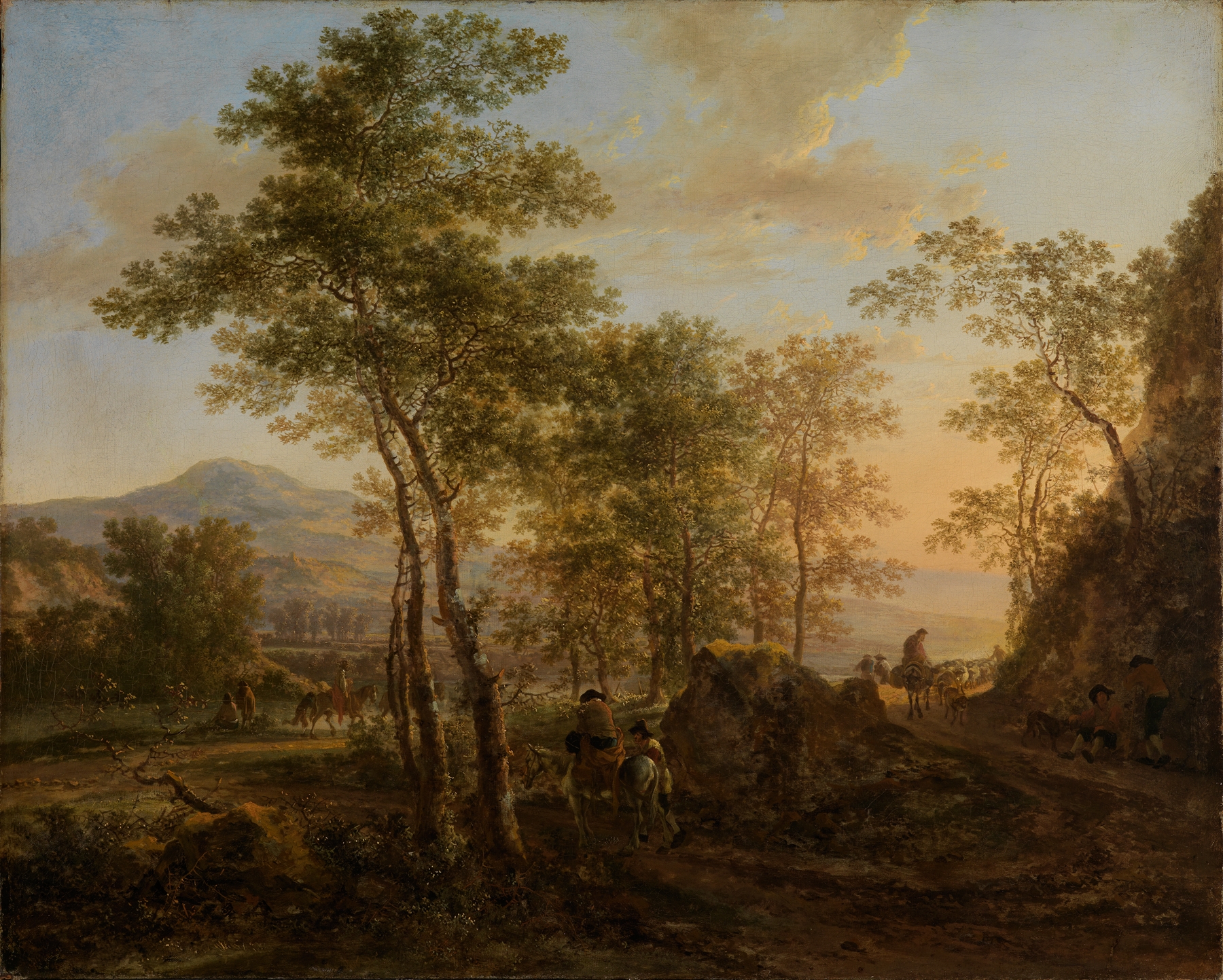
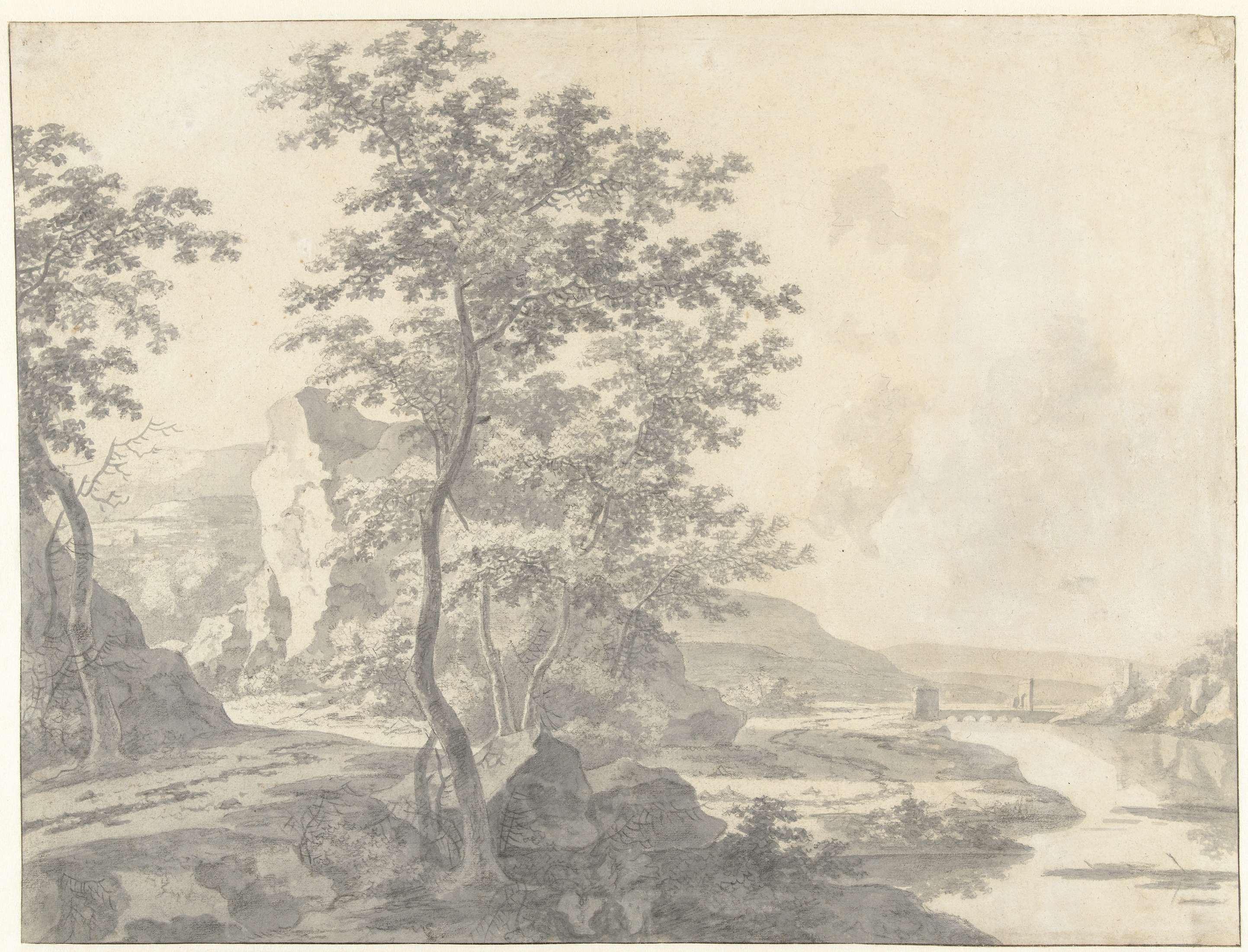
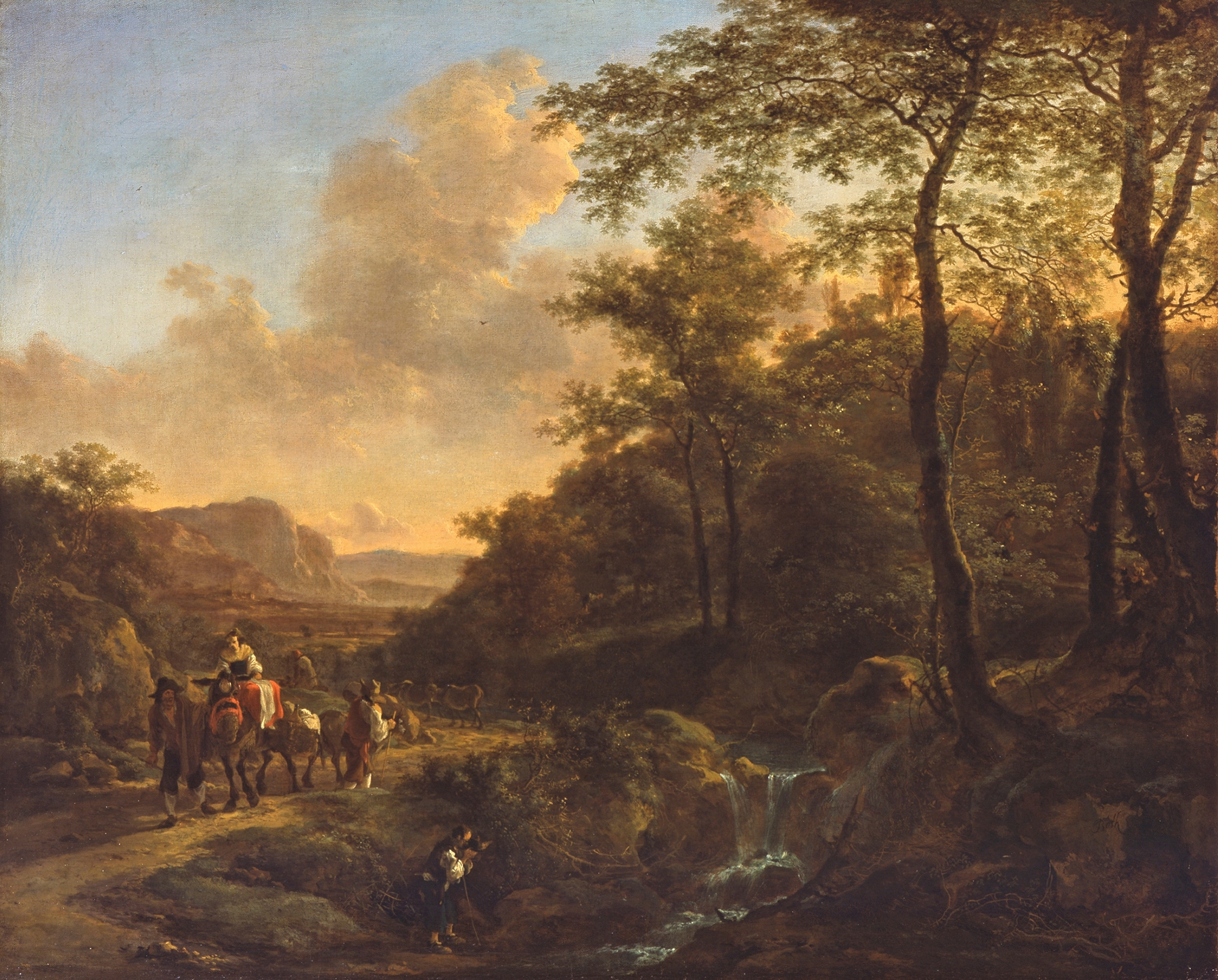
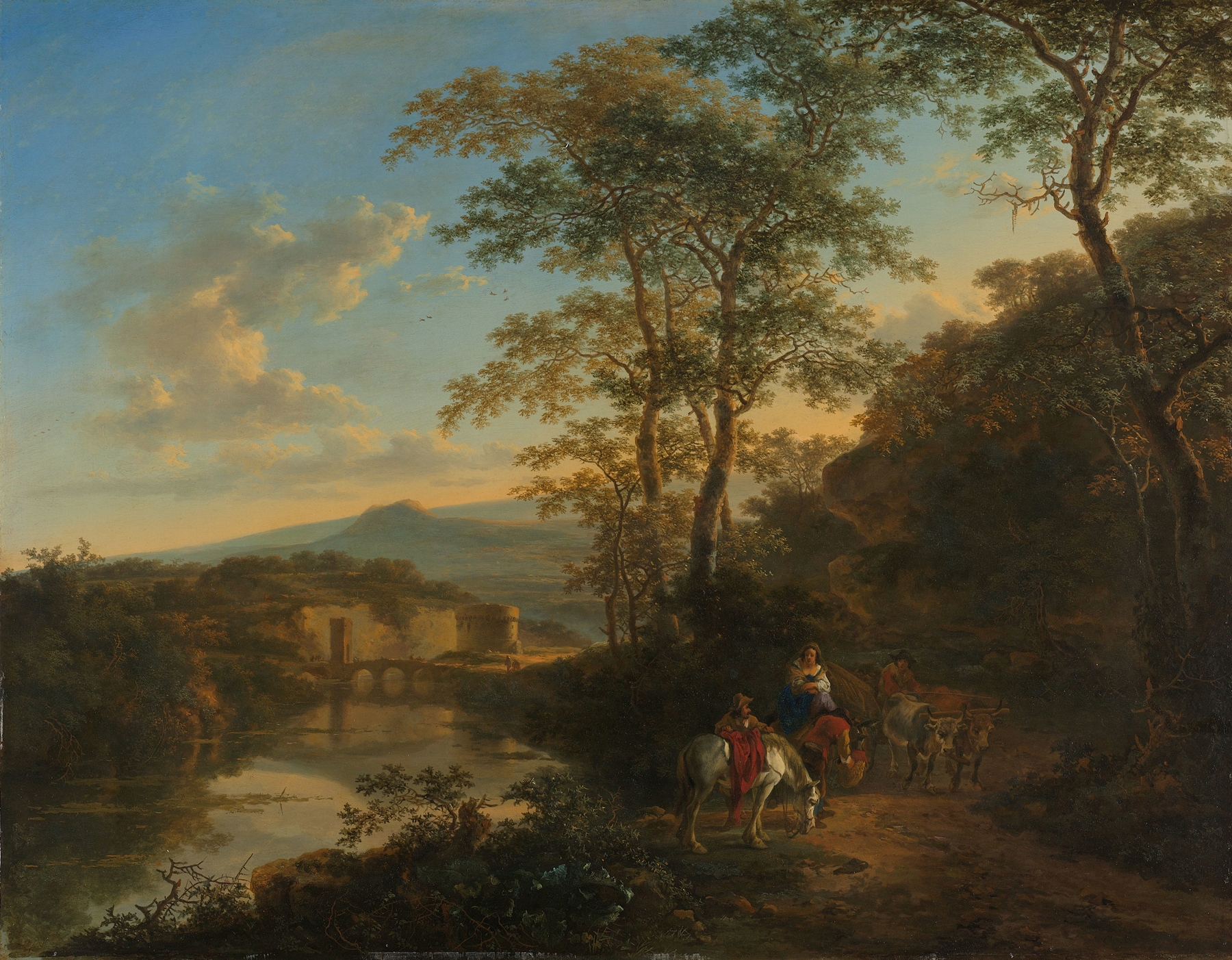
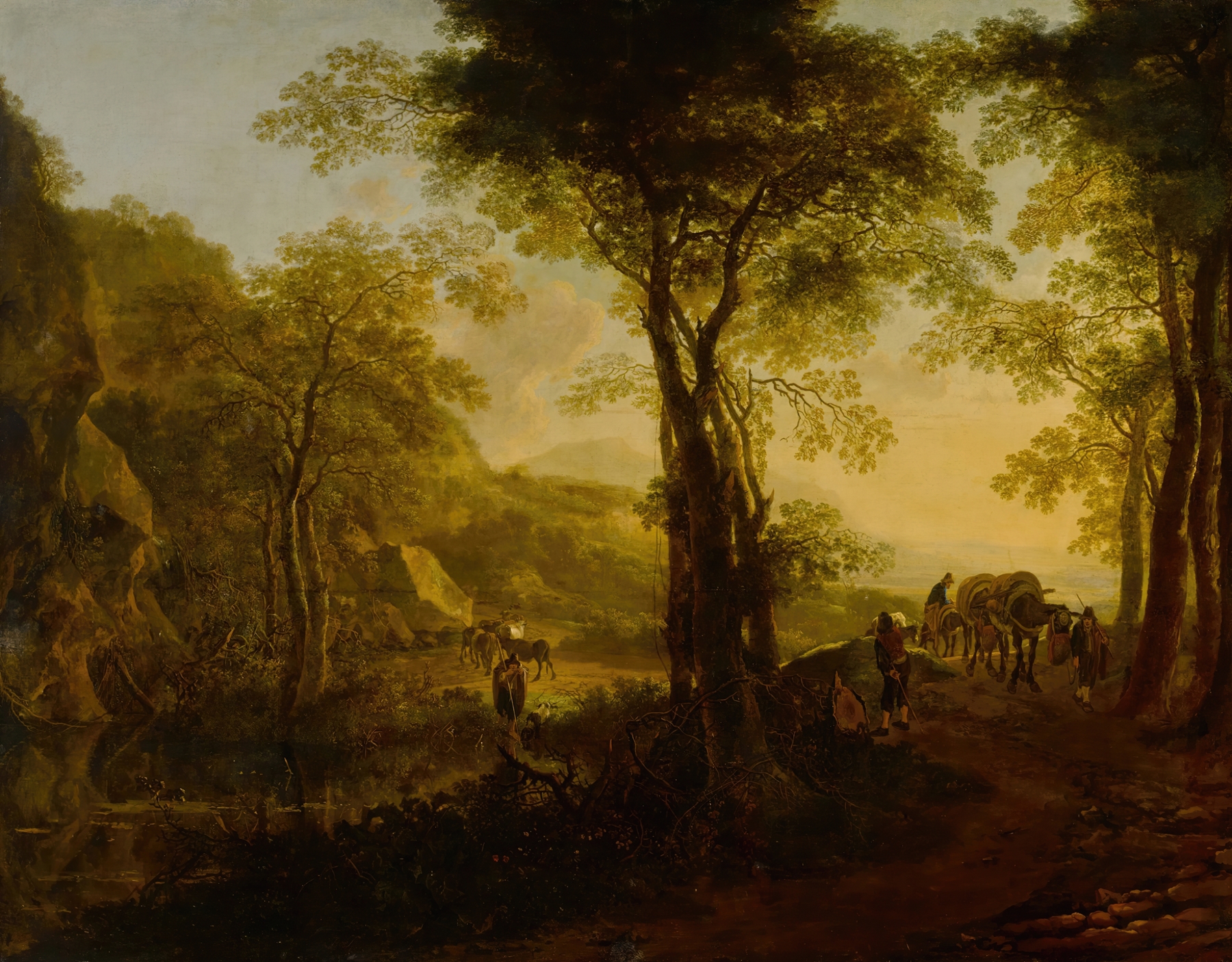
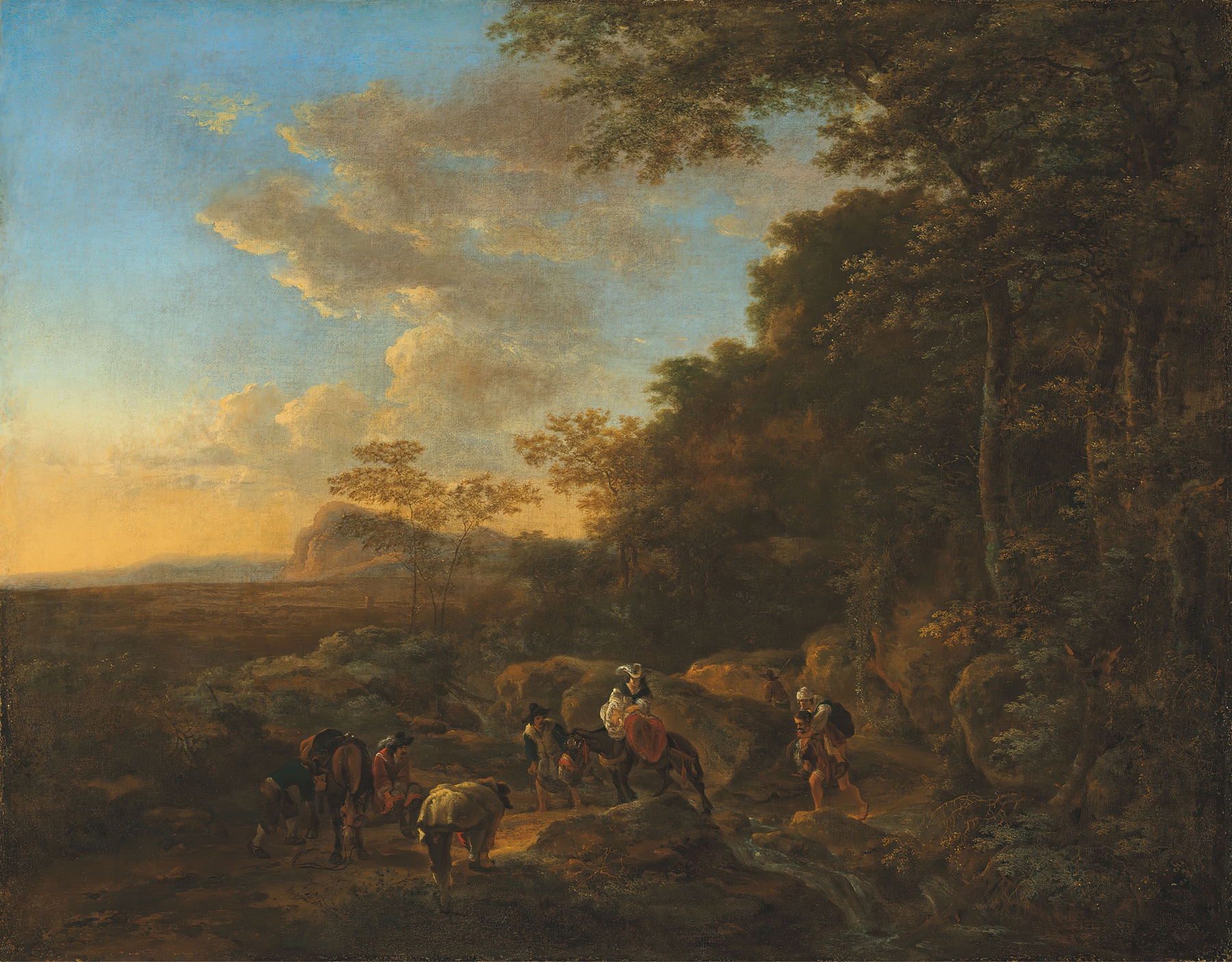
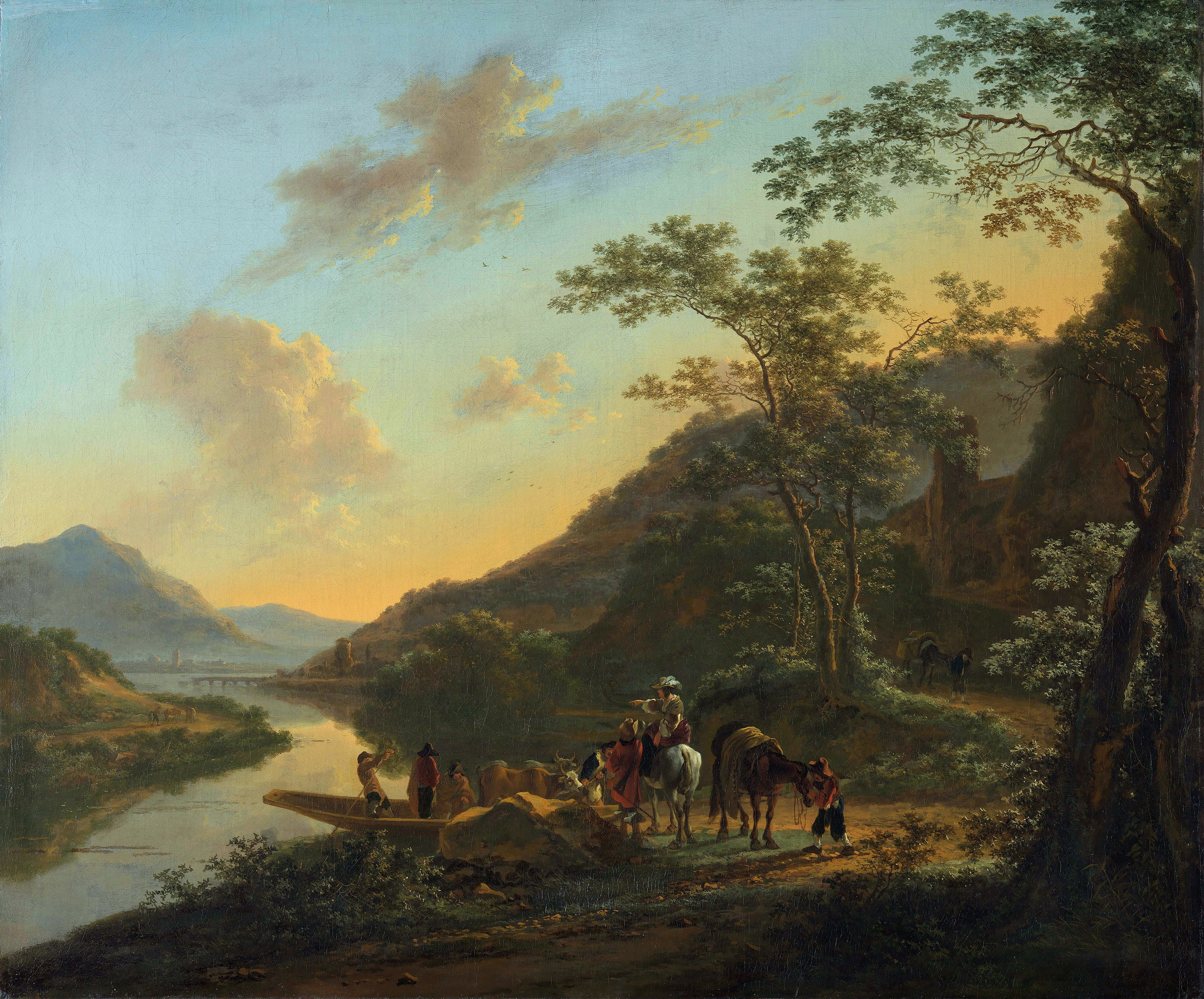
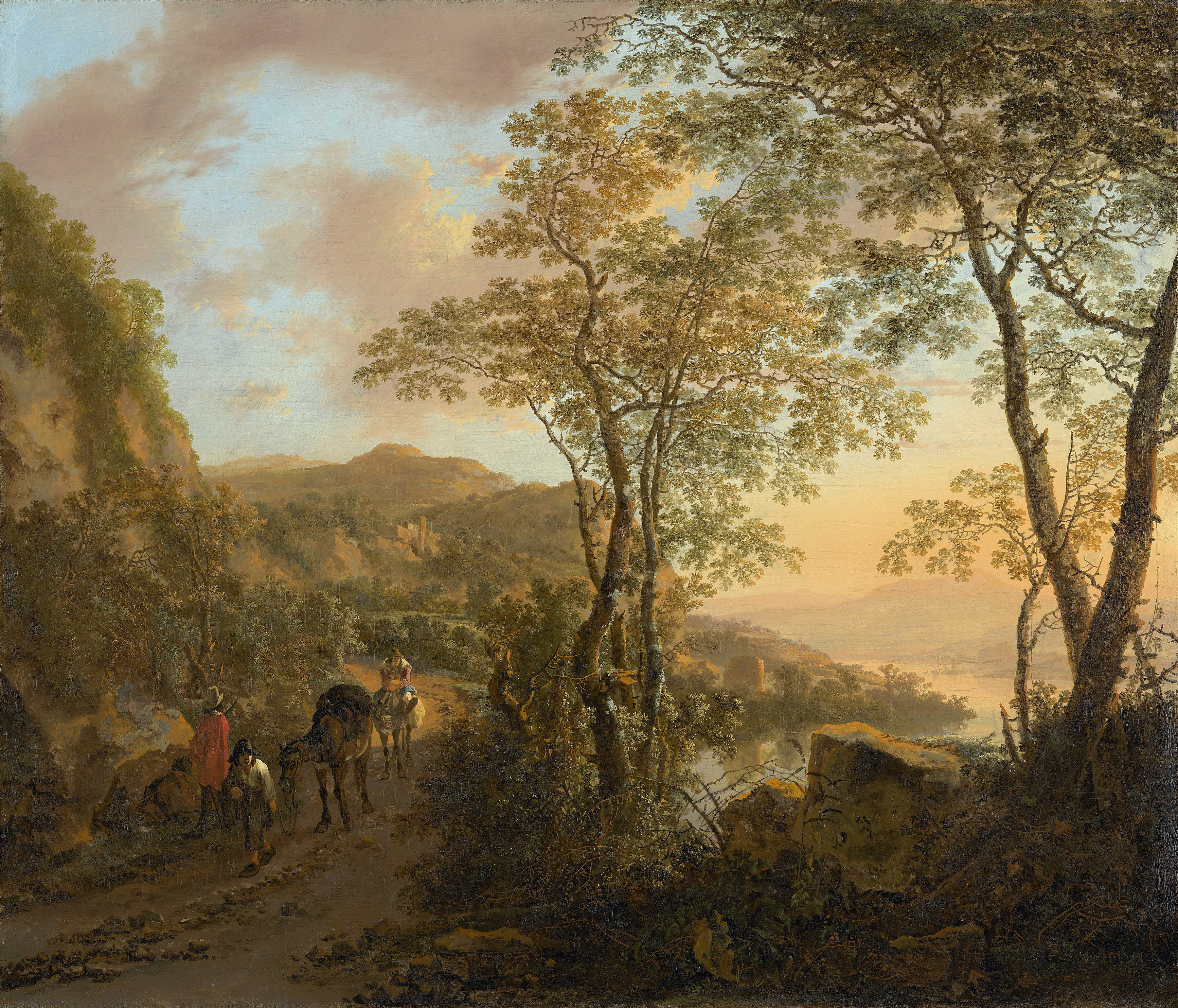
“Every brushstroke is a heartbeat remembered.” In Landschap, the canvas reverberates with the essence of rebirth, as nature awakens from its slumber. This painting invites viewers into a serene yet vibrant landscape where the whispers of life echo through the meticulously painted hills and tranquil waters. Look to the lower left, where the gentle curve of the river draws the eye, glistening with reflections of a soft, blue sky. Notice how the light dances upon the verdant foliage, its warm greens contrasting with the deep browns of the earth.
Each element is rendered with precision, showcasing Both's mastery of chiaroscuro, where shadows play alongside light to create depth, inviting the viewer to step into this peaceful realm. As you explore further, observe the subtle interplay of the figures meandering in the foreground, their presence a testament to humanity's bond with nature. The distant mountains cradle the scene, hinting at both the solitude and expansiveness of the world beyond the frame.
This juxtaposition of tranquility and movement speaks to the eternal cycle of life, where rebirth and reflection coexist harmoniously. In the early 17th century, during his time in Italy and later upon returning to the Netherlands, Both crafted Landschap amidst a burgeoning interest in landscape painting. It was a period marked by a transition from religious themes to the celebration of the natural world, capturing the zeitgeist of a society seeking solace in the beauty of its surroundings.