Italian Landscape with a Draughtsman — History & Analysis
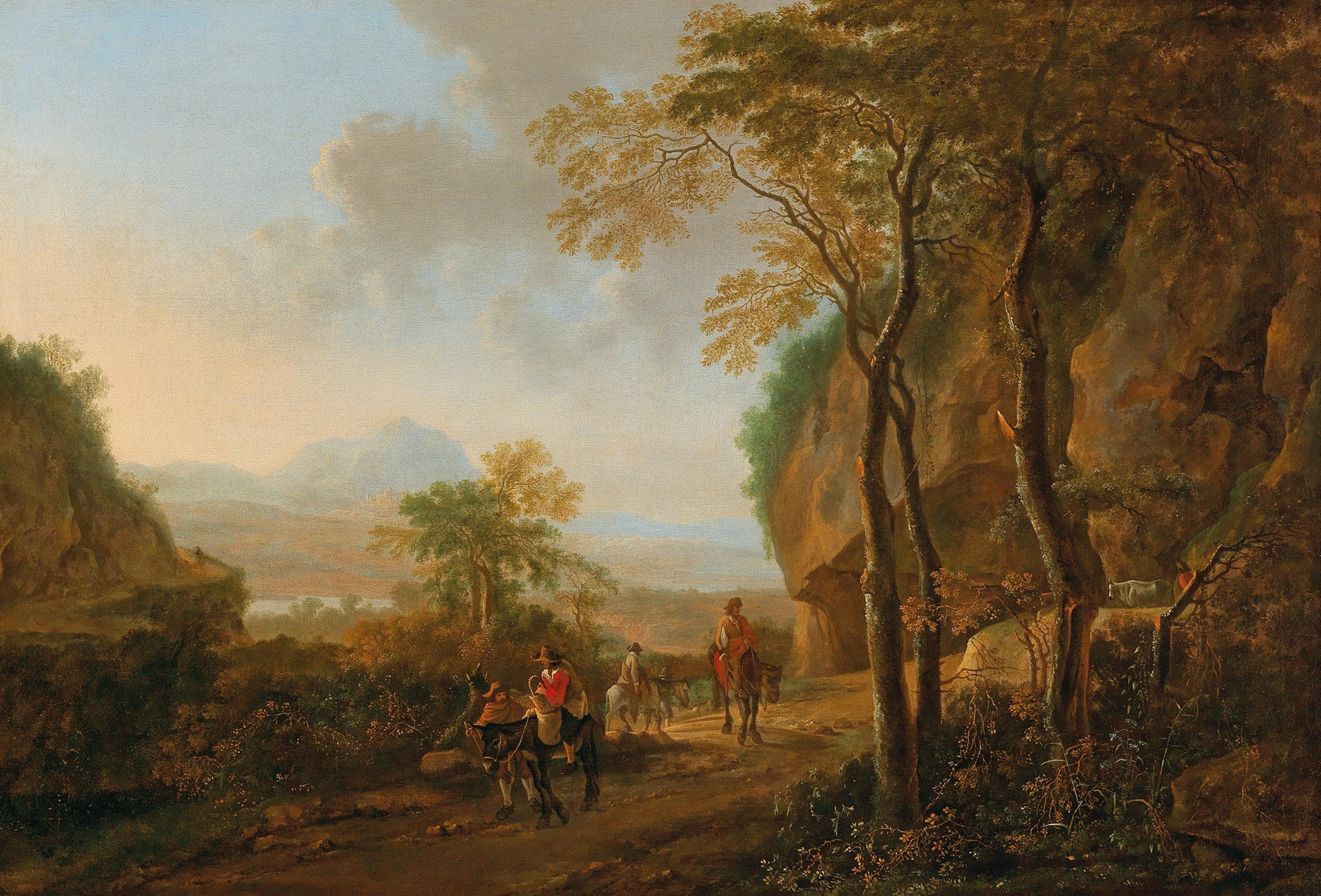
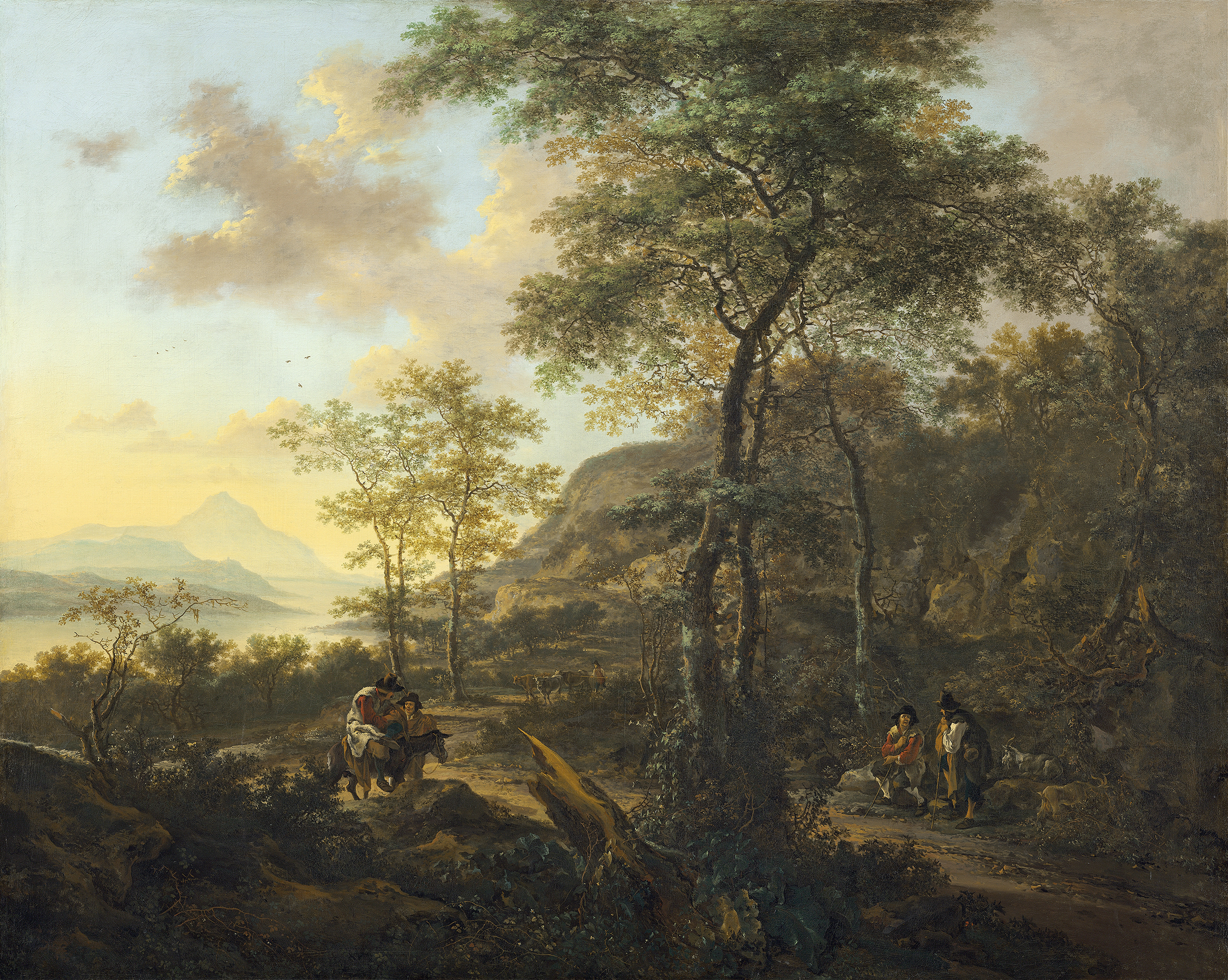
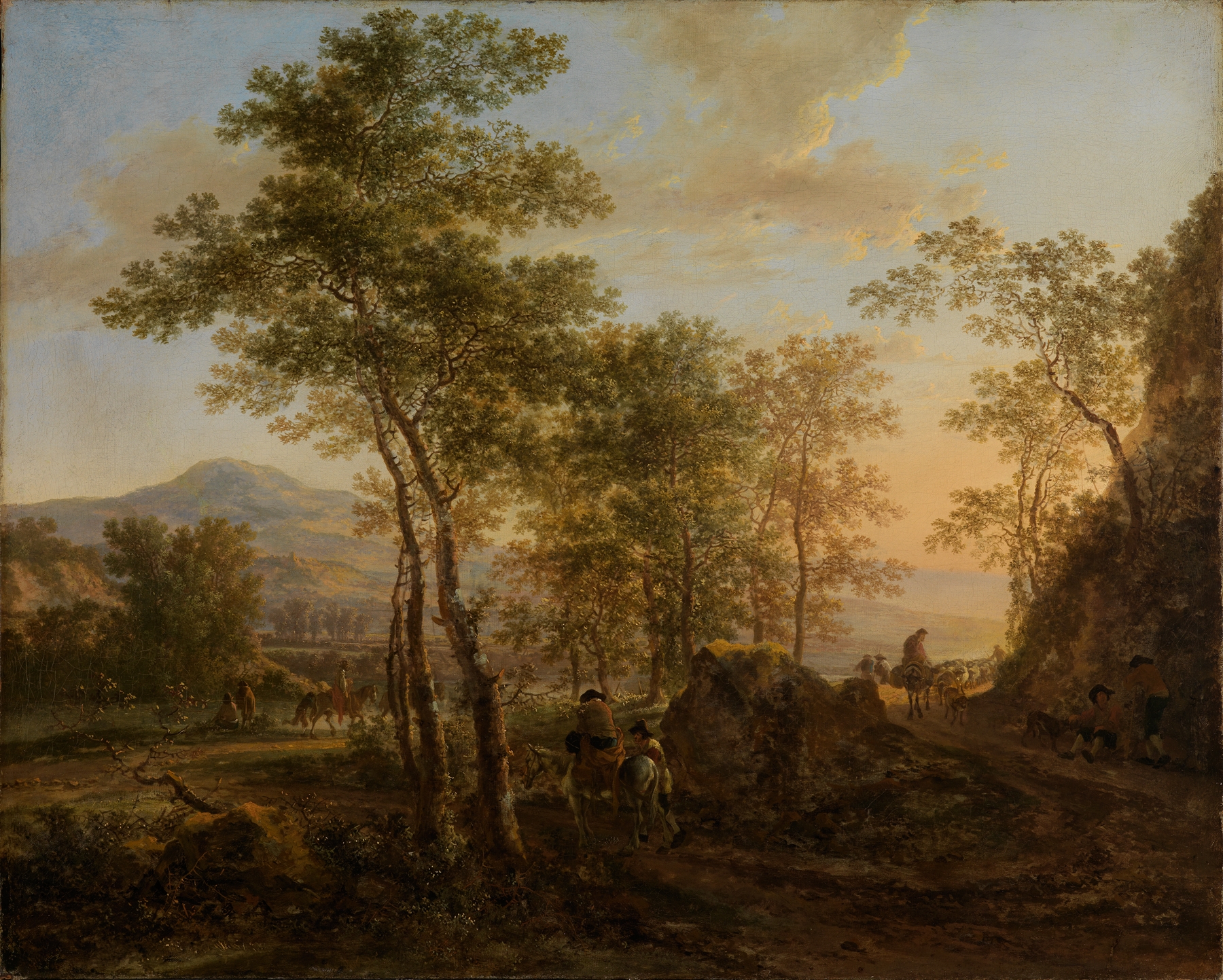
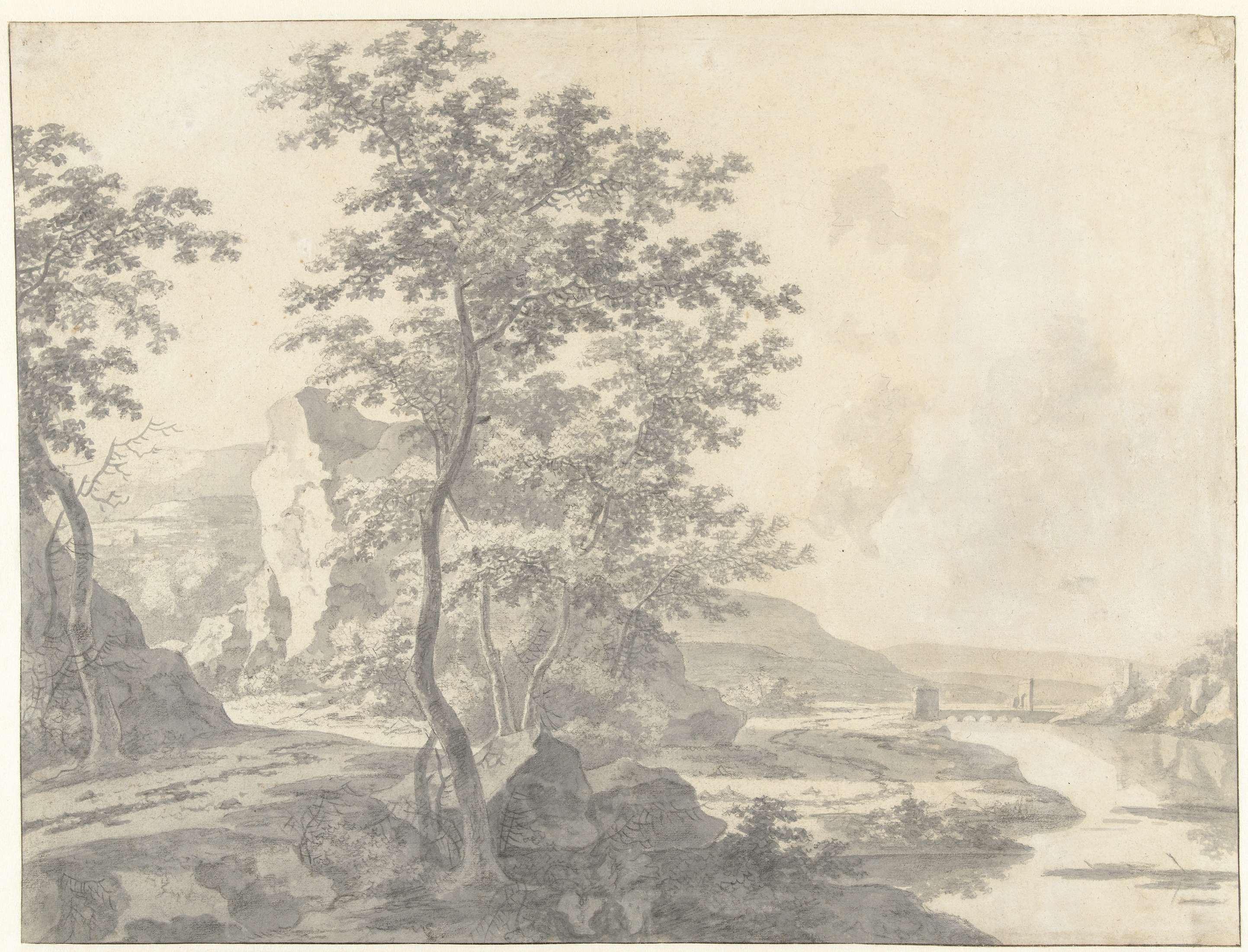
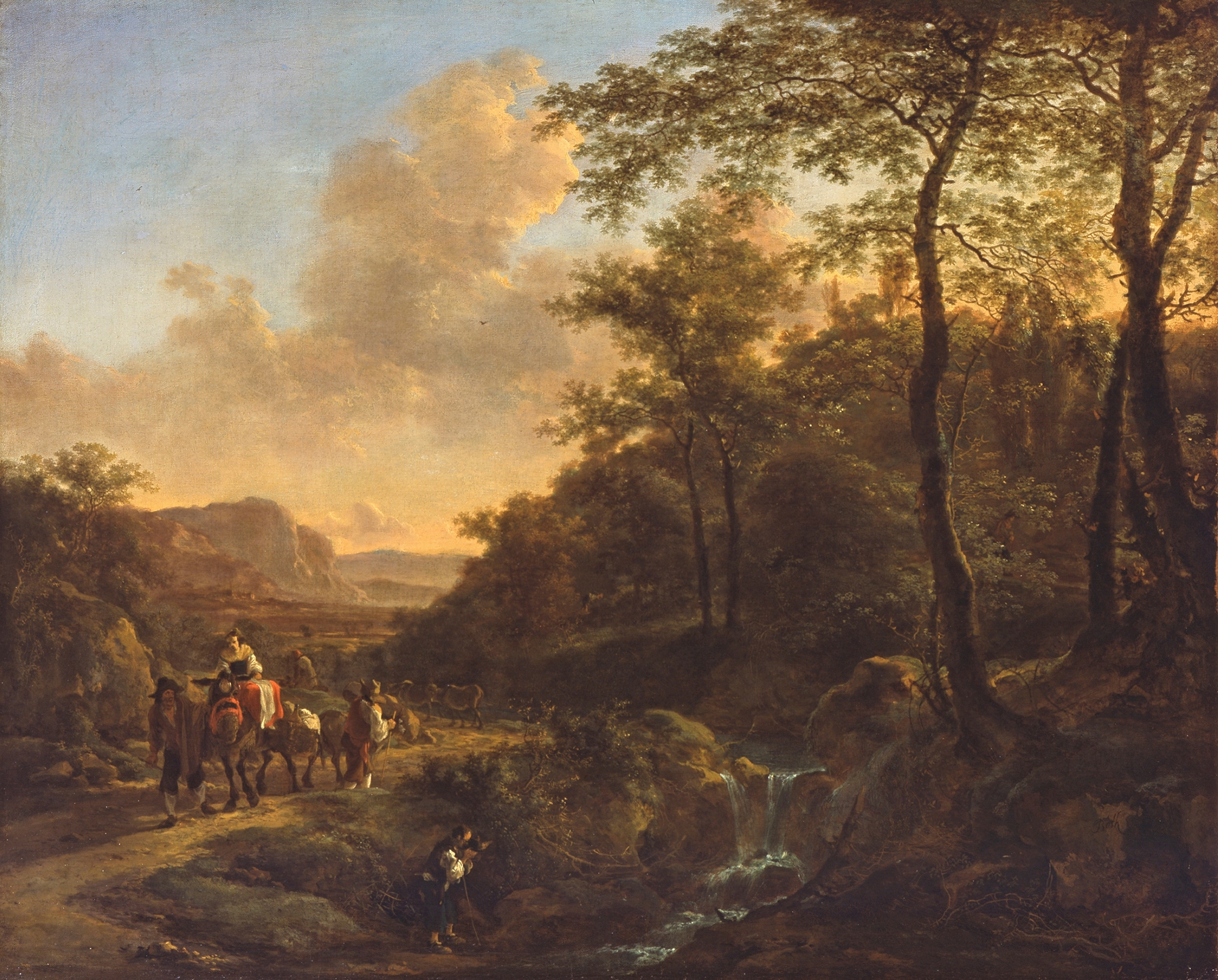
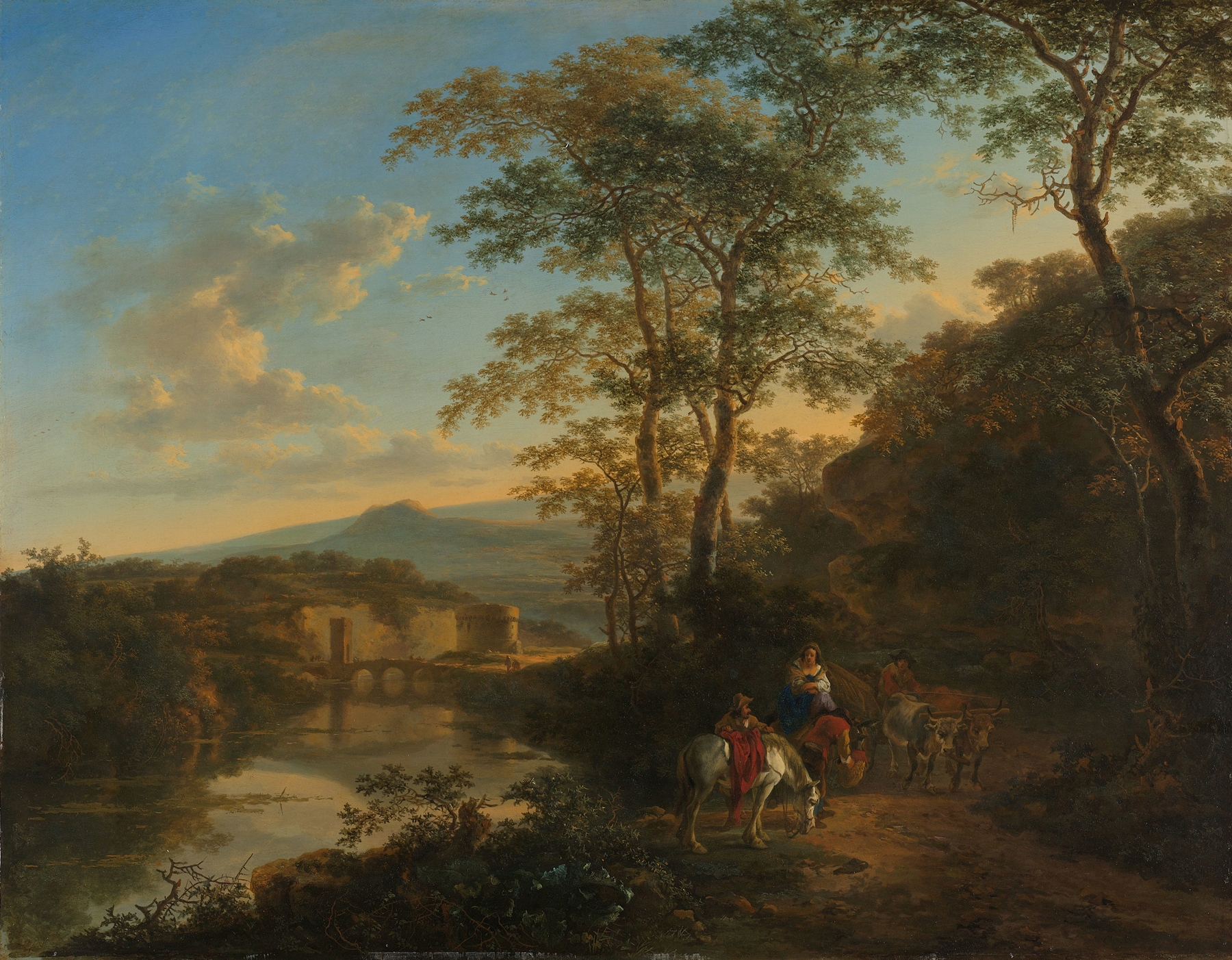
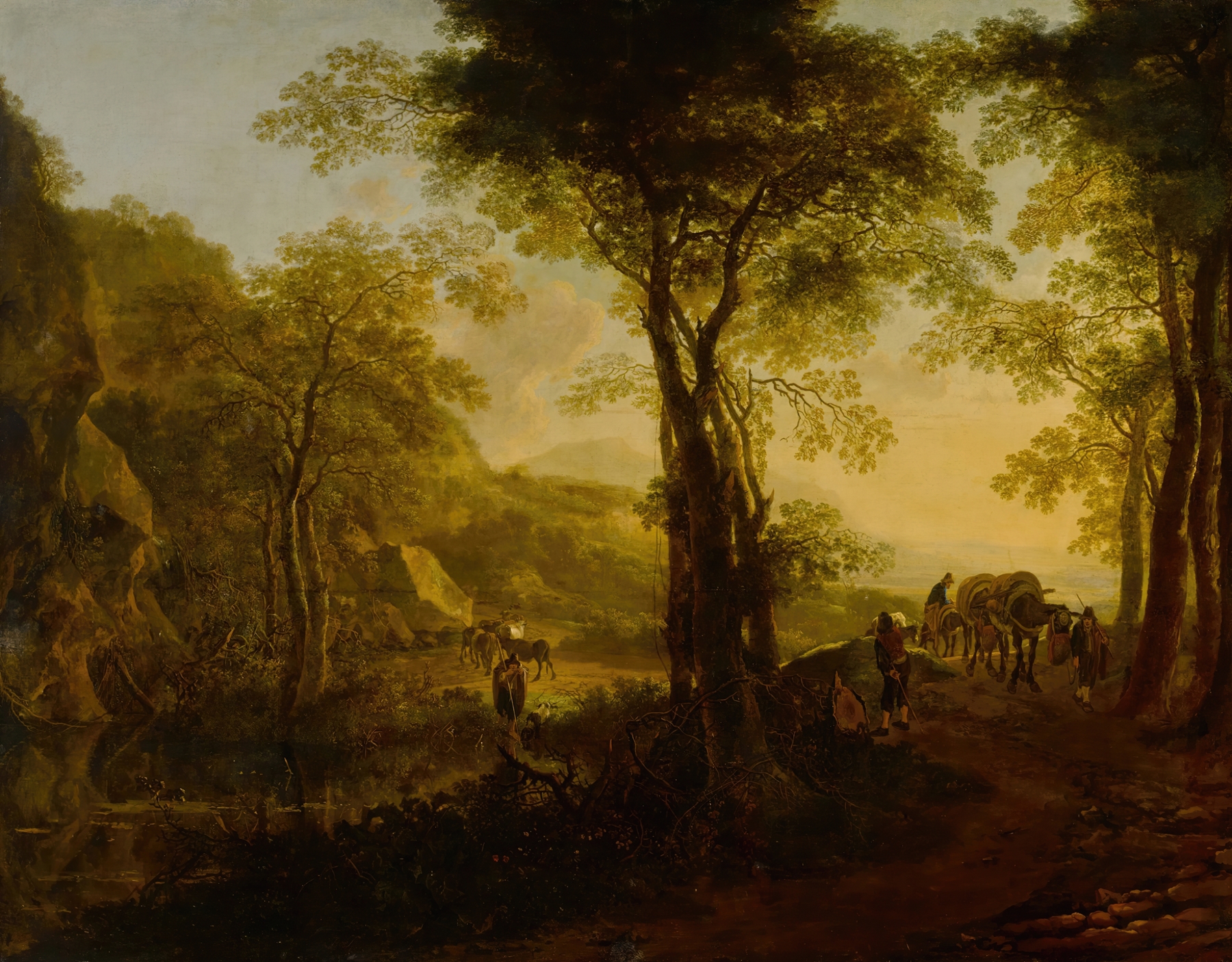
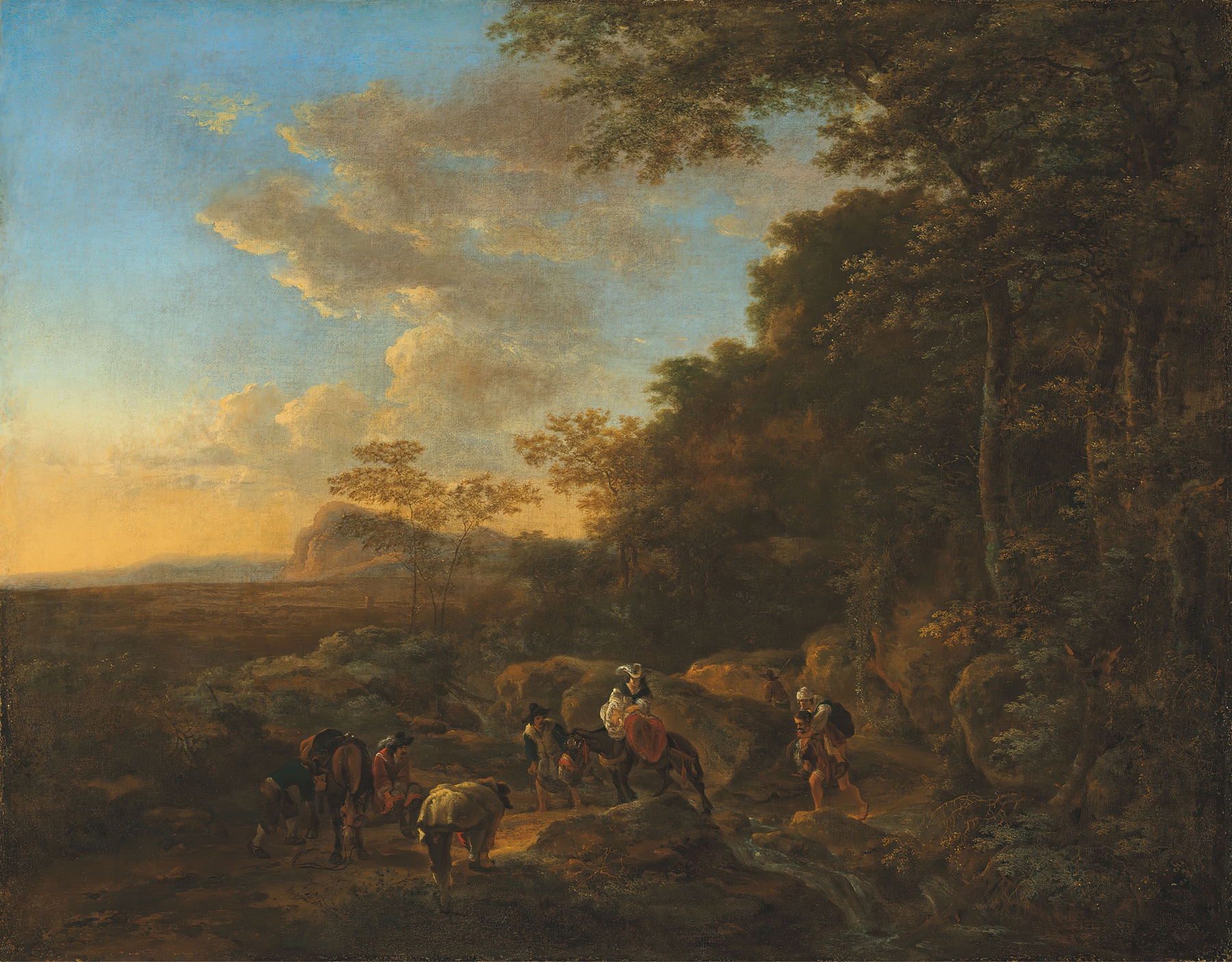
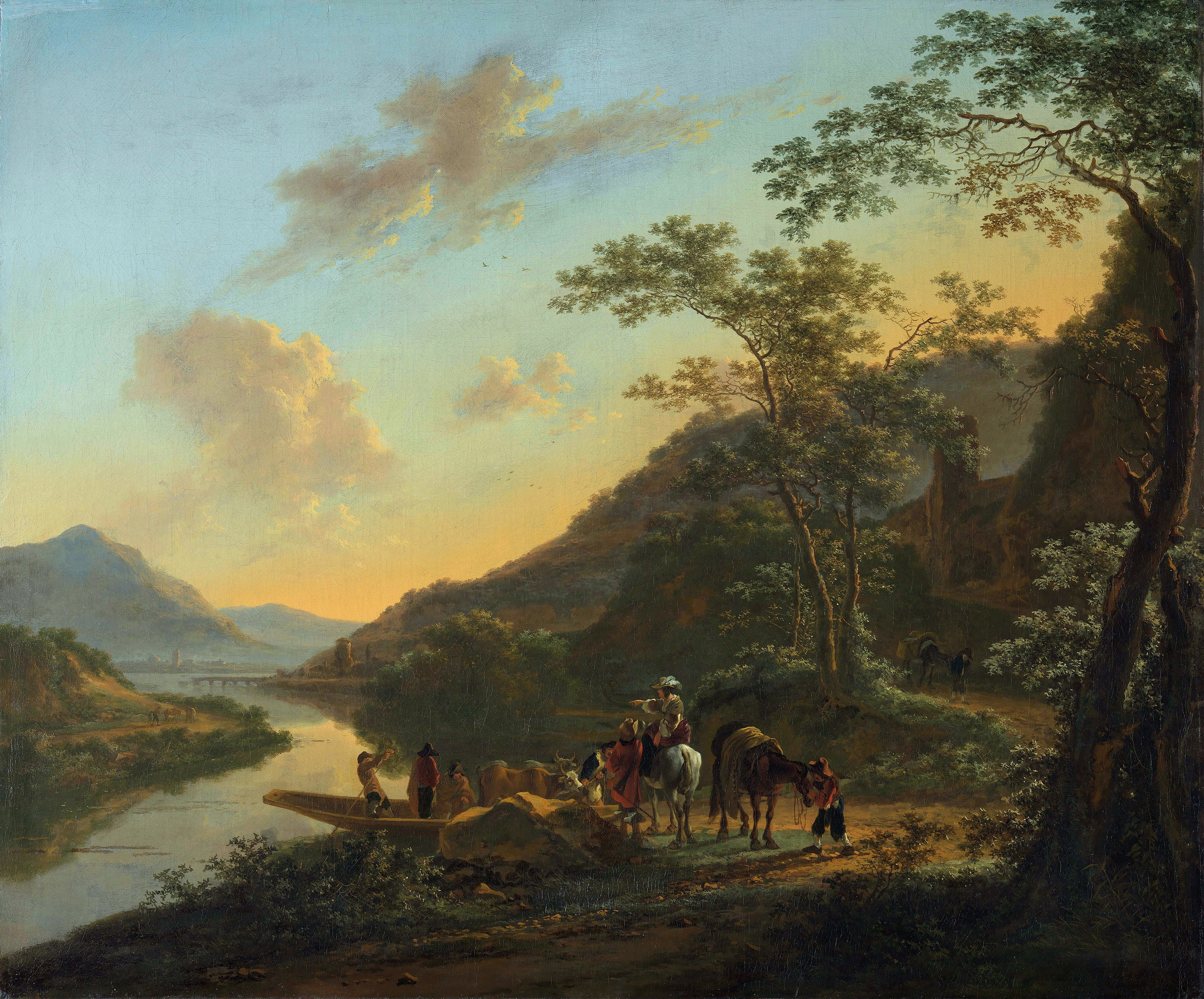
When did color learn to lie? In a world where hues dance on the canvas, Italian Landscape with a Draughtsman embodies the enchanting deceptions of nature itself. Its vivid greens and inviting blues invite contemplation, blurring the line between reality and the imagination of the artist. Look to the foreground at the draughtsman, his profile framed by a vibrant landscape that stretches into infinity. The meticulous detail of his sketching hand contrasts beautifully with the soft, sweeping hills behind him.
Notice how the light filters through the clouds, casting a gentle glow that highlights the textures of the trees and the rippling water. This interplay of shadow and illumination not only brings depth but also suggests a moment caught between thought and creation. As you explore further, observe the subtle tension between the natural and the artificial. The draughtsman’s intent gaze reflects both a reverence for the landscape and an ambition to capture it on paper, hinting at the conflict between reality and artistic interpretation. The sky, a tapestry of ethereal blues and whites, symbolizes the limitless potential of imagination, while the vivid greenery hints at the vibrancy of life that exists outside the confines of the canvas.
Here, the illusion of perspective invites the viewer to consider what is real and what is merely an artist’s vision. Jan Both painted this work in the early 1650s, during a time when landscape painting was gaining prominence in the Dutch art scene. Living in Italy while embracing the Baroque style, he sought to blend the idealized beauty of nature with his keen observation of light and form. The burgeoning interest in landscapes reflected a cultural shift towards appreciating the natural world, paving the way for future generations of artists to explore the boundaries of illusion and reality in their own work.