Italian Landscape with Travelers — History & Analysis
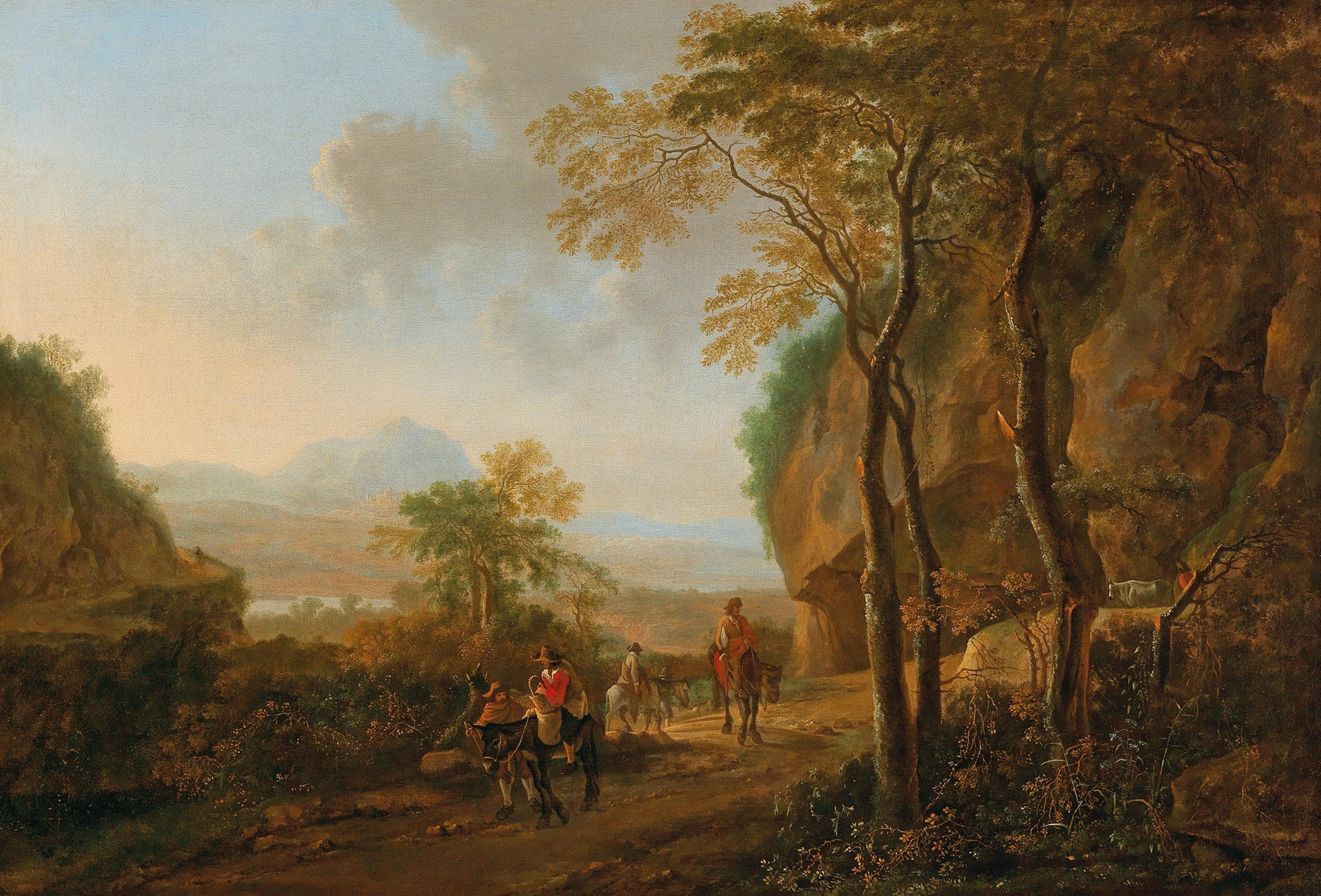
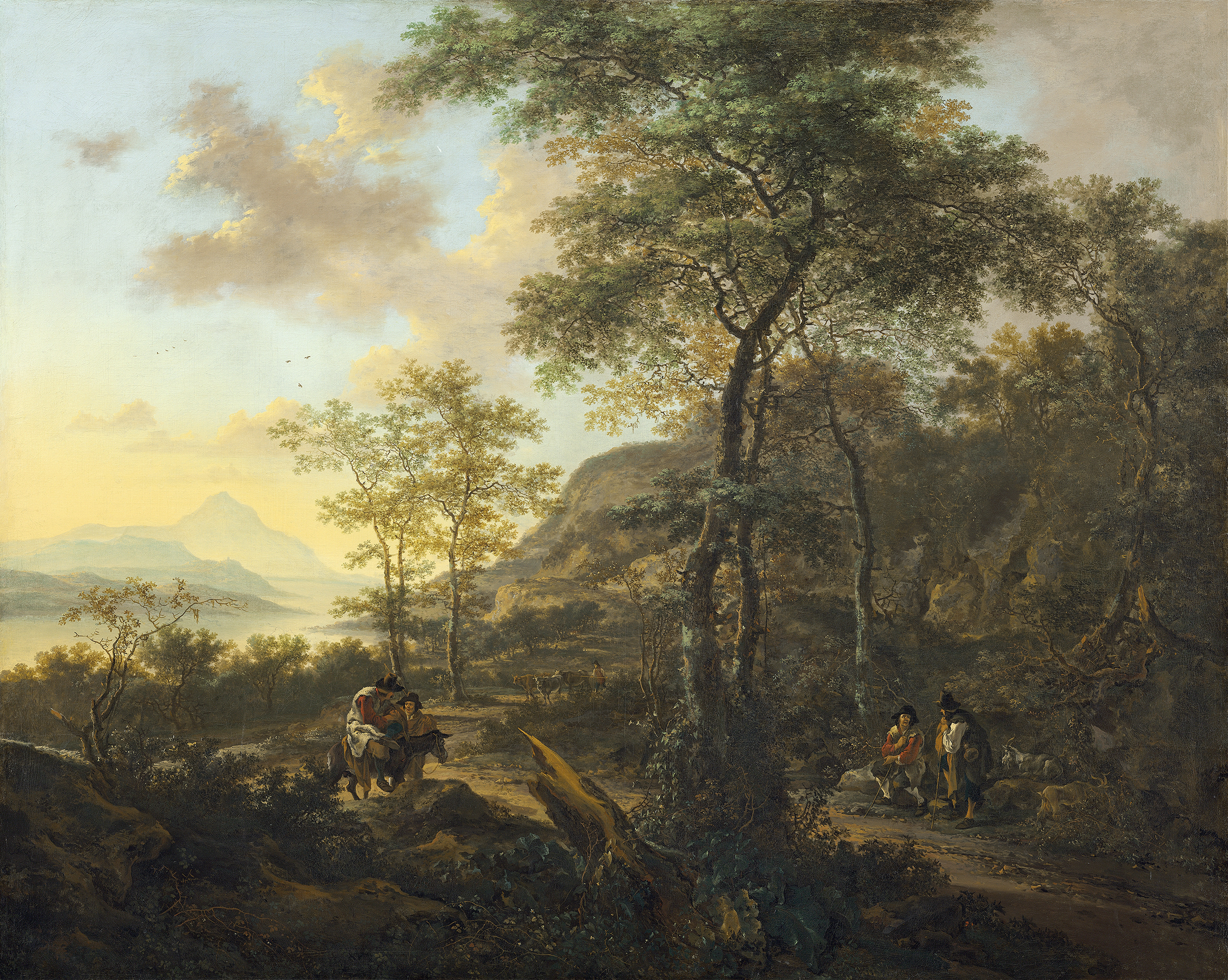
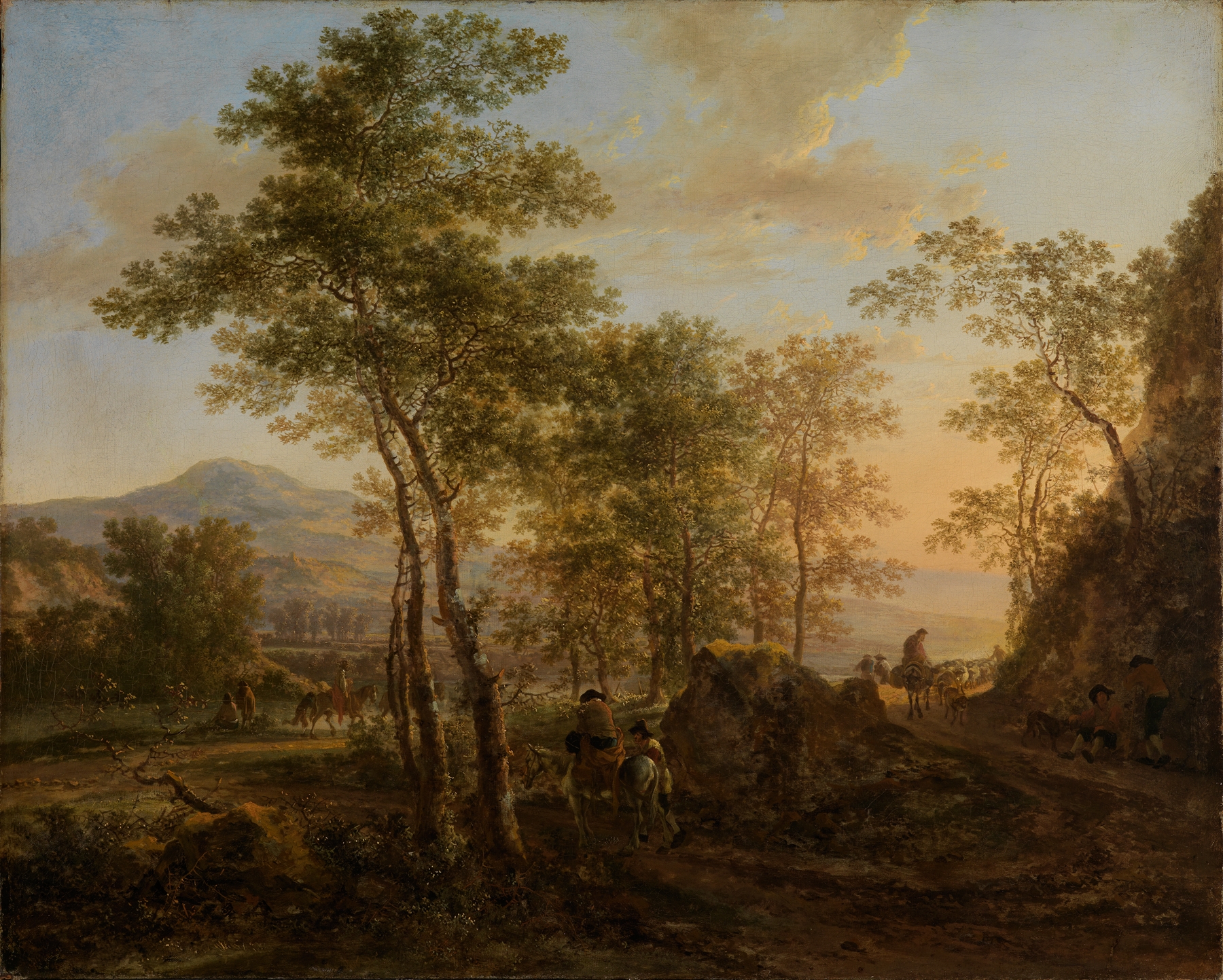
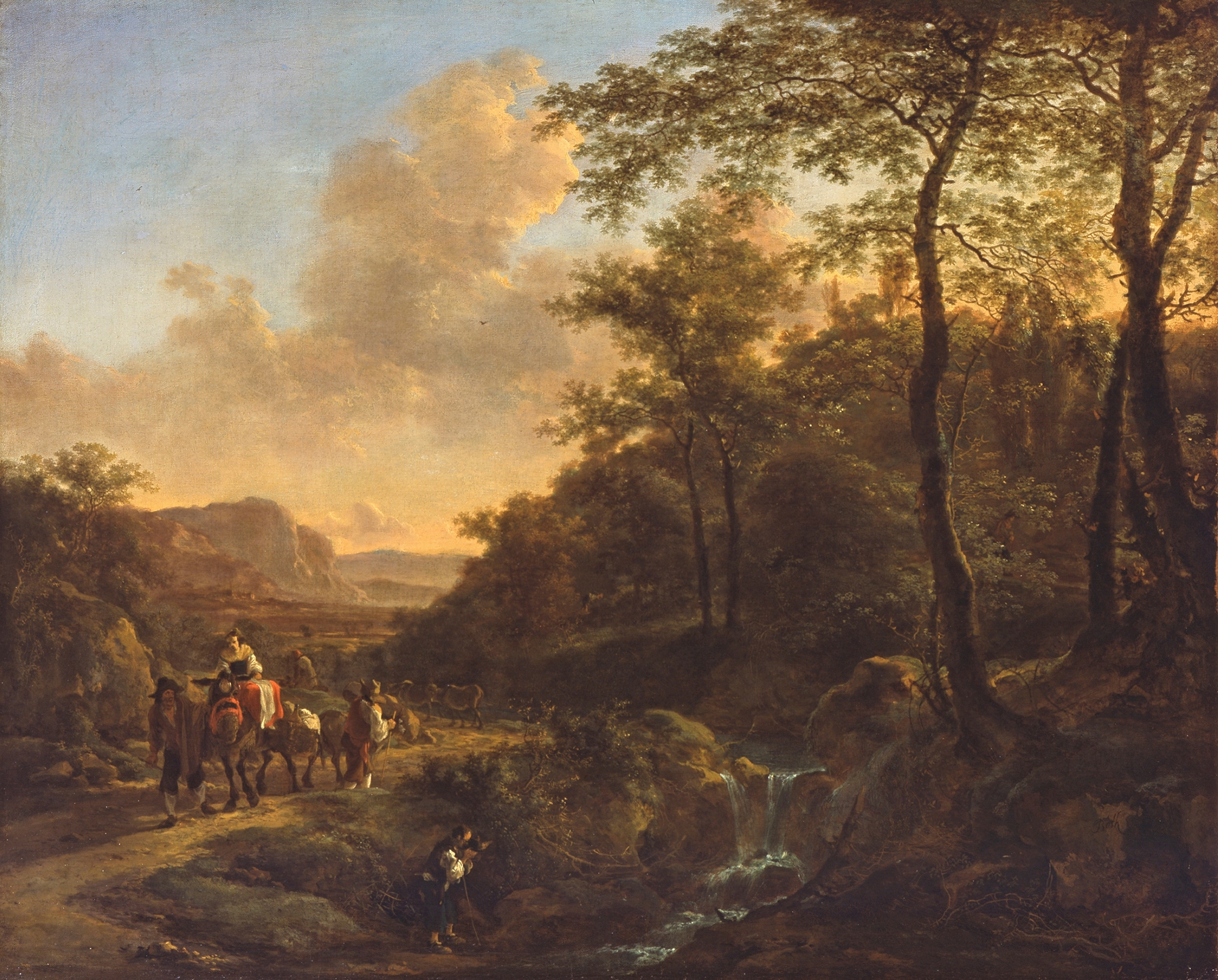
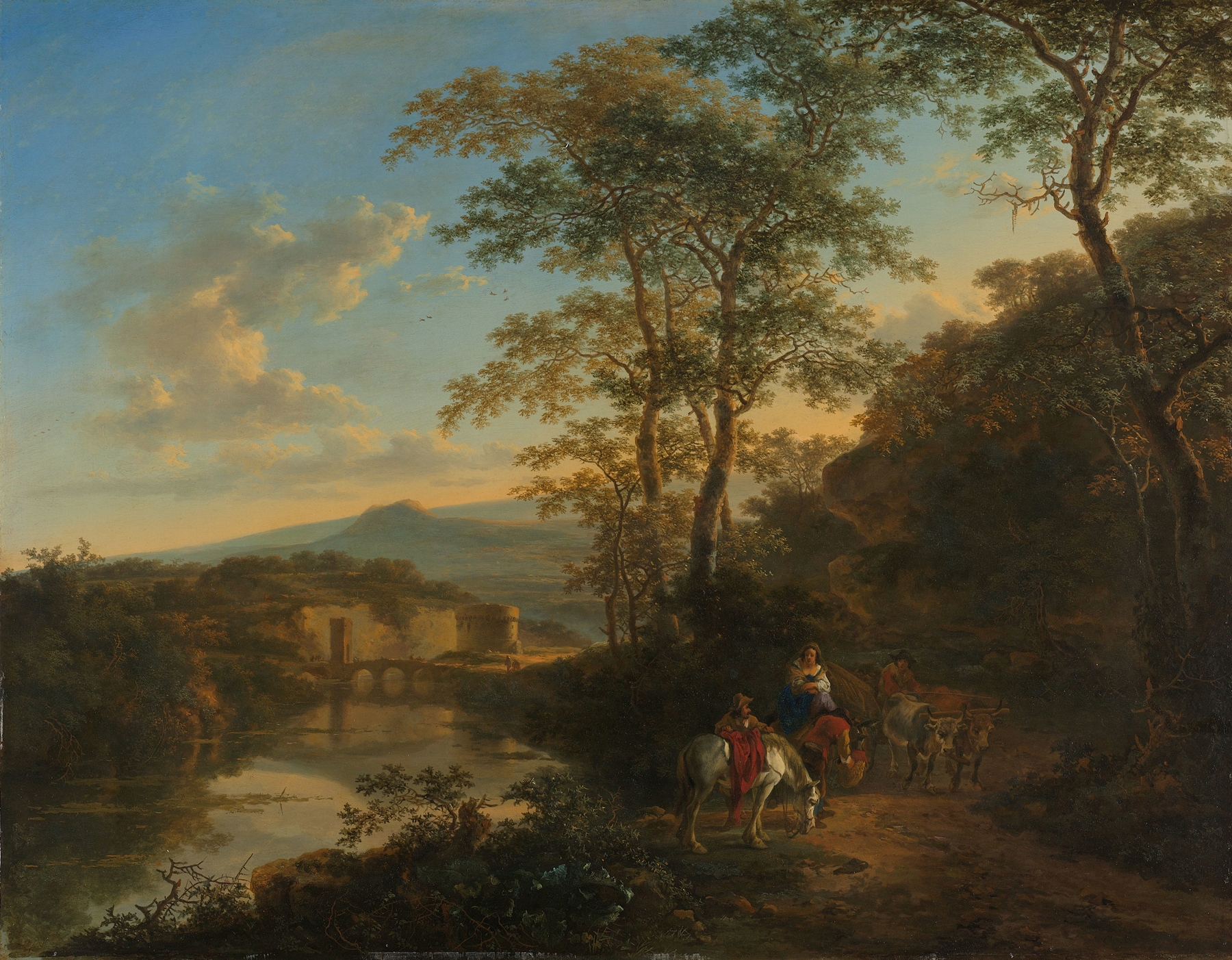
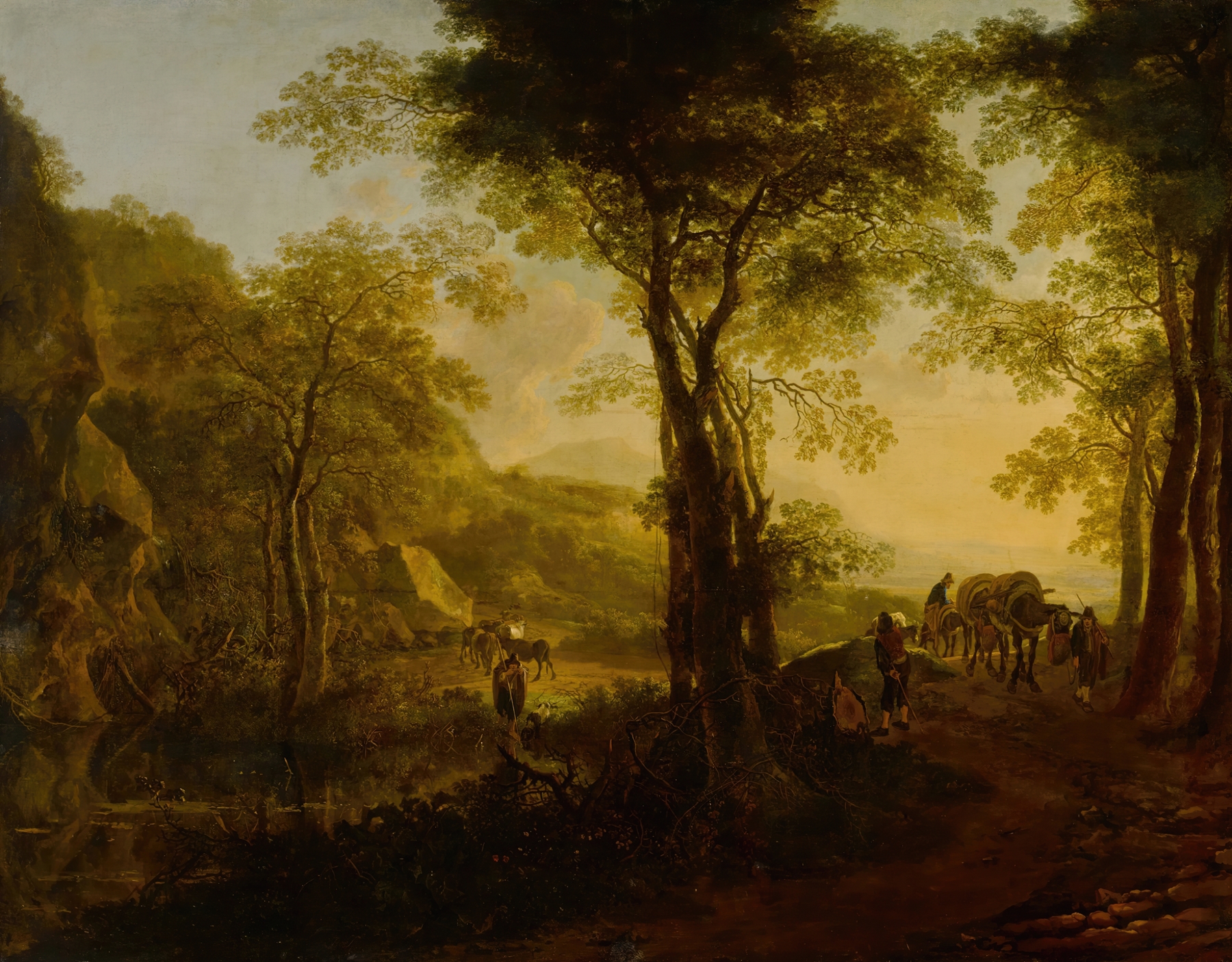
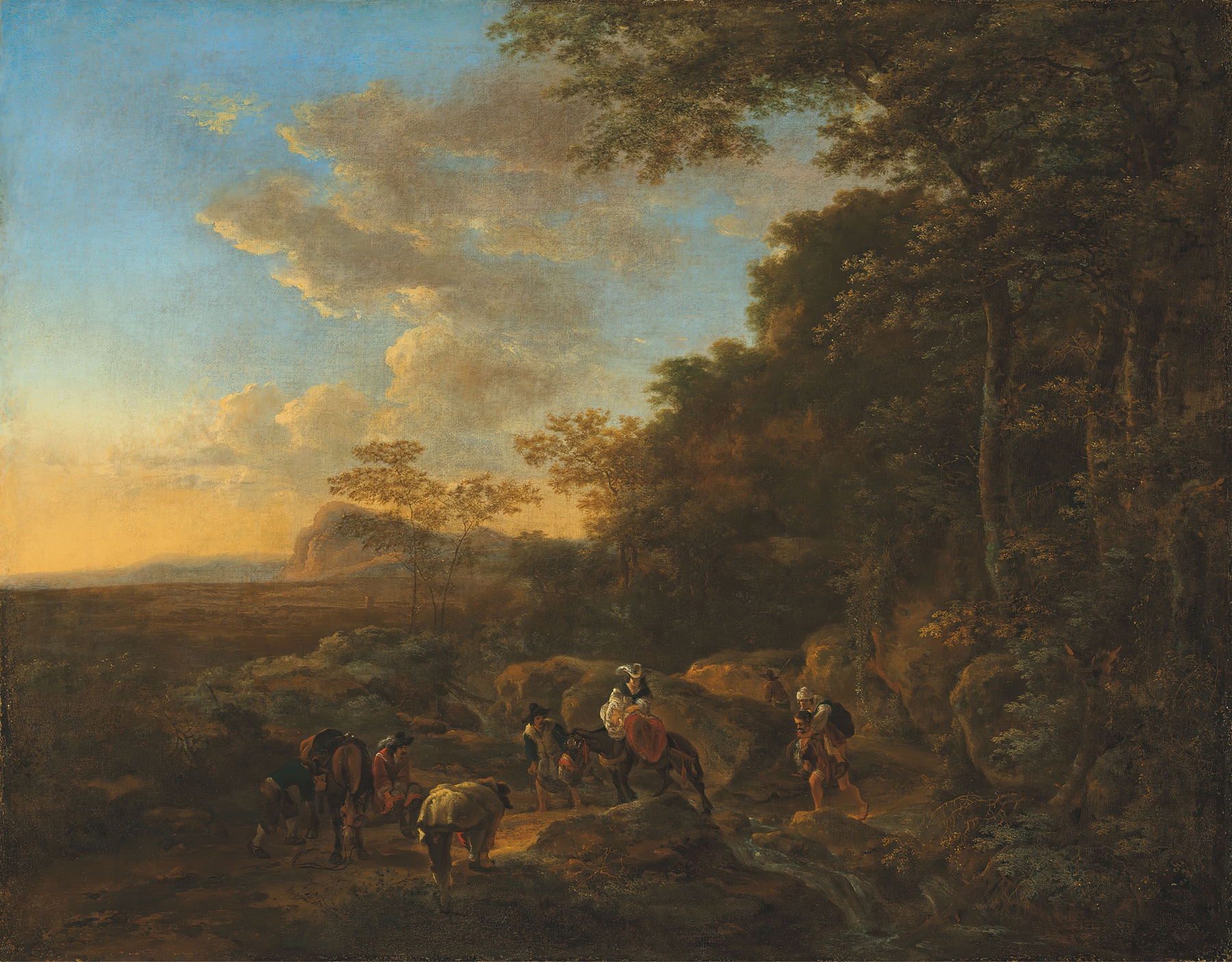
What if beauty was never meant to be finished? The fleeting moments of nature and humanity intertwine in a symphony of transformation, quietly inviting us to reconsider our perceptions of permanence. Look to the left at the soft undulation of rolling hills, where vibrant swaths of green blend effortlessly into warm earth tones. Notice how the delicate brushwork captures the shimmering light filtering through the dense foliage, casting playful shadows that dance across the land. The travelers, mere figures in the distance, are rendered with a sense of movement and urgency, suggesting a journey rather than a destination.
This interplay of light and landscape draws the viewer’s eye across the canvas, evoking the sense of wandering through a living, breathing environment. Beneath the serene surface lies a deeper narrative of transience and exploration. The figures are caught in a moment of pause, yet their gazes and body language hint at the restlessness of the human spirit, forever seeking beauty in the world around them. The vibrant greens juxtaposed with the earthy hues amplify this emotional tension, representing nature's duality—at once inviting and impermanent.
Each brushstroke speaks to the inevitability of change, urging us to appreciate the present as we journey through life. Created around 1650, this work emerged from Jan Both’s experiences in Italy, a period when he was exploring lush landscapes and the rich interplay of light and shadow unique to the region. Living in Amsterdam, Both was influenced by the burgeoning Baroque movement, which emphasized dramatic expression and realism. His landscapes reflect not only the natural beauty of the Italian countryside but also his own personal transformation as an artist, navigating the complexities of nature and the human experience.