Italianate Landscape with Travelers, No. 1 — History & Analysis
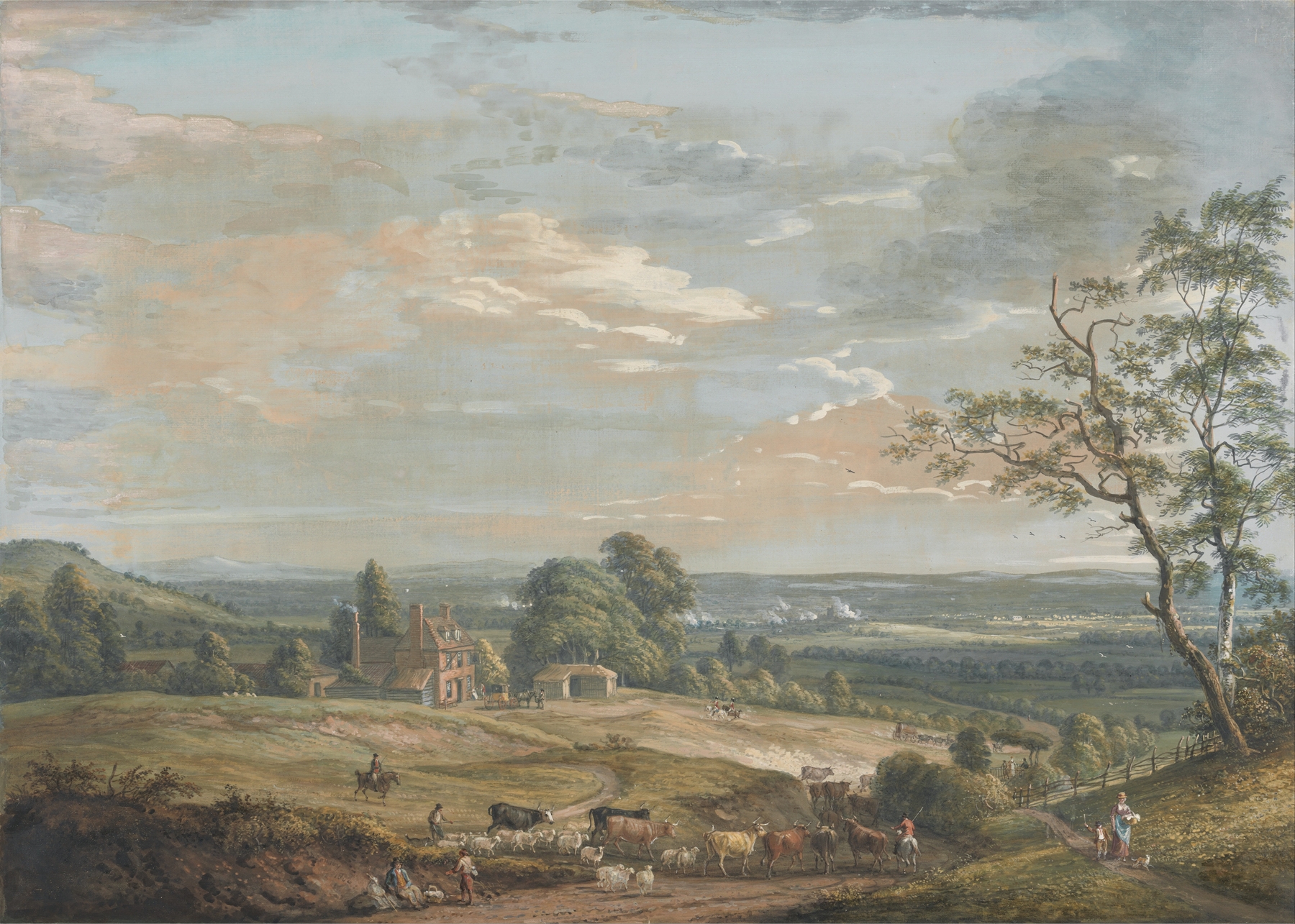
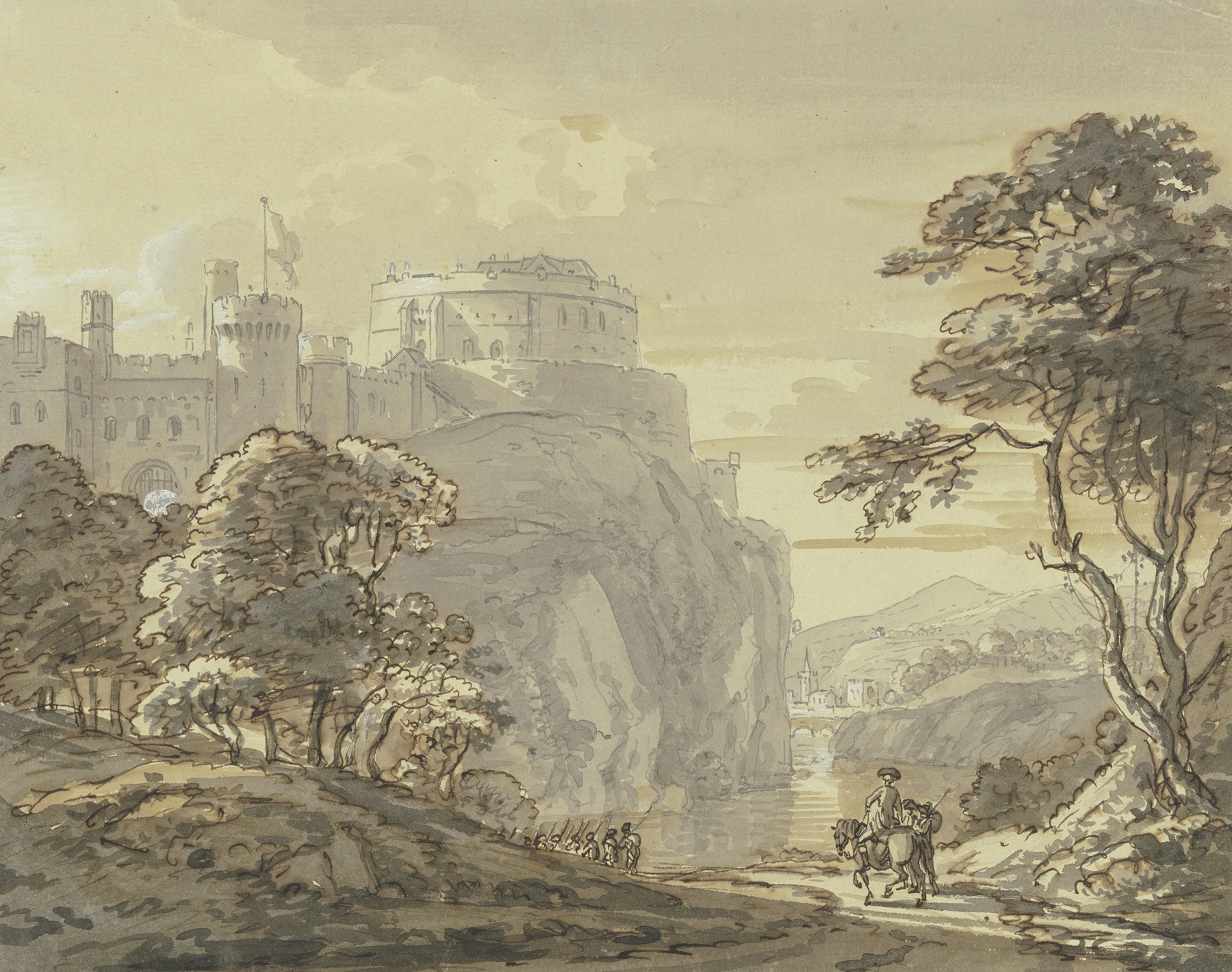
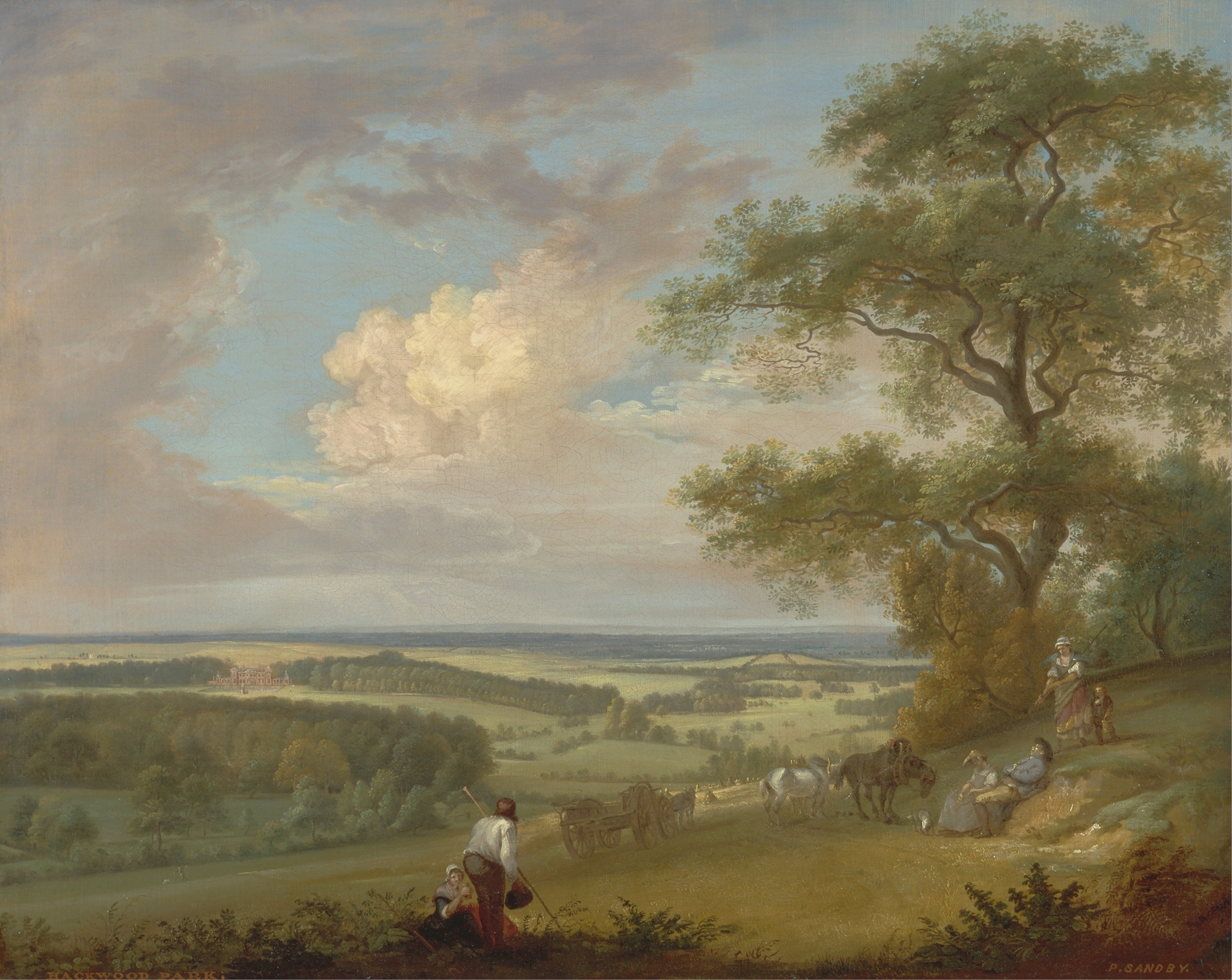
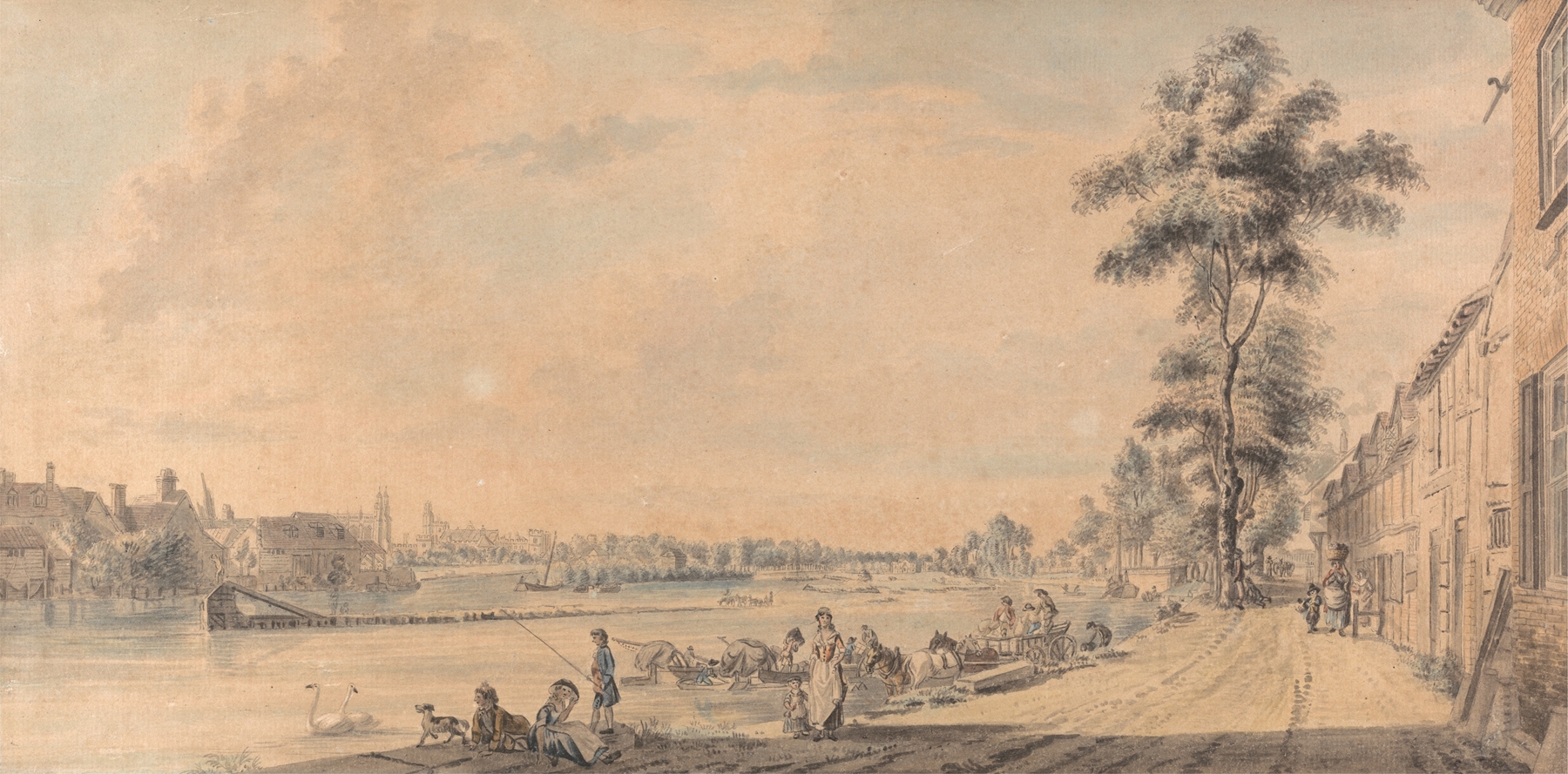
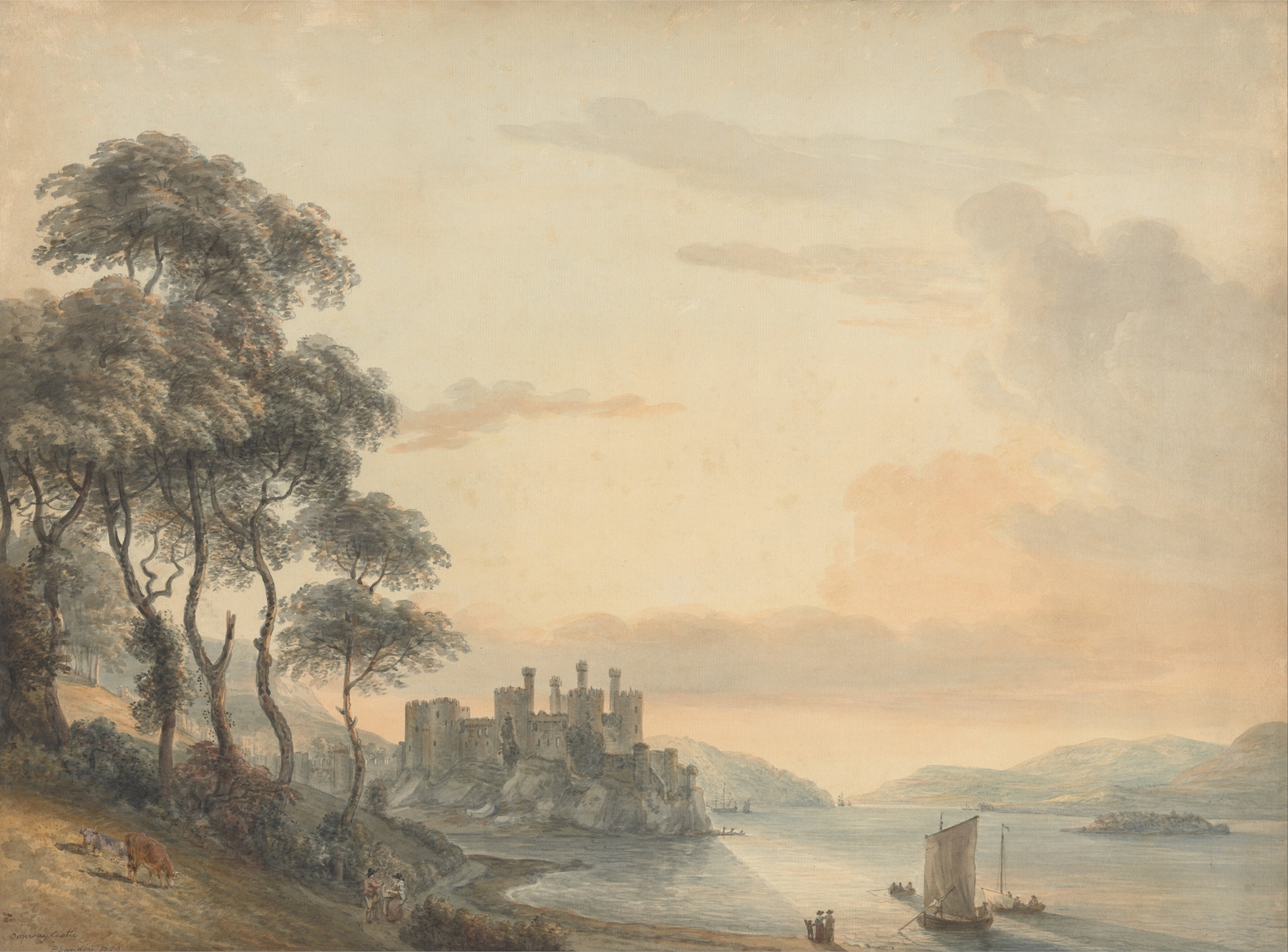
Can beauty exist without sorrow? This question lingers in the air, suspended between the rolling hills and distant mountains of a bucolic landscape. The essence of rebirth vibrates through the canvas, inviting the viewer to reflect on the dualities of existence—joy interwoven with melancholy, and the transience of moments that seem eternally idyllic. Look to the center, where a quiet path meanders through lush greenery, guiding the eye toward two travelers shrouded in the soft embrace of a delicate haze.
Notice how the sunlight filters through the clouds, illuminating the scene with a warm, golden hue that contrasts the cooler tones of the distant peaks. Each stroke of paint reveals meticulous attention to detail, from the craggy texture of stones to the whisper of movement in the grasses, creating a serene yet vibrant atmosphere that feels alive. Within this landscape, contrasts emerge—the stillness of nature juxtaposed with the transient figures of the travelers, who embody both wanderlust and the inevitable passage of time. The trees stand sentinel, their sturdy boughs symbolizing endurance, while the background mountains echo the weight of history, reminding us that beauty is often birthed from struggle.
This delicate interplay of elements speaks to life's cyclical nature, inviting contemplation on the fragility of joy. Paul Sandby created Italianate Landscape with Travelers, No. 1 during the 18th century, a time when he found solace in the picturesque beauty of the English countryside. Influenced by the artistic movements of the time, he sought to capture the idealized landscapes reminiscent of Italian scenery, reflecting a broader fascination with nature and its ability to inspire hope against the backdrop of societal change.