John Lowell (1769-1840) — History & Analysis
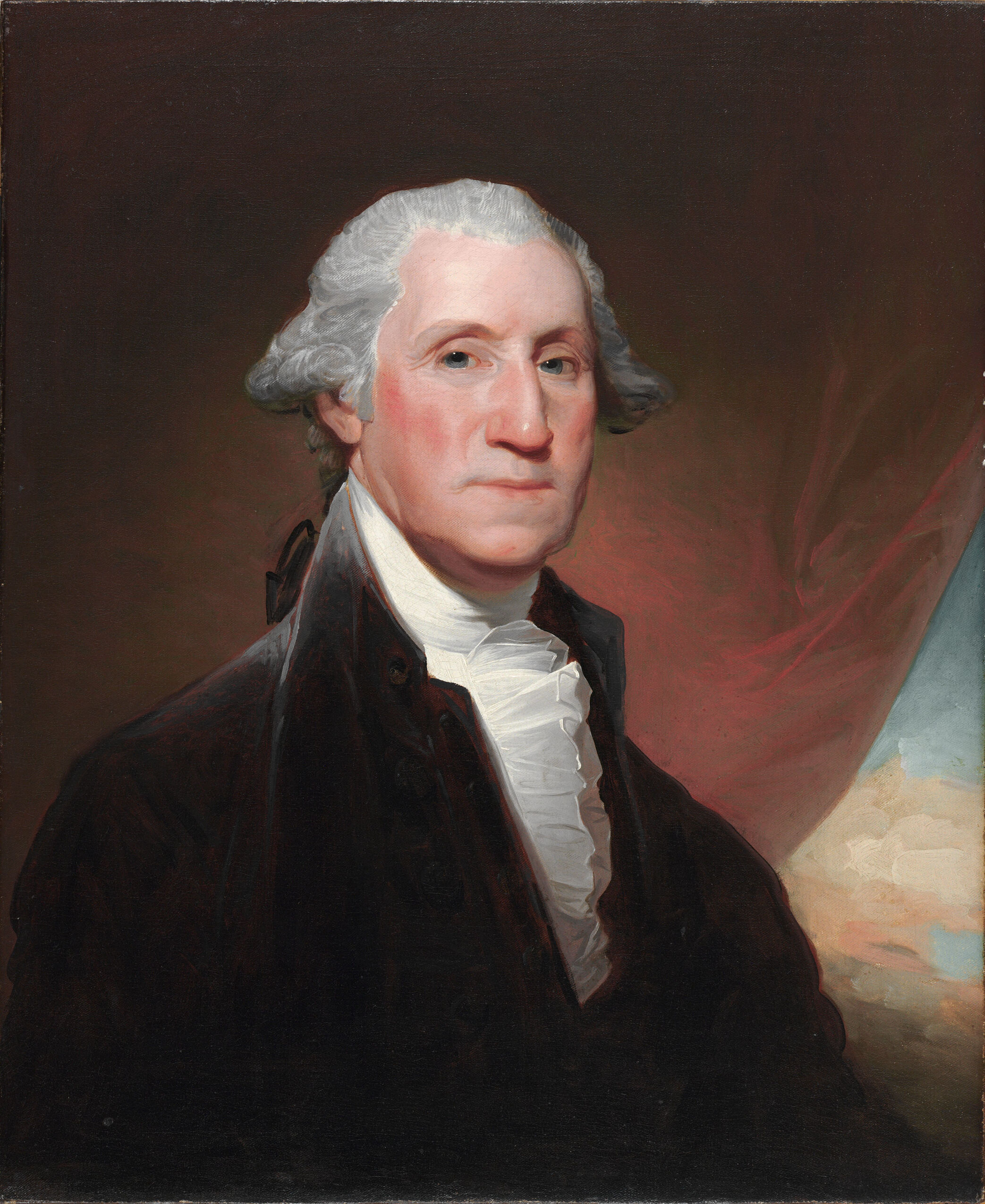
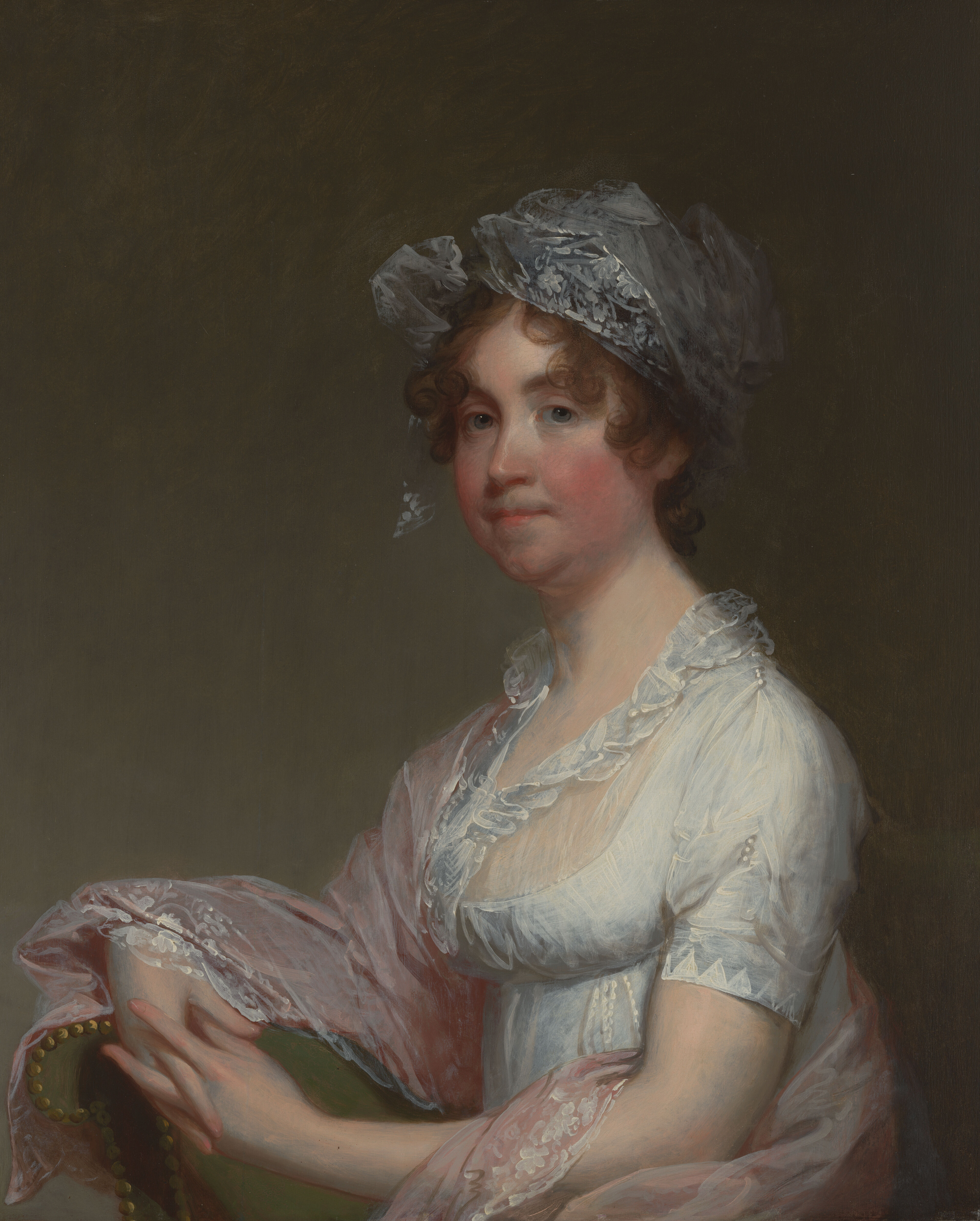
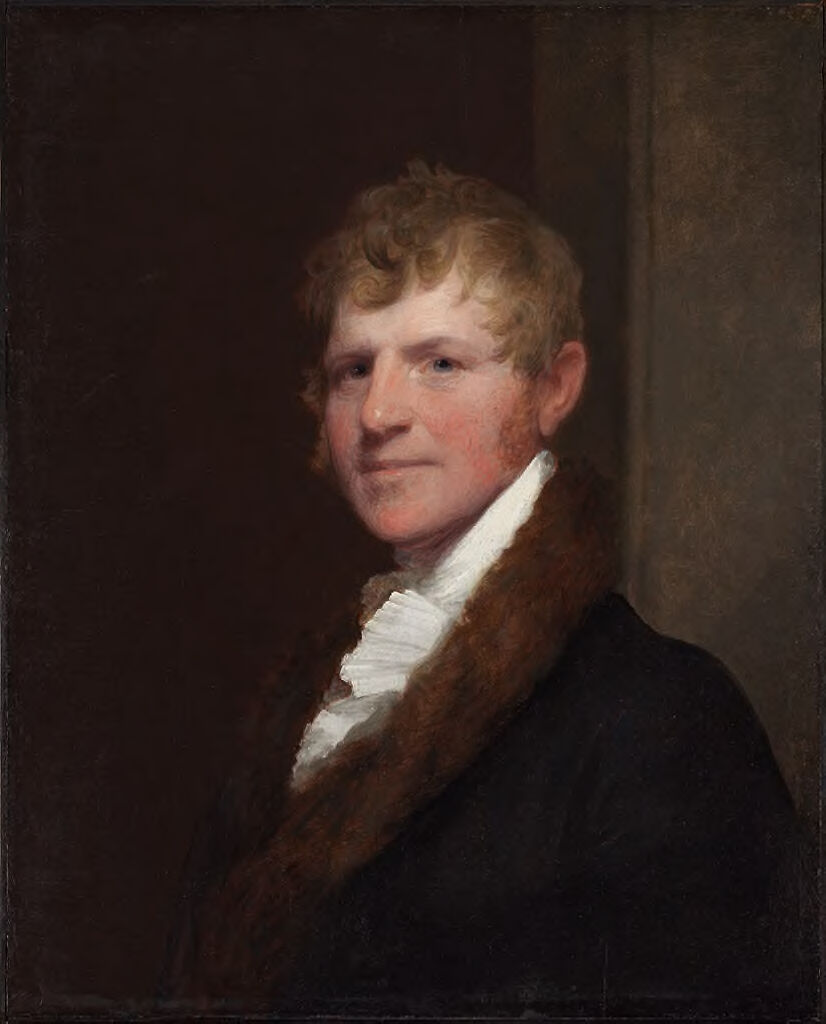
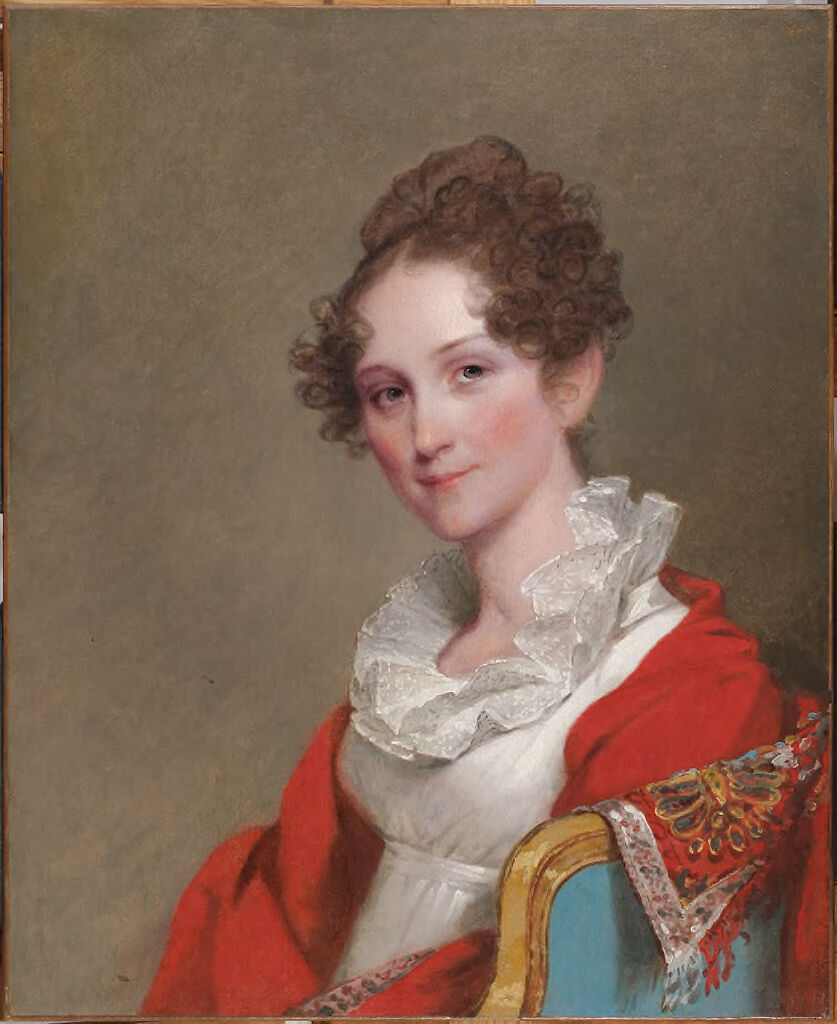
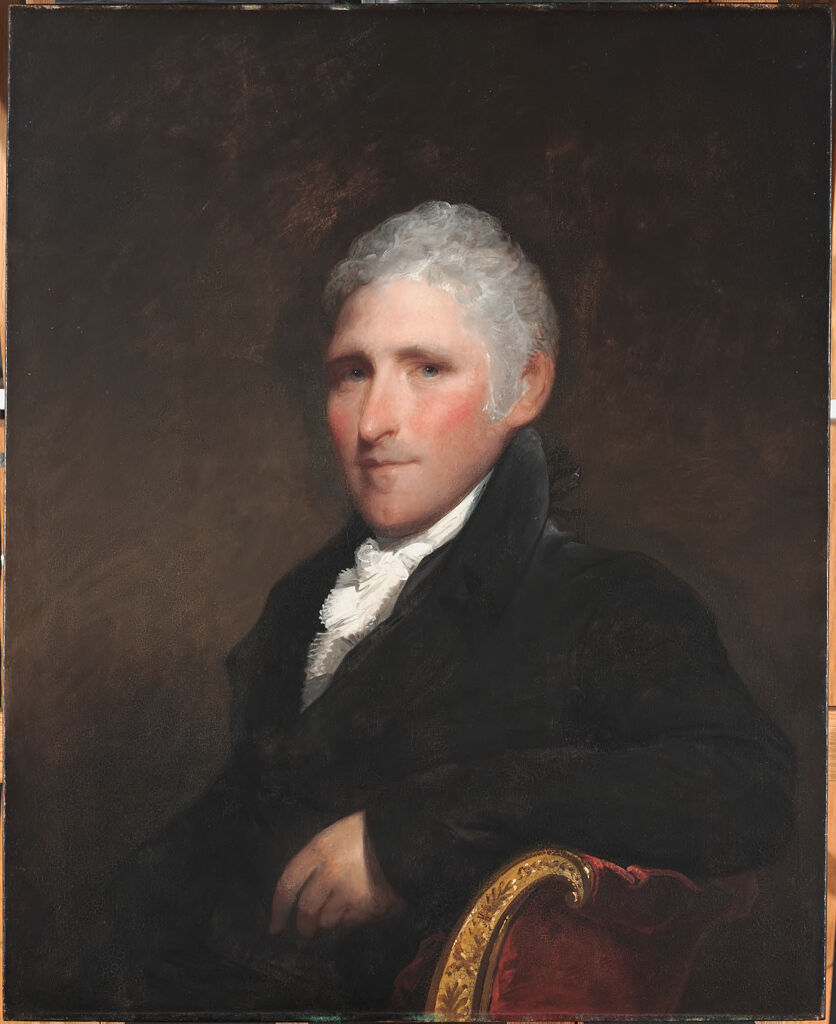
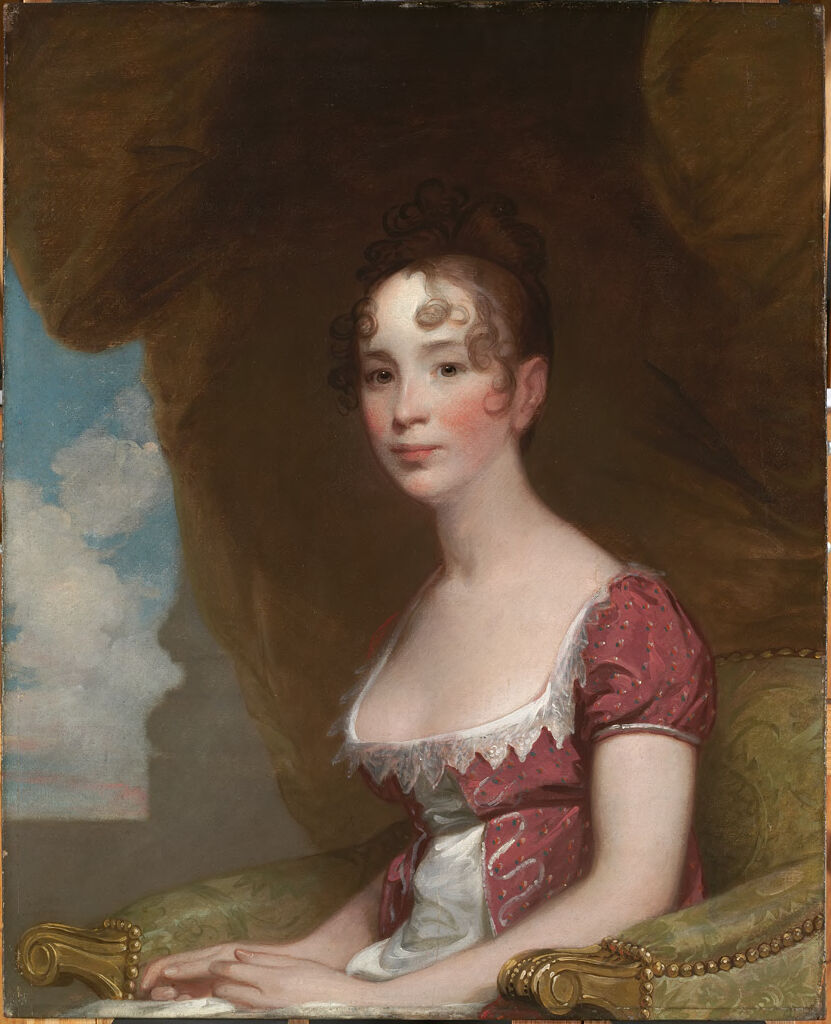
Did the painter know this moment would outlive them? Captured in 1824, a solitary figure emerges from the shadows of history, embodying the weight of loneliness and introspection. Look closely at the piercing gaze of John Lowell, his expression a blend of resolve and melancholy. Notice how the light delicately caresses his face, the subtle interplay of shadow defining the contours of his strong jawline and prominent cheekbones.
The deep, rich colors create an ambiance that is both inviting and distant, encapsulating a man caught between the vibrancy of life and the solitude that often accompanies greatness. The backdrop fades softly, emphasizing Lowell as the focal point, allowing the viewer to engage intimately with his presence. Beneath the surface, this portrait reveals a profound tension between individual ambition and existential isolation. The slight furrow of his brow hints at the burdens he carries, reflecting the struggles of a man who has achieved much yet remains profoundly alone in his thoughts.
The choice of clothing—a finely tailored coat—speaks to his social standing, but does little to mask the loneliness that permeates the composition; it is as if the fabric drapes over the weight of isolation rather than embellishing his stature. Gilbert Stuart created this work at a time when he was celebrated for his portraits of prominent figures in early American society, yet his own life was marred by financial instability and personal challenges. Painting in Boston, he sought to capture the essence of the era's influential individuals, while navigating his own complexities. This duality in his life resonates in the portrait, reminding us that every face holds stories untold, and every human experience intertwines with loneliness.