John Quincy Adams (1767-1848) — History & Analysis
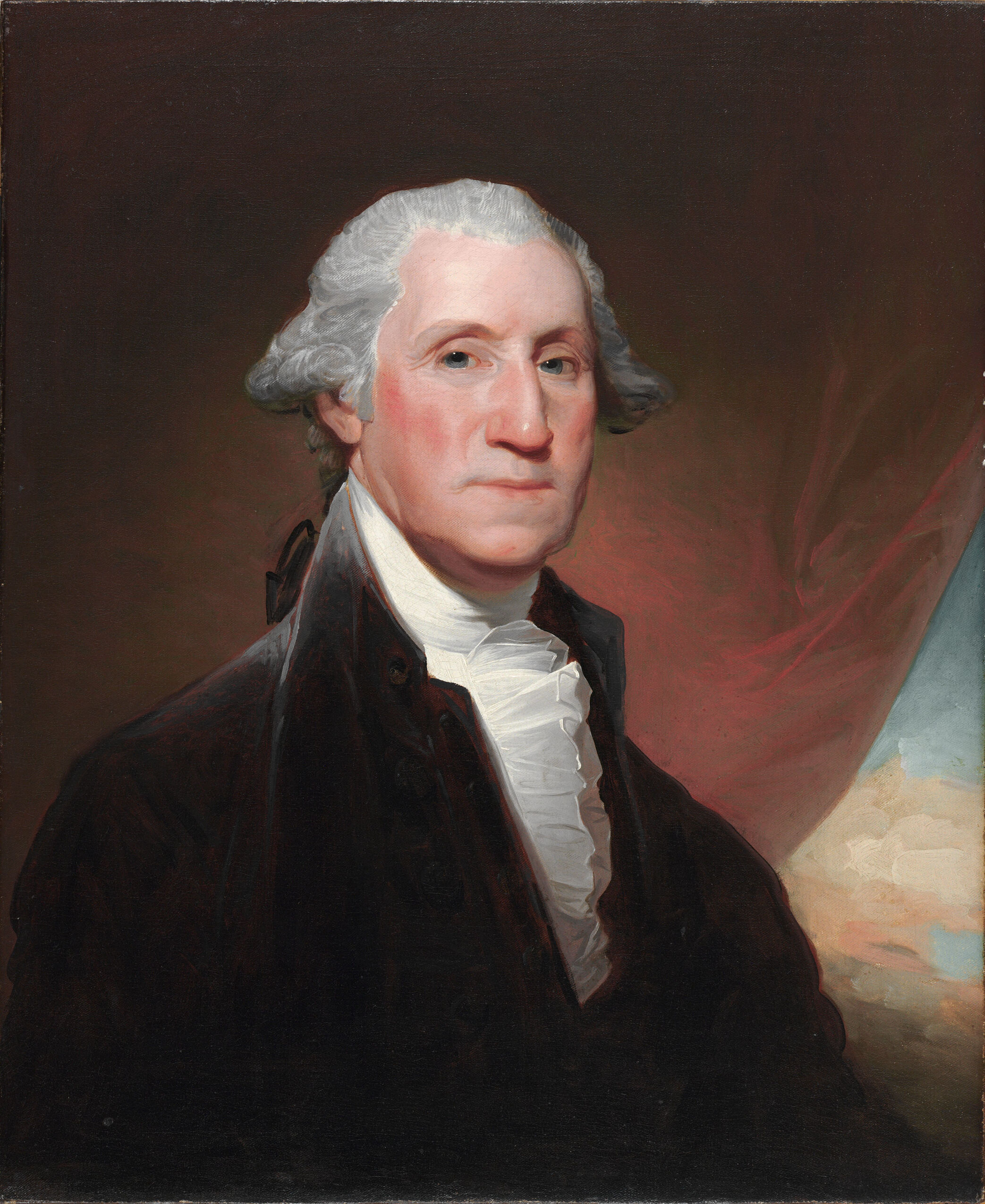
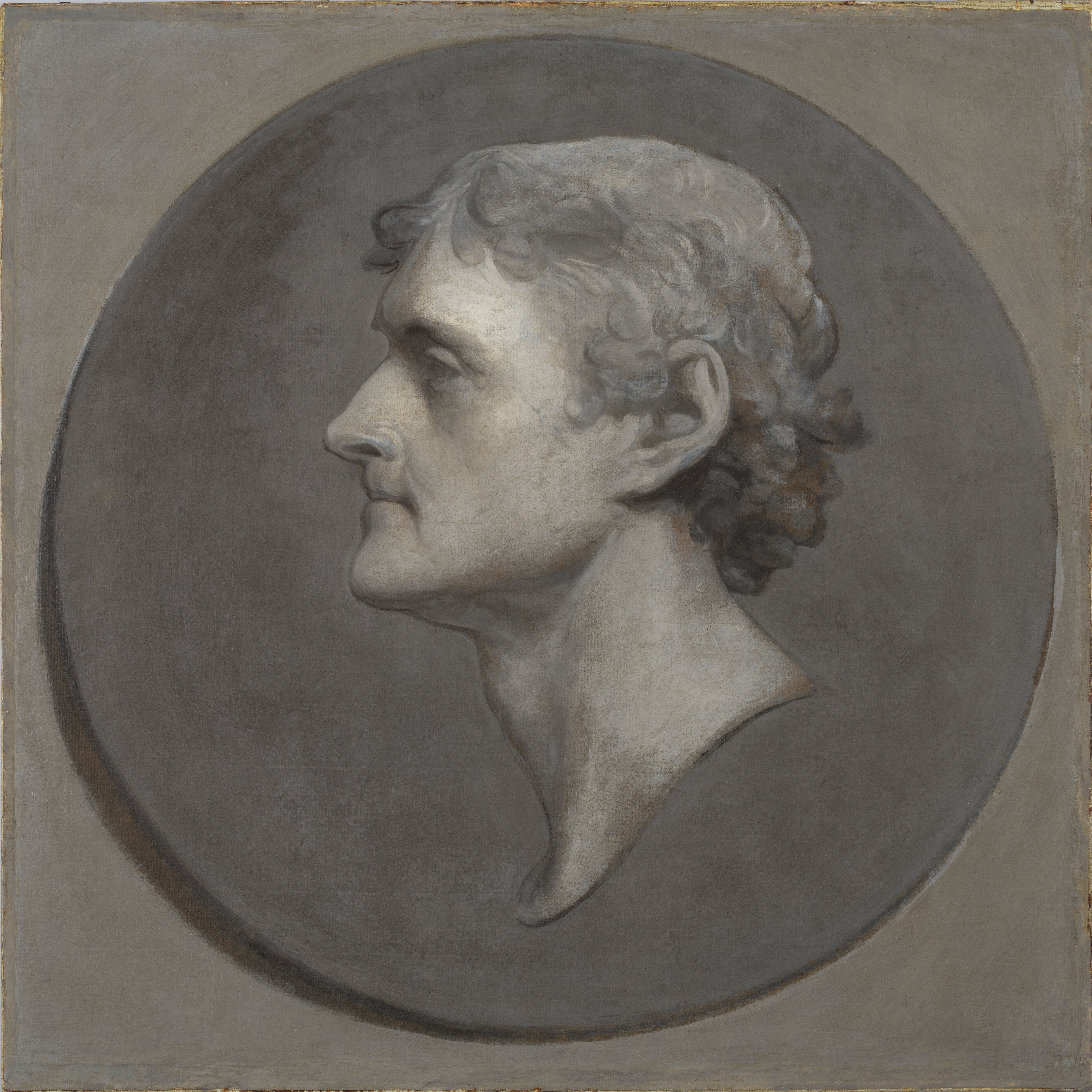
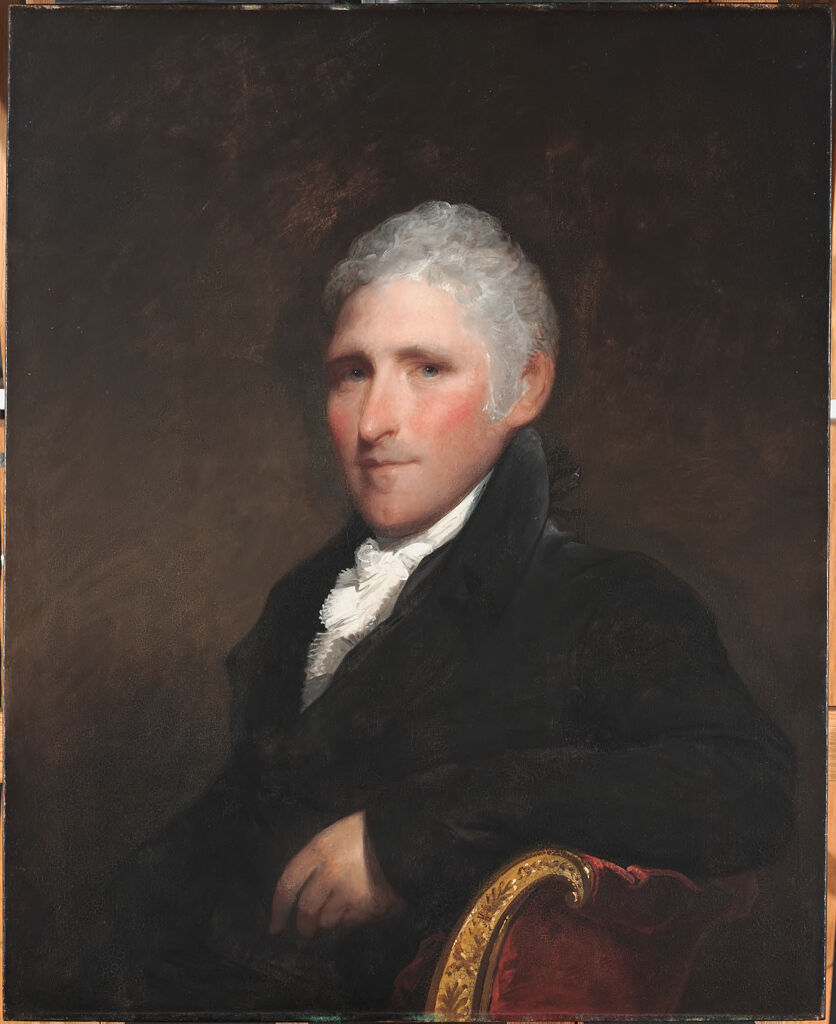
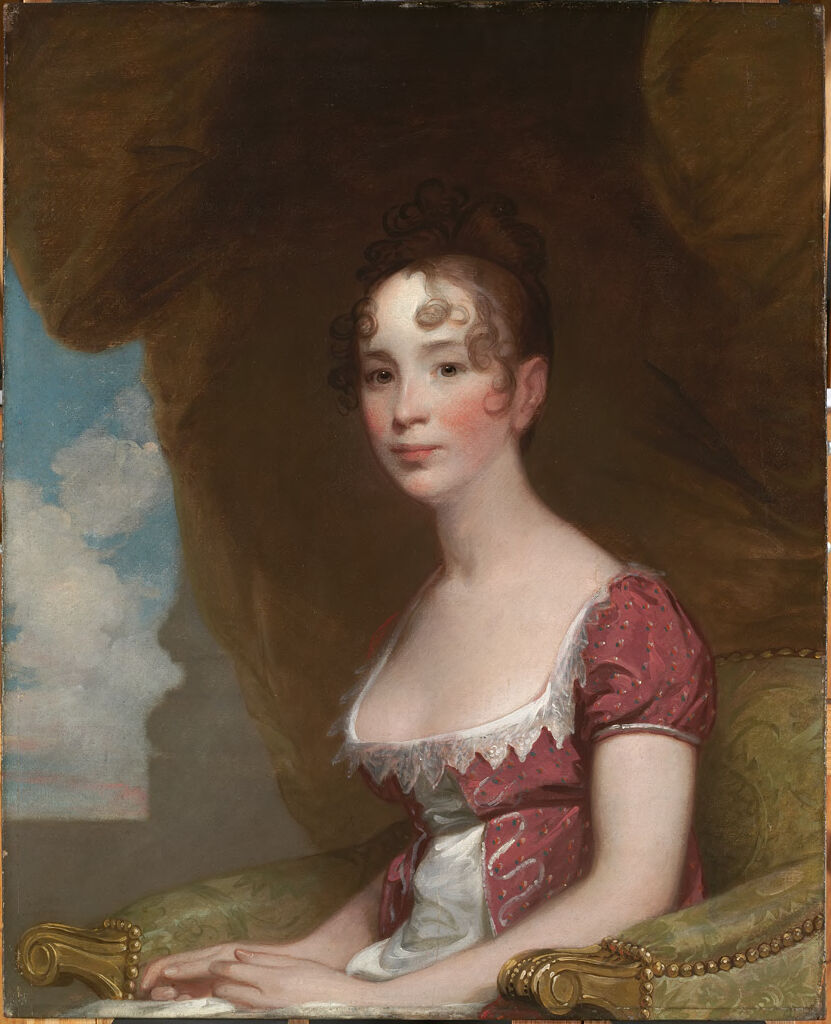
“Art reveals the soul when the world turns away.” In the stillness of a moment captured on canvas, memory intertwines with the essence of identity, revealing layers of a figure whose legacy casts long shadows. Look closely at the center of the canvas, where the figure of John Quincy Adams stands resolutely. The soft, warm light illuminates his furrowed brow and sharp gaze, hinting at both wisdom and burden. Notice the rich, dark background that envelops him, allowing the deep umber of his coat to contrast against the ivory of his shirt collar.
Each brushstroke reveals not only the physicality of his form but also the character etched into his visage, inviting viewers to ponder the weight of his thoughts and the era he represents. The subtle play of light and shadow on his face evokes a sense of introspection, while the slight tilt of his head suggests a readiness to engage with the world around him. This tension between contemplation and action reflects the duality of a man who was both a statesman and a scholar. The positioning of his hands—one gently clasping the other—embodies restraint, hinting at the internal struggles of a leader navigating the complexities of a young nation’s identity.
Gilbert Stuart painted this portrait during the late 1820s, a time when Adams was transitioning from presidency to his later career in the House of Representatives. While the political landscape was fraught with tensions over issues like slavery and territorial expansion, Stuart’s work aimed to immortalize the integrity and intelligence of a man often overshadowed by contemporaries. This piece stands as a testament to the artist’s commitment to portraying the inner lives of his subjects at a time when portraiture was evolving both in technique and purpose.