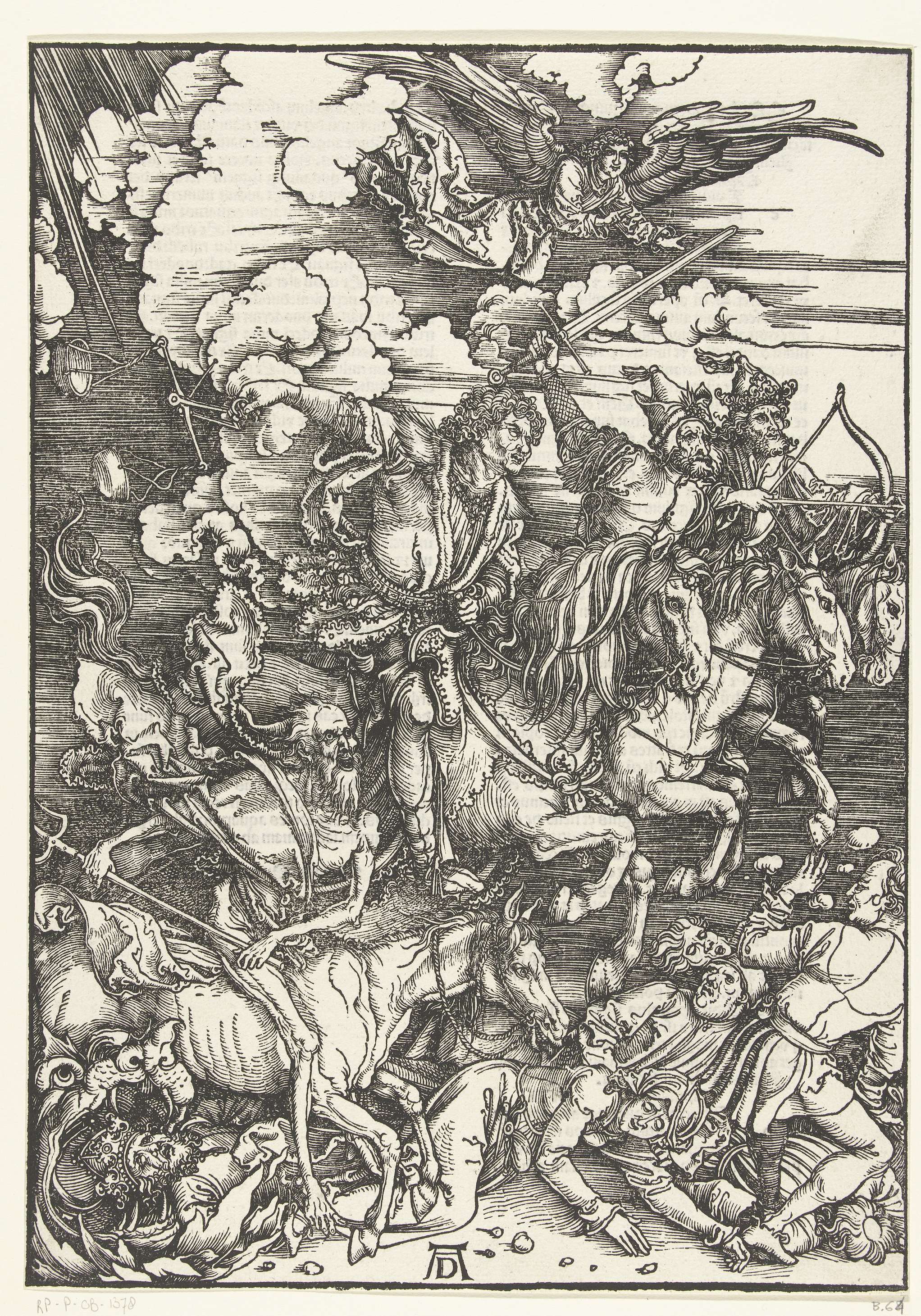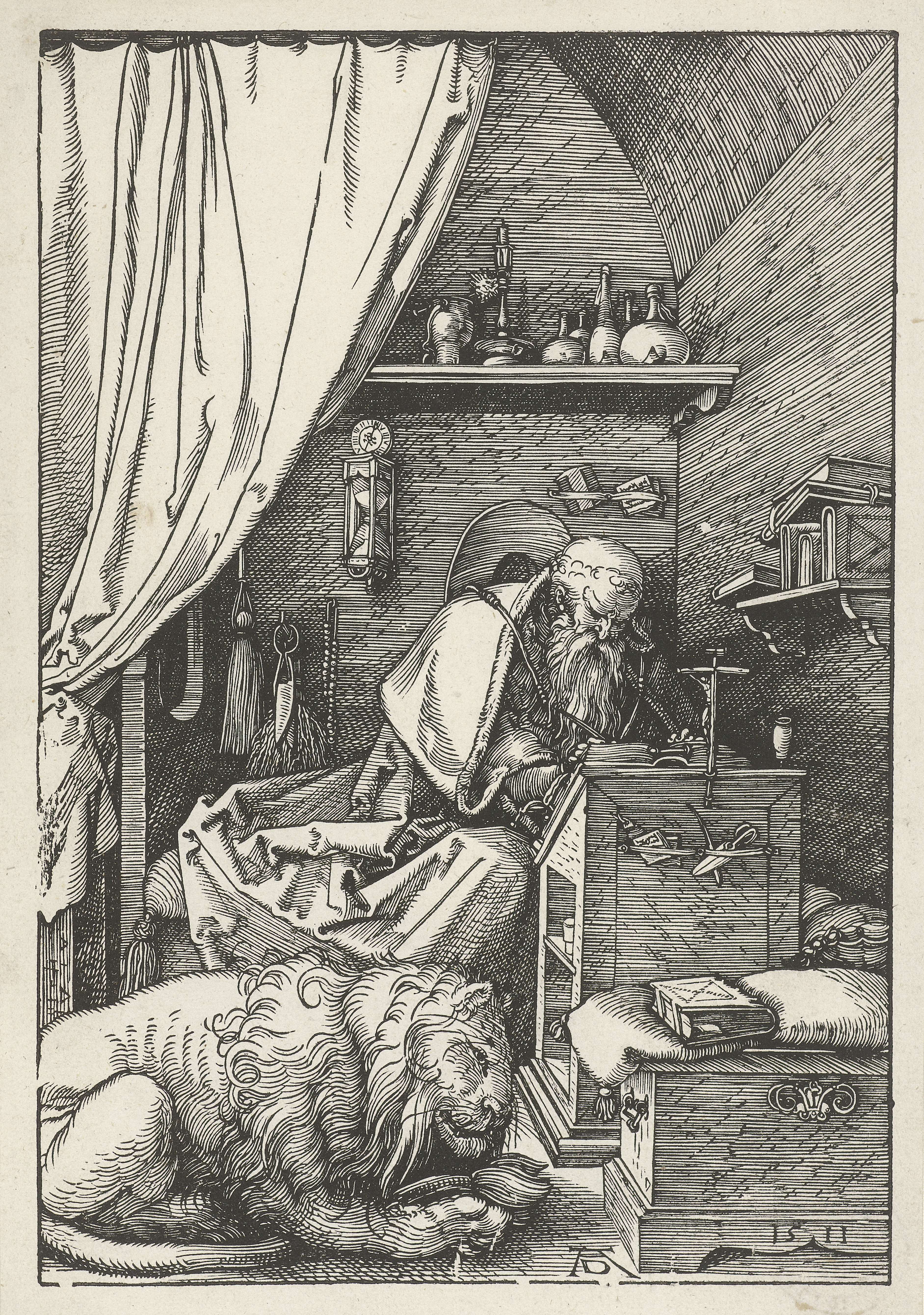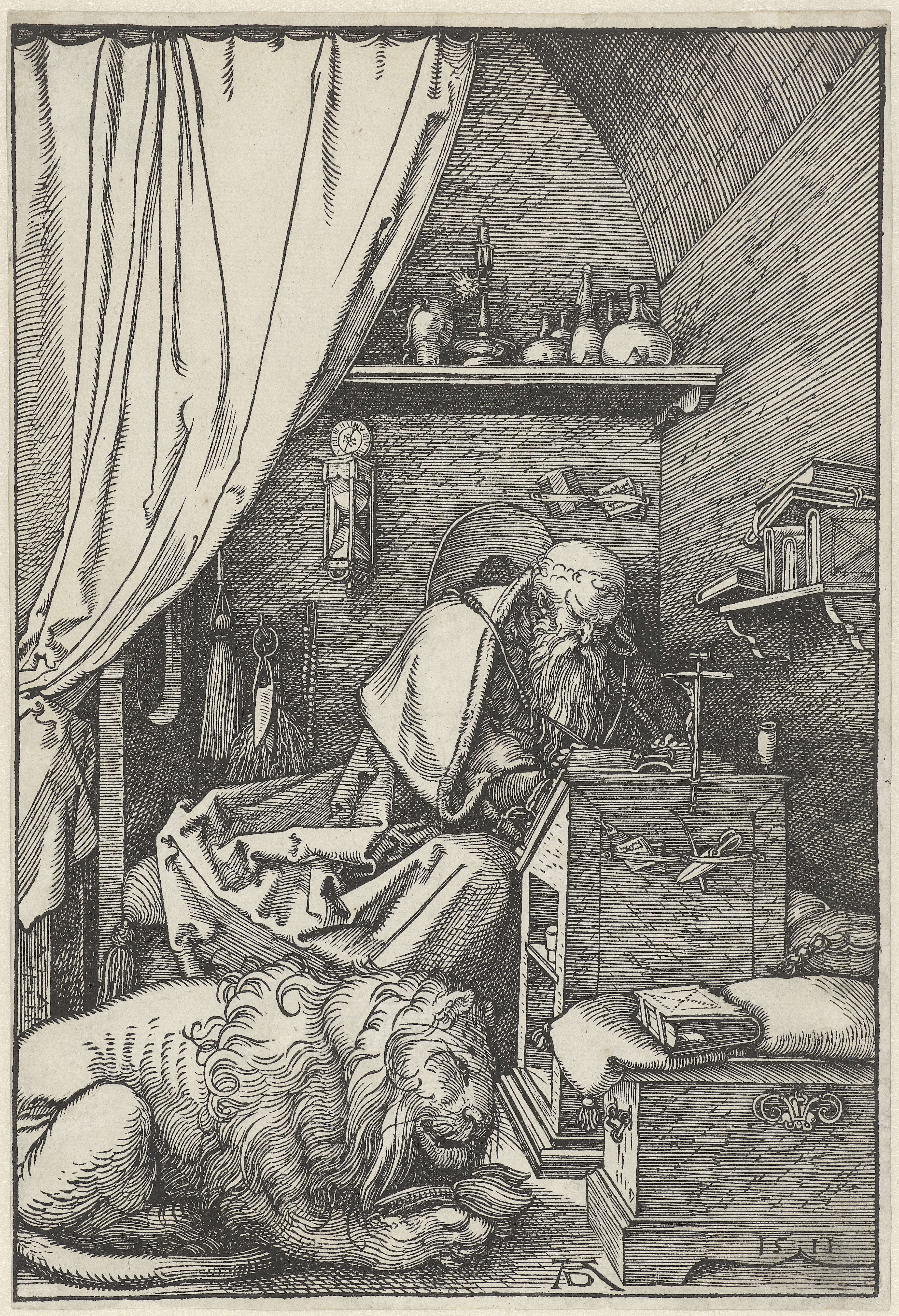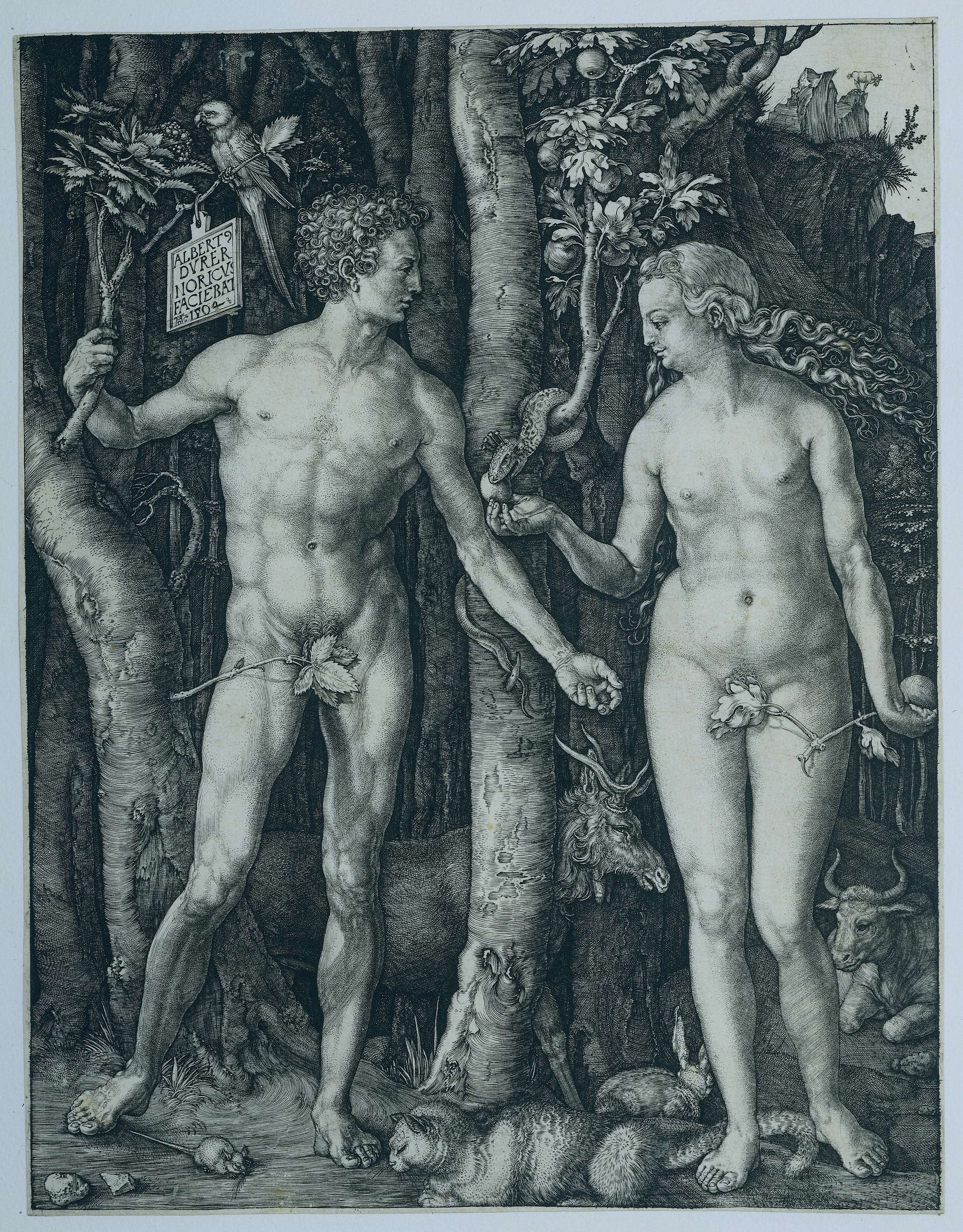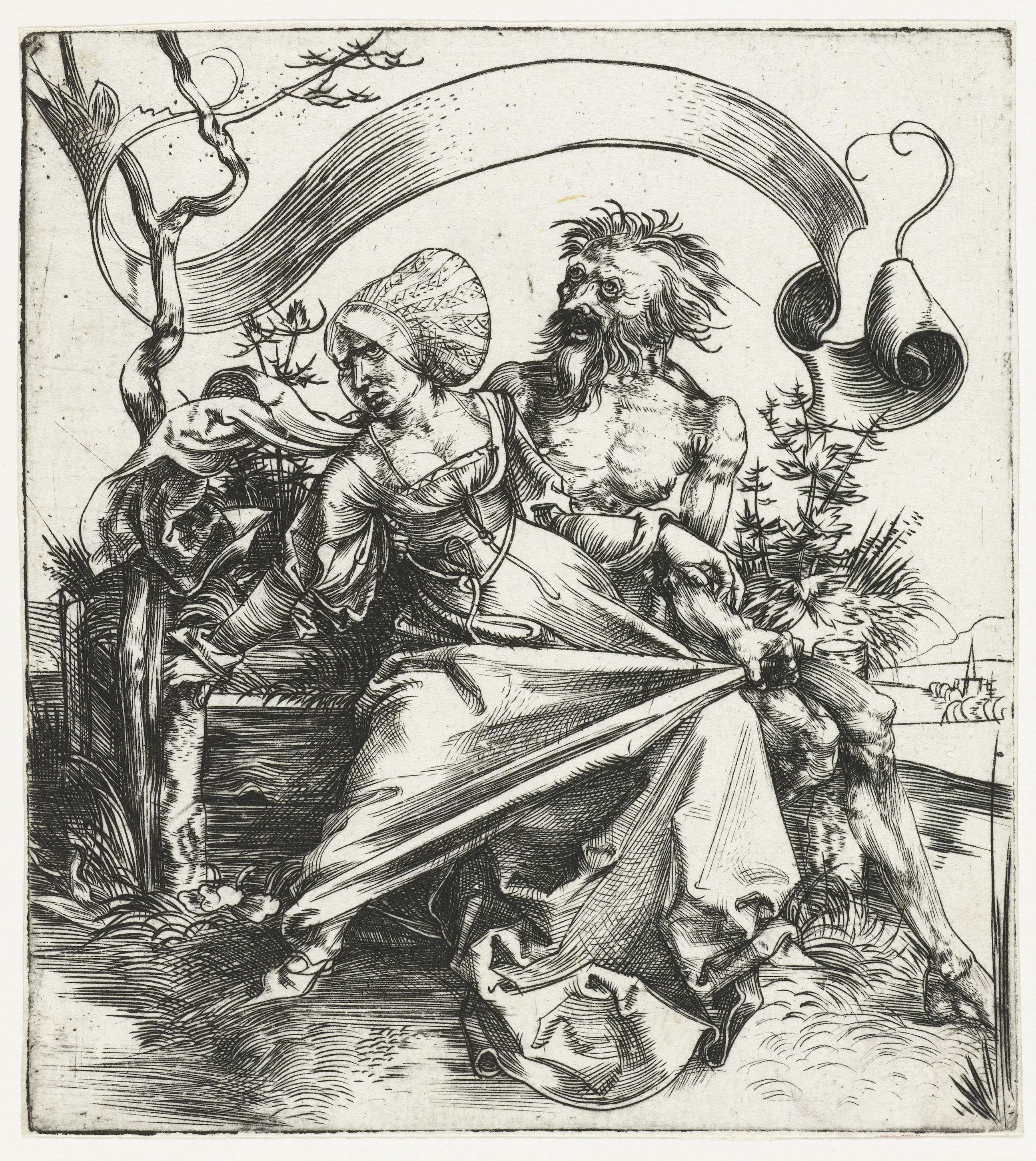
“Art reveals the soul when the world turns away.” In this moment of reckoning, the viewer is invited into a realm where life and death dance in an illusory embrace, forcing us to confront our own mortality. Look to the left, where a young woman stands, her face a portrait of innocence and vulnerability. The delicate strokes capture her flowing garments, flowing like wisps of smoke, as her body recoils from the ominous figure of Death enveloped in shadow. Notice how the light illuminates her features, heightening the tension, while the dark hues of Death contrast starkly with her pale skin, emphasizing the peril she faces. Each detail, from the trembling hand to the flowing hair, is rendered with Dürer's meticulous attention, drawing us into a moment suspended in time. Yet, beneath the surface lies a poignant commentary on the fleeting nature of youth and the inevitability of demise. The juxtaposition of life and death plays out not only in their forms but also in the space that separates them. The young woman, vibrant and alive, stands on the precipice of despair, revealing our innate struggle against an unyielding fate. The tension pulses as we sense her desperate attempt to escape the clutches of the dark figure, whispering the universal truth of life’s transience. During the late 15th century, Albrecht Dürer created this remarkable engraving in a pivotal moment of his artistic journey, between 1493 and 1497, in Nuremberg. At this time, the Renaissance was flourishing, and Dürer was deeply influenced by humanist ideas and the exploration of the natural world, reflecting the duality of existence through his intricate work. This piece, with its haunting theme, captures the anxieties of an age grappling with the morality of life and death.