Jonge vrouw met hoed — History & Analysis
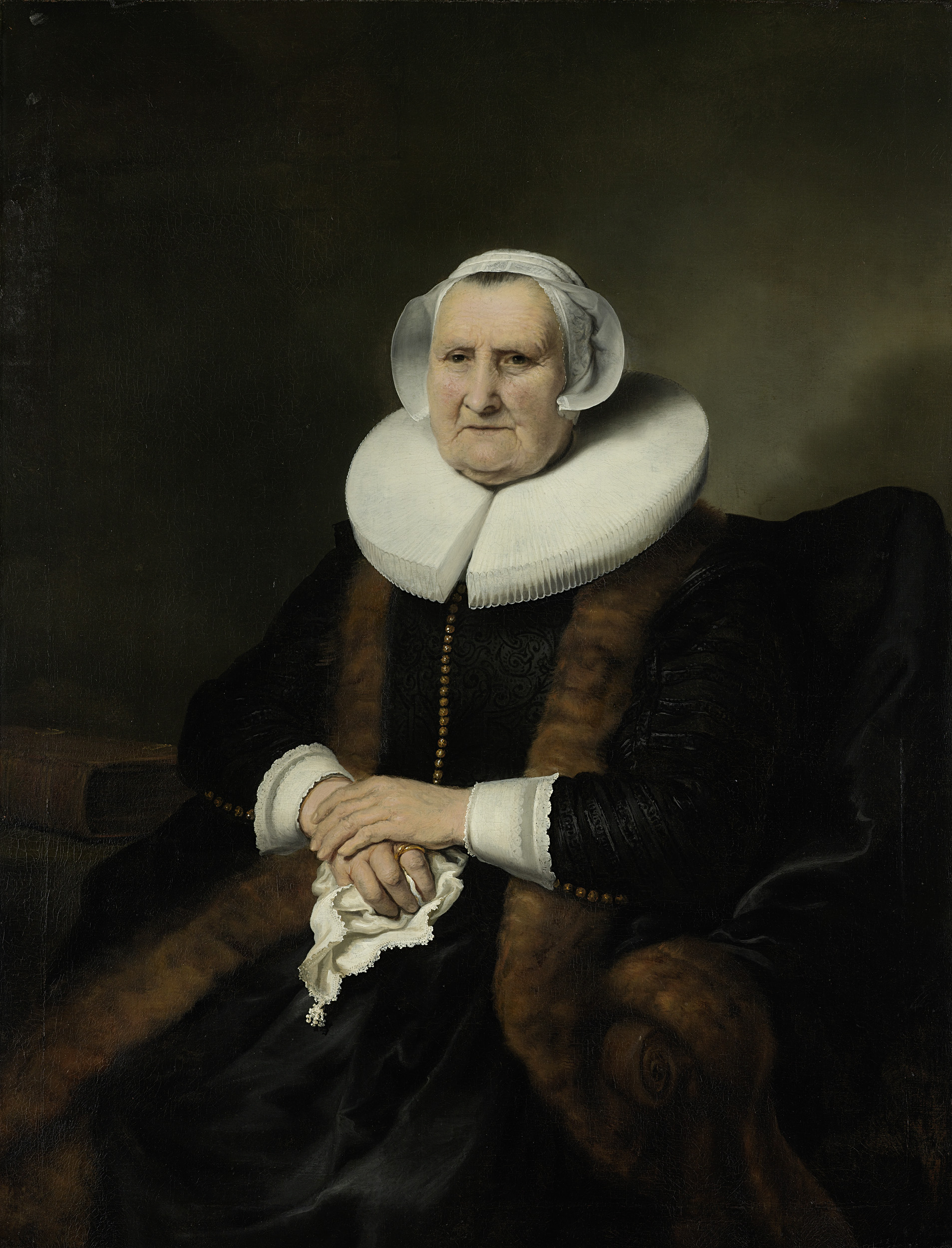
“Between color and silence, truth hides.” In the delicate balance of beauty and deception, the viewer is drawn into a narrative cloaked in intrigue. What secrets lie beneath the surface of this elegant visage and the elaborate hat that crowns her head? Look to the left at the striking contrast of light and shadow that plays across her features, illuminating her porcelain skin while casting the background into a muted haze. The soft, warm palette imbues her presence with an inviting allure, yet there's a tension in her gaze that holds deeper stories untold.
Notice the intricate details of her attire—the texture of the fabric, the delicate stitching—each element meticulously designed to enhance her enigmatic charm. Yet, beneath the surface, one can perceive an emotional dissonance. The hat, a symbol of social standing, hints at the constraints of societal expectations, while her sidelong glance—a mixture of confidence and uncertainty—invites speculation about her true feelings. The subtle positioning of her hand, poised yet slightly withdrawn, suggests a hesitance that whispers of betrayal and the complexities of identity in a world steeped in pretense.
Created in 1644, this work emerged during Ferdinand Bol's time in Amsterdam, when he was establishing his reputation as a notable portraitist. During this period, the Dutch Golden Age saw a burgeoning interest in individual character and social commentary through portraiture, reflecting the nuances of life and the complexities that often accompany personal relationships. Bol, a pupil of Rembrandt, infused this piece with a depth of emotion that transcends mere representation, capturing the essence of a woman caught between her public and private selves.