Jongen met een baret — History & Analysis
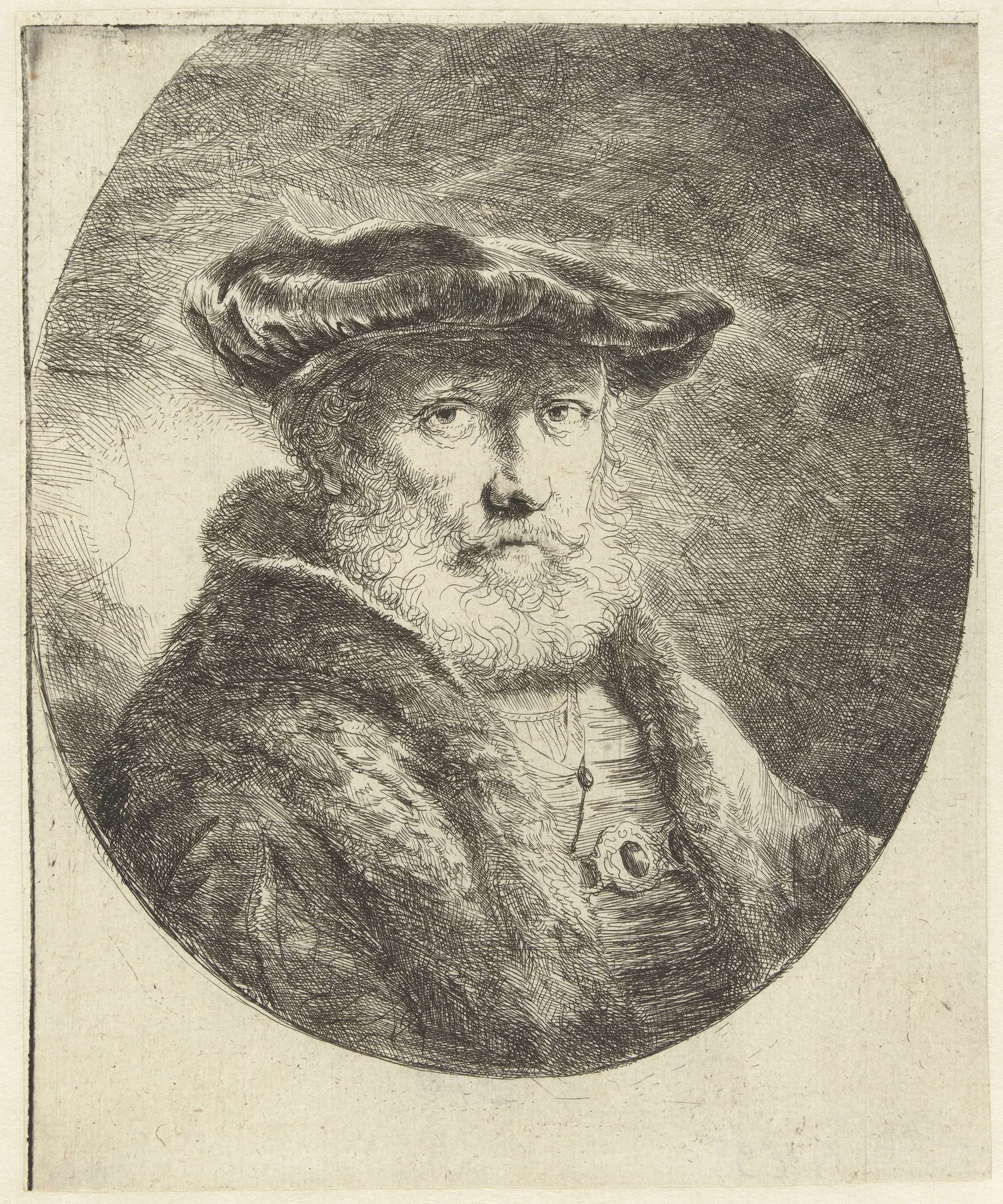
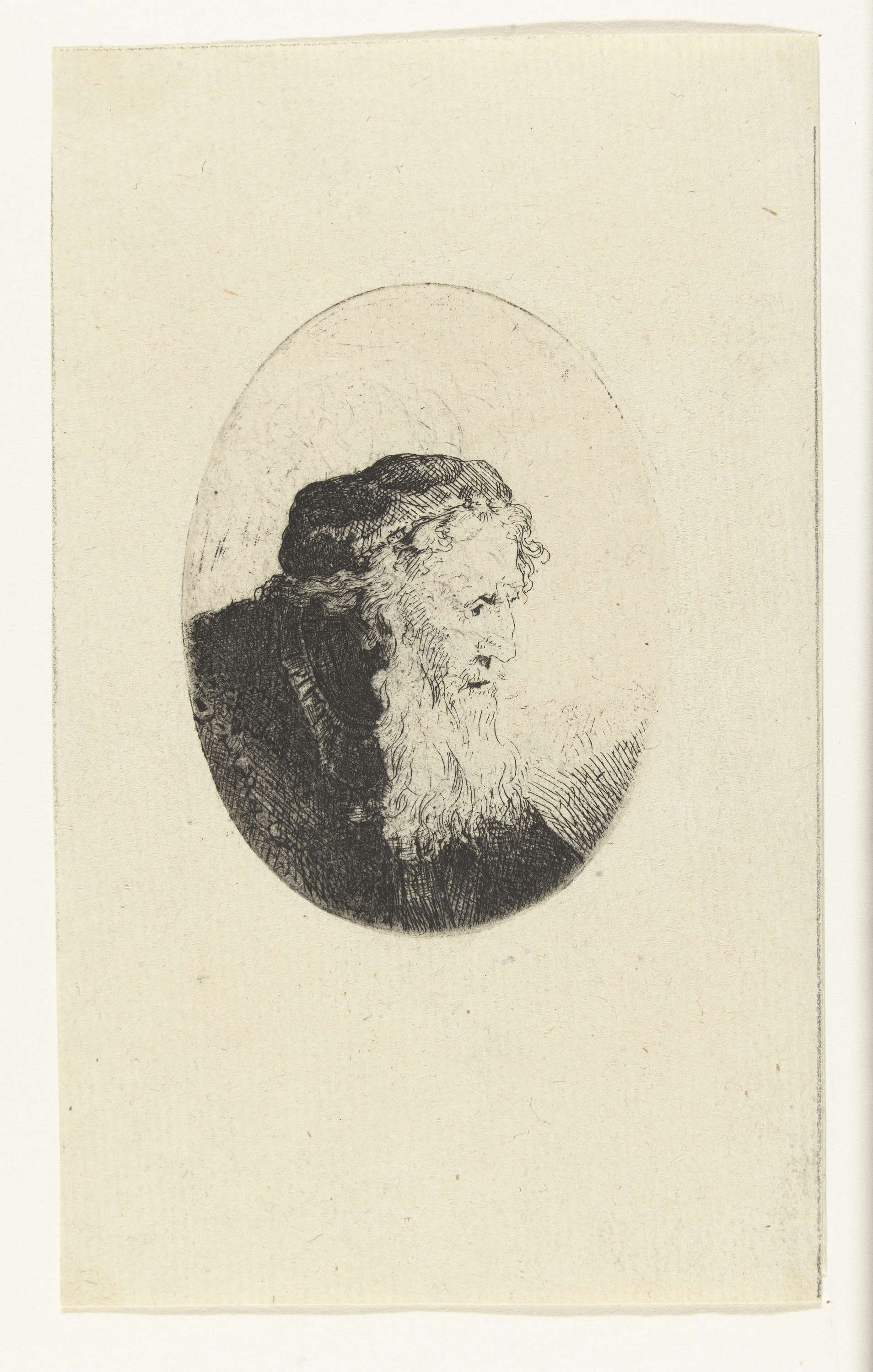
When did color learn to lie? In Jongen met een baret, hues whisper secrets beneath the surface, revealing unsettling truths masked by beauty. Look to the center, where the boy’s face emerges from the darkness, his expression both serene and eerily detached. Notice the way the light gently illuminates his soft features, contrasting sharply with the deep shadows that encircle him. The rich blacks and browns of his baret and clothing form a stark backdrop, allowing the warm tones of his skin to pop, drawing the viewer into his enigmatic gaze.
The delicate handling of light elevates the tension, as if the boy exists in a liminal space, caught between innocence and the hidden violence of the world around him. The juxtaposition of serenity and unease is palpable. The boy's calm demeanor belies the turbulent emotions that ripple just beneath the surface, suggesting a narrative steeped in hidden conflicts. The baret, an accessory often associated with artistic rebels, hints at a passion for freedom, yet here it may also symbolize the weight of societal expectations.
This duality challenges the viewer to reconcile beauty with the potential for darkness that lies within. Ferdinand Bol painted this piece in 1642 in Amsterdam during a time of artistic flourishing, influenced by his association with Rembrandt. While the Baroque era celebrated the dramatic interplay of light and shadow, Bol was navigating the transition towards a more personal style. This period saw him grappling with themes of identity and the human experience, reflecting the complex narratives that permeated the fabric of society.