Keizer Maximiliaan I knielt voor Christus — History & Analysis
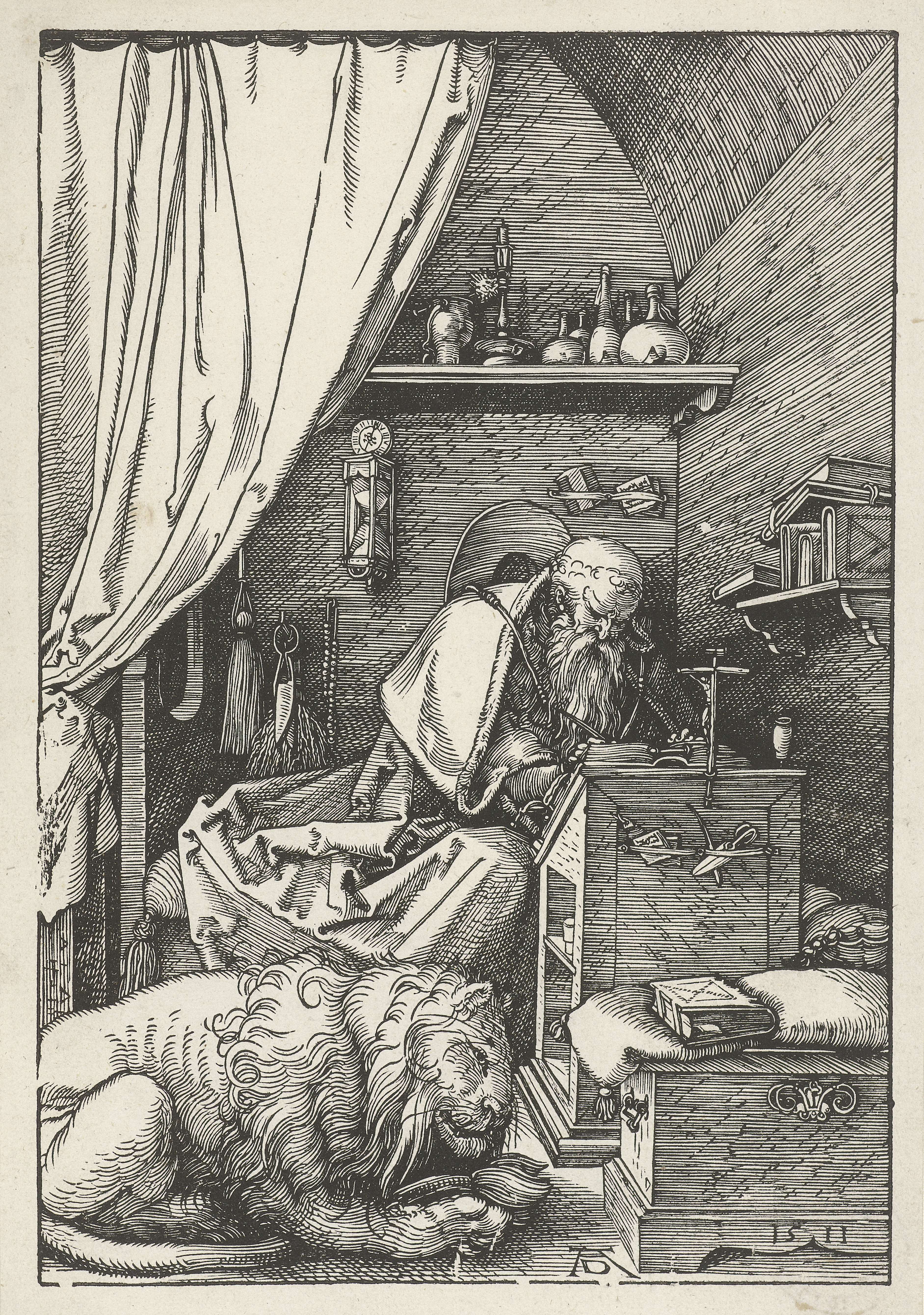
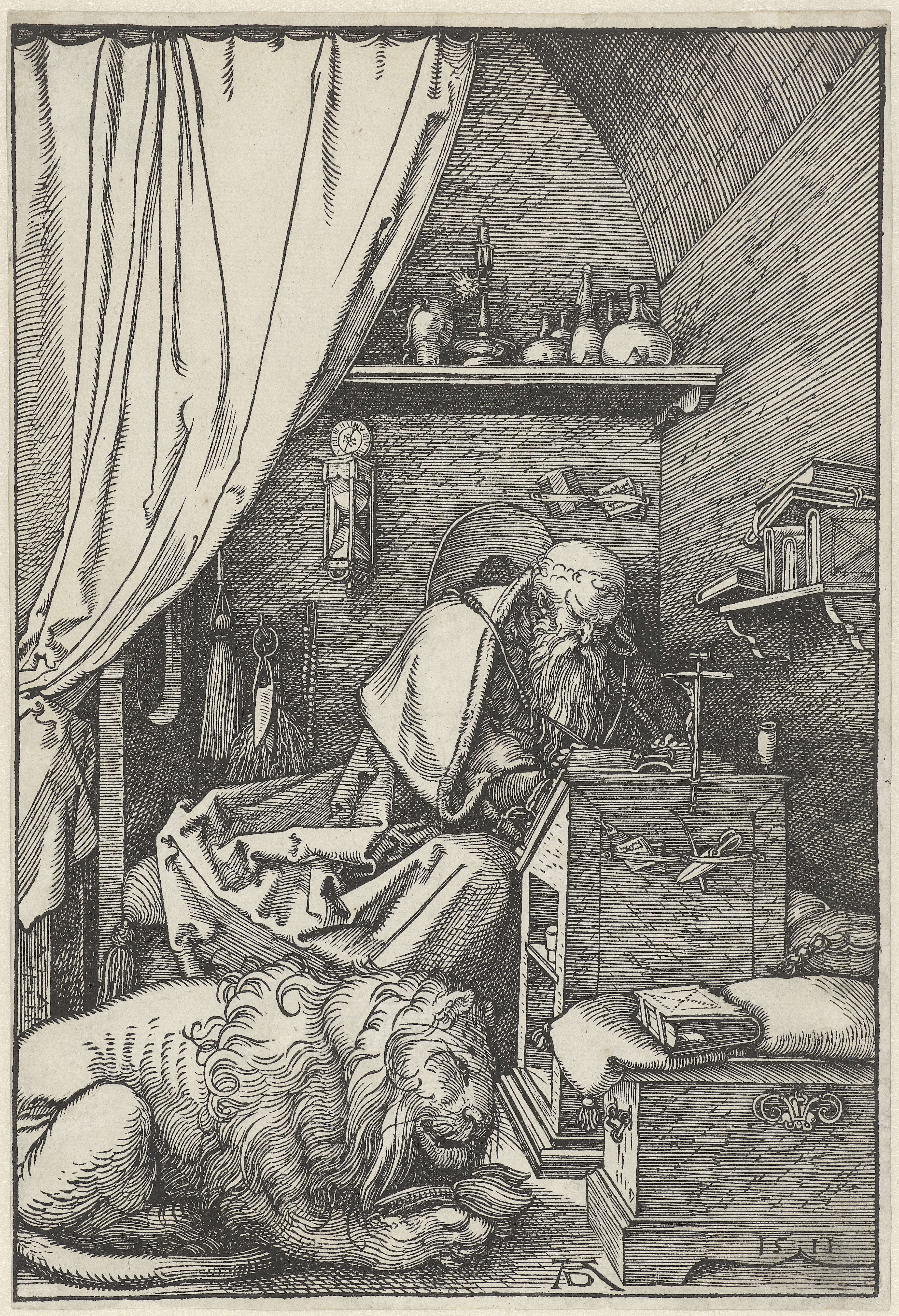
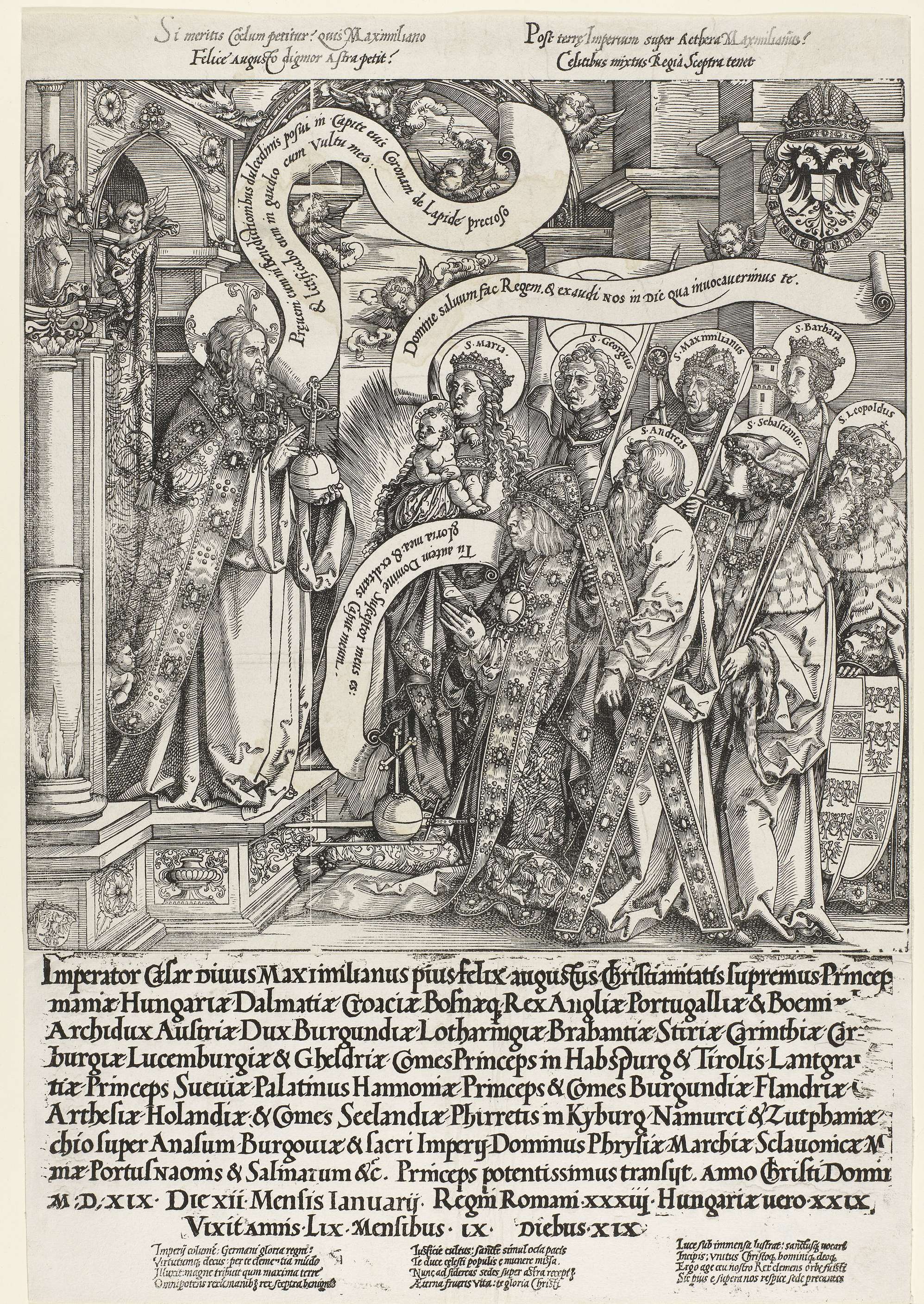
What if silence could speak through light? In Keizer Maximiliaan I knielt voor Christus, the profound stillness carries a weight that transcends the canvas, inviting contemplation on faith and the human experience. Begin by focusing on the figure of Maximilian, kneeling in a meditative posture at the forefront. Notice how the light bathes him in a soft glow, drawing your eyes to the rich details of his ornate robe and crown, symbols of his imperial status.
The halo around Christ above him, radiant and ethereal, contrasts sharply with the somber earth tones of the background, creating a visual hierarchy that underscores the gravity of this moment. Within this composition lies a tension between power and humility, as the emperor submits before the divine. The rich textures of cloth juxtapose the simplicity of the gesture, enhancing the theme of spiritual surrender. Each intricate detail—such as the chain of pearls and the delicate folds of fabric—reflects Dürer’s meticulous craftsmanship and a broader symbolism of earthly concerns yielding to a sacred calling.
In 1519, Albrecht Dürer was in his later years, grappling with both personal and artistic transformations. Painting this work in Nuremberg, he faced the twilight of a significant era in Northern Renaissance art, where the intersection of faith and power was becoming increasingly complex. This piece captures not only a moment of reverence but also the artist's reflections on legacy, mortality, and the shifting tides of belief in a changing world.