Kircheninneres — History & Analysis
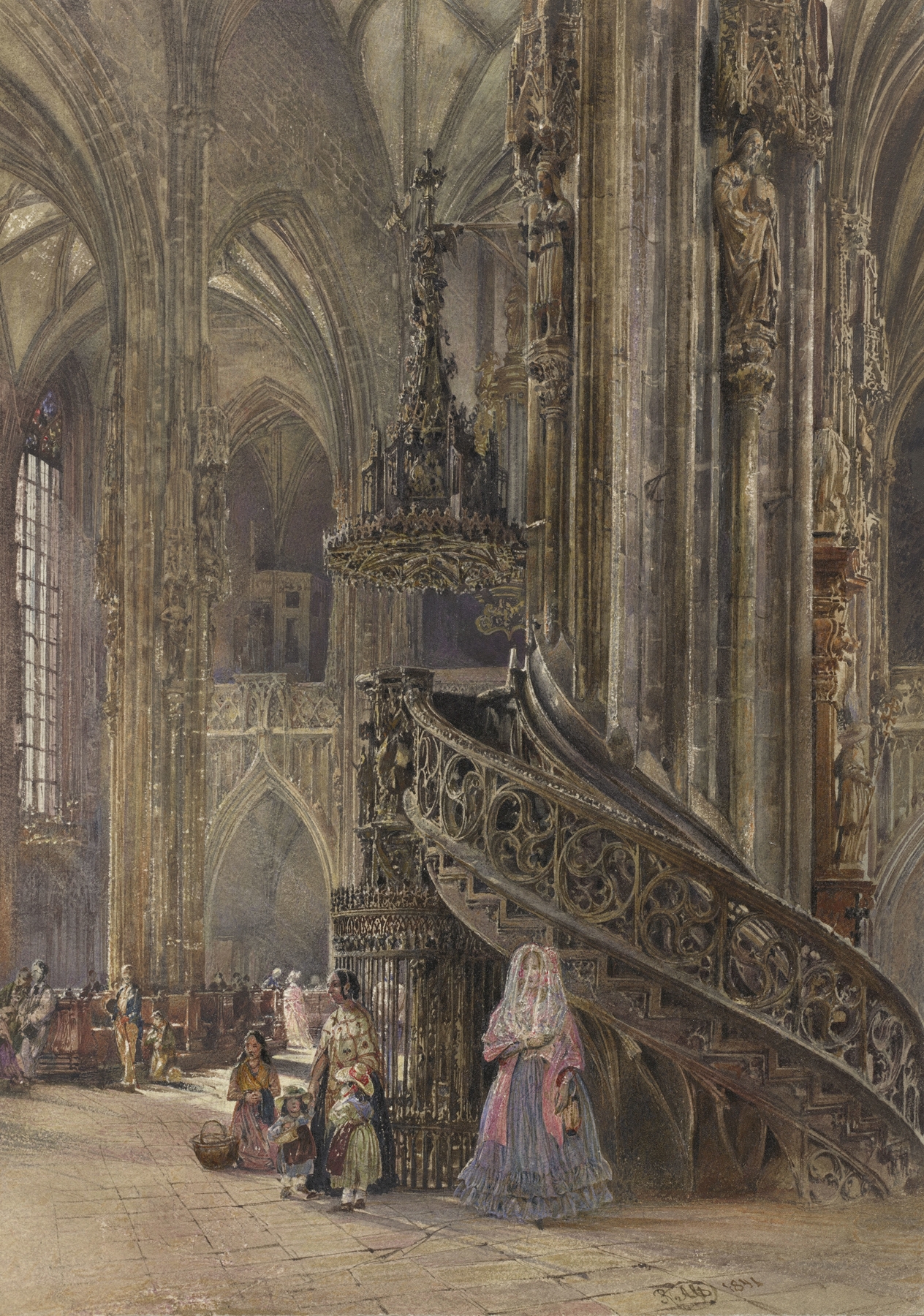
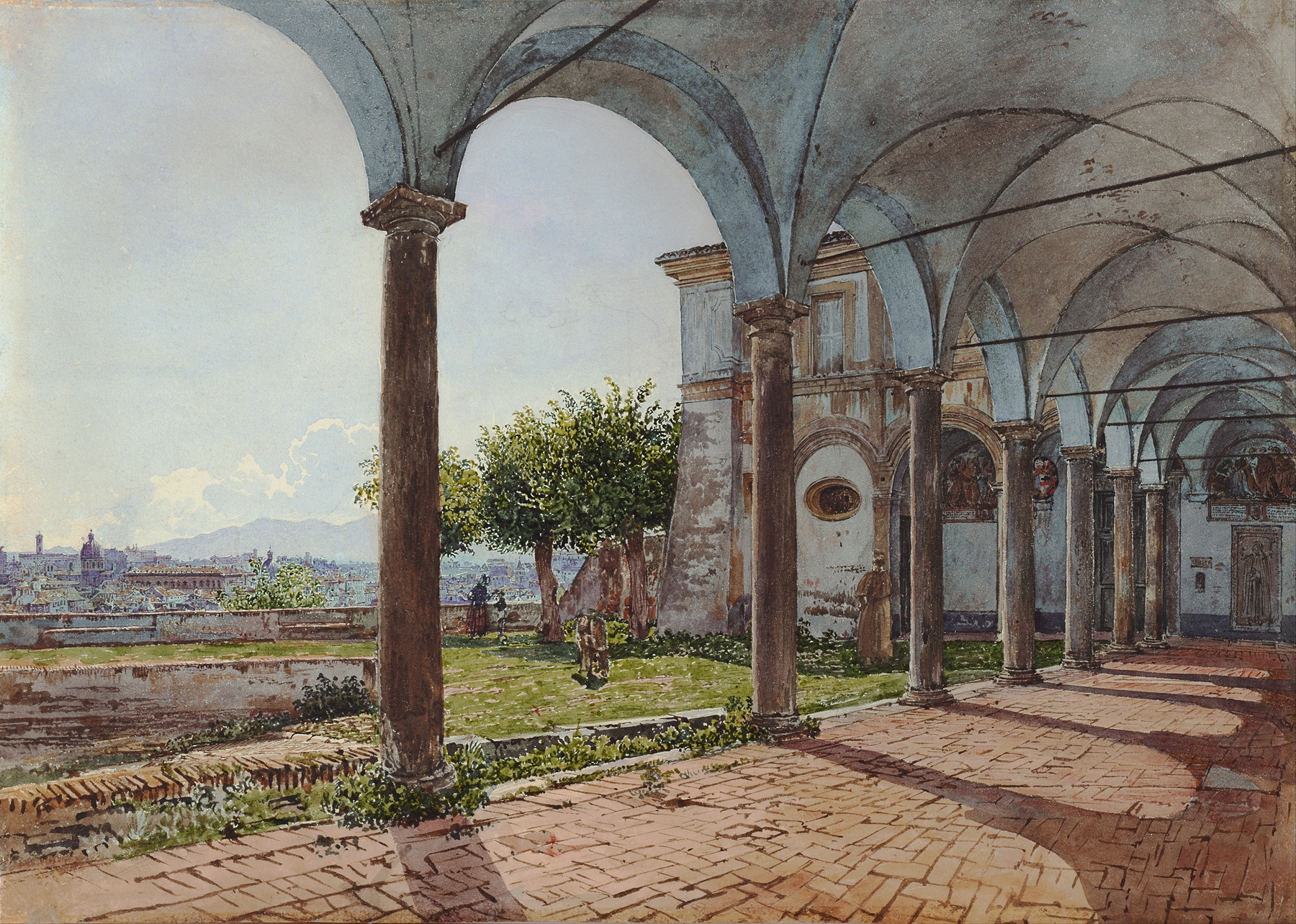
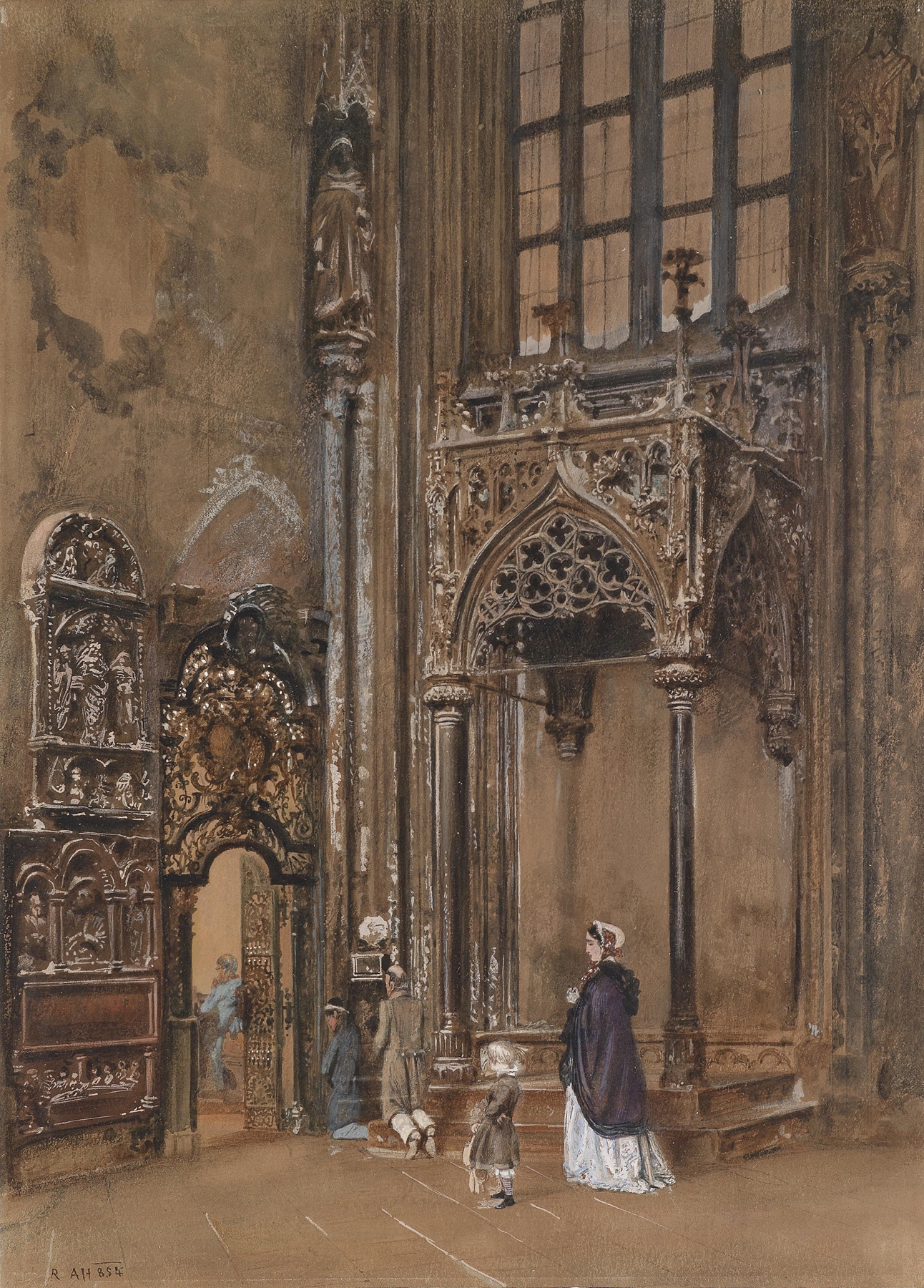
“Every brushstroke is a heartbeat remembered.” Within the quiet of a sacred space, desire lingers like a whisper among the shadows of ancient stone. It speaks of longing, a yearning for connection, both divine and human, resonating throughout the stillness of the church's interior. Look to the left at the intricate arches that cradle the vaulted ceiling, their delicate lines guiding your gaze upward. Notice how the light filters through the stained glass, casting an ethereal glow onto the worn pews below. The artist employs a rich palette of deep ochres and muted blues, inviting a sense of reverence, while the meticulous details of the woodwork echo a history steeped in devotion.
Each brushstroke lays bare the sacred architecture, inviting viewers into a moment frozen in time. The interplay between light and shadow creates a palpable tension, suggesting both solitude and communion. In the soft folds of a drapery, you can sense the weight of prayers whispered and hopes expressed. The muted colors speak of patience and introspection, embodying a desire not just to worship but to connect with the transcendental amidst life's chaos.
This interior is not merely a setting but an embodiment of collective yearning for solace and meaning. In 1854, Rudolf von Alt painted this work in Austria, a period marked by a flourishing interest in realism and a burgeoning exploration of emotional depth in art. Amidst personal challenges, he found solace in depicting sacred spaces, reflecting societal shifts as the world transitioned from Romanticism to the more intimate approaches of modernity. This painting stands as a poignant testament to both his journey and the universal desire for spiritual connection.