Koninklijke en pauselijke basiliek Franciscus van Paola te Napels, Italië — History & Analysis
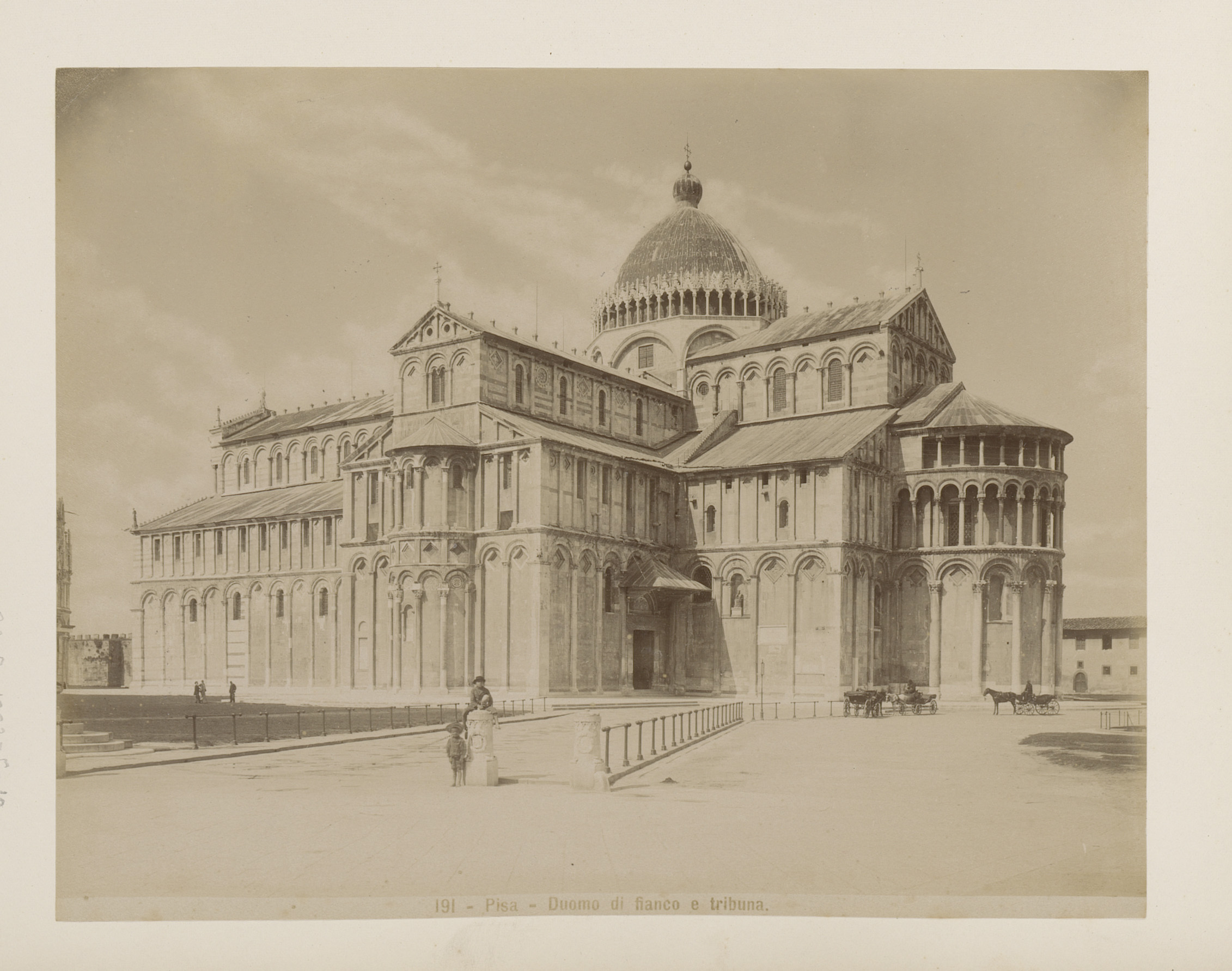
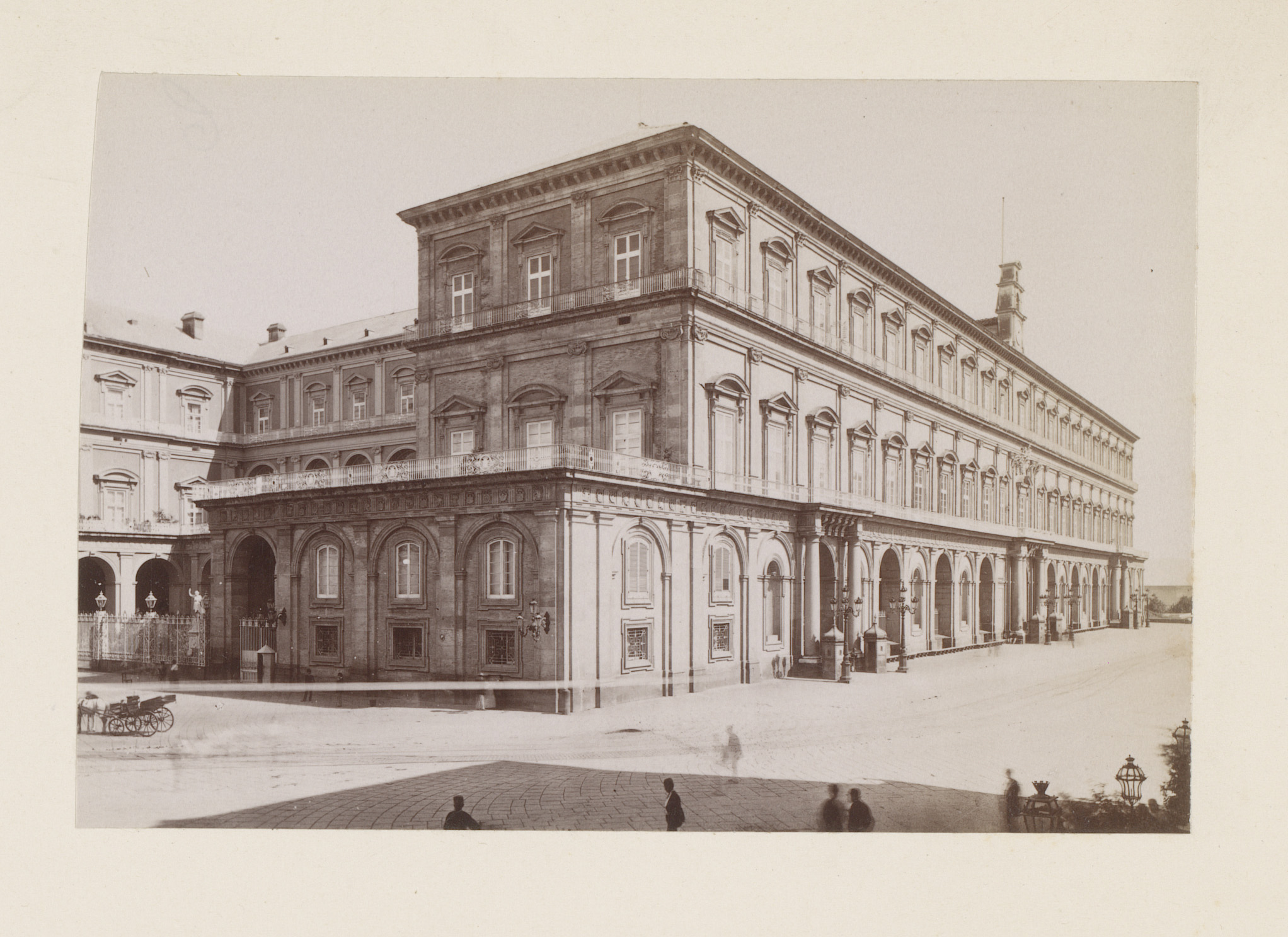
Could beauty survive in a century of chaos? In an age when innocence feels like a distant memory, the majestic simplicity of a sacred space beckons us to pause and reflect. Look to the right, where the grand façade of the basilica stands like a stoic guardian, its harmonious lines embracing the viewer with a sense of timelessness. Notice the intricate details carved into the stone, each telling a story of devotion and artistry, while a gentle sunlight casts soft shadows that dance across the steps.
The palette, dominated by earthy tones, evokes a warmth that invites contemplation, contrasting sharply with the tumultuous socio-political landscape of the time. Deeper within this composition lies a subtle tension between the monumental and the ephemeral. The basilica's towering presence symbolizes resilience amidst a backdrop of uncertainty, while the fleeting moments captured in light remind us of the transience of life itself.
Look closer at the subtle interplay between light and shadow; it reveals the fragility of innocence that we so often take for granted, urging us to seek beauty even in the darkest of times. Between 1864 and 1881, Giacomo Brogi devoted his lens to capturing the architectural splendor of Italy, particularly in Naples, where a rich tapestry of cultural heritage was being woven amidst political upheaval. This period marked a time of significant change in the art world, as photography began to establish itself as a profound means of artistic expression, allowing for the immortalization of both grand monuments and the fleeting moments of everyday life.