Kranen in de haven — History & Analysis
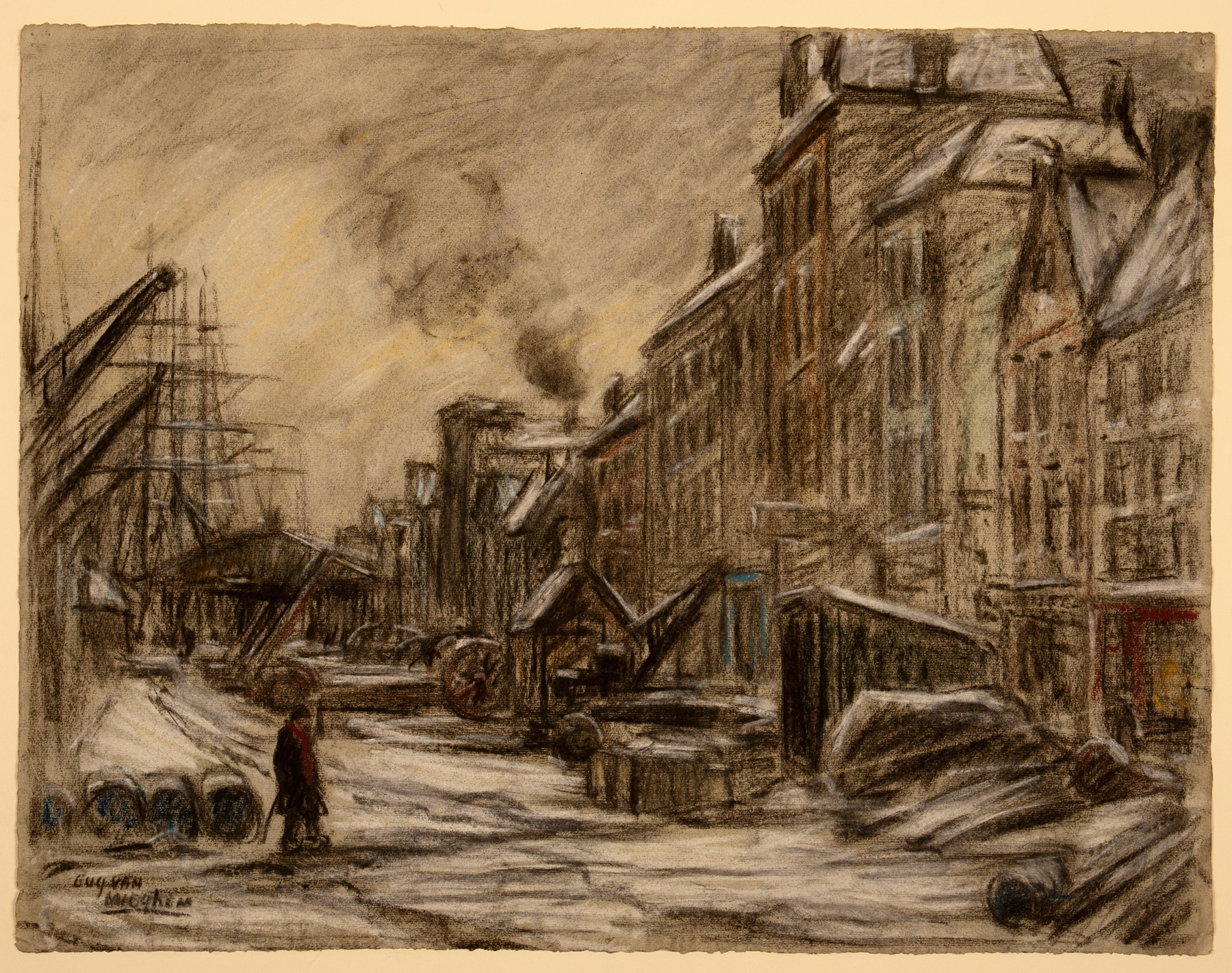
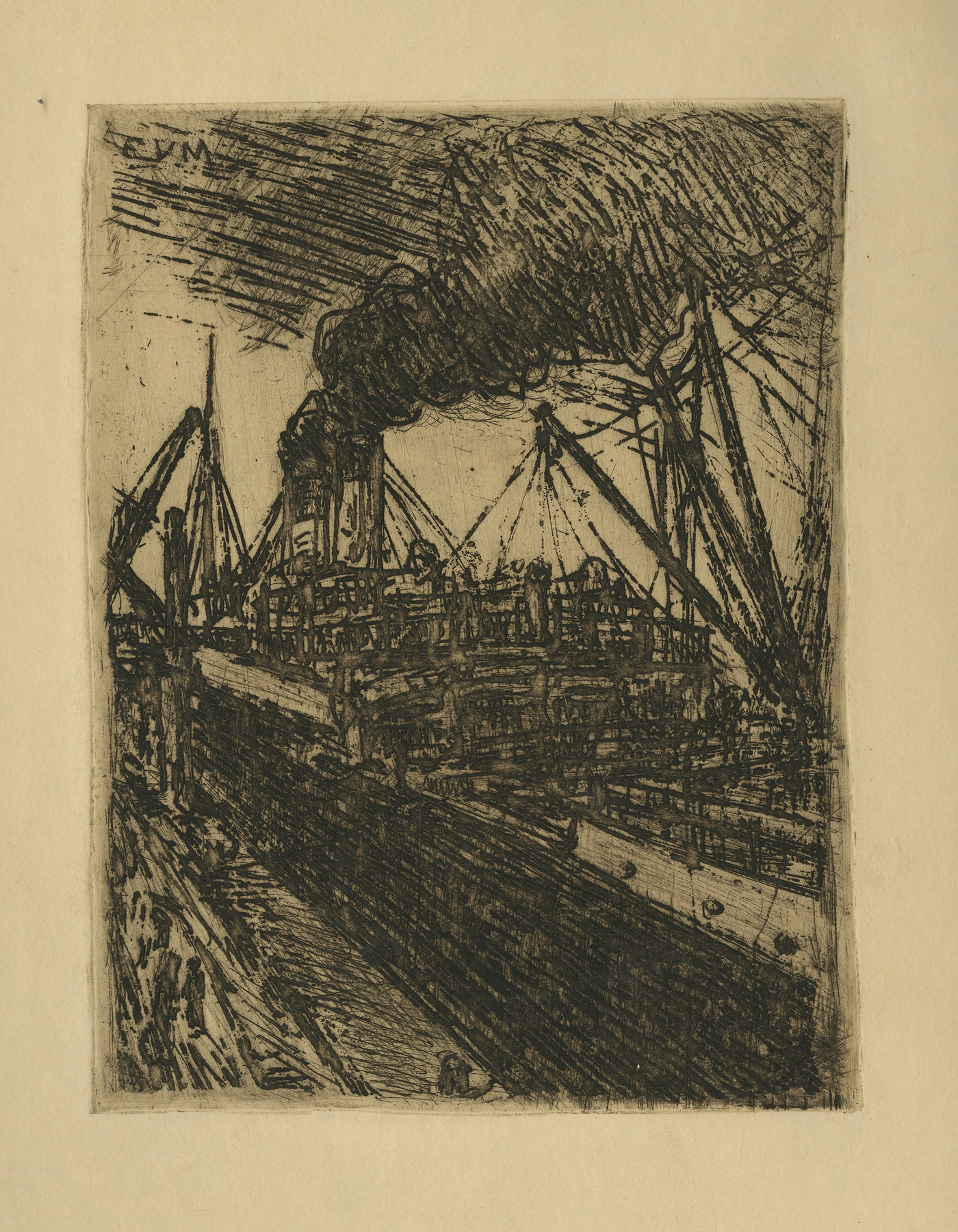
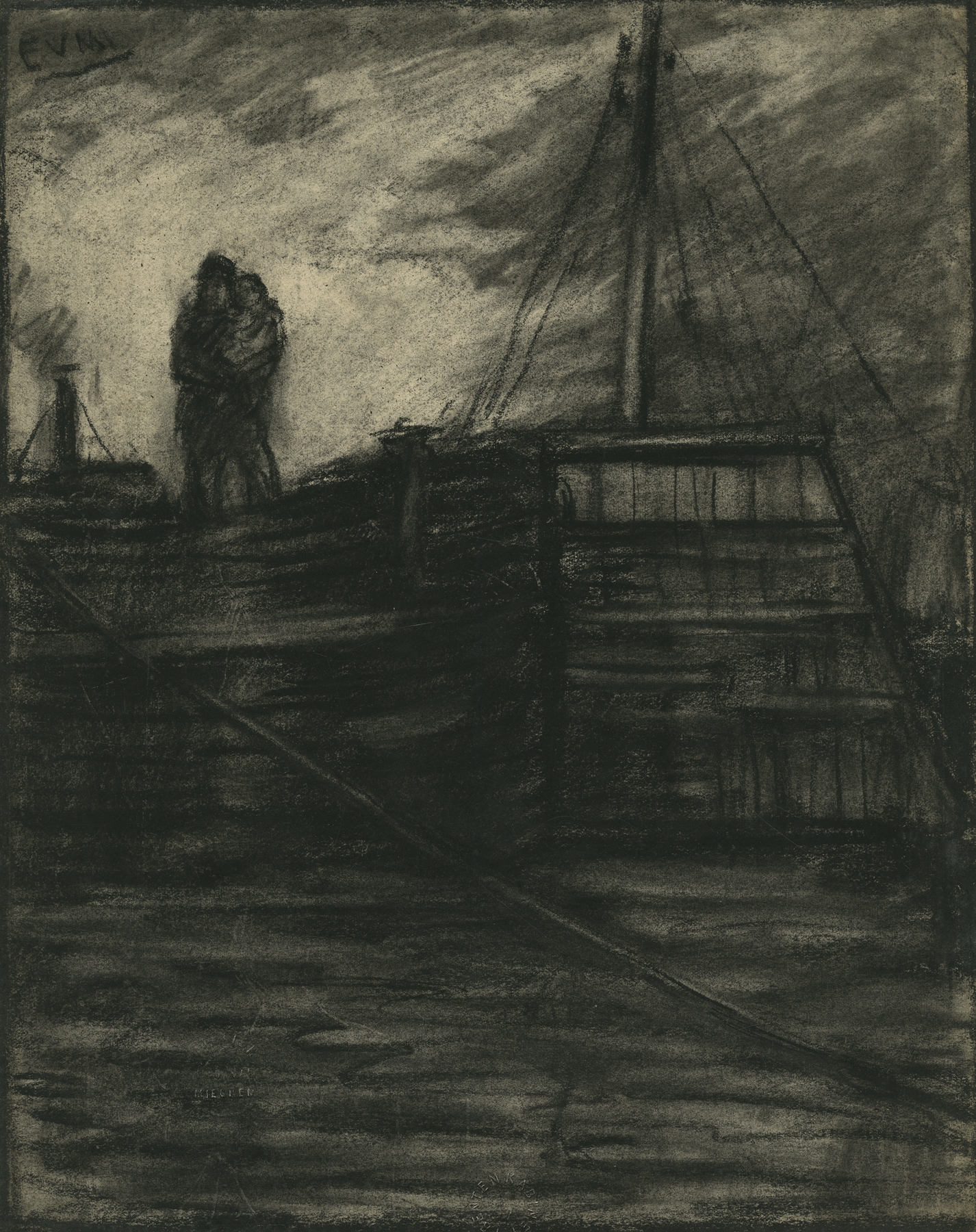
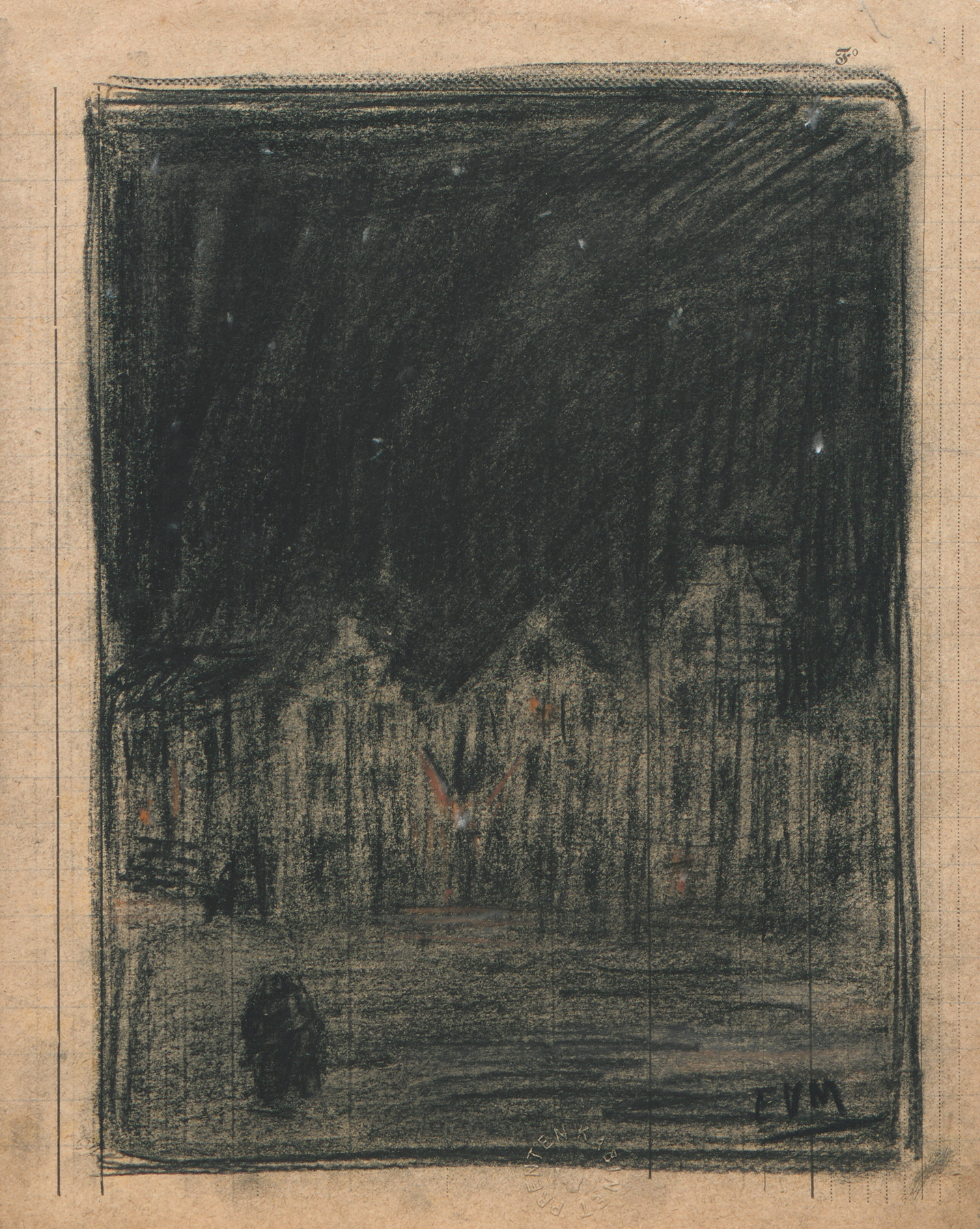
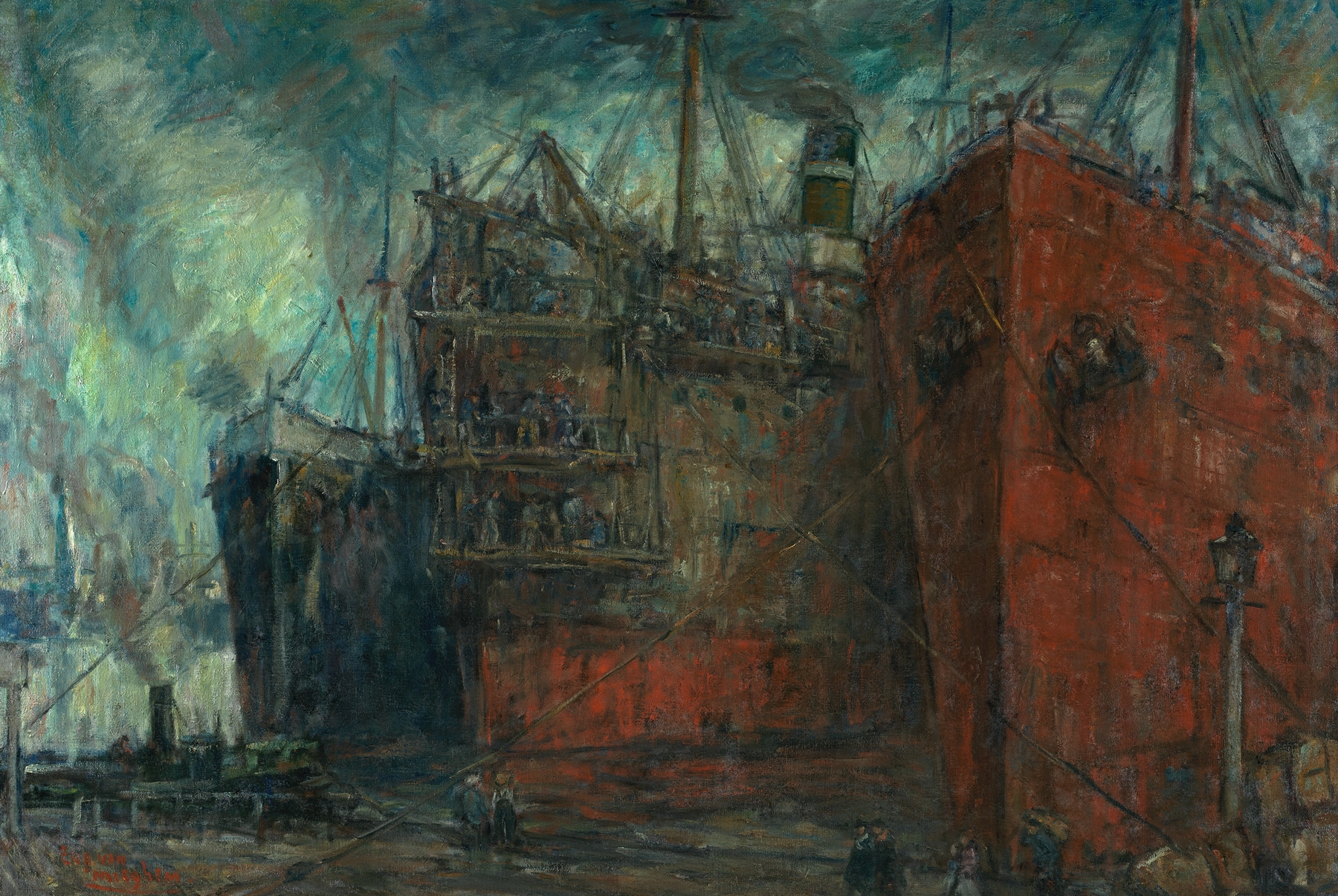
“Sometimes beauty is just pain, disguised in gold.” In Kranen in de haven, a bittersweet ecstasy emerges from the interplay of light and shadow, revealing the complexity of human experience amid industrial progress. Look to the left at the towering cranes, their silhouettes against a brooding sky dominating the composition. Notice how the subtle gradients of gray and ochre evoke a sense of dusk, hinting at the day's end and the toil that accompanies it. The mechanical lines of the cranes contrast sharply with the soft curves of the water, creating a tension that captures the essence of labor and longing.
Within the scene, hidden meanings unfold like whispers carried by the wind. The cranes, both proud and foreboding, symbolize the relentless march of industry, while the stillness of the water reflects the emotional depths of those who work tirelessly yet remain unseen. This duality between the industrial and the intimate speaks to the ecstasy found in overcoming hardship—a triumph shadowed by the weight of existence.
Eugeen Van Mieghem painted this work during a transformative period in early 20th-century Belgium, reflecting the rise of industrialization and its impact on urban life. As he captured the essence of the harbor, he was navigating his own artistic style, moving towards a more expressive form that would define his later works. This painting emerged amidst societal changes, revealing an artist deeply attuned to the pulse of his environment.