Kyoto Takao — History & Analysis
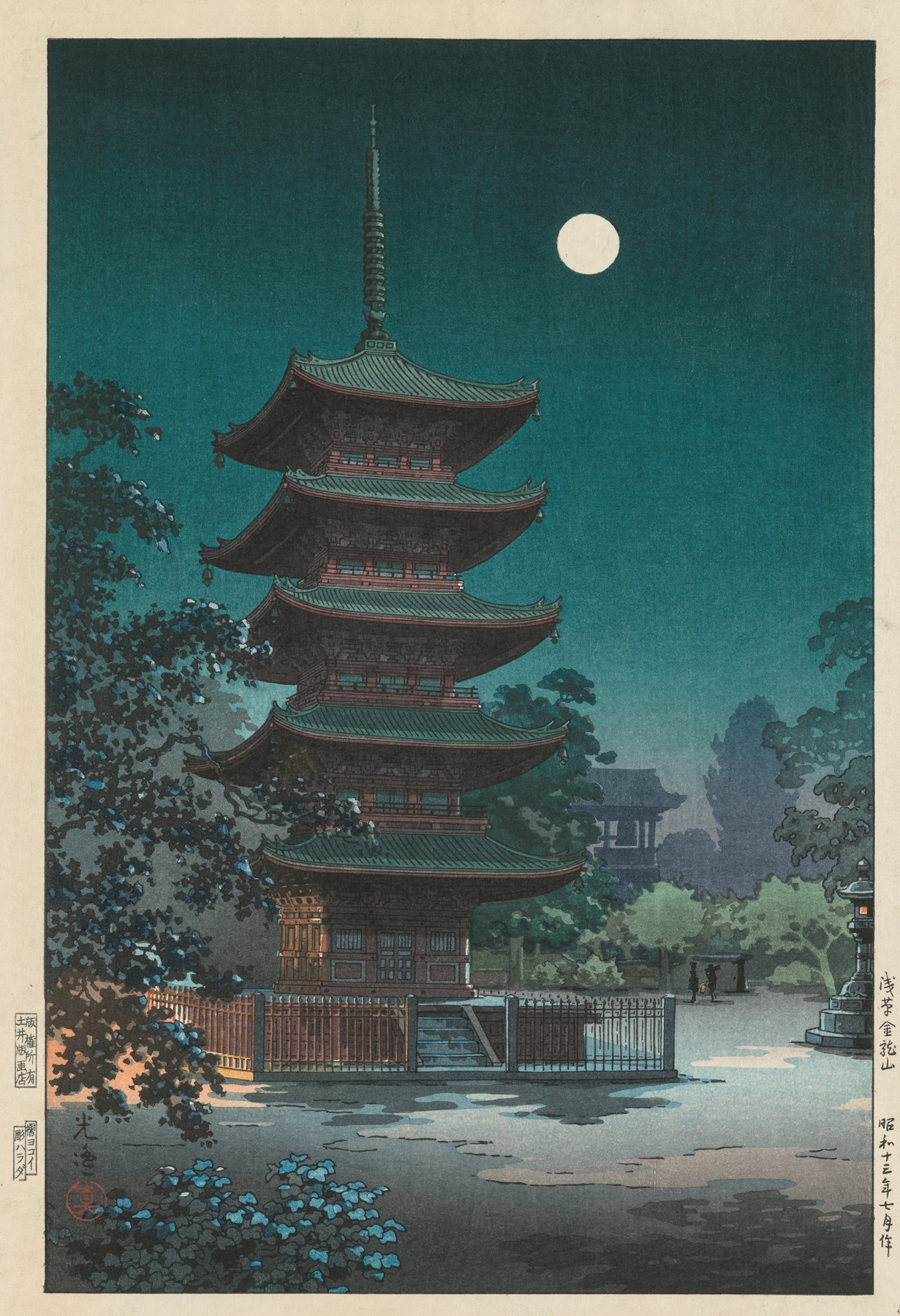
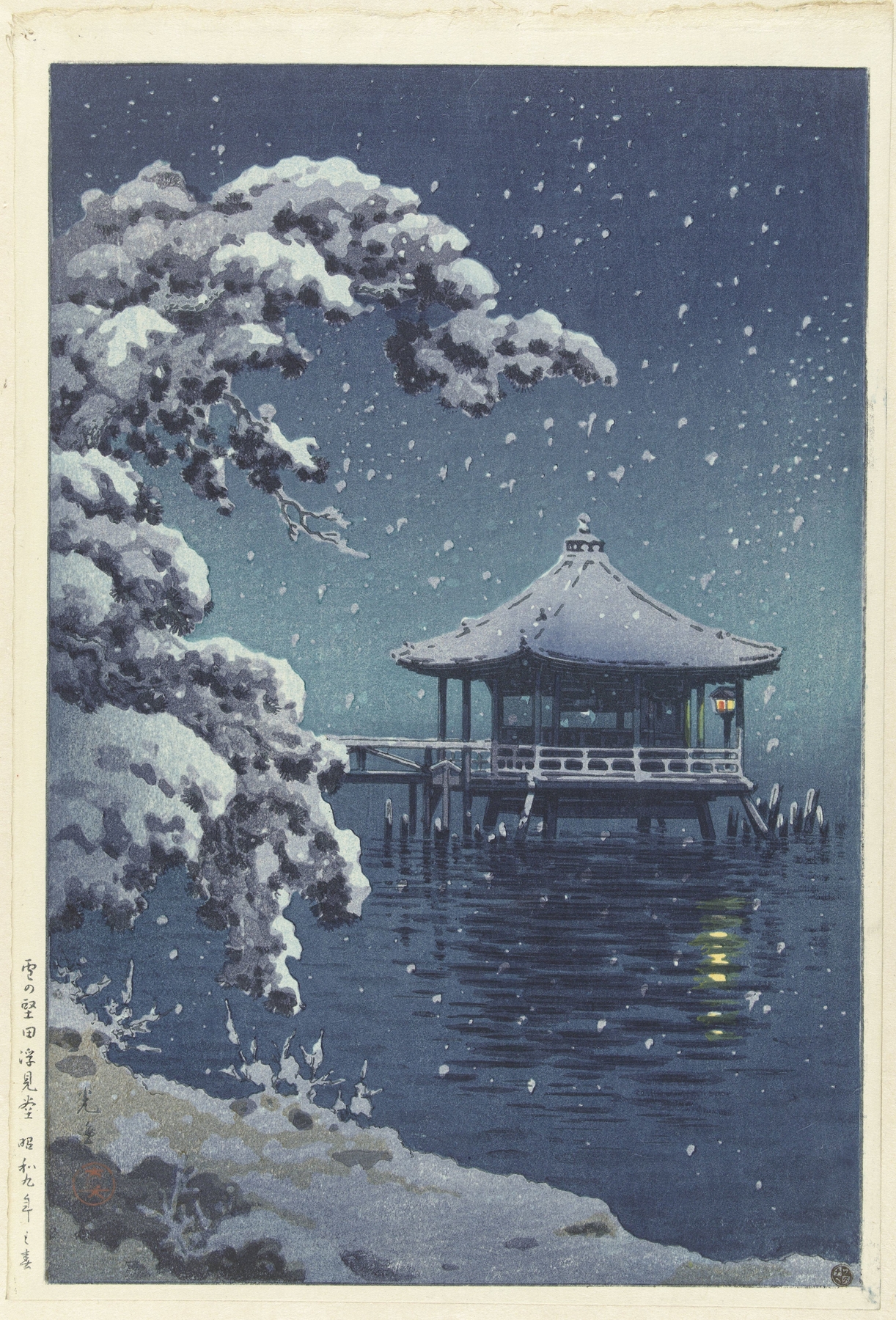
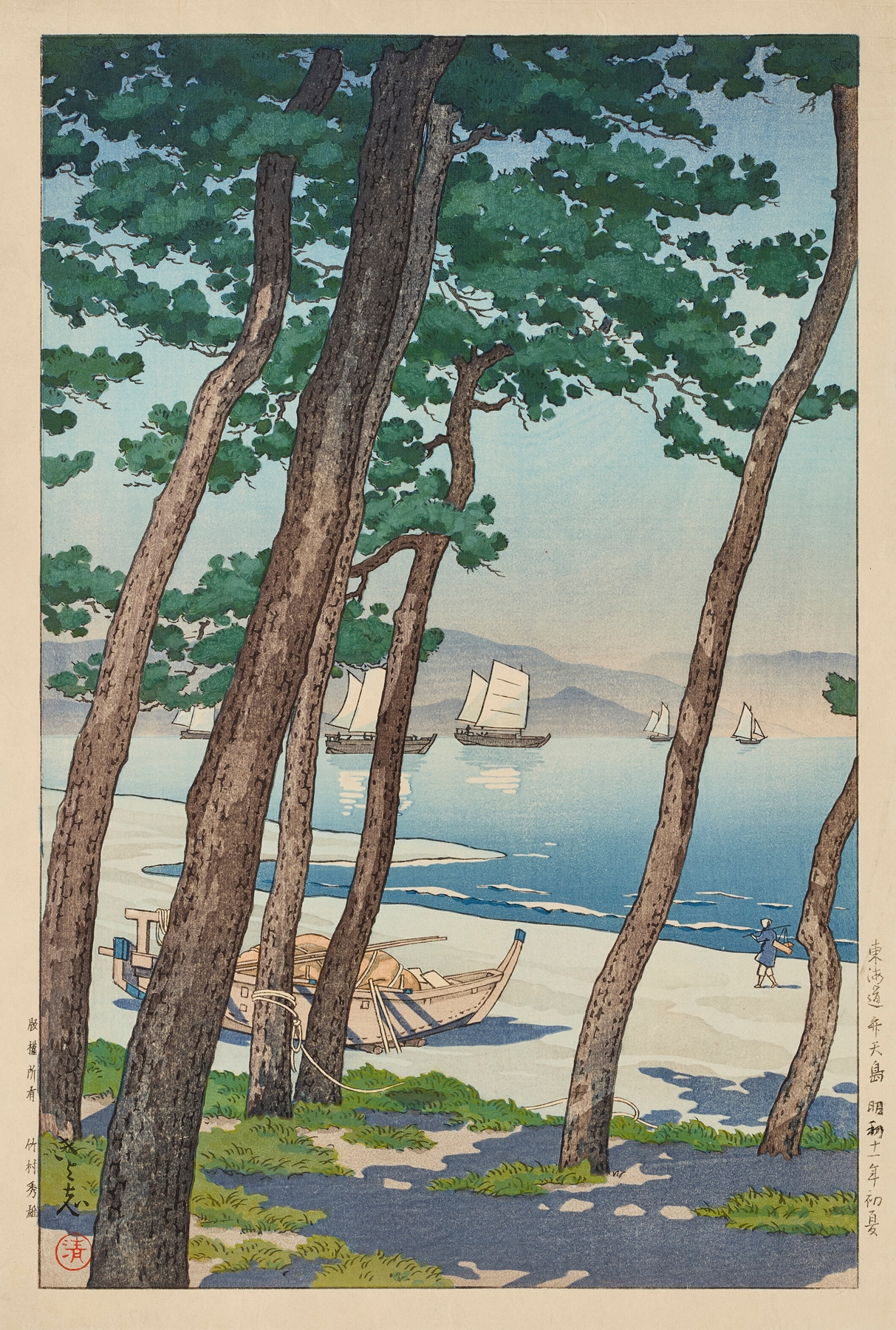
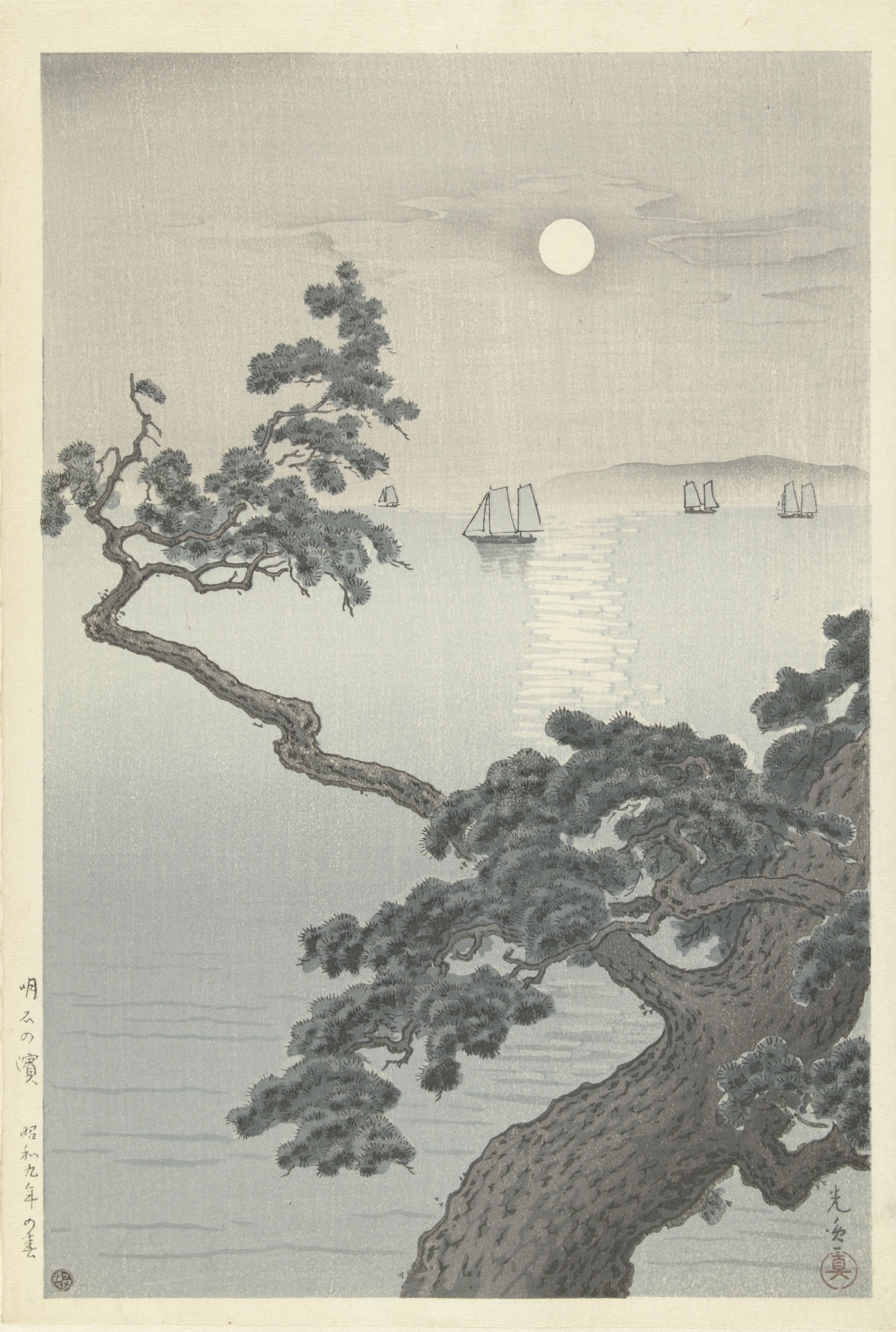
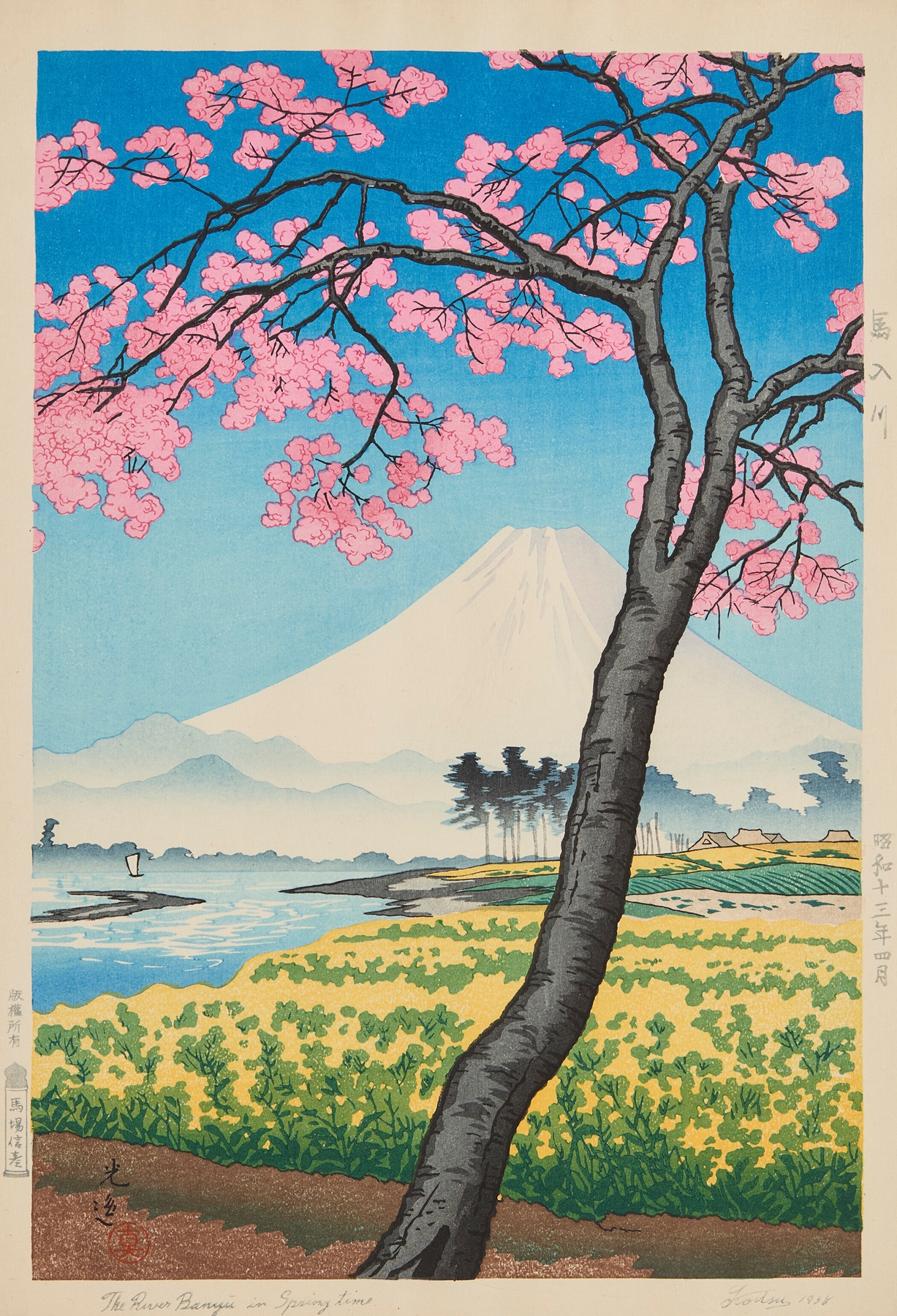
“Every silence here is a confession.” In the delicate embrace of emptiness, we find both solace and introspection. Look to the gentle gradient of blues and greens that dominate the canvas, drawing your gaze into a tranquil landscape. Notice how the soft brush strokes create an atmospheric depth, invoking a sense of quietude within the viewer. The subtle interplay of light and shadow plays a vital role, highlighting the serene contours of the hills while leaving the foreground in a meditative stillness.
This careful composition invites a moment of pause—a breath in the rhythm of existence. In this artwork, the absence of human presence speaks volumes; it reverberates with themes of solitude and reflection. The delicate outlines of the trees, shrouded in mist, symbolize nature's quiet resilience, while the untouched landscapes evoke a yearning for connection. The muted palette enhances a nostalgic longing, as if the viewer is peering into a world both familiar and foreign, encouraging contemplation of one's place within it.
The act of looking becomes a journey inward, where every detail quietly resonates with unspoken thoughts. Created during a time of cultural exploration in Japan, the artist captured this landscape in the early 20th century, reflecting a burgeoning appreciation for natural beauty and simplicity. As Tsuchiya Kōitsu navigated his artistic path, he dwelled in a period rich with influences from both traditional and modern aesthetics. This work stands as a testament to his mastery of woodblock printing, blending the essence of nature with the emotive depth of his era.