Tokaido Bentenjima — History & Analysis
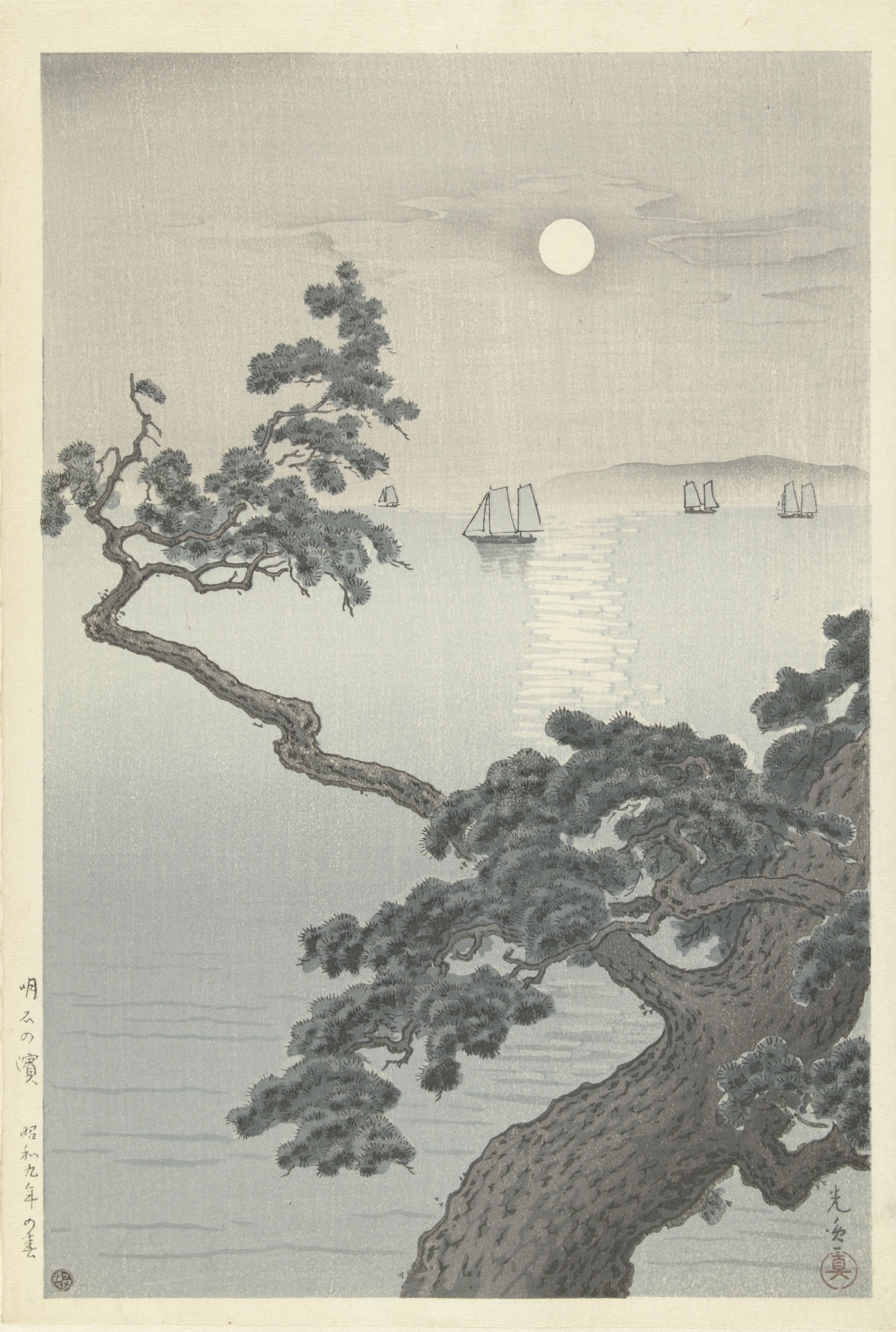
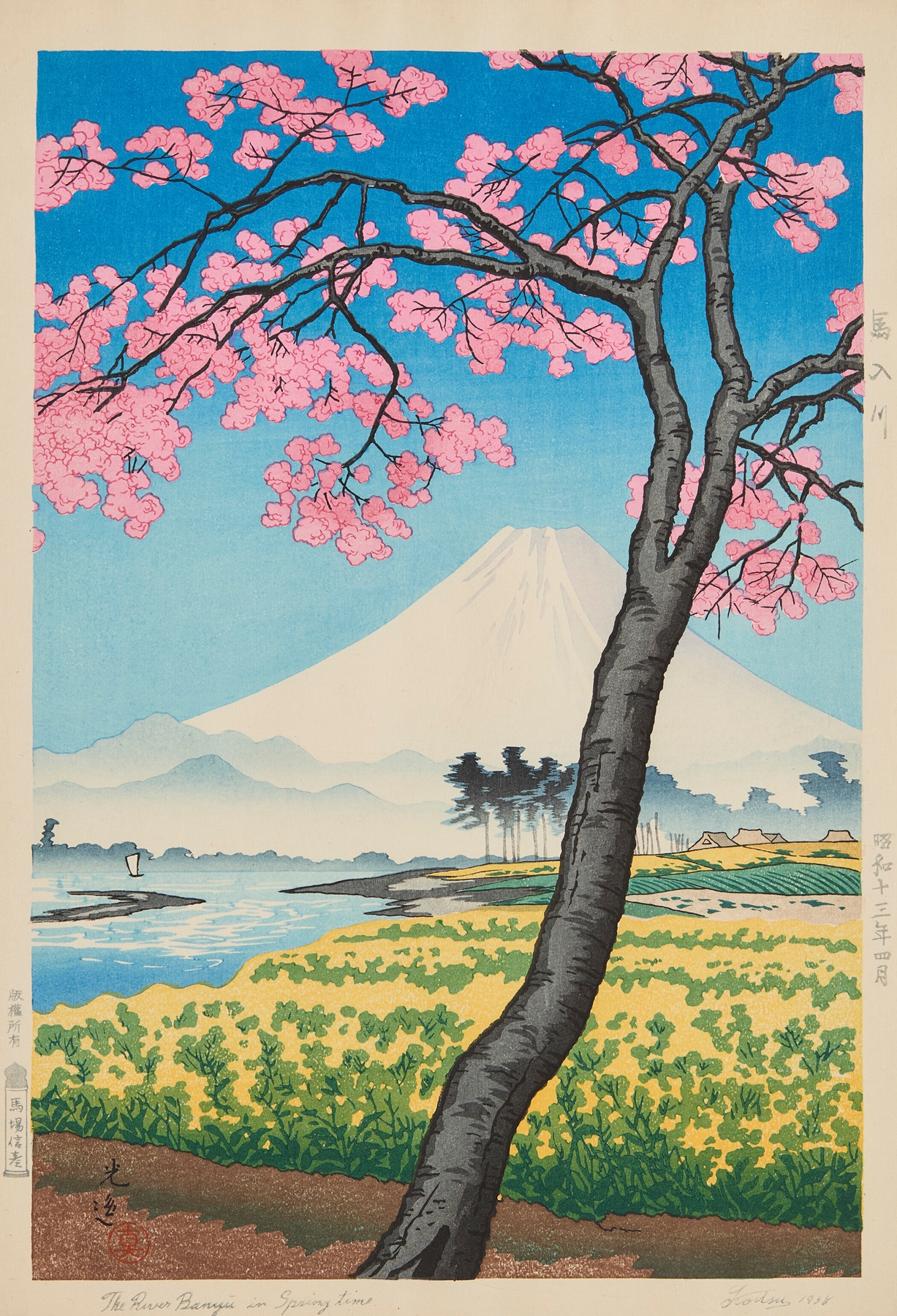
What if silence could speak through light? In Tokaido Bentenjima, the interplay of shadow and illumination whispers of loss and longing, capturing the weight of unuttered emotions. Look to the horizon, where the delicate hues of twilight blend seamlessly into the soft waves of the shoreline. Notice how the fading light bathes the distant mountain in a muted embrace, while the foreground reveals solitary figures draped in contemplation.
The skilled use of woodblock printing technique brings an ethereal quality to the scene, highlighting the intricate details of the landscape and the serene yet somber expressions of the individuals. The painting’s contrasts evoke a palpable tension: the tranquil beauty of nature juxtaposed with the solitary figures suggests a profound solitude amidst the surroundings. Each stroke conveys a sense of stillness that resonates with grief, as if the landscape itself mourns the transient nature of life. The distant boats, present yet isolated, symbolize journeys not taken, further deepening the emotional resonance of the piece.
In 1936, Tsuchiya Kōitsu created this artwork amid significant political and social changes in Japan. The country was experiencing tension as it prepared for war, while the art world was navigating a shift from traditional to modern expressions. During this period, Kōitsu focused on capturing the beauty of the Japanese landscape and its reflective moments, establishing a connection between art and the weight of national sentiment.