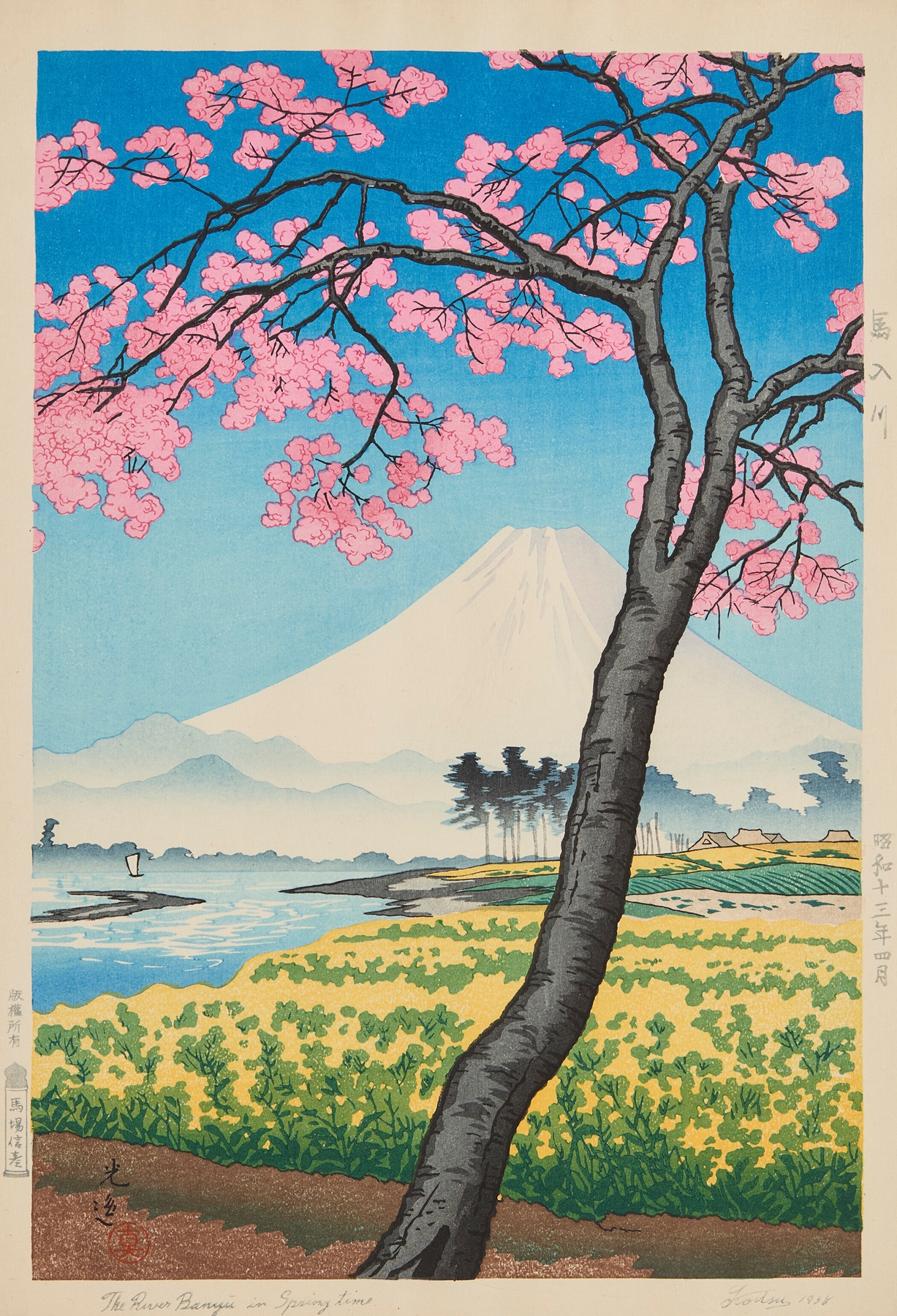
Winter Snow at Asakusa Kannon Temple — History & Analysis
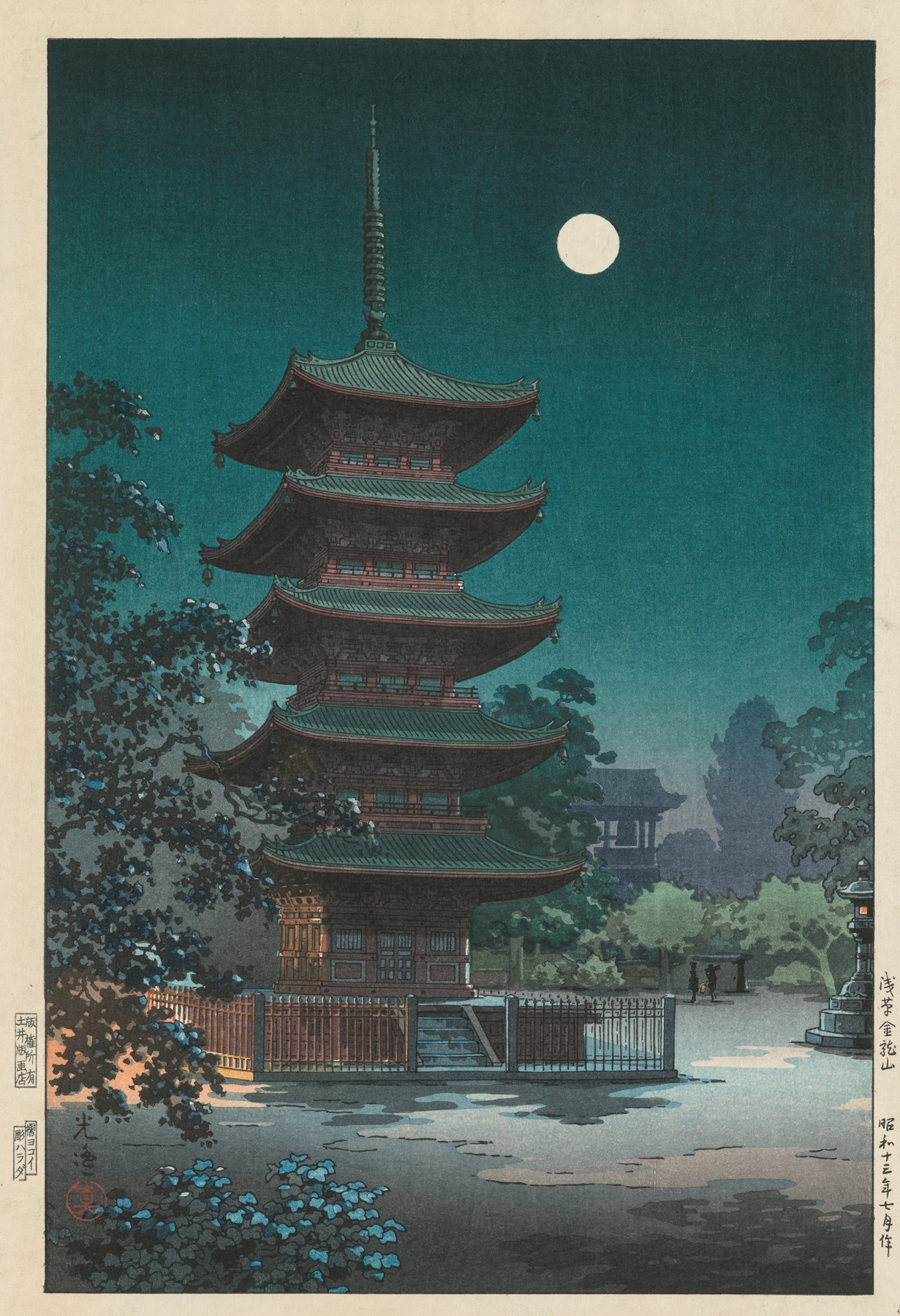
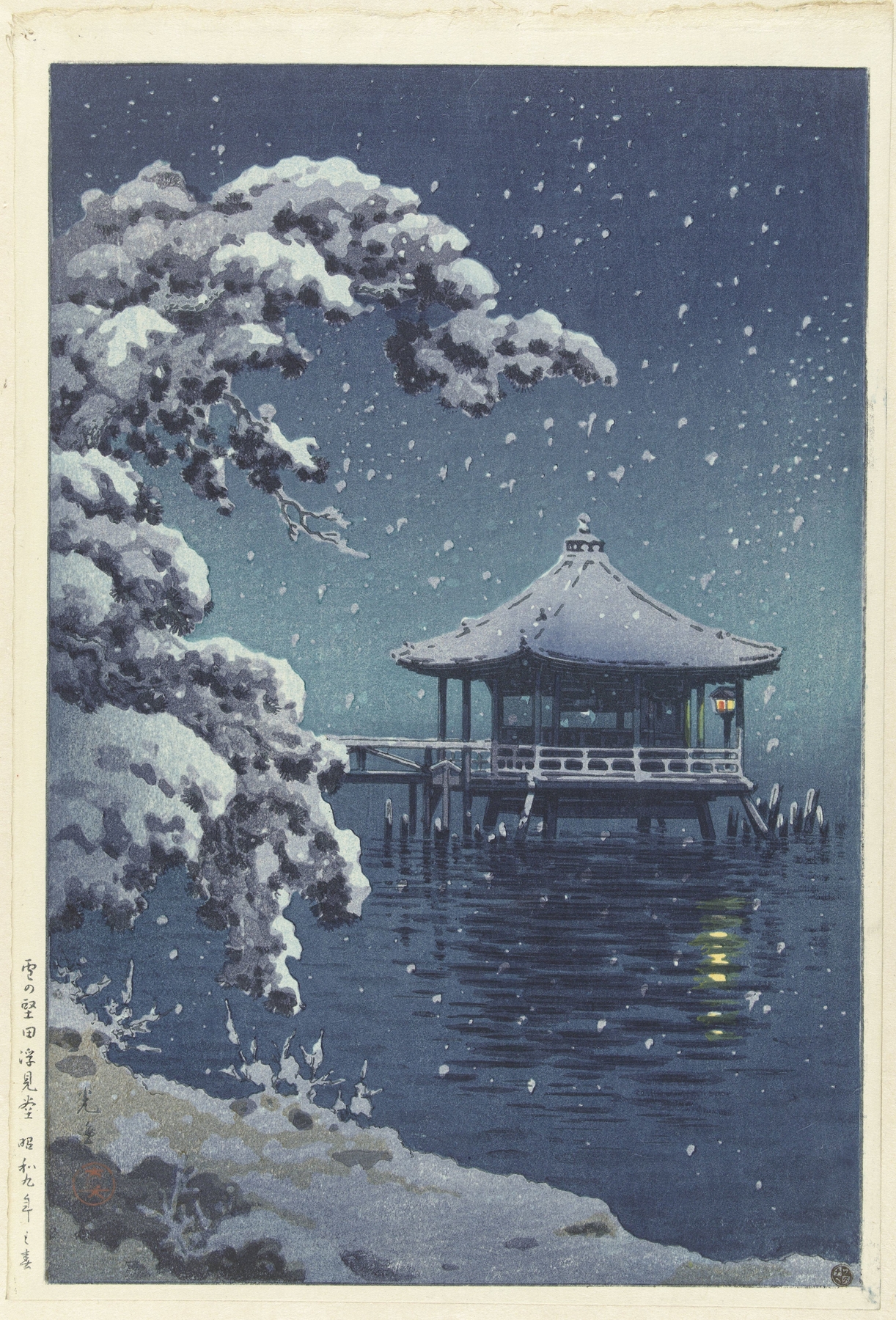
What if beauty was never meant to be finished? In the quiet realm of winter, the delicate transformation of snow upon ancient structures invites contemplation on the ephemeral nature of existence. Look closely at the soft, white blanket enveloping the pagoda, where each flake seems to whisper secrets of time. Notice how the gentle curves of the temple's roof cradle the snow, accentuated by the cool blues and muted grays that dominate the canvas.
The artist employs a harmonious palette, capturing the serenity of the scene while the pale glow of the lanterns casts a warm contrast, leading the eye to the temple's intricate details, inviting an intimate exploration of both architecture and nature. Yet, within this tranquil setting lies a tension between permanence and transience. Each graceful branch, heavy with snow, echoes the weight of history, while the fleeting beauty of snowflakes hints at inevitable change. This juxtaposition invites viewers to reflect on their own journey, urging them to consider the moments that transform us, leaving lasting impressions even as they fade.
Tsuchiya Kōitsu created this piece in 1938, during a time when traditional Japanese art faced challenges from Western influences. Living in Japan’s Taisho and early Showa eras, he sought to capture the essence of his cultural heritage through woodblock prints, reflecting both the beauty and the shifting identity of his homeland amidst modernity. The painting serves as a poignant reminder of the delicate balance between tradition and change, immortalizing a moment that transcends time.