Sengakuji Temple at Takanawa — History & Analysis
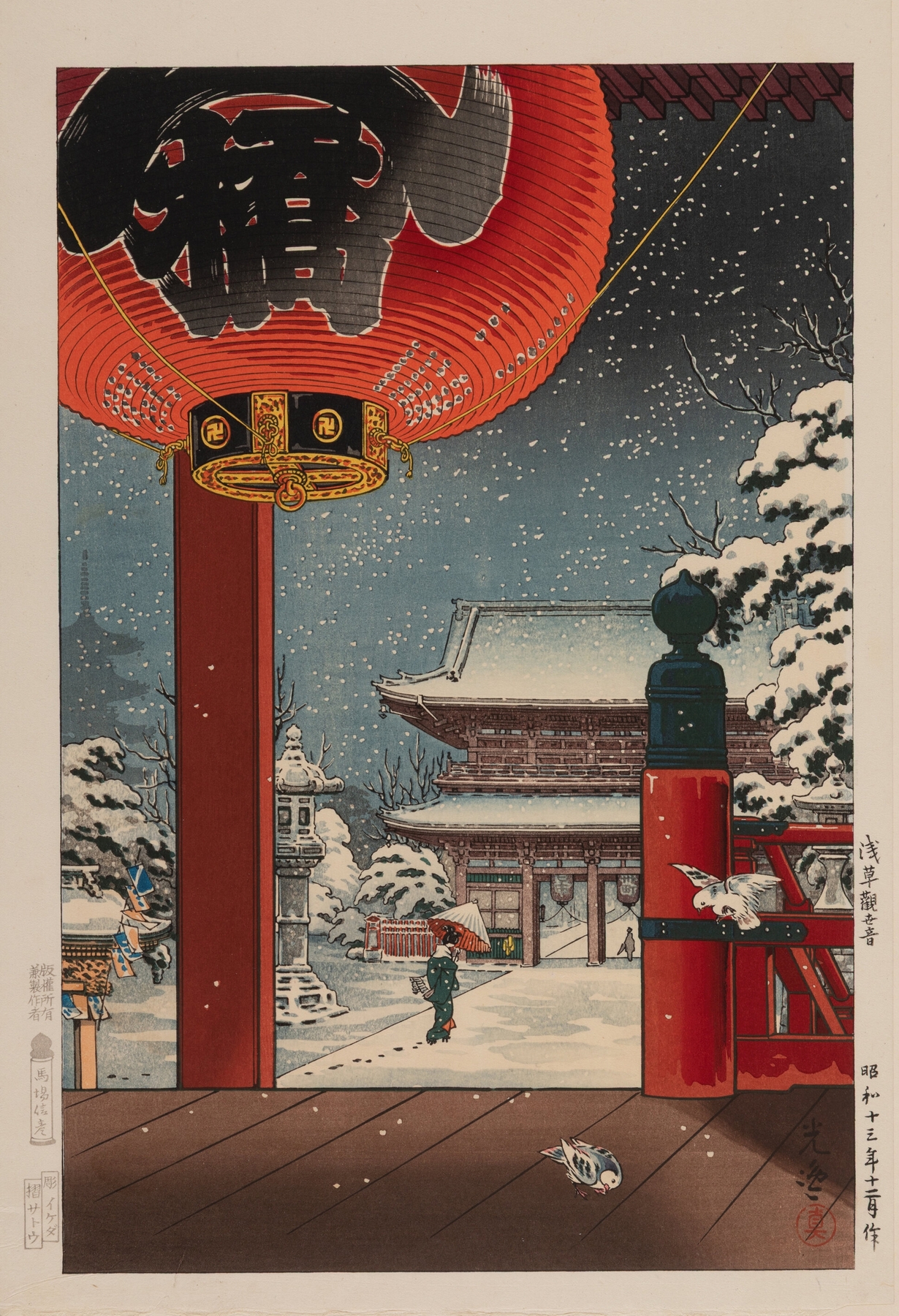
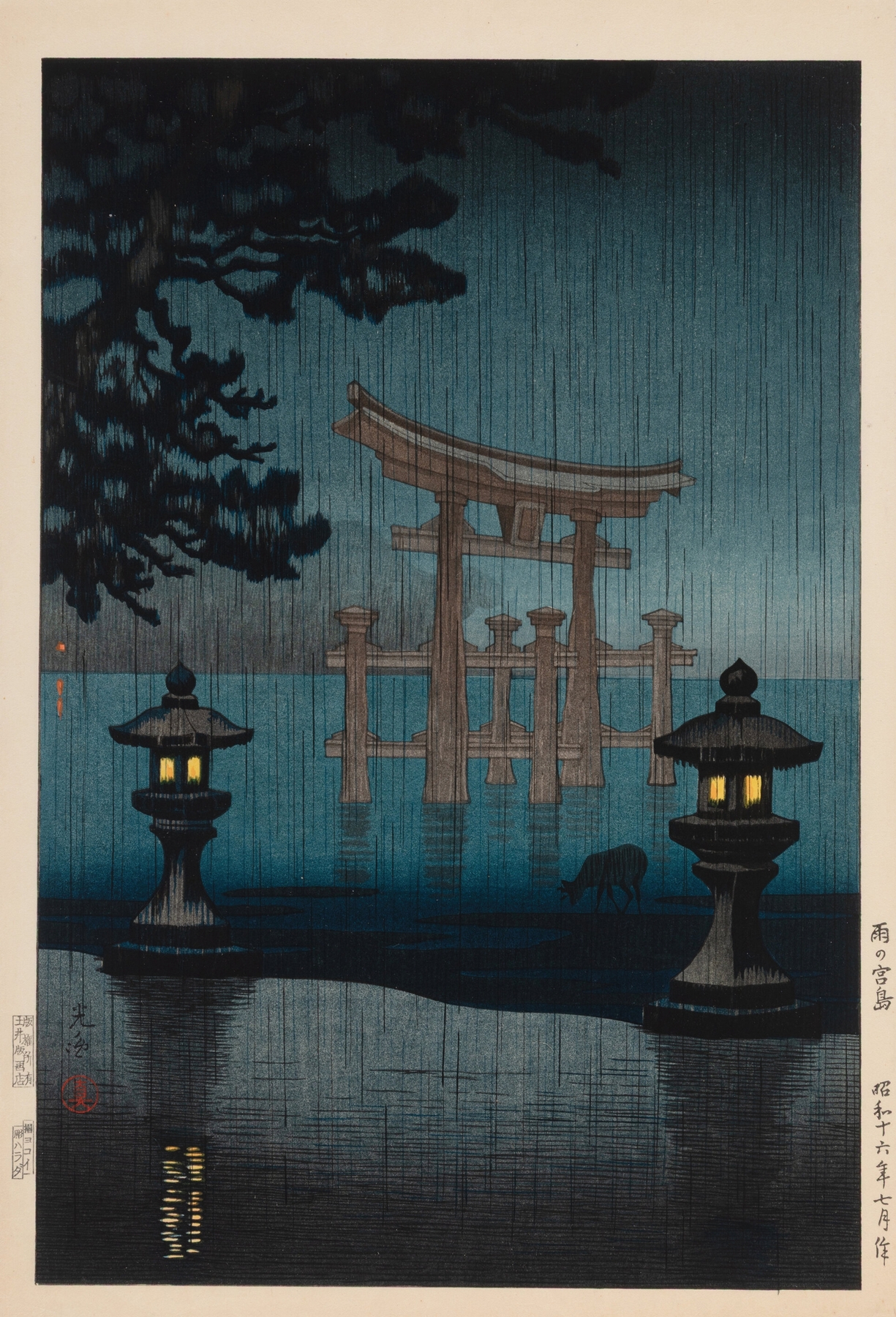
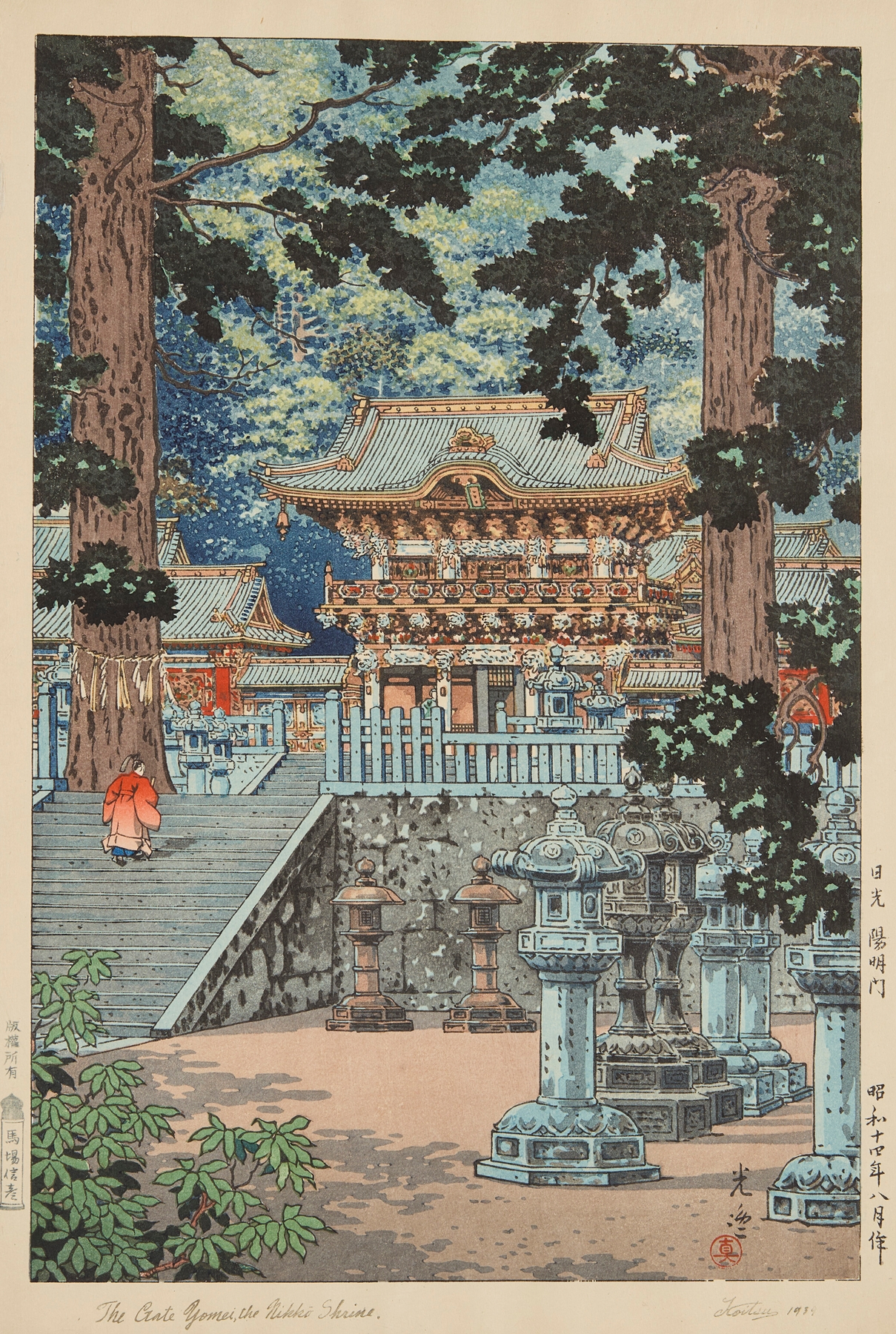
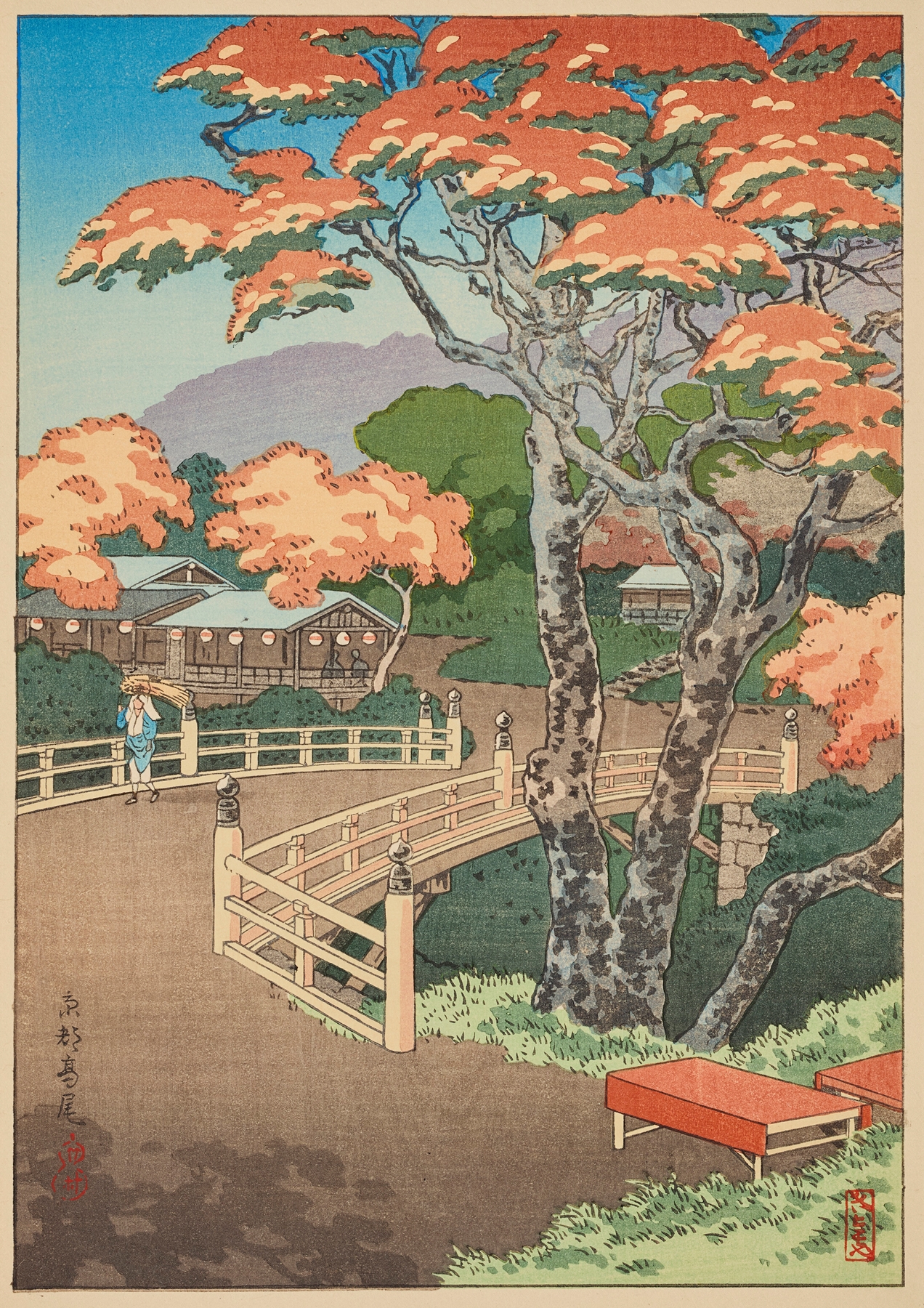
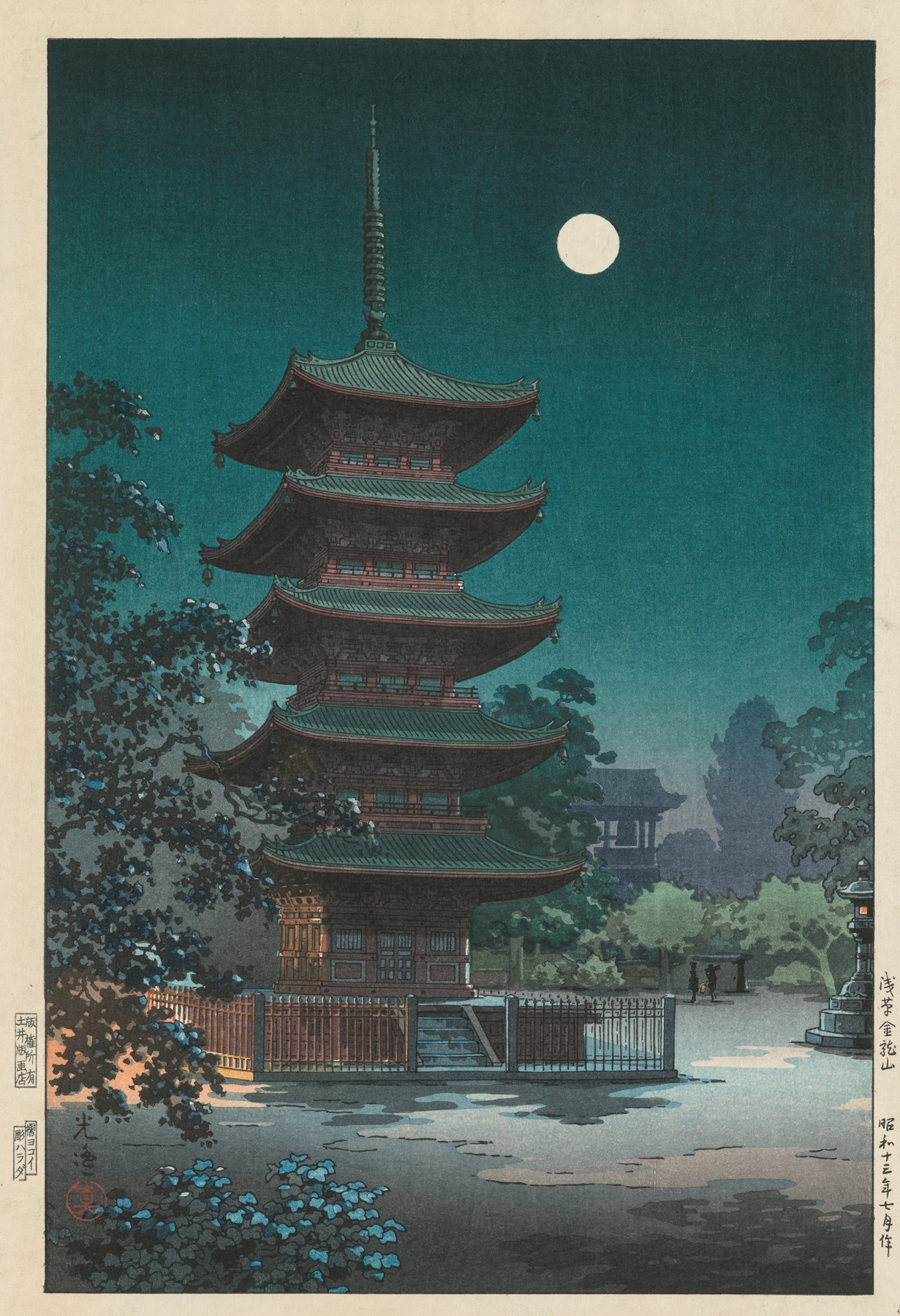
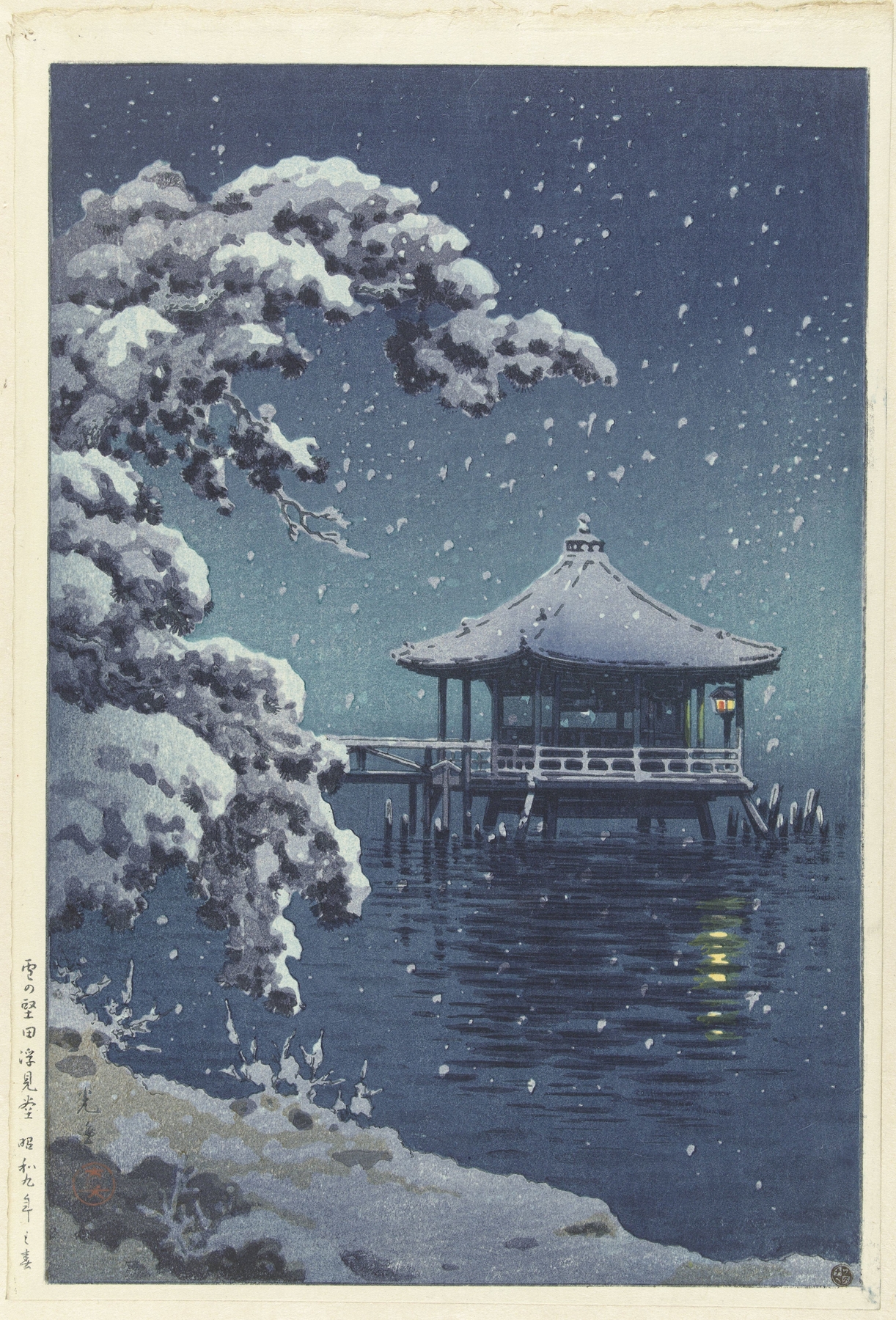
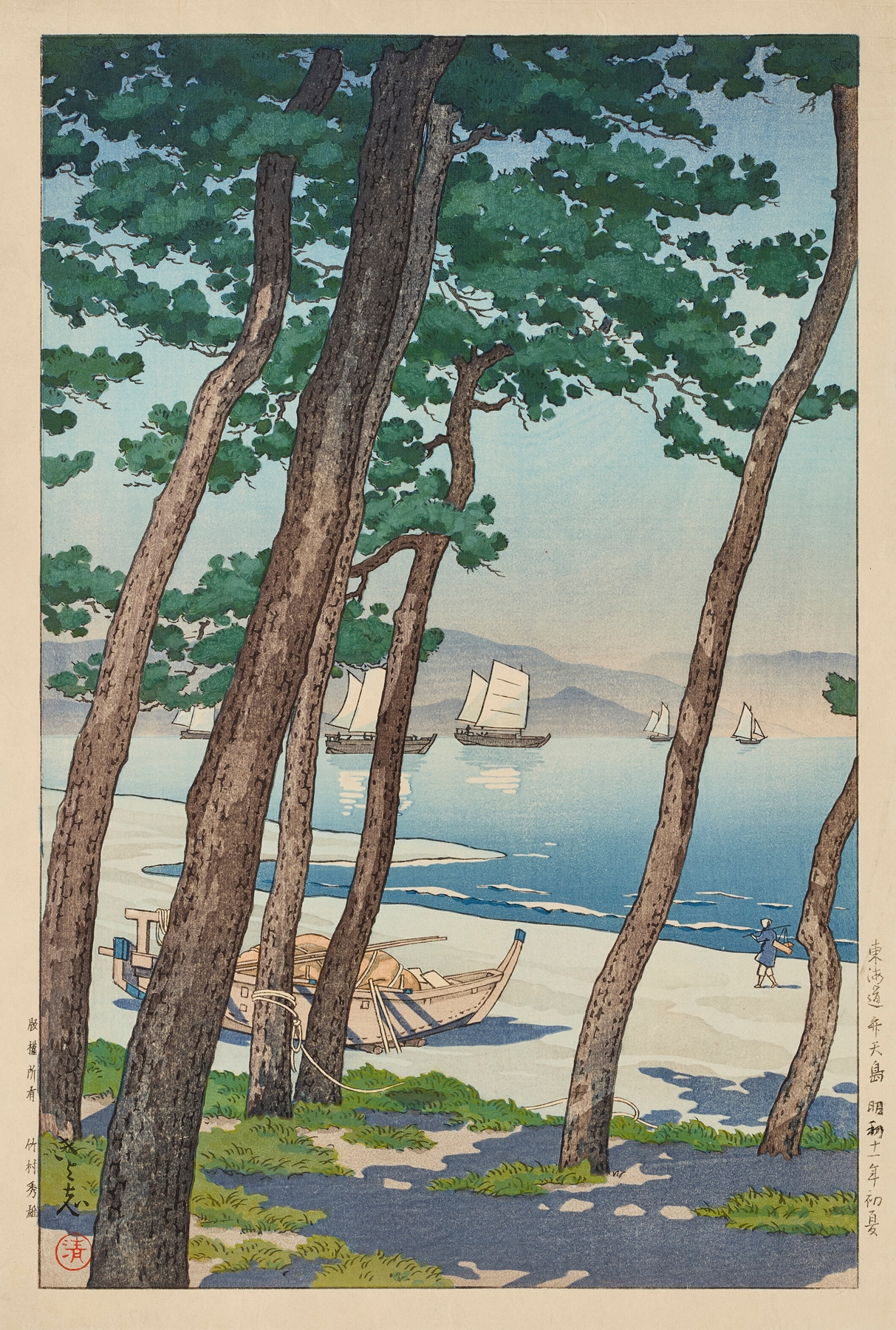
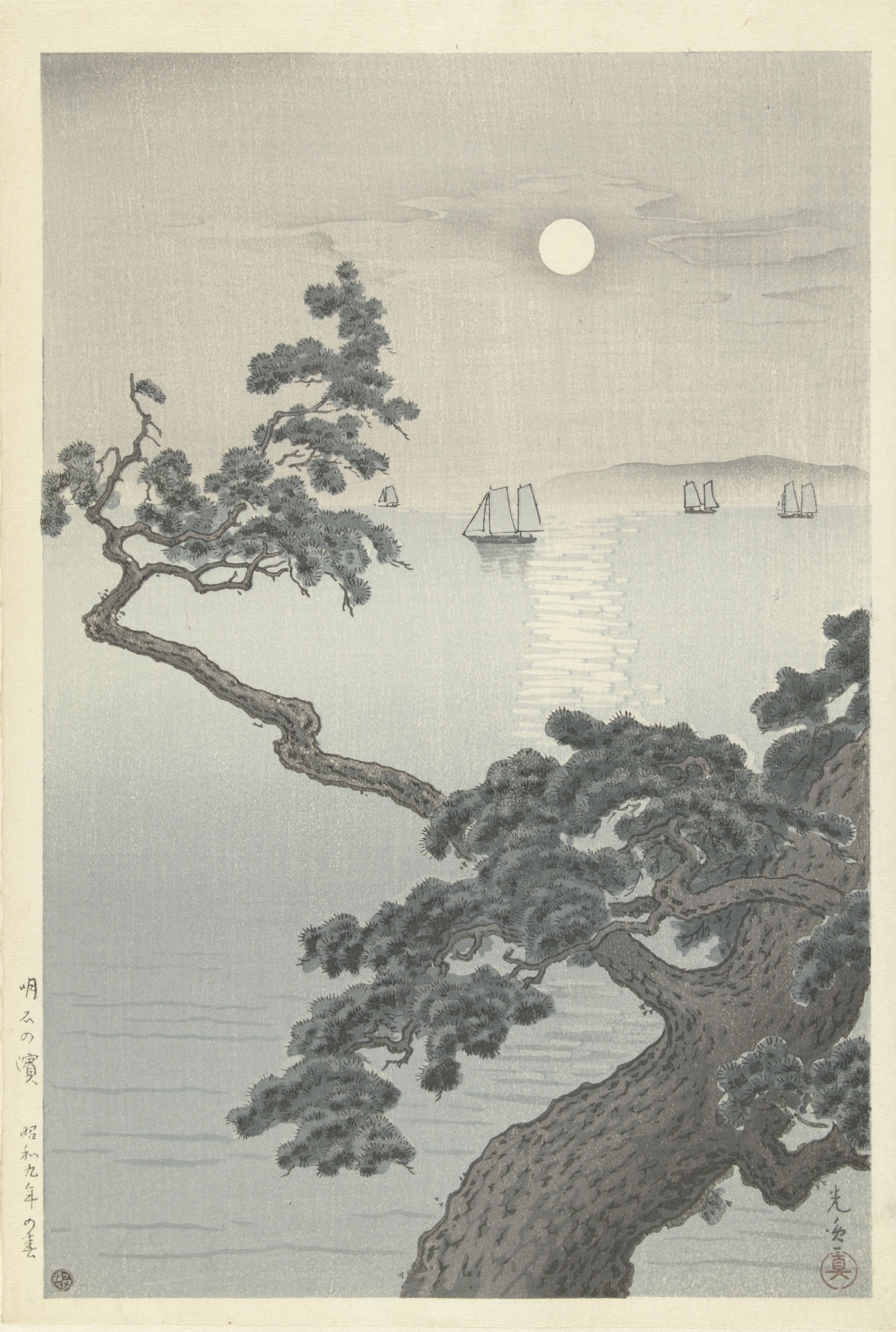
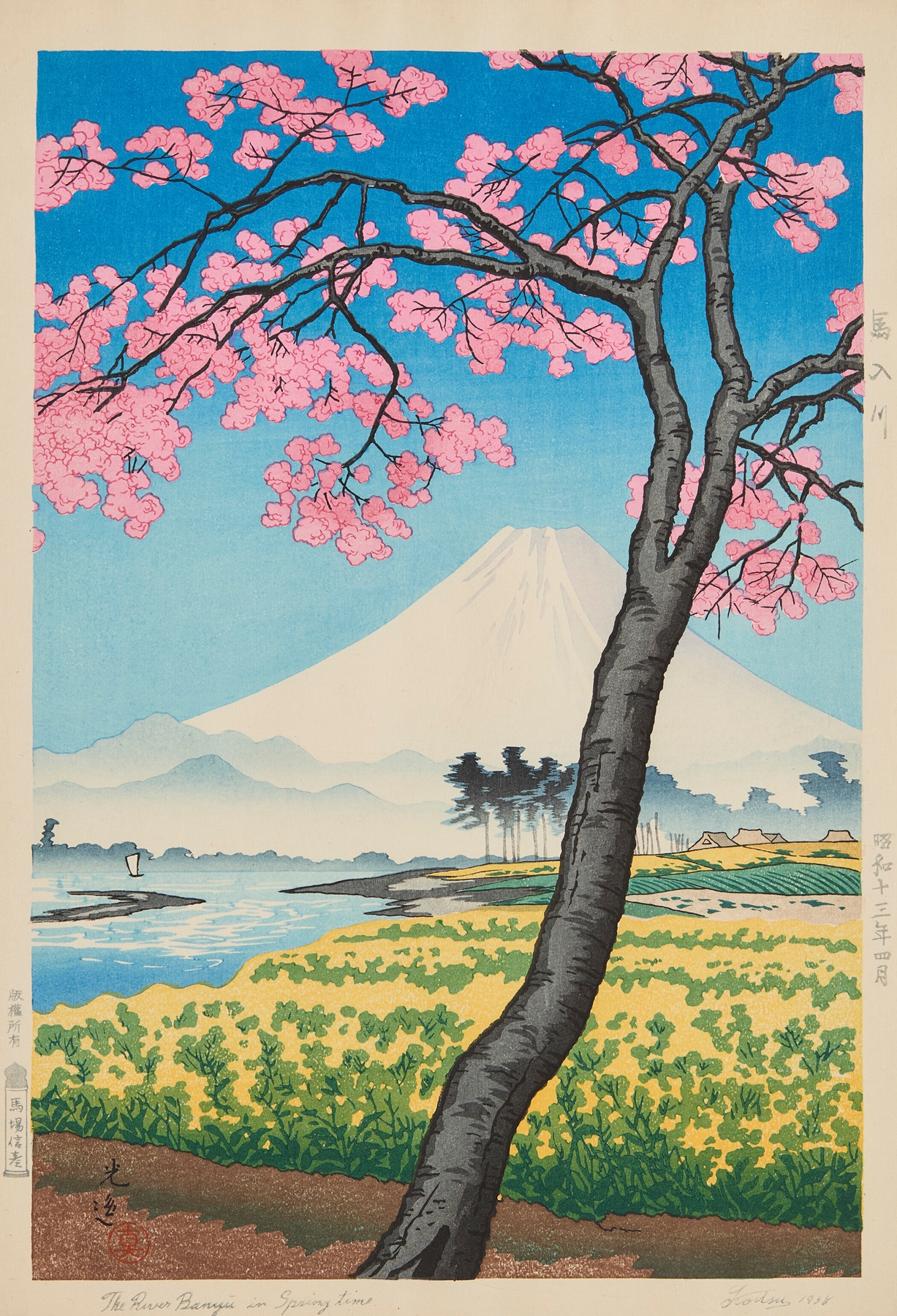
What if silence could speak through light? In the serene embrace of dusk, every beam becomes a whisper, inviting us to listen closely to the stillness of the world. Focus on the temple's intricate details as they emerge from a soft gradient of twilight hues. Look to the left at the delicate contours of the roofs, their graceful curves reflecting an ethereal light—a dialogue between nature and architecture. Notice how the muted blues and warm oranges intermingle, creating a sense of harmony that envelops the entire scene.
Each stroke reveals the artist’s meticulous attention to the interplay of shadow and illumination, conjuring an emotional landscape that resonates deeply. Beneath the tranquil surface, tensions simmer. The juxtaposition of the solid, steadfast temple against the ephemeral quality of the light evokes a feeling of ecstasy, as if the moment freezes time itself. Subtle details, like the flutter of leaves in the breeze, hint at the vibrancy of life beyond the stillness.
This artwork asks us to consider the sacredness of these fleeting moments, where silence is both profound and celebratory. Tsuchiya Kōitsu painted this work in 1933, during a period when Japan was grappling with modernity and tradition. Living in Tokyo, he was part of the Shin-hanga movement, which sought to blend Western techniques with traditional Japanese aesthetics. As he captured the tranquility of Sengakuji Temple, he simultaneously reflected the cultural shifts of his time, creating a timeless piece that continues to resonate with viewers today.