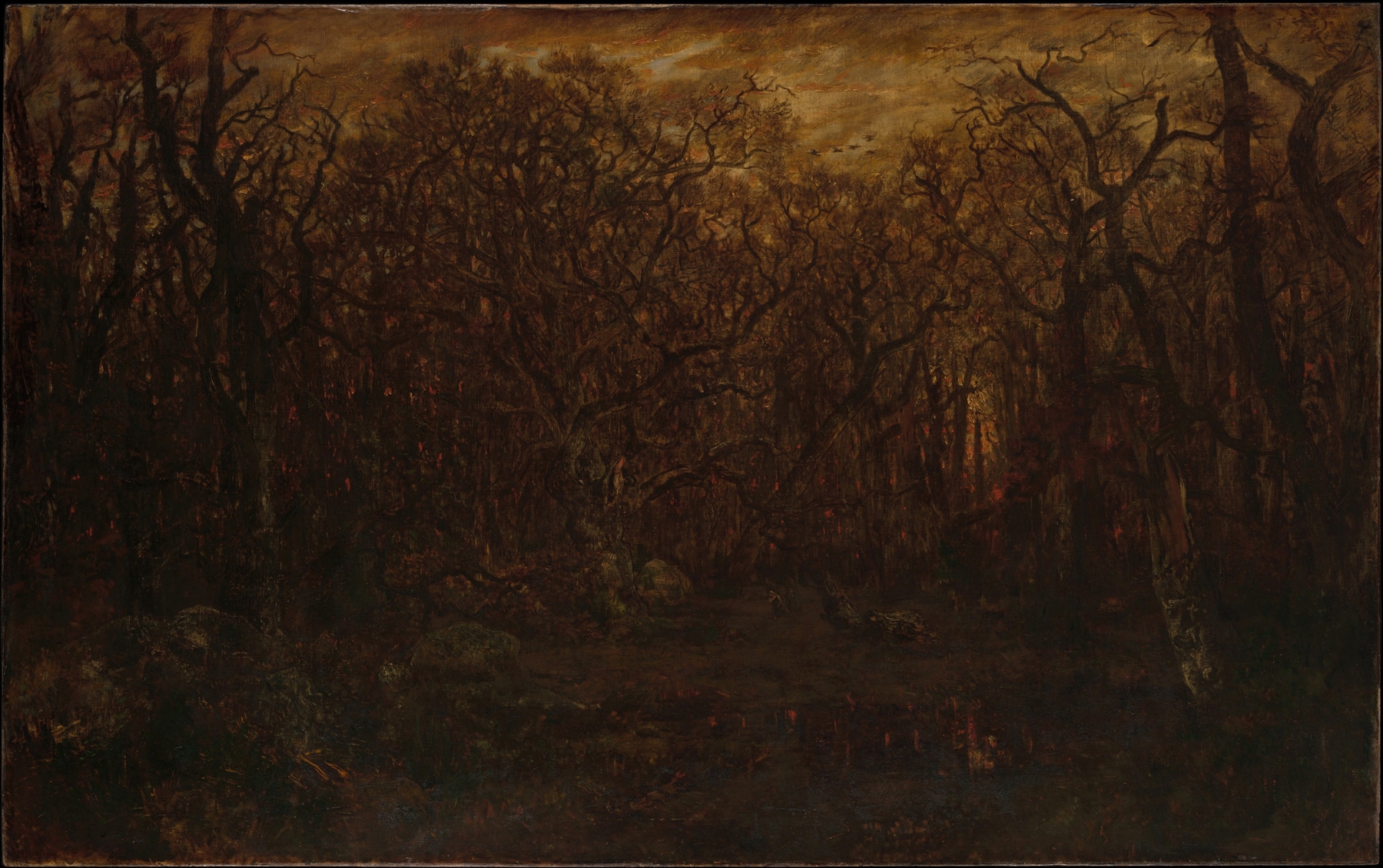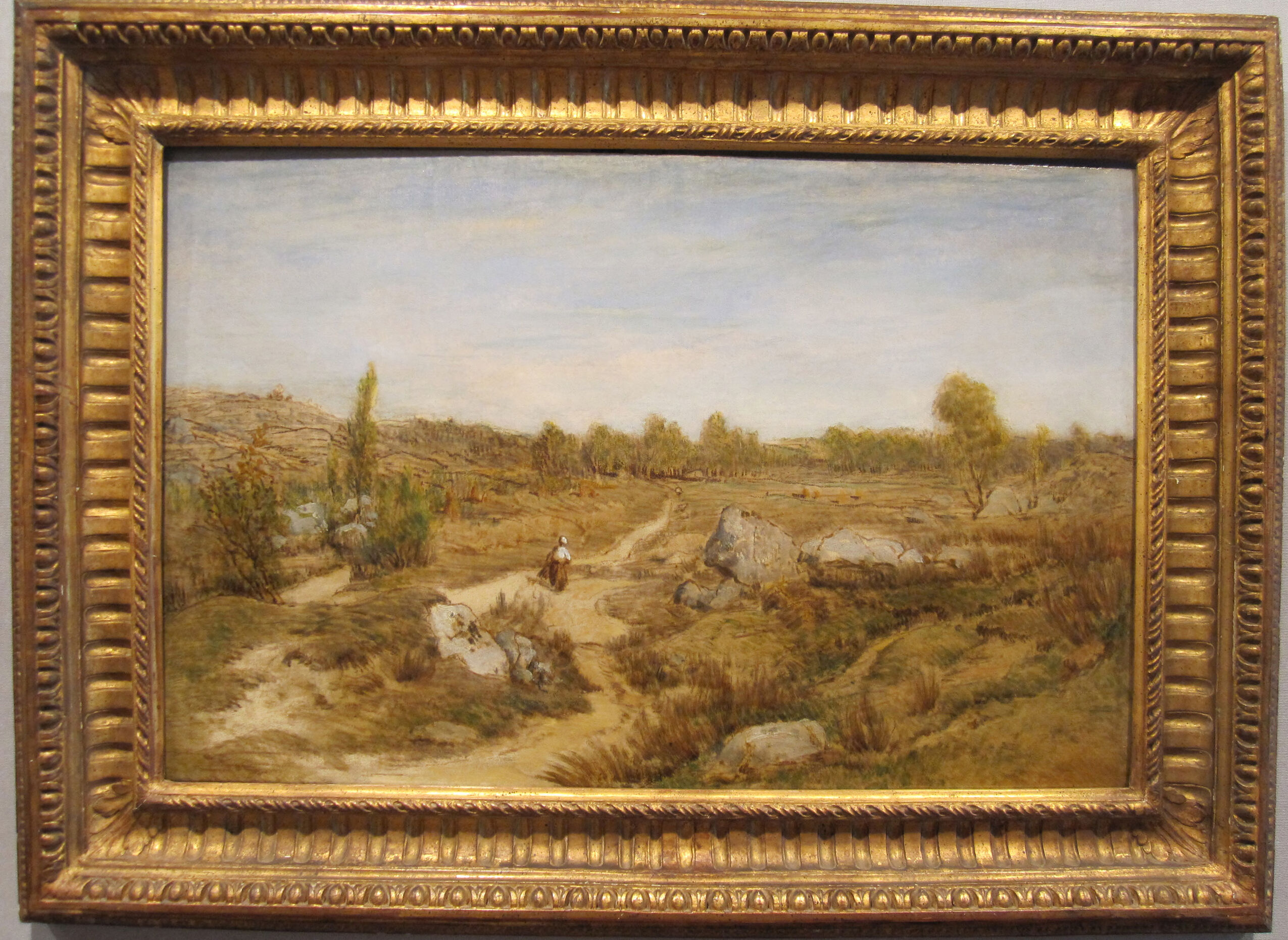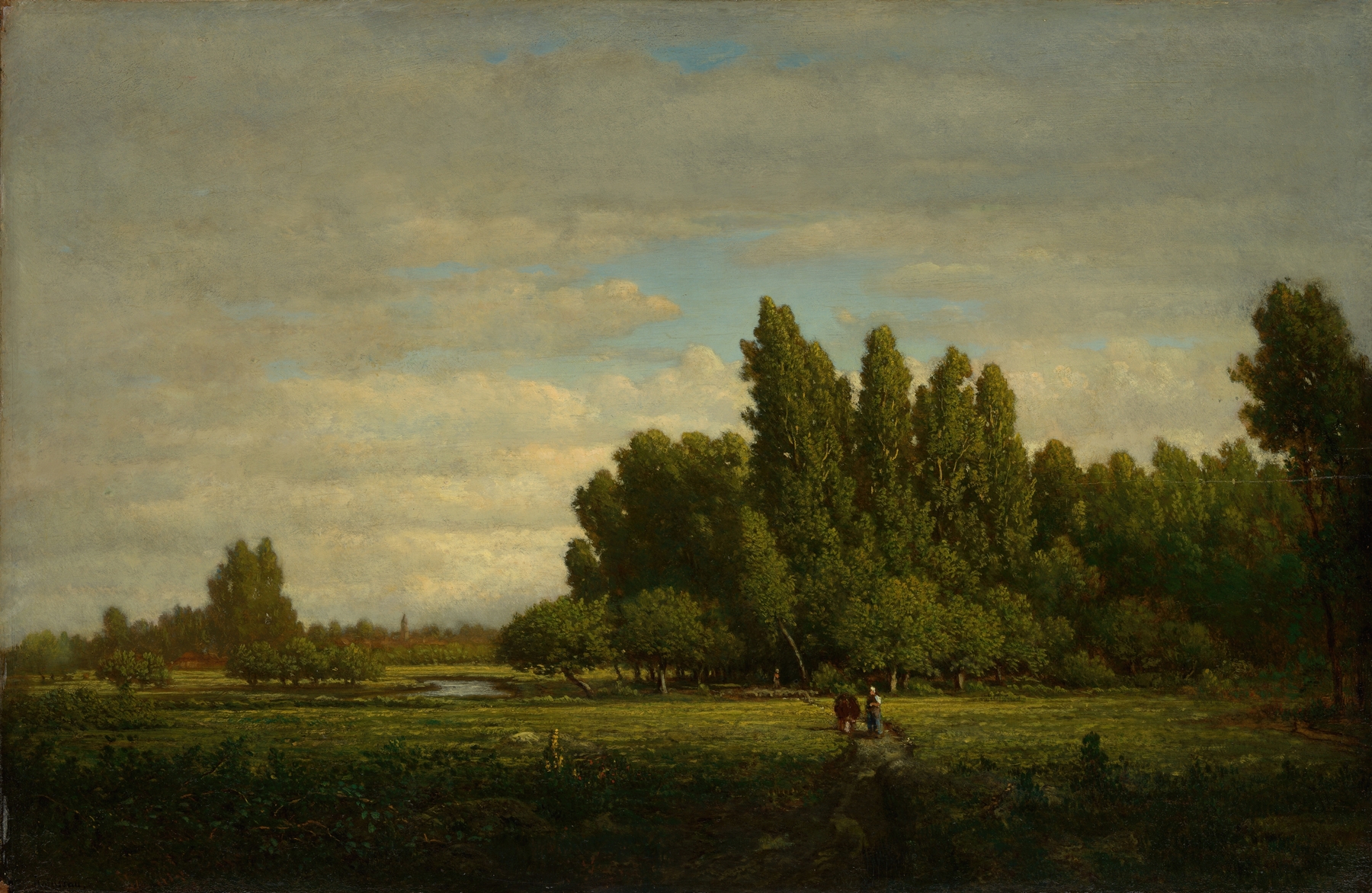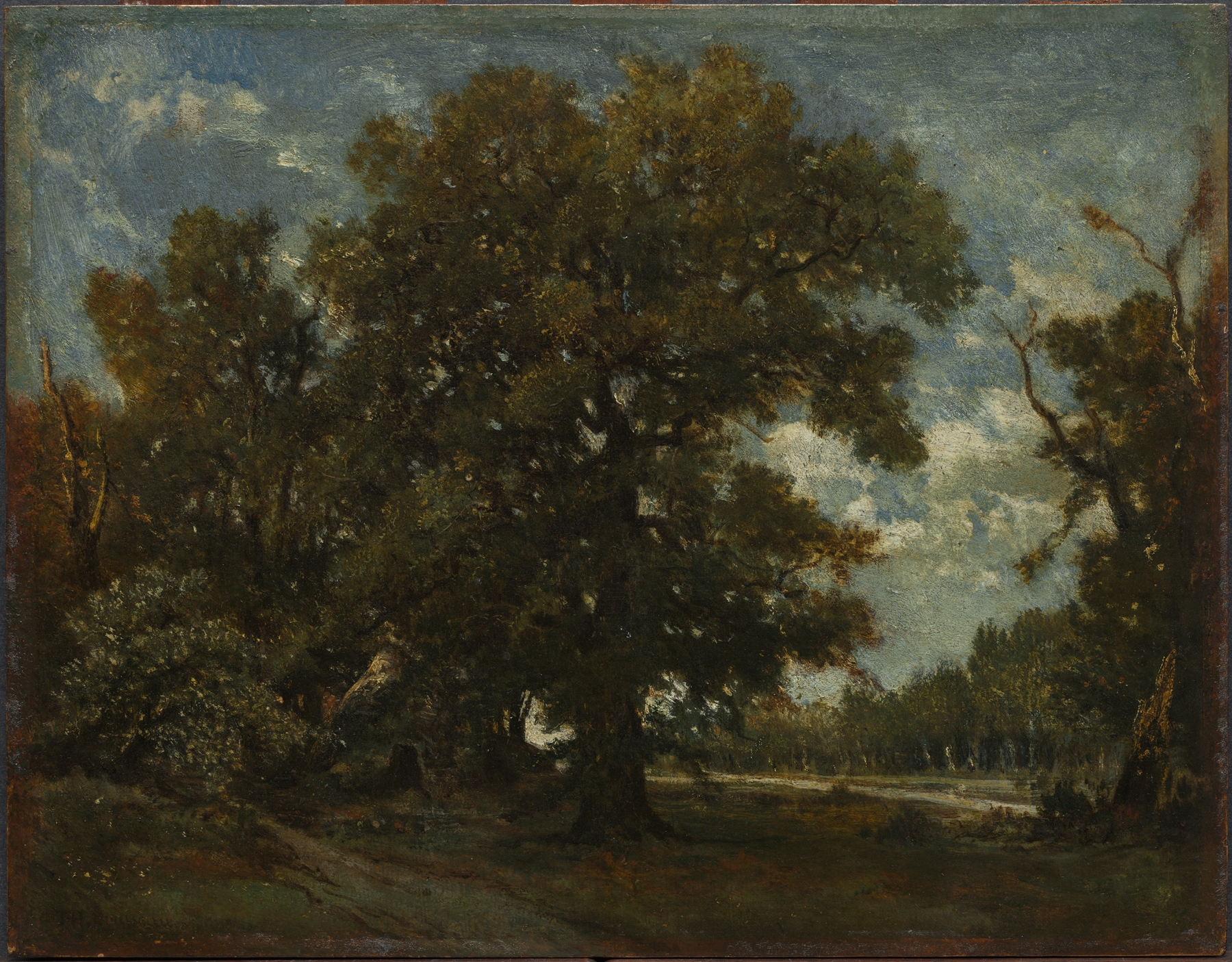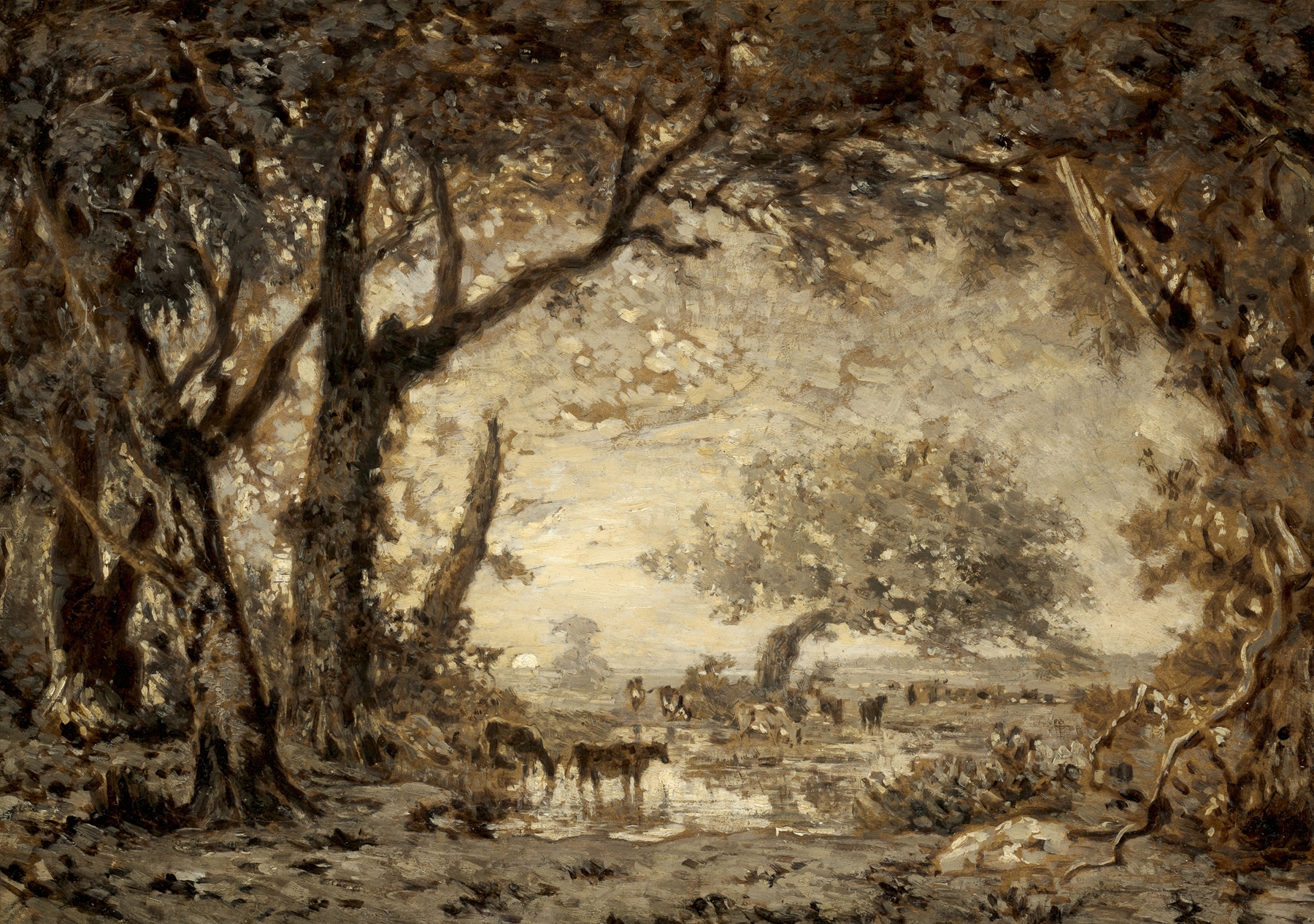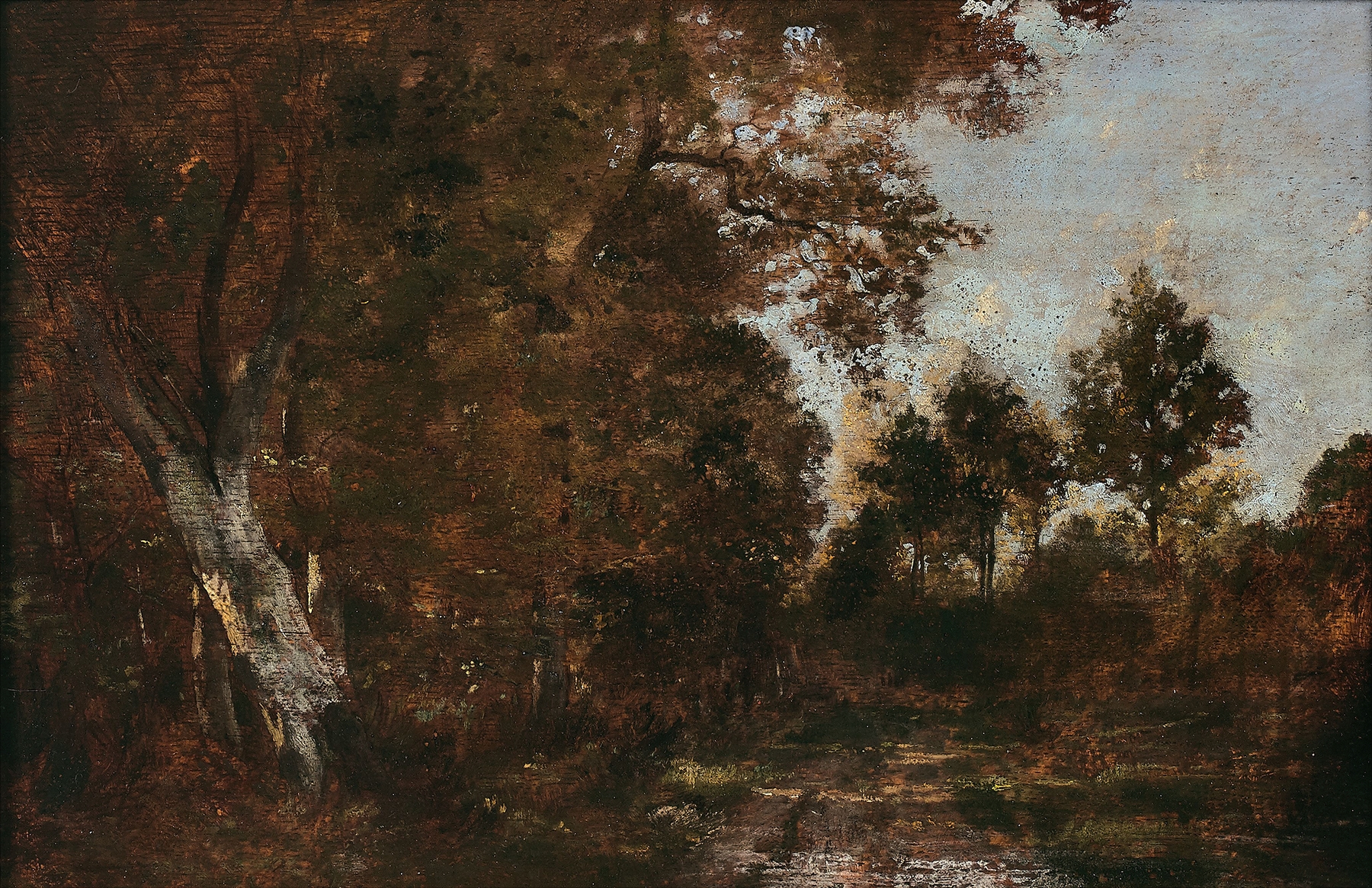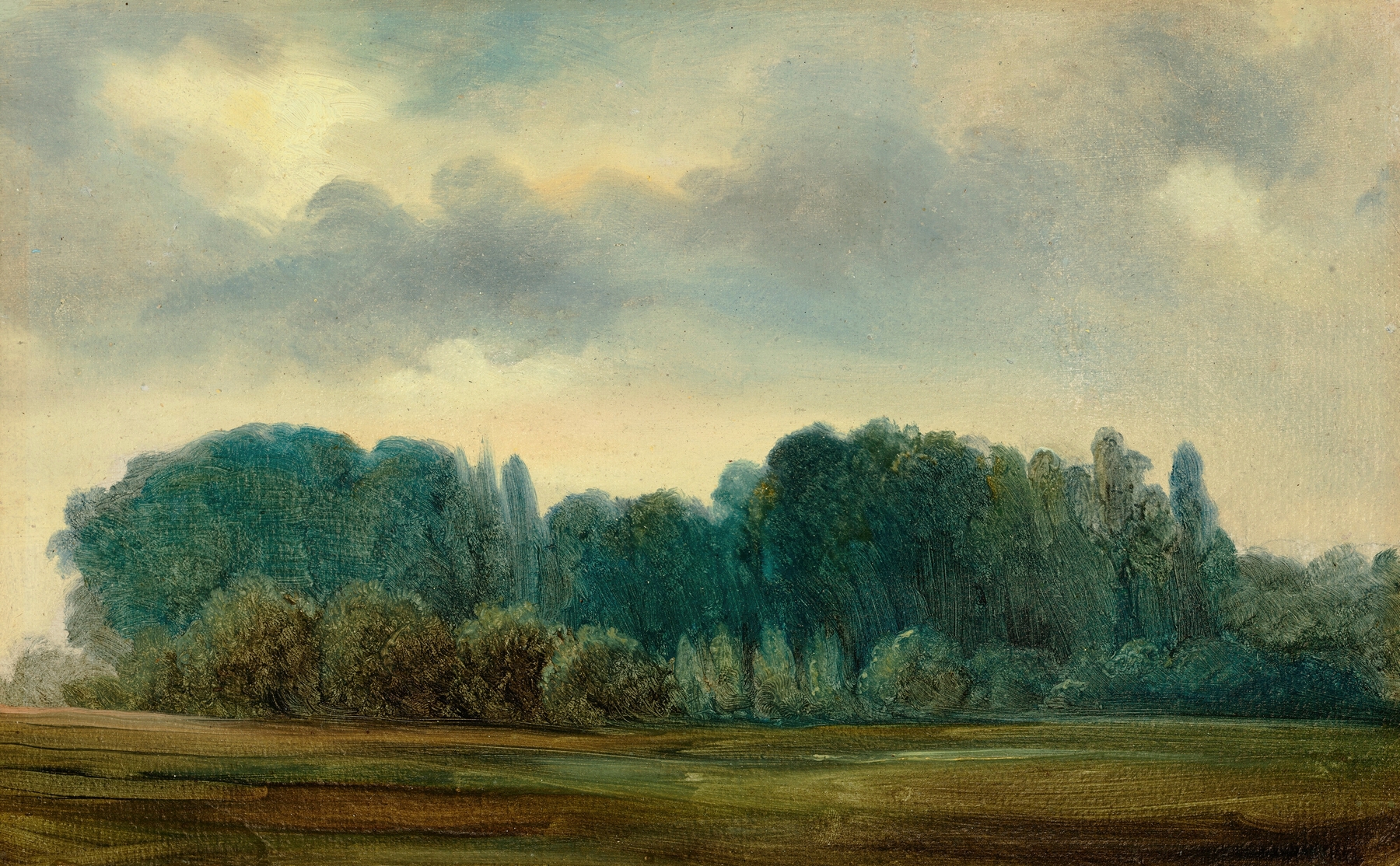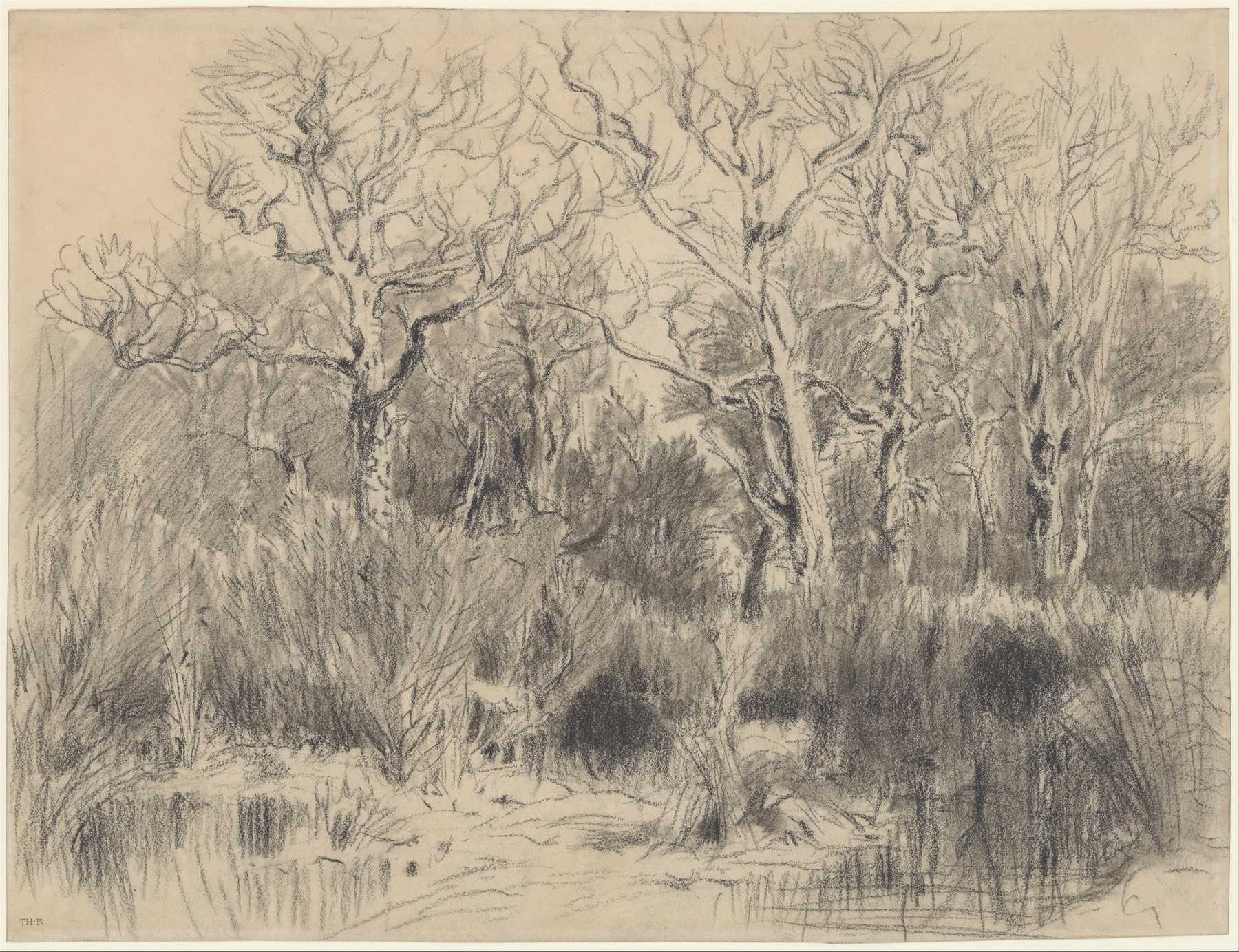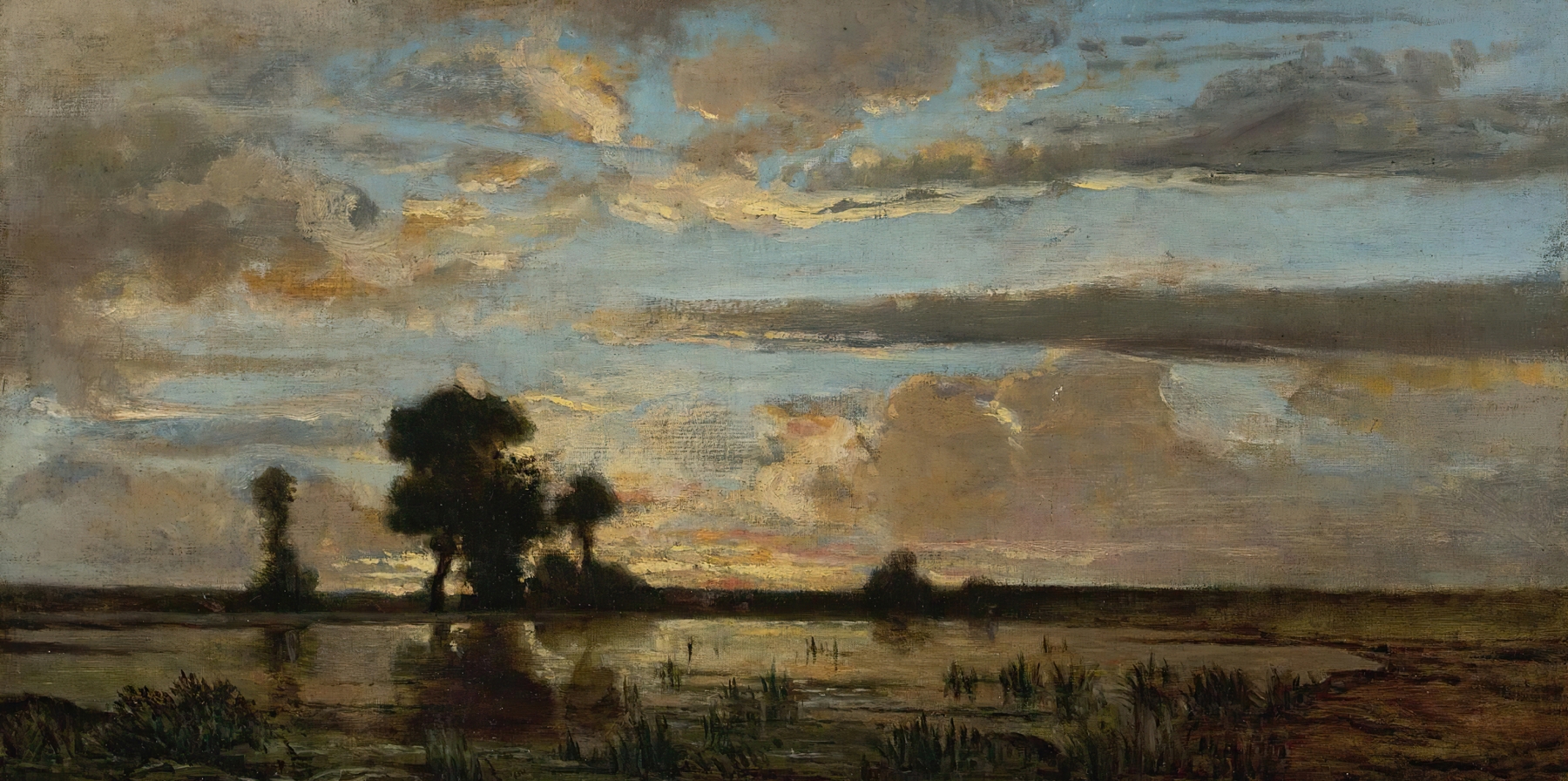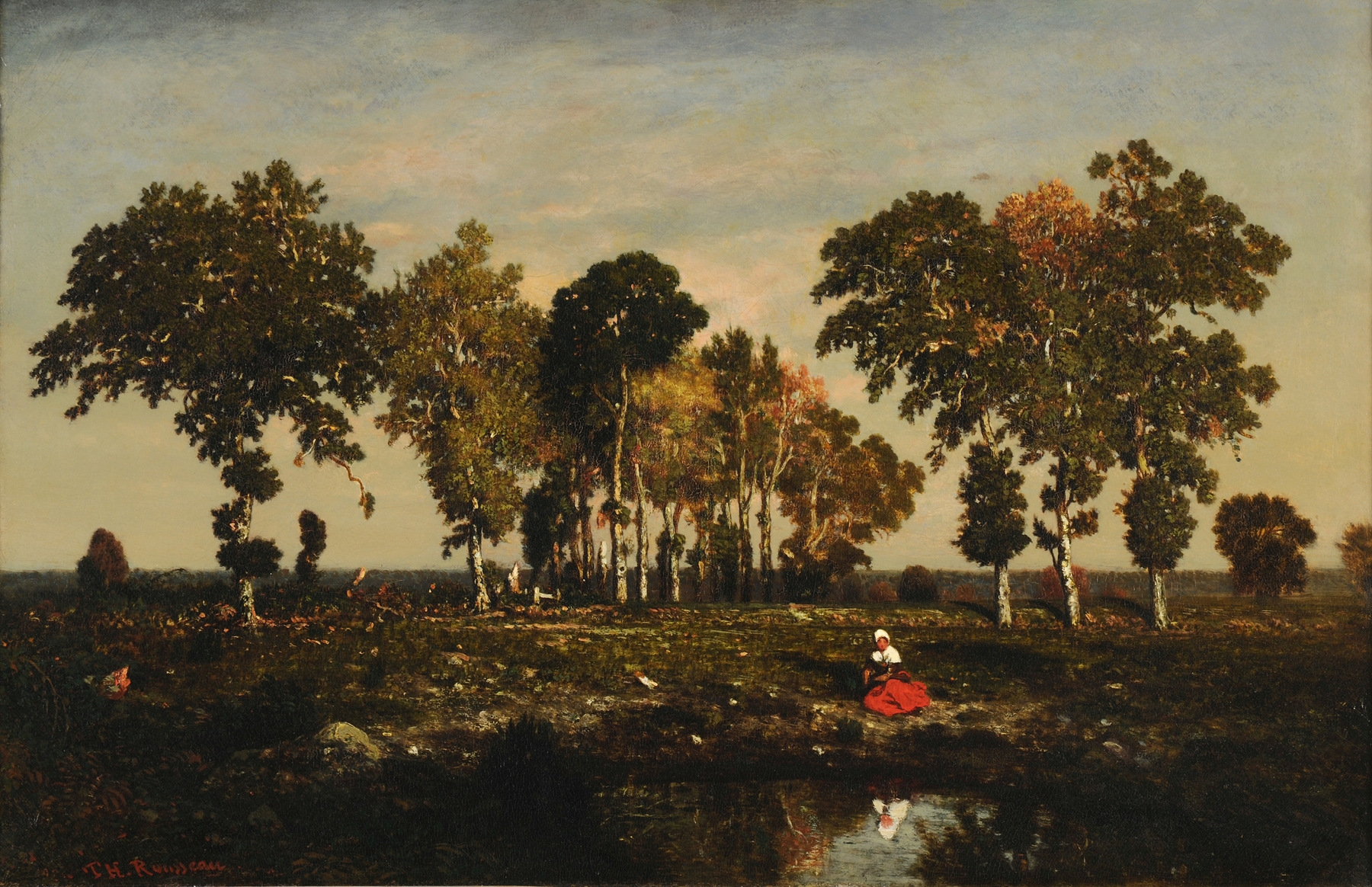
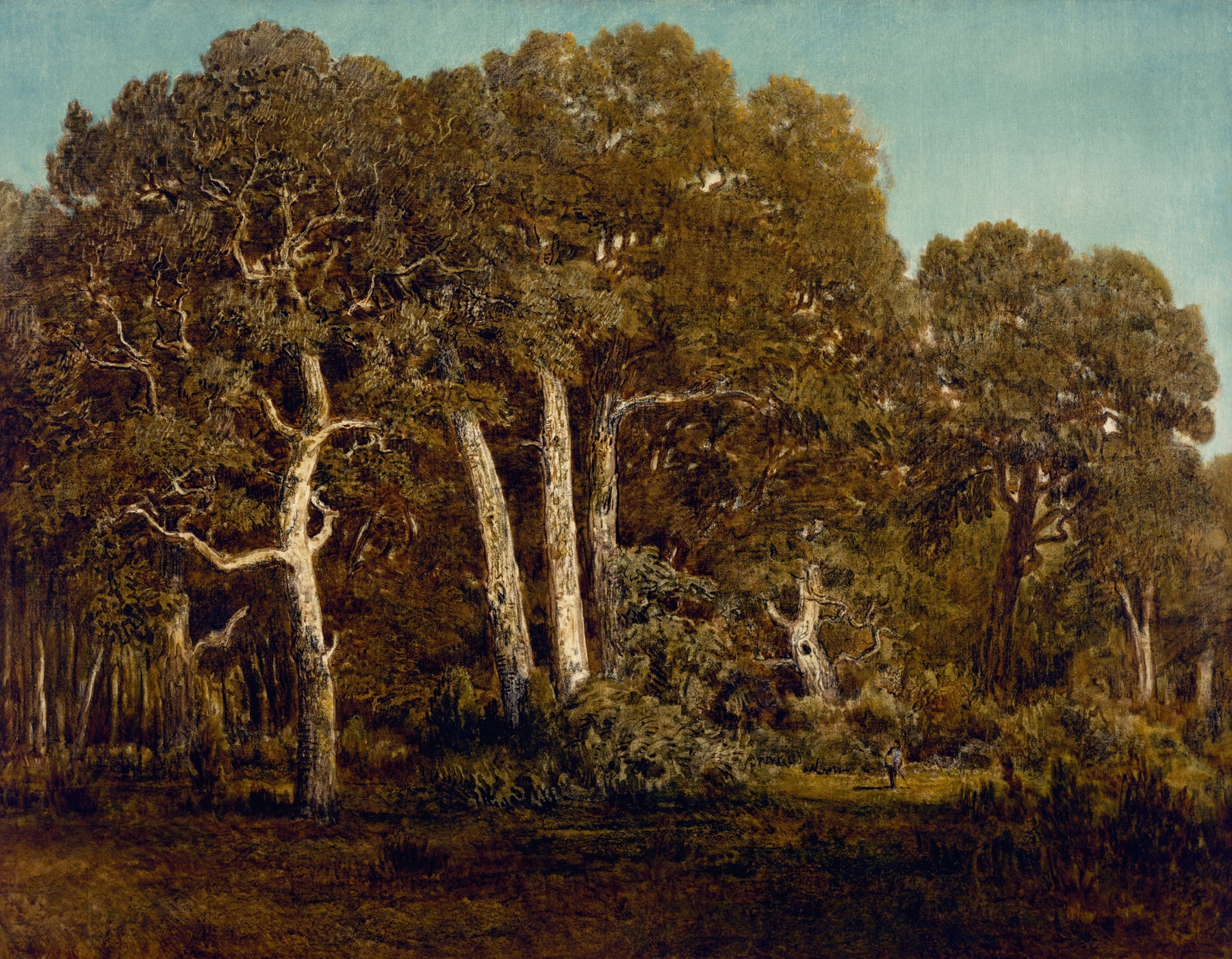
Can paint confess what words never could? In *La Mare*, a serene pond reflects the soul of nature, inviting us into a tranquil world where creation unfolds without utterance. Look to the left at the delicate green reeds swaying gently in the breeze, their reflections dancing on the surface of the water. Notice how the warm hues of the setting sun spill across the pond, infusing the scene with a gentle glow. The artist's brushstrokes are both precise and spontaneous, capturing the essence of a moment that feels both fleeting and eternal. The contrasting cool blues of the water against the warm earth tones creates a harmonious balance, drawing the viewer deeper into this idyllic landscape. As you explore further, consider the silent conversation between the water and the sky, where clouds seem to whisper secrets to the earth below. The stillness suggests a pause in time, evoking a sense of introspection that resonates with our own search for peace. The interplay of light and shadow hints at the complexity of nature—tranquil on the surface but teeming with life beneath. This duality reflects the artist’s understanding of the world, where beauty often coexists with untold depths. In 1842, Théodore Rousseau was a pivotal figure within the Barbizon School in France, striving to break away from the constraints of the academic style of his time. Embracing the natural landscape, he painted *La Mare* during a period of personal and artistic exploration, aiming to capture the raw essence of the countryside. This work exemplifies his dedication to plein air painting, immersing himself in the rural environment that inspired him, as the art world began to shift towards Impressionism.