La Montée Au Pâturage — History & Analysis
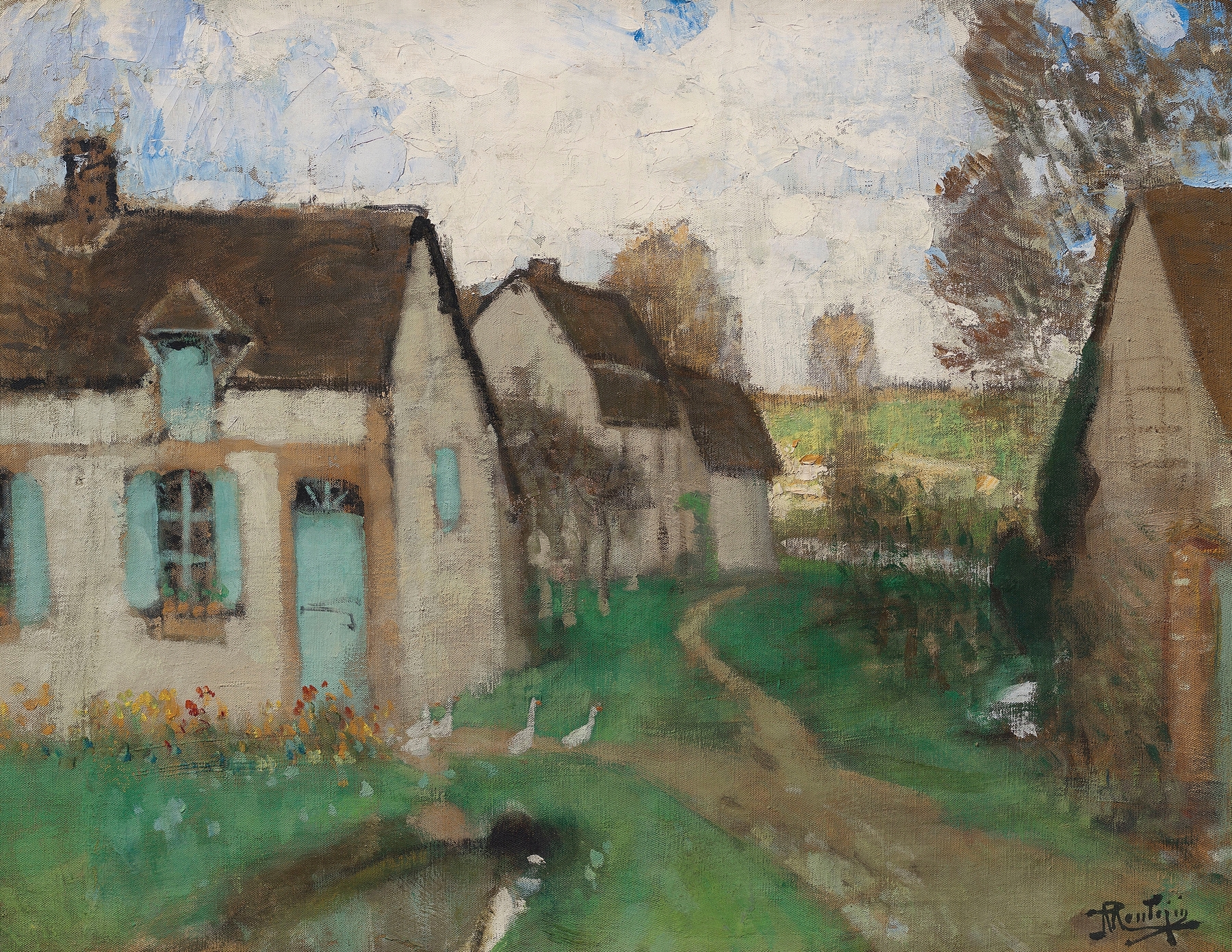
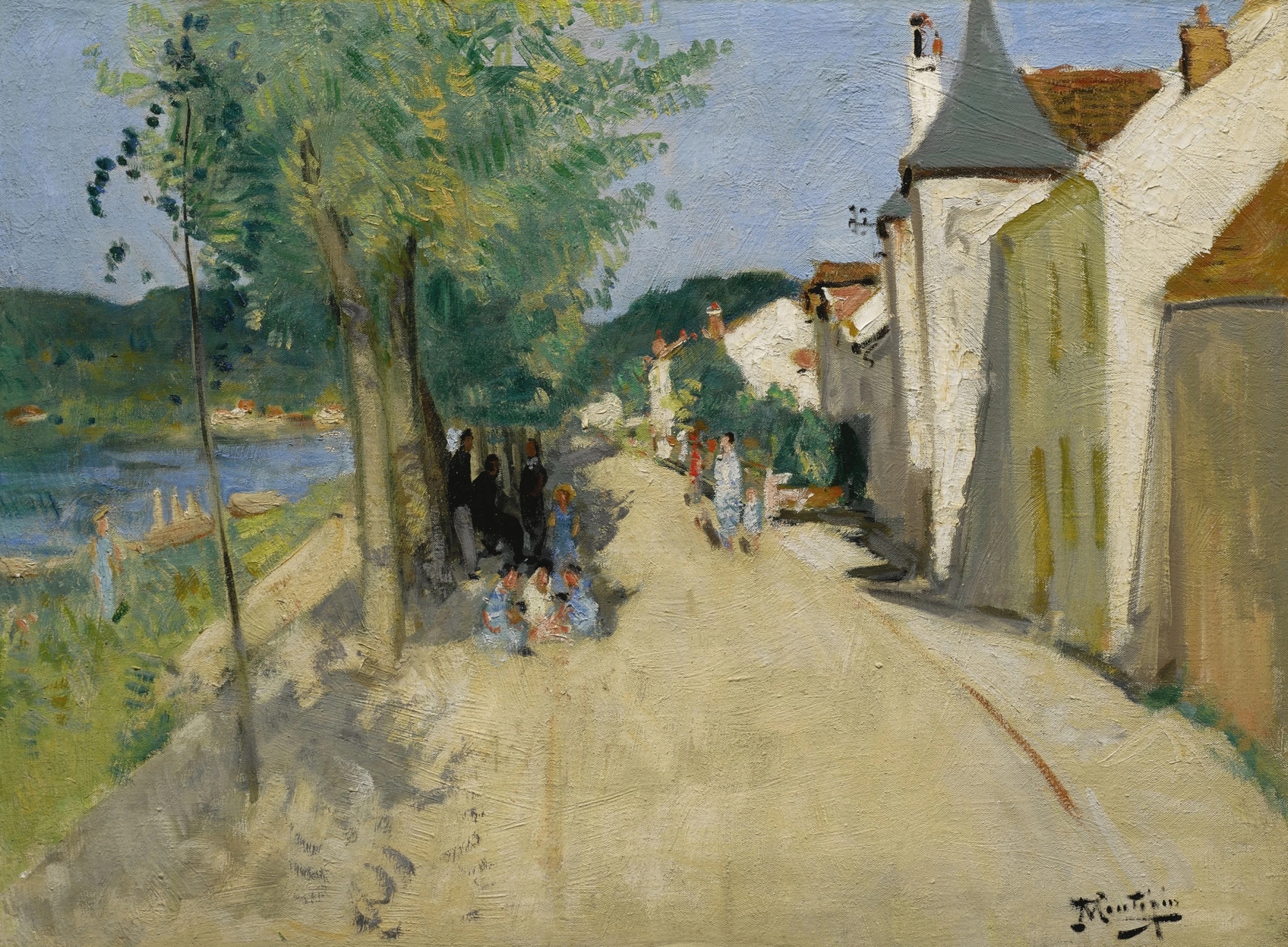
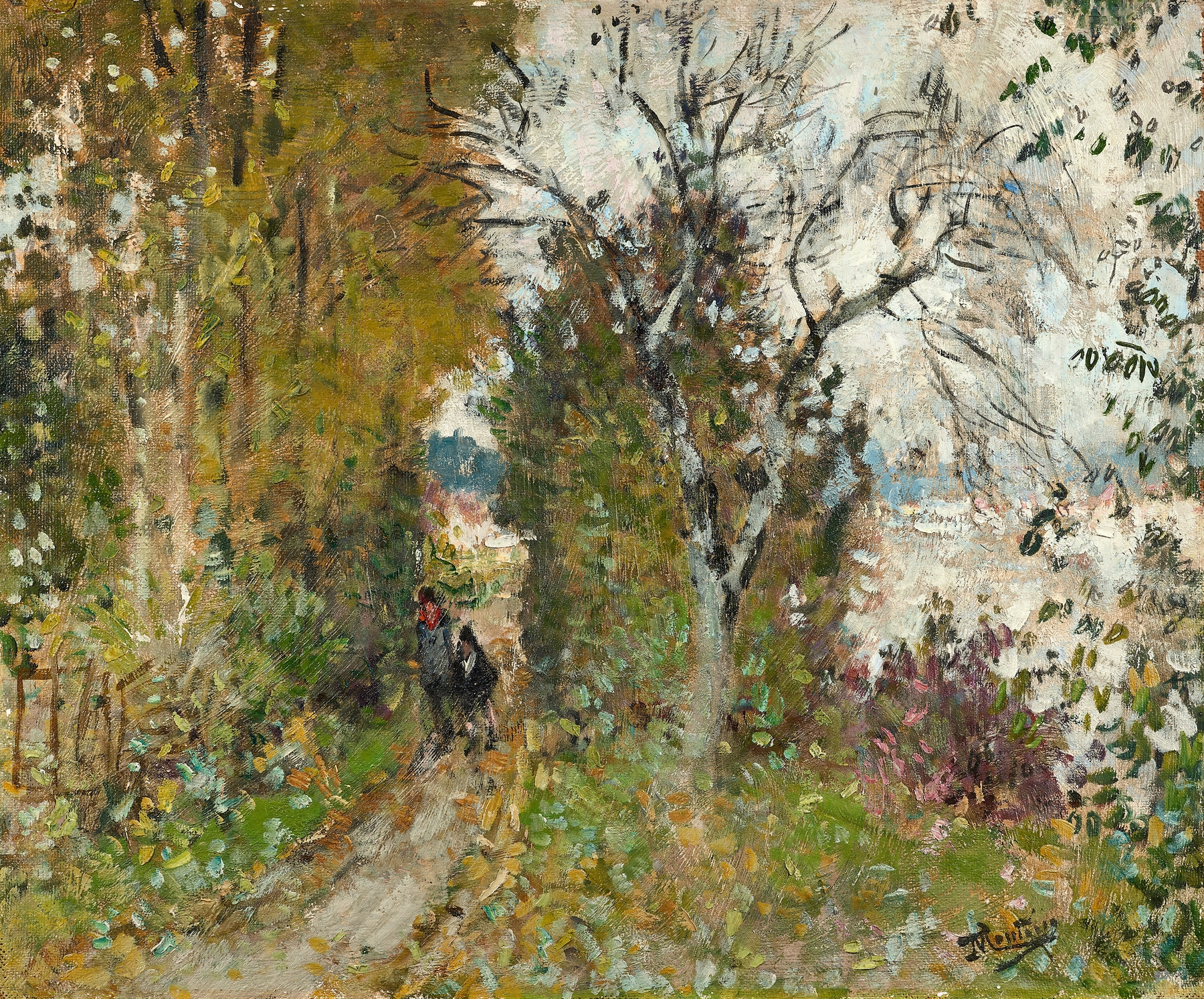
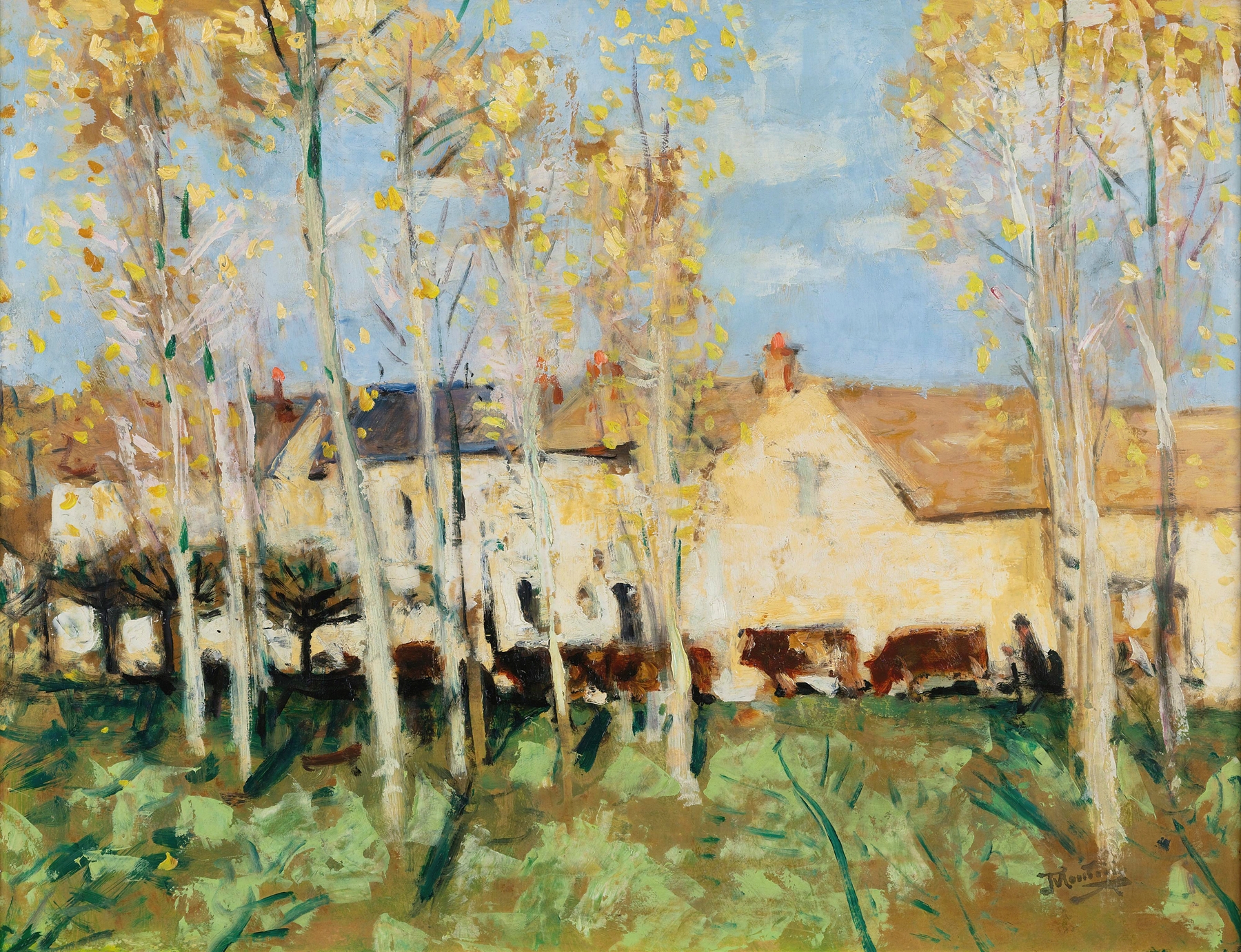
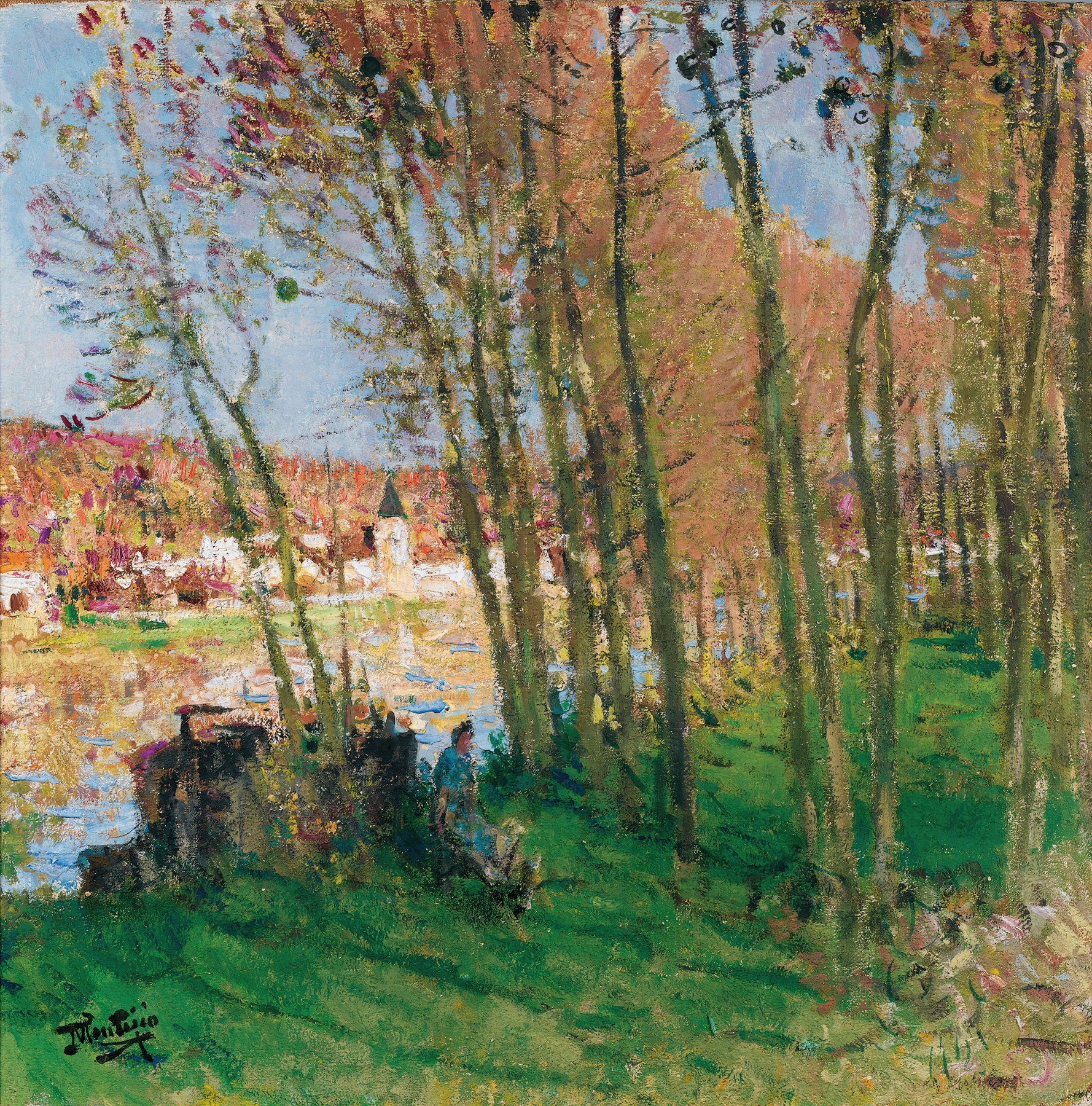
Who listens when art speaks of silence? In La Montée Au Pâturage, the quietude of rural life unfolds, mirroring the profound revelations found in still moments. Look to the left at the gently sloping hills, where a soft palette of greens and browns coalesce under the tender embrace of an afternoon sun. The brushstrokes dance lightly, creating a textured surface that invites the viewer into the scene. Notice how the figures, likely farmers or herders, are painted with an ethereal quality, as if they are part of the landscape rather than separate from it.
Their silhouettes become almost spectral, defined by the play of light and shadow, embodying both presence and absence in this tranquil yet charged space. Delve deeper into the contrasts woven within the composition. The vibrant colors of the grazing animals stand in stark juxtaposition to the muted tones of the earth and sky, symbolizing the harmony and tension of human existence in nature. The path that leads upward hints at a journey—both literal and metaphorical—reflecting the aspirations and challenges of those who toil in this pastoral setting.
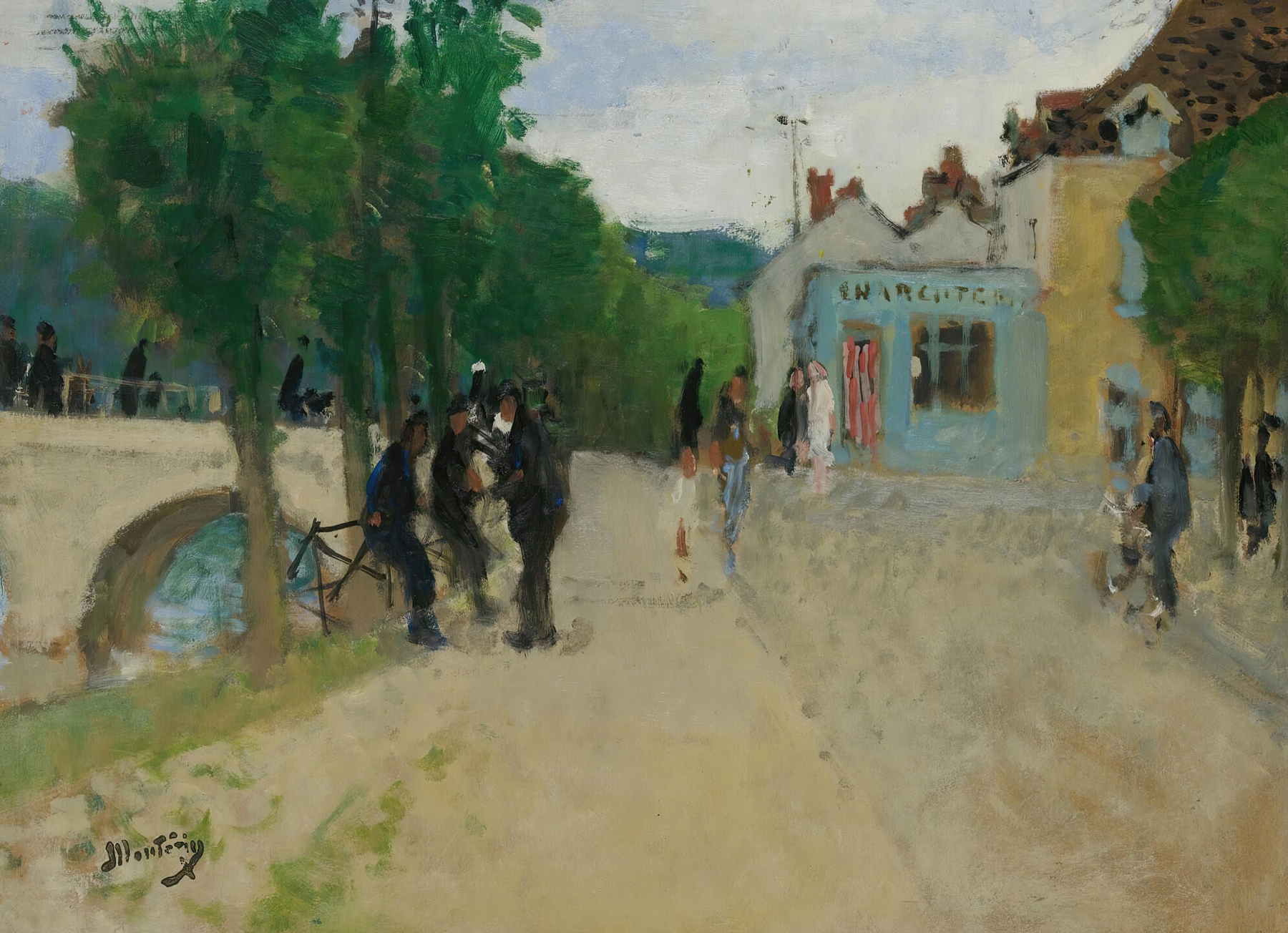
The silence captured here hints at a shared understanding between the land and its caretakers, revealing the intimate relationship cultivated over generations. In an unspecified year, Montézin created this work amidst the changing tides of early 20th-century art. He was navigating a world increasingly influenced by the Impressionist movement while also striving to carve out his own identity as a painter of the French countryside. As scenes of modernity crept into the art world, he remained devoted to the representation of rural life, seeking to capture its beauty and serenity in a time of rapid change.