La place Blanche — History & Analysis
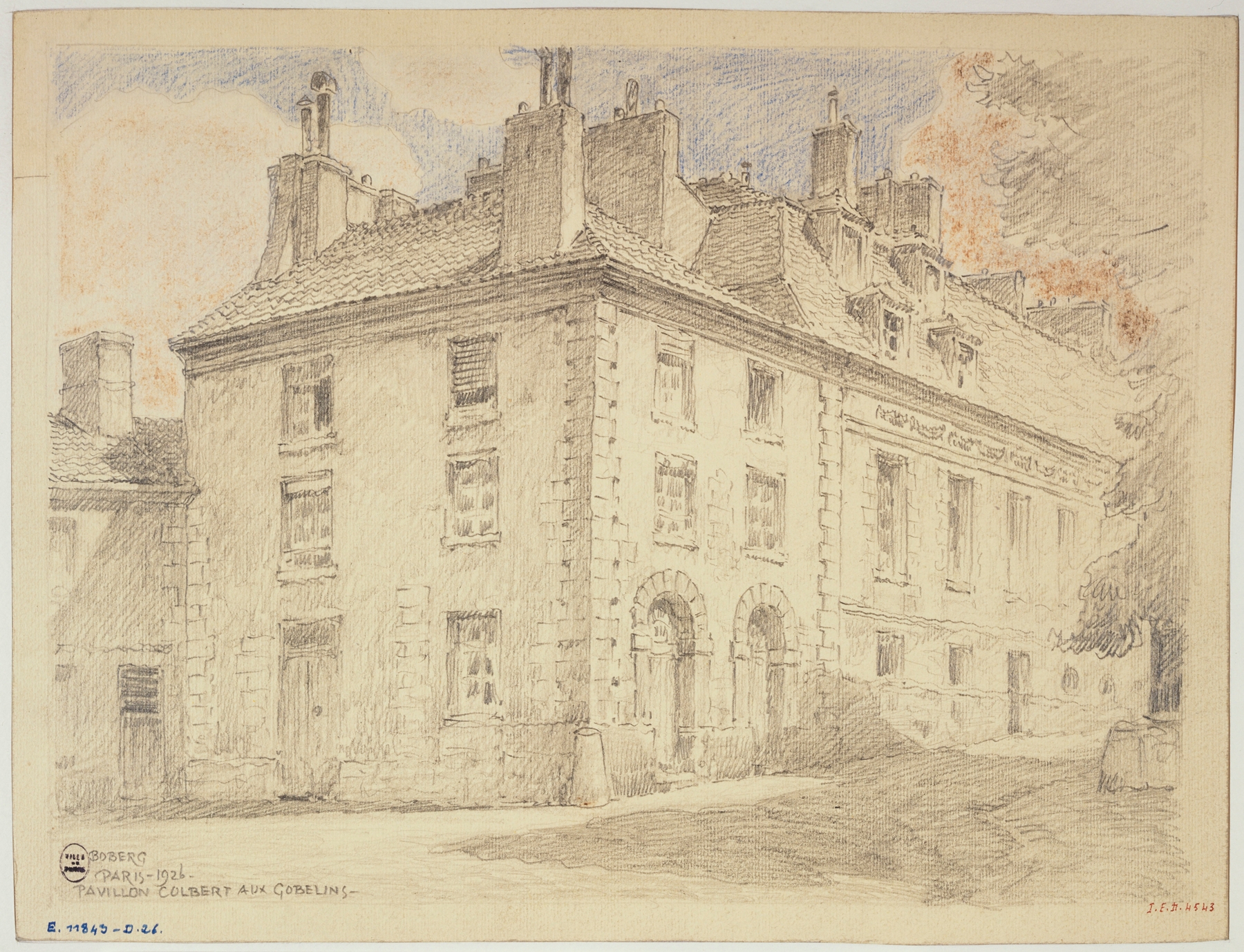
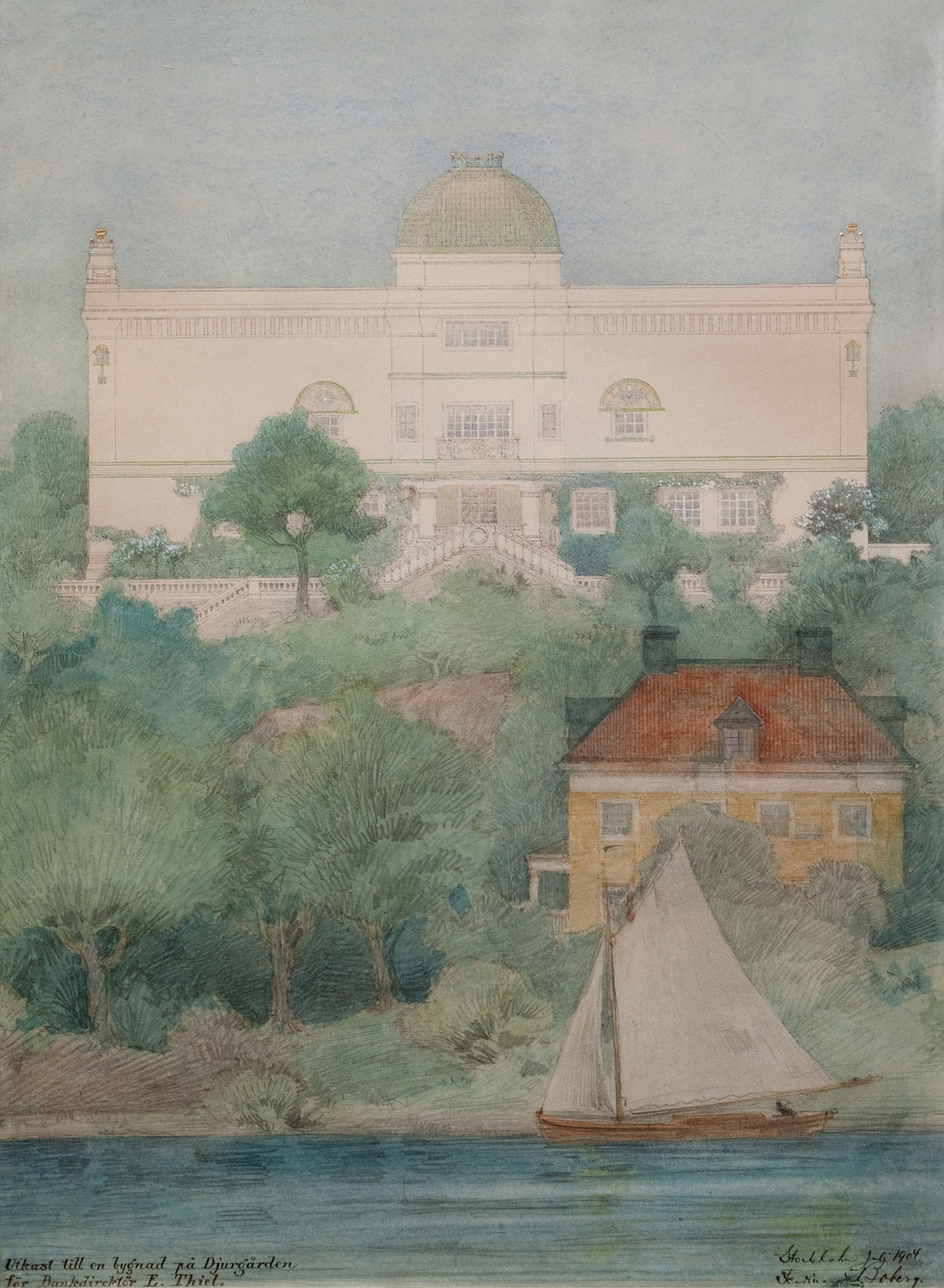
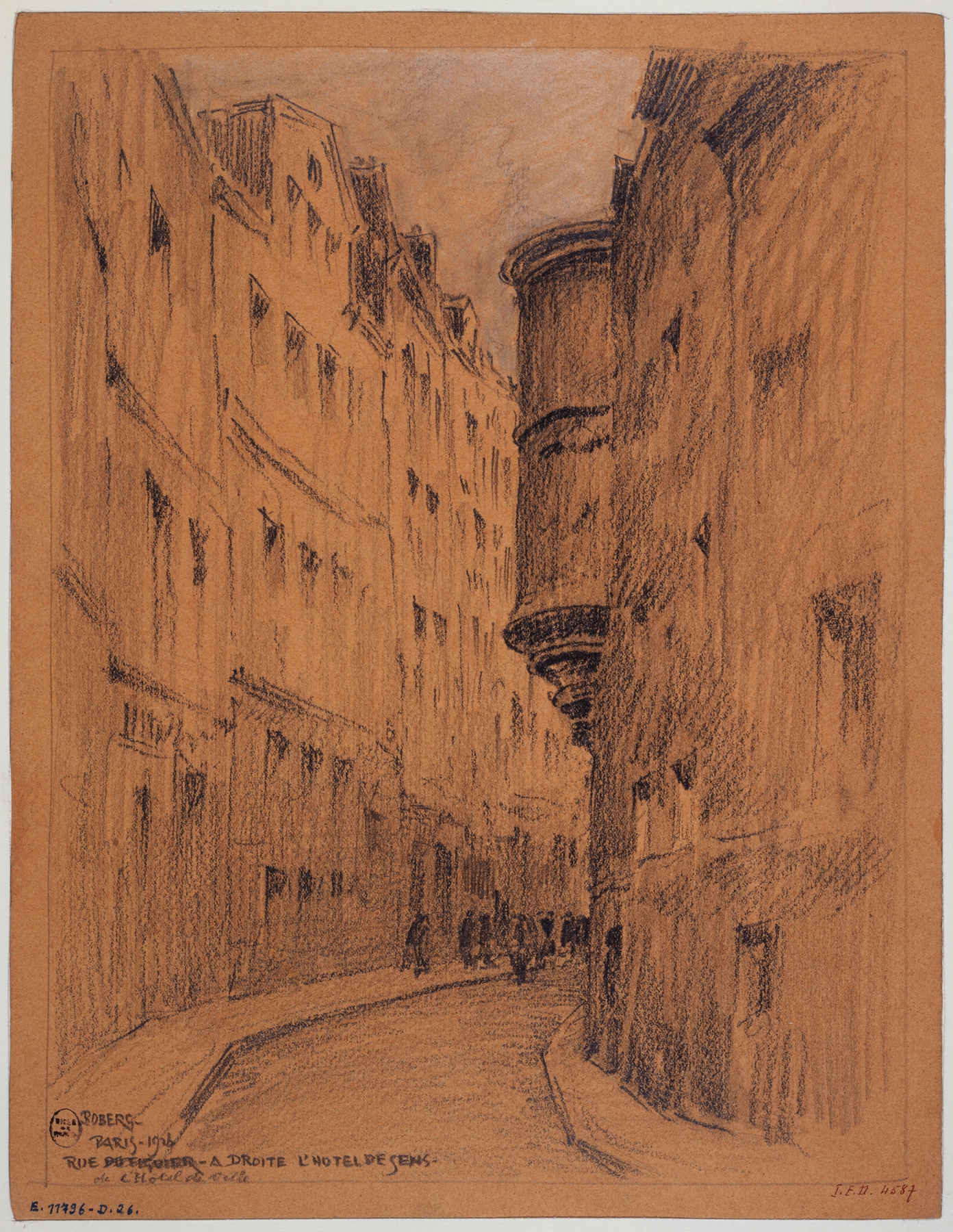
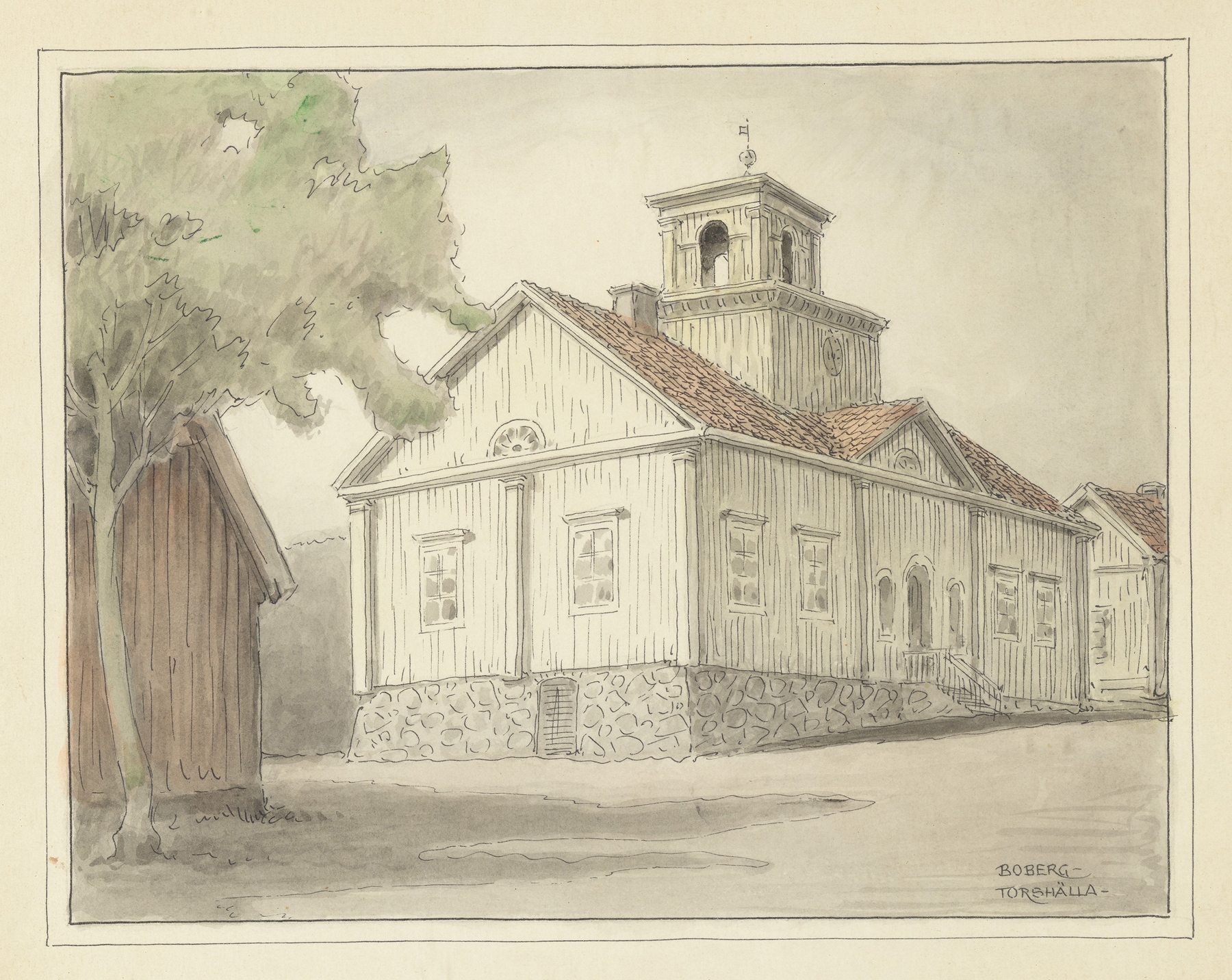
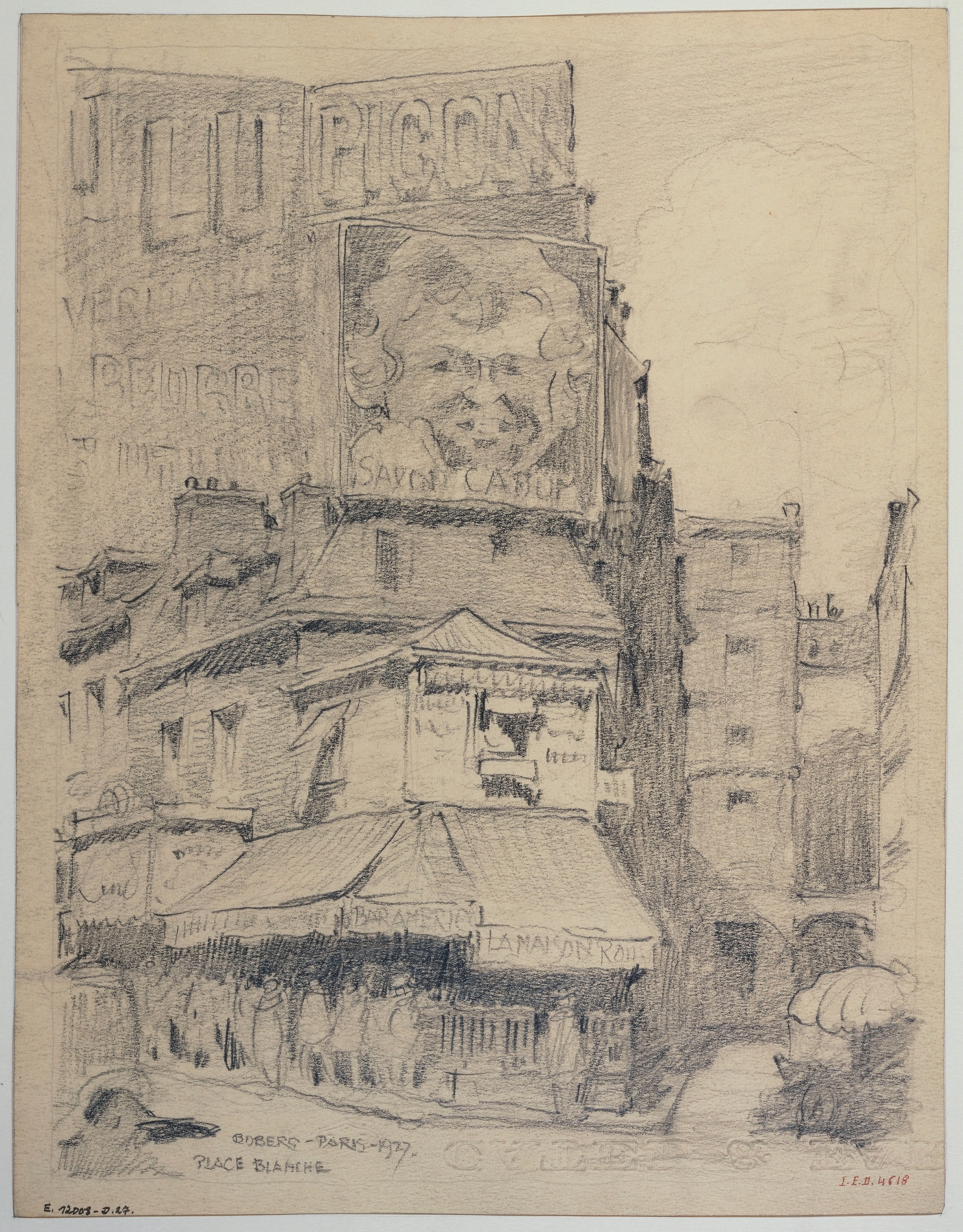
Can beauty exist without sorrow? In the hush of a deserted urban landscape, a poignant stillness hangs in the air, weaving together the fabric of emptiness and longing. Focus on the enigmatic emptiness of the canvas, where muted hues of gray and white beckon your gaze. The stark architecture frames the scene, guiding the eye toward the central square—an invitation to explore the quiet solitude. Notice how the light casts delicate shadows, transforming the cold surfaces into a tapestry of subtle textures, each whispering stories of lives once lived amidst the bustle. Beneath the elegant façades lies a complex interplay of isolation and nostalgia. The lack of figures amplifies the silence, evoking a sense of abandonment often accompanied by the beauty of a fleeting moment. Each brushstroke captures not just the physical space but also the emotional vacuum that settles in the wake of absence, creating a visual paradox that resonates with the viewer's own experiences of solitude. Ferdinand Boberg painted *La place Blanche* in 1927 during a period marked by modernist exploration in art and architecture. Living in Paris, he was deeply influenced by the burgeoning movements of the time, which sought to marry beauty with the stark realities of urban life. This piece reflects the artist's introspection amidst the evolving cityscape, encapsulating the paradox of beauty found in desolation.