La Seine — History & Analysis
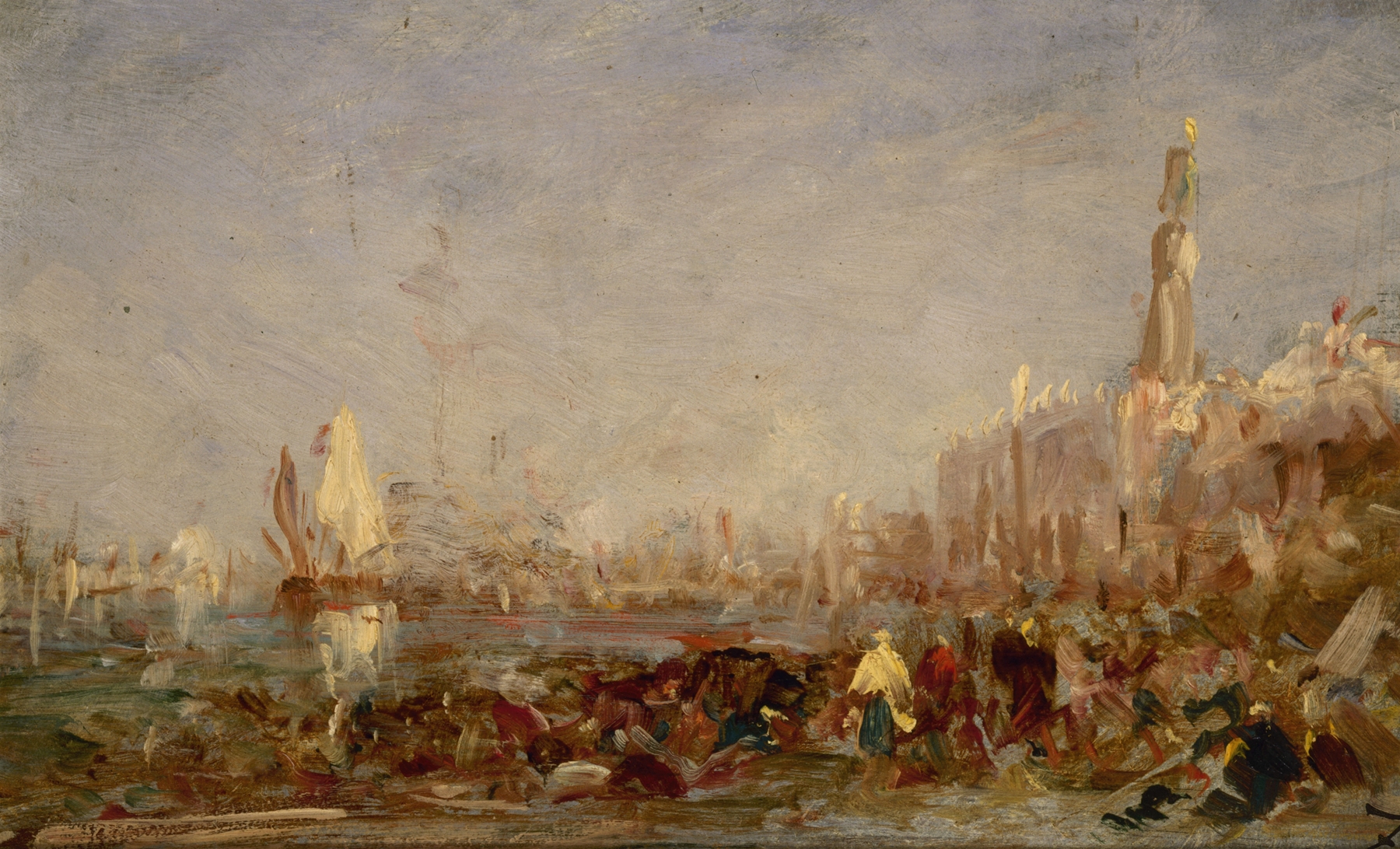
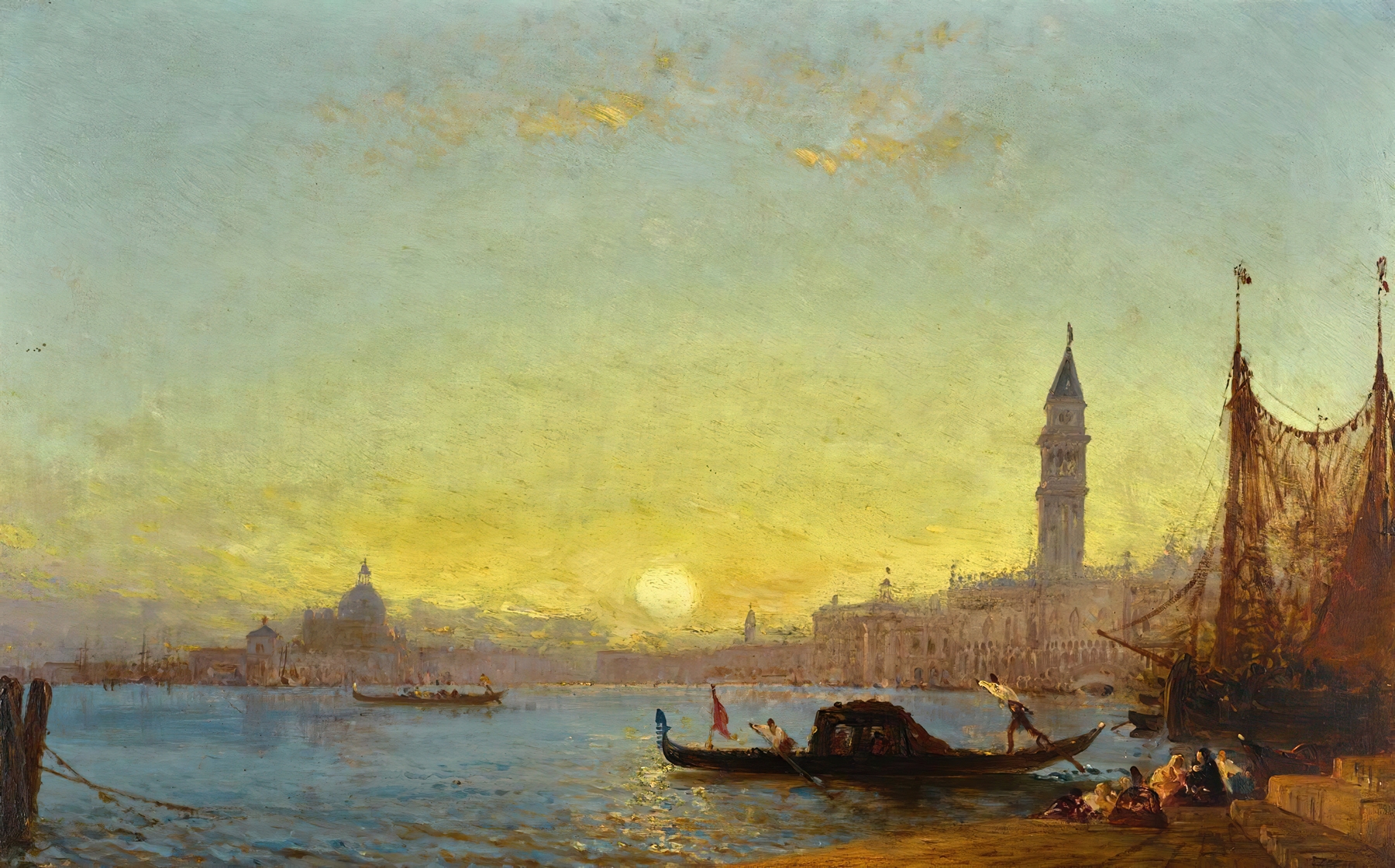
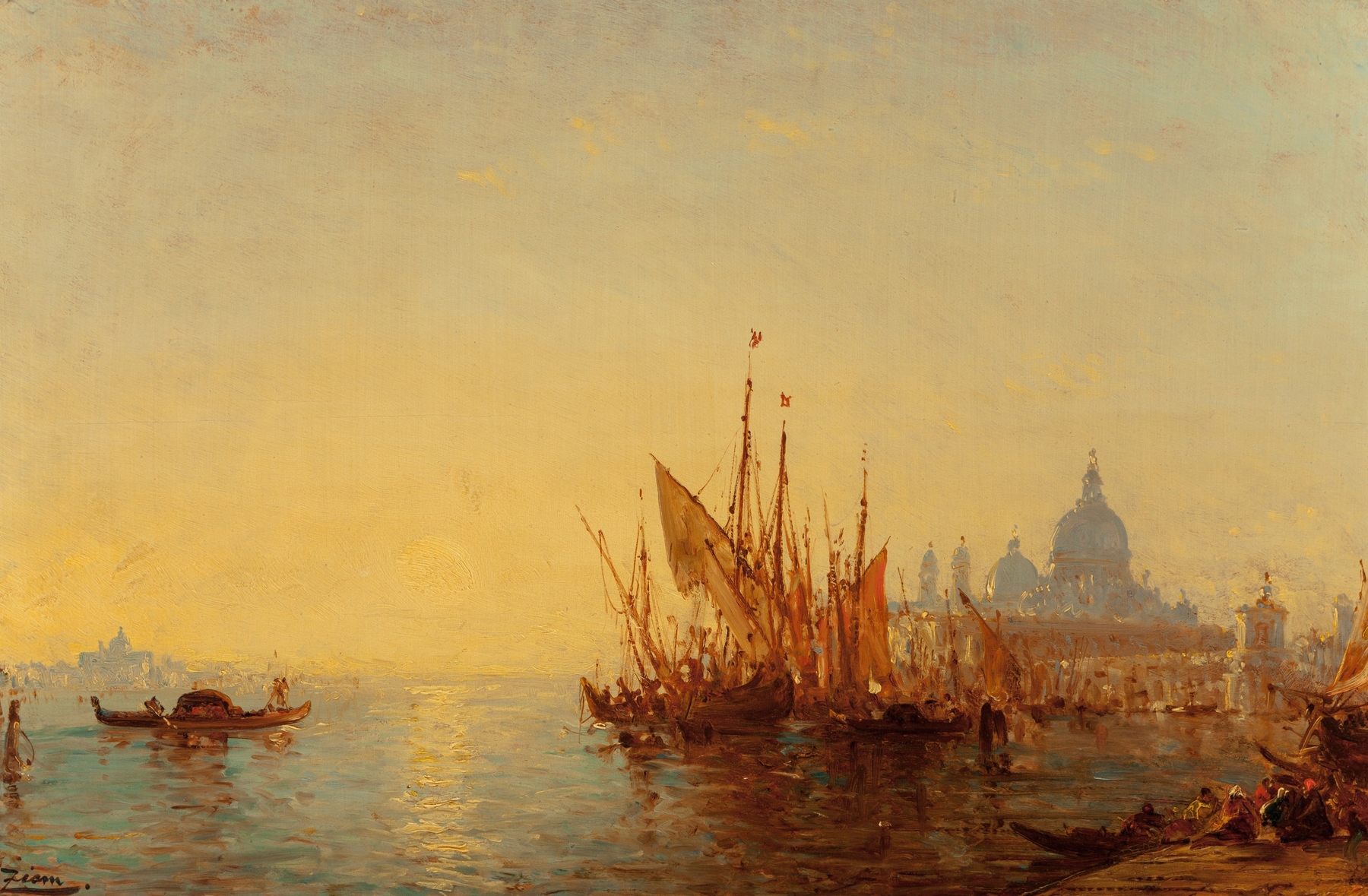
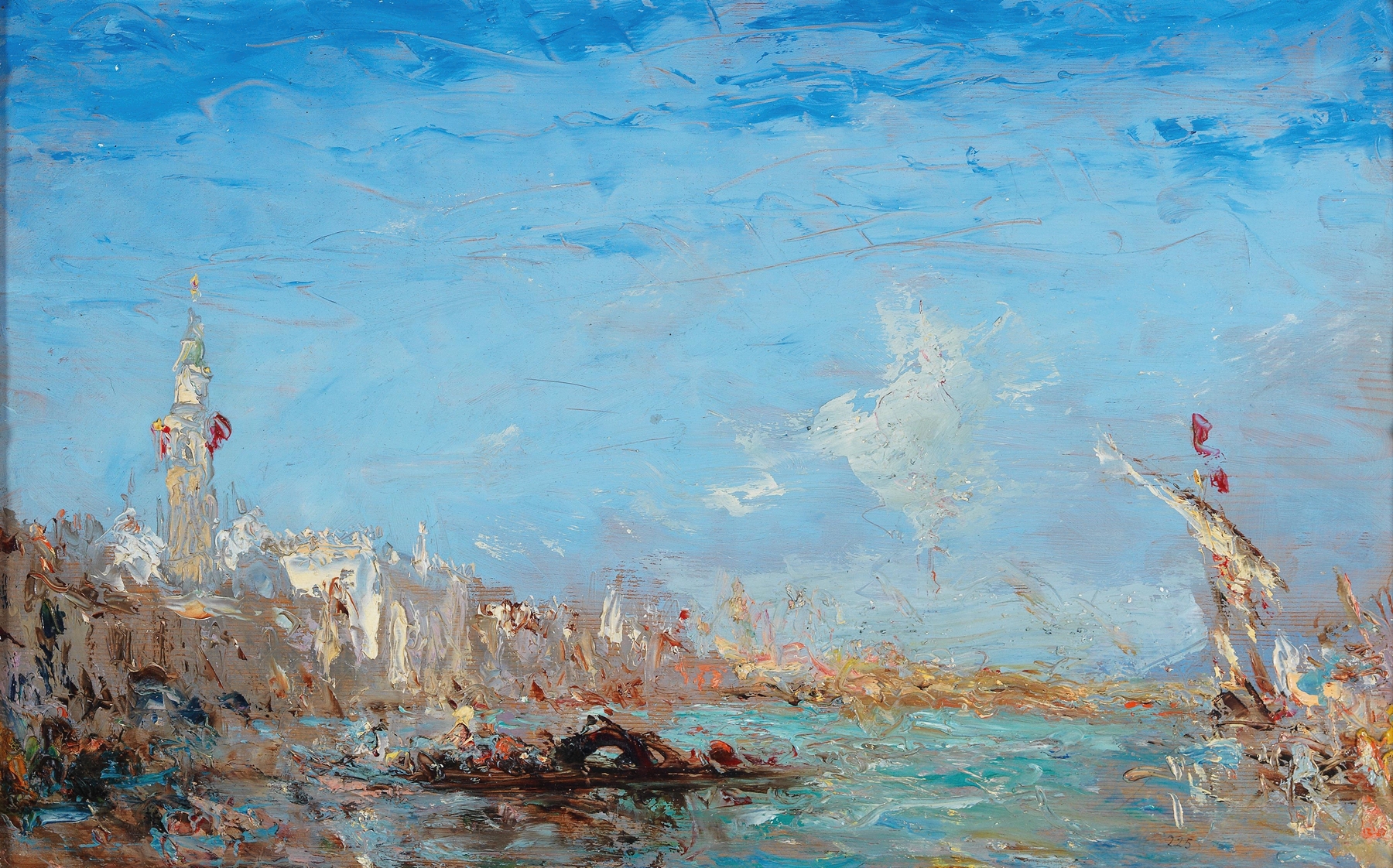
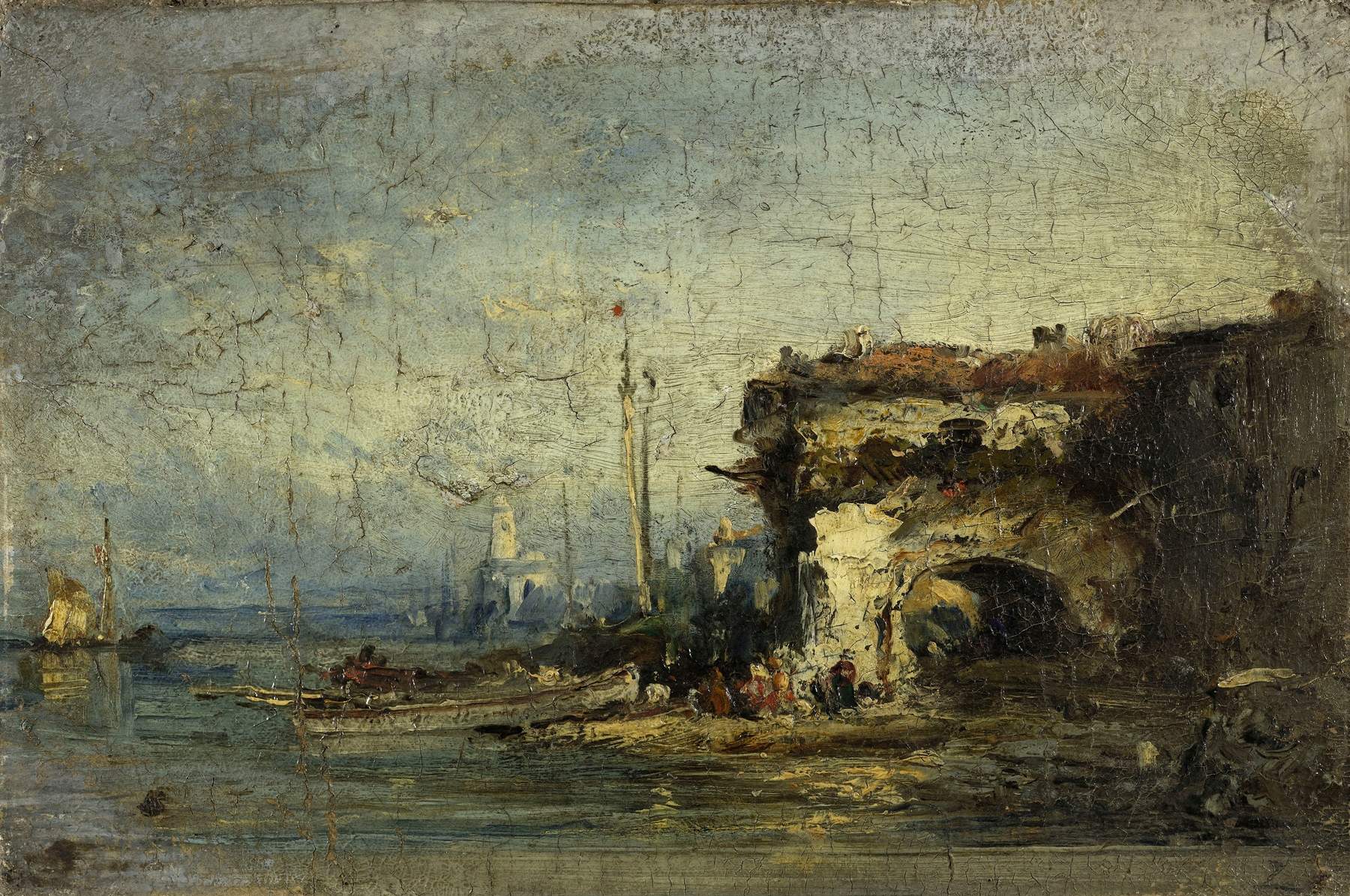
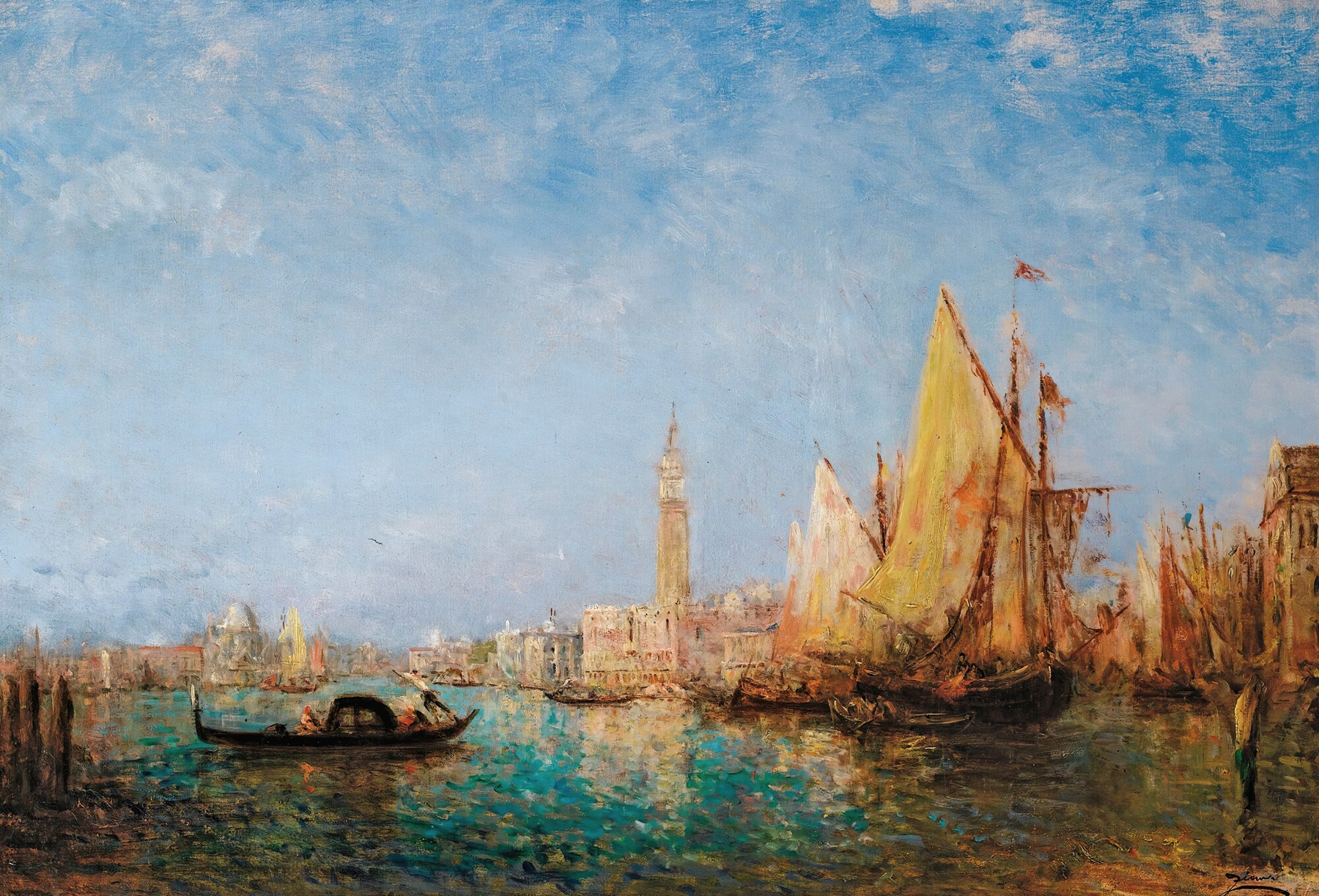
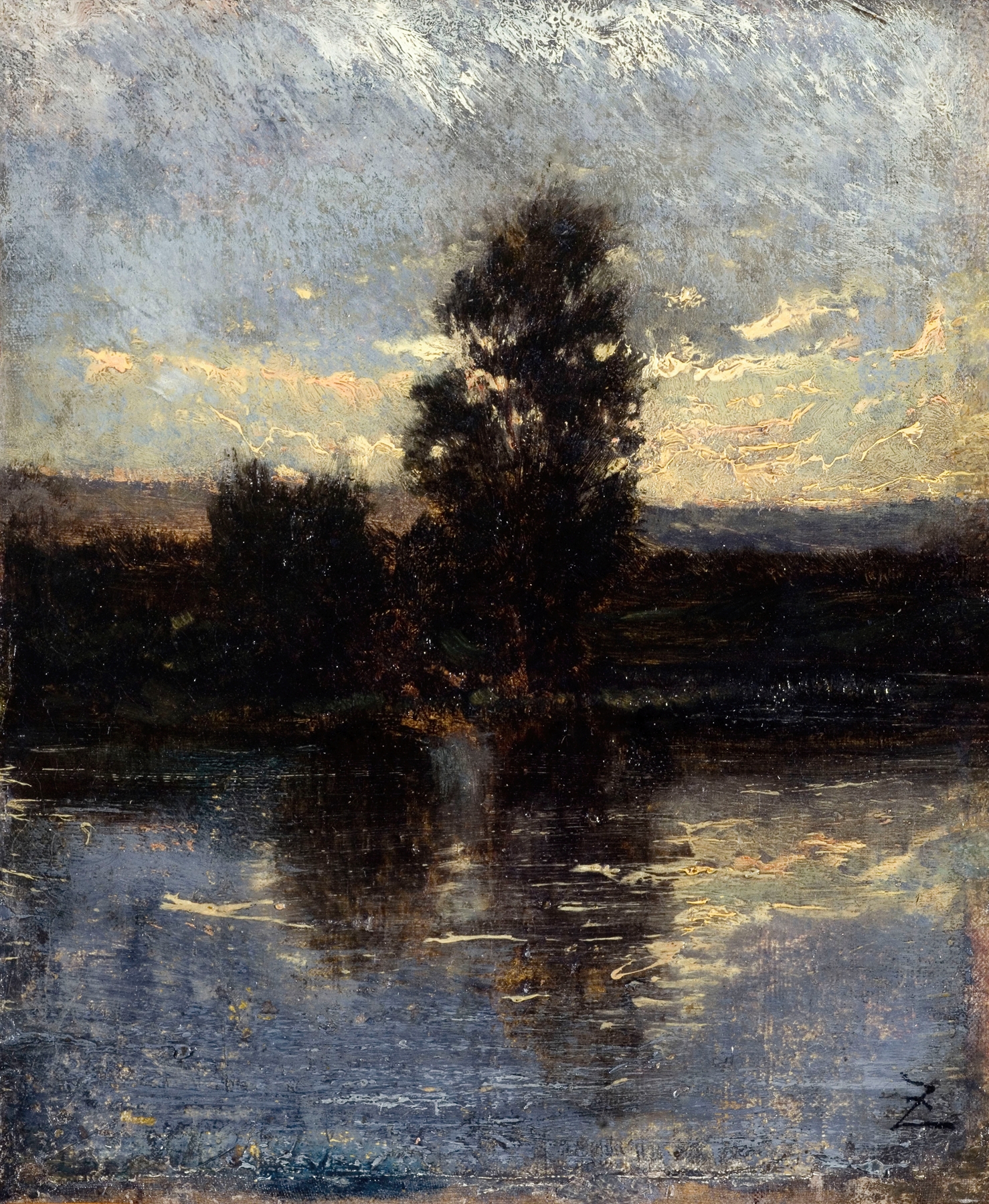
What if beauty was never meant to be finished? In the delicate interplay between tranquility and chaos, La Seine invites us to reflect on the ephemeral nature of both art and life. Look to the left at the glistening waters of the Seine, where shades of cerulean and silvery hues intertwine seamlessly, reflecting the sky’s light in a gentle dance. The soft brushwork creates a sense of movement, suggesting the river's flow while framing a serene moment amidst the bustling Parisian life.
Notice how the artist employs dappled sunlight, casting intricate patterns on the surface, which seems to pulse with a life of its own—disturbing yet captivating. Delve deeper into the layers of this painting; the contrasting elements reveal a world teetering on the brink of disorder. The calm water mirrors a fleeting moment of peace, yet the surrounding chaos of the industrial age looms in the distance with shadowy silhouettes of structures that disrupt the idyllic landscape. This tension between nature and man reveals an emotional undercurrent, speaking to the fragility of beauty amidst encroaching change.
In the late 1850s, while creating this work, the artist found himself navigating the shifting tides of Romanticism and Impressionism in France. During this period, Ziem was influenced by the rapid urbanization of Paris and its impact on the natural environment. His choice to depict the Seine captures a vital moment in history, showcasing both the allure of the landscape and the inevitable chaos that accompanies progress.