La Seine au Pont d’Austerlitz — History & Analysis
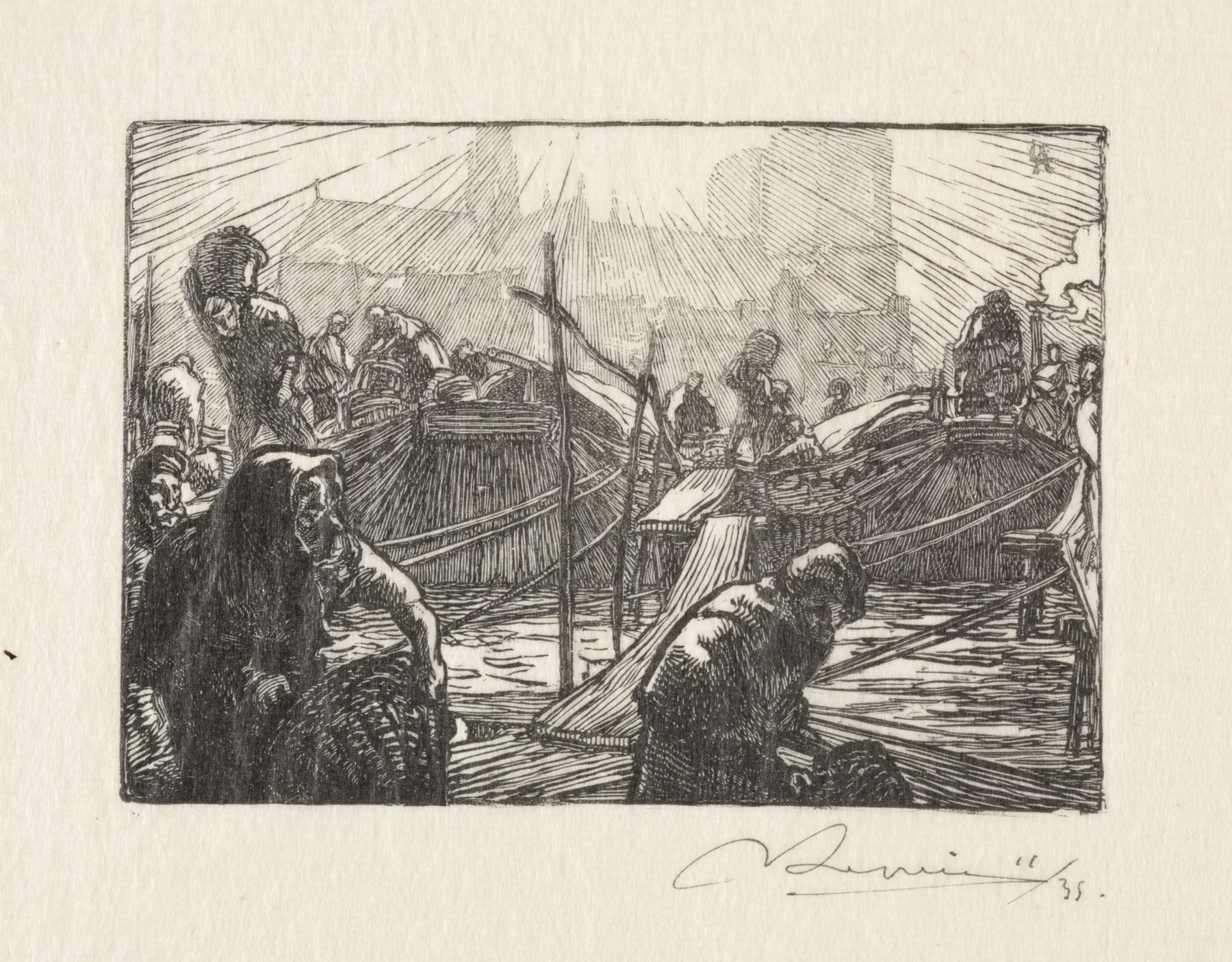
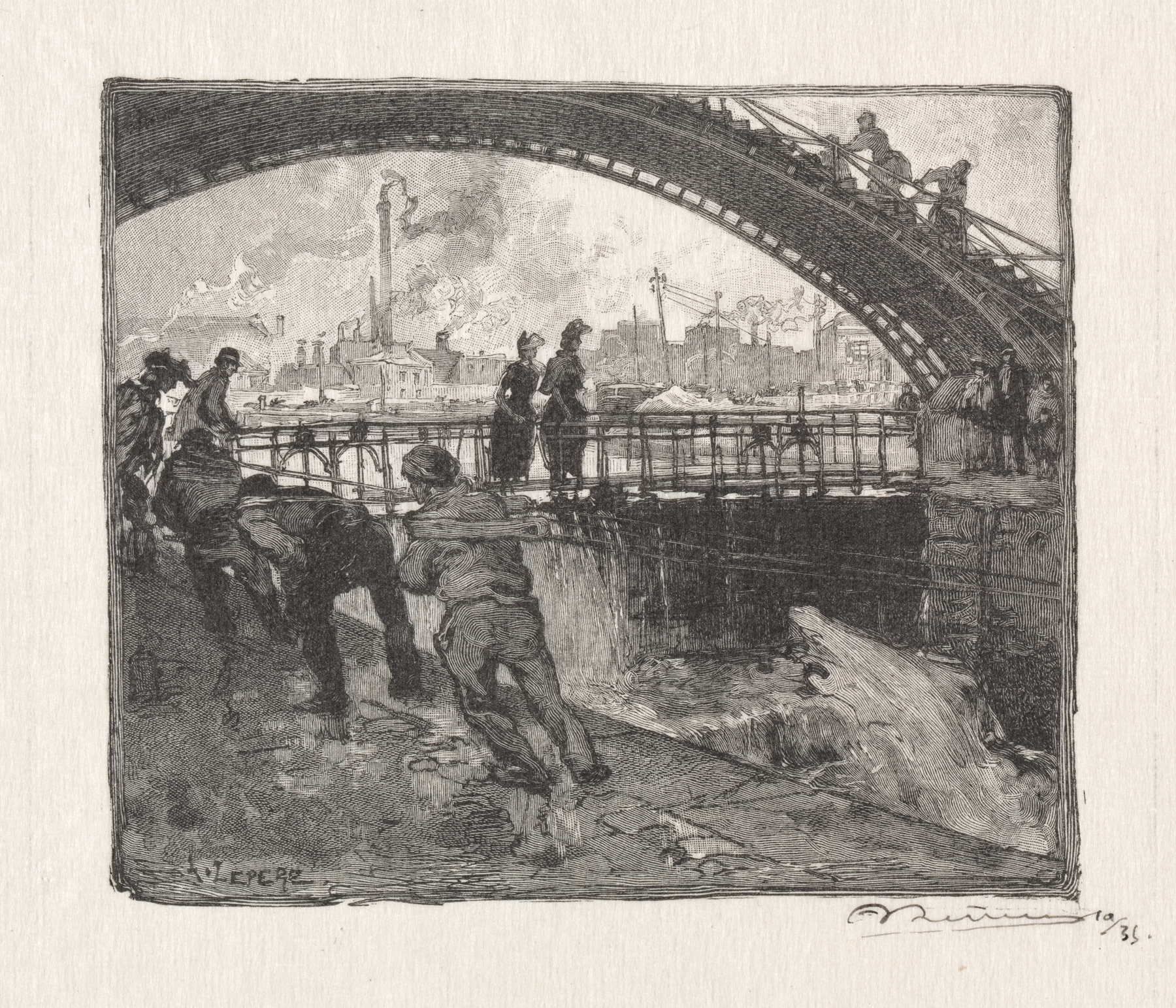
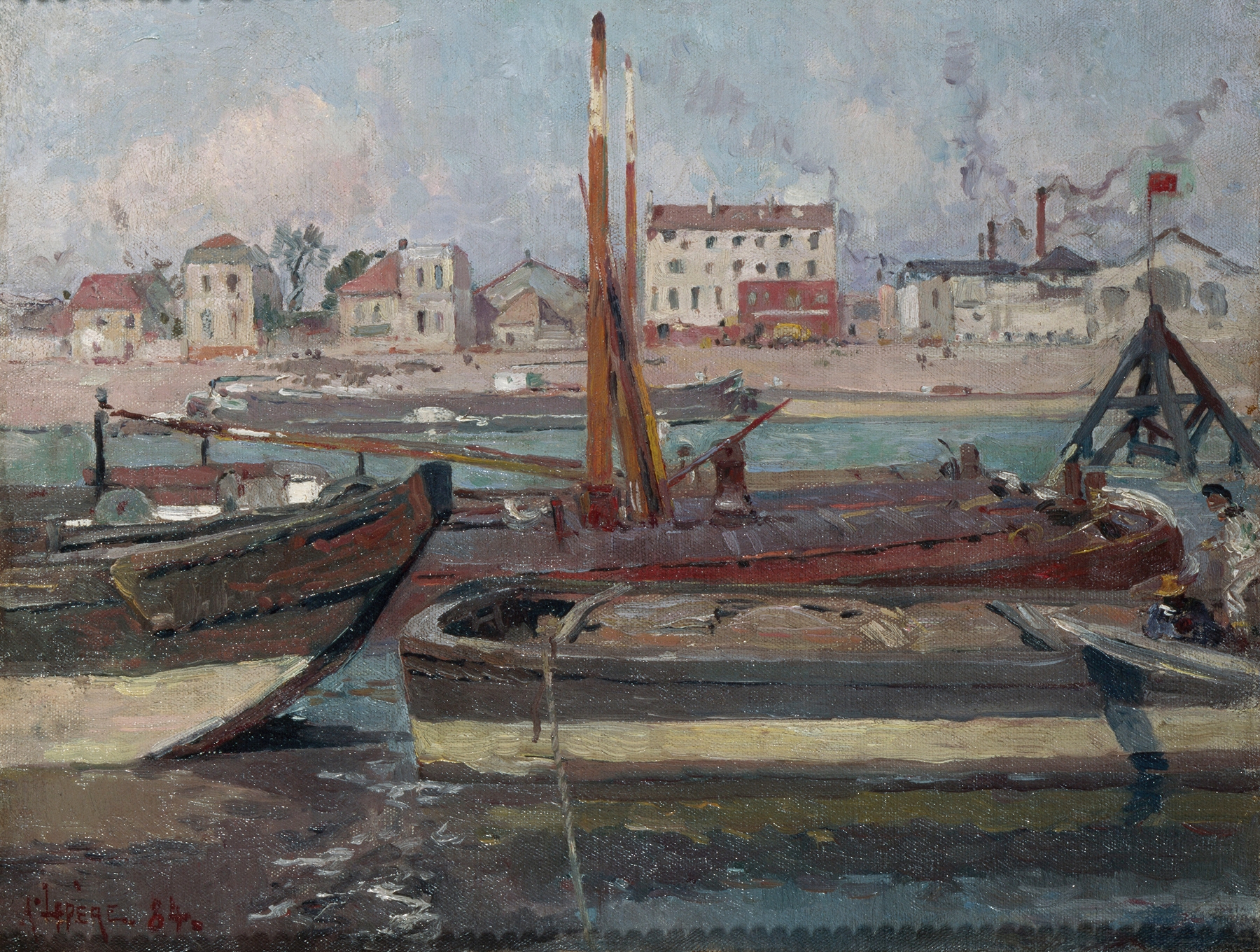
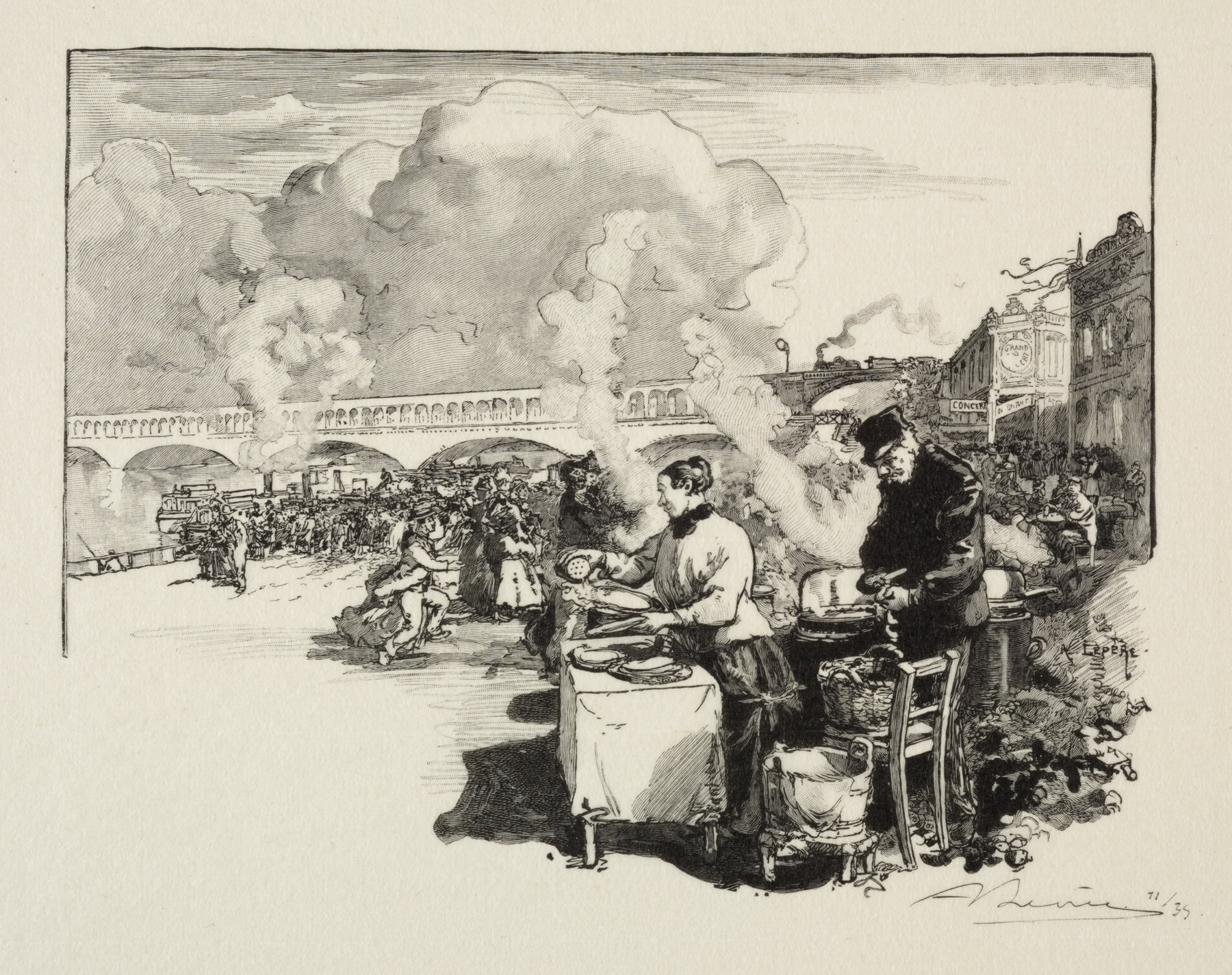
“Every silence here is a confession.” In the stillness of the riverside, a hush envelops the scene, inviting introspection amid the ebb and flow of time. The serene waters of the Seine cradle the moment, whispering secrets of the city that lies beyond the canvas. Look closely at the rippling surface where the light dances playfully, casting reflections that shimmer like fleeting memories. The bridge arches gracefully across the horizon, its subtle gray tones contrasting with the soft pastels of the sky. This delicate interplay of color and texture draws your gaze, guiding you from the tranquil foreground to the distant skyline, where the city breathes with life yet remains curiously distant. Beneath the surface of this idyllic portrayal lies a tension between movement and stillness, a quiet dichotomy that resonates deeply. The boats, almost static, represent the slow march of time, while the vibrant hues hint at the vibrancy of life in Paris. Each brushstroke intertwines nostalgia with contemplation, inviting viewers to reflect on their own silences and confessions as they stand witness to this intimate moment. Painted between 1886 and 1888, the work emerged as *Auguste Louis Lepère* navigated the evolving landscape of Impressionism, inspired by its emphasis on natural light and everyday scenes. During this period, he was honing his skills in etching and printmaking, capturing the essence of the city while contributing to a burgeoning artistic community that sought to redefine reality through the art of observation.