La Seine à Billancourt, coucher de soleil — History & Analysis
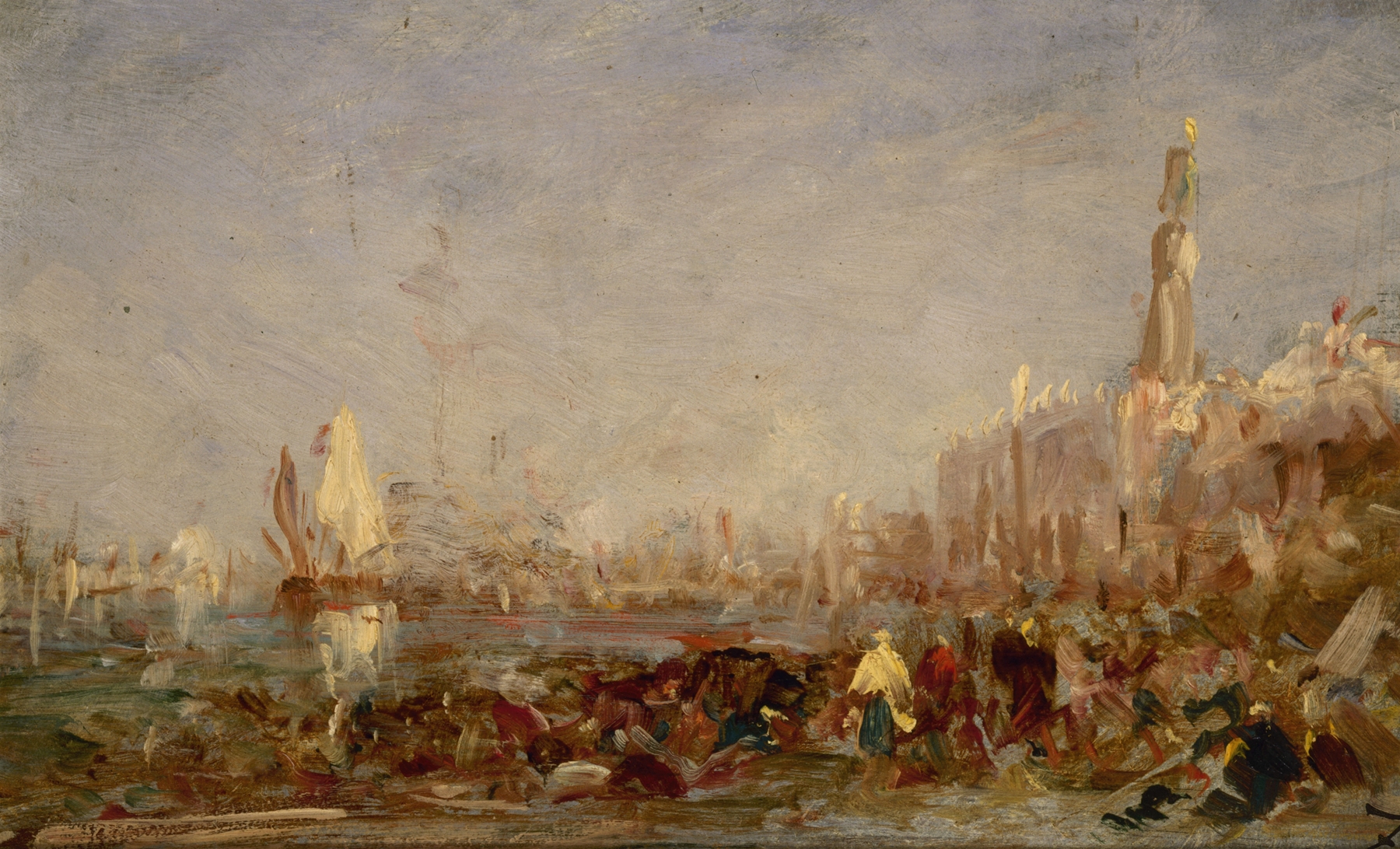
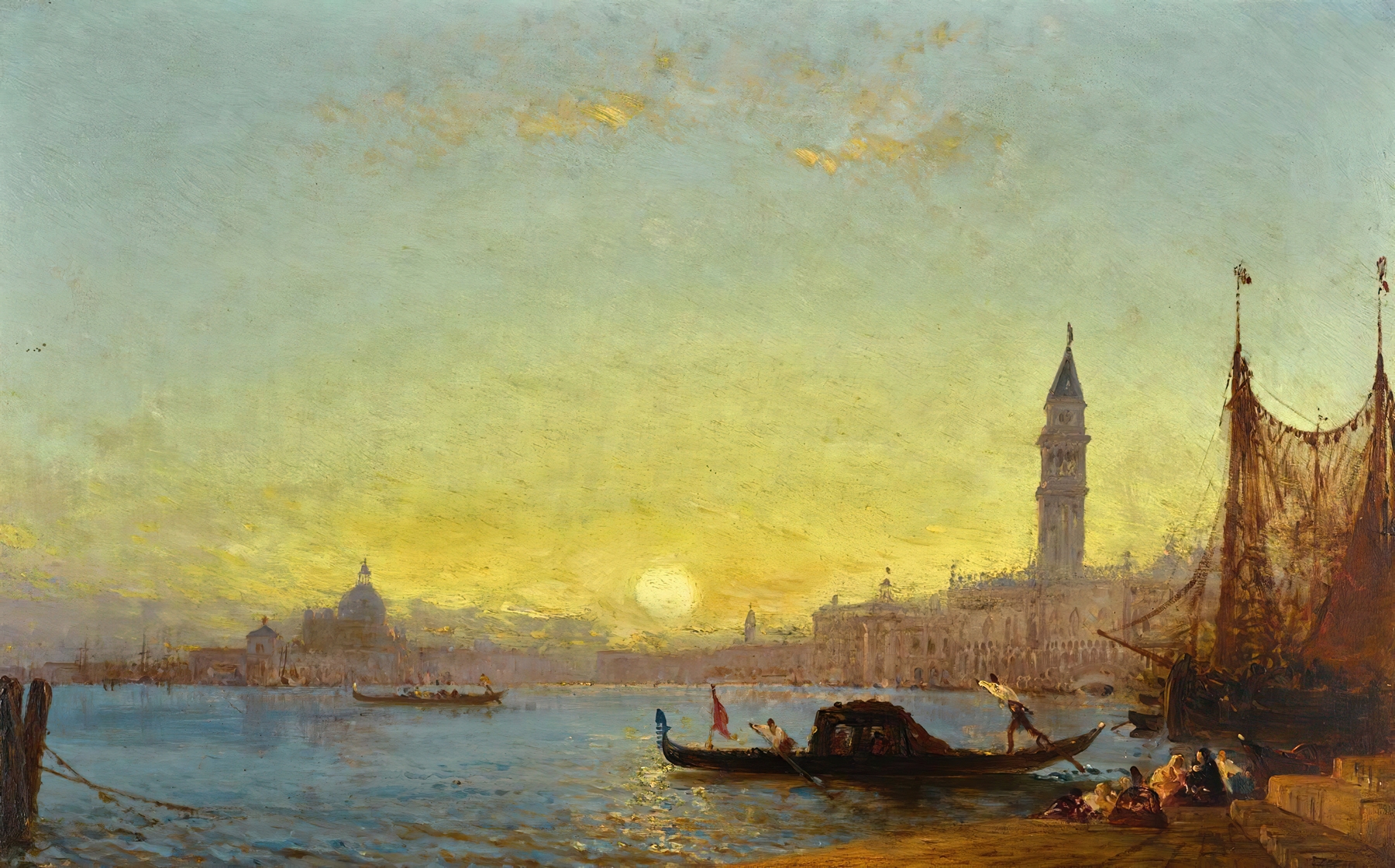
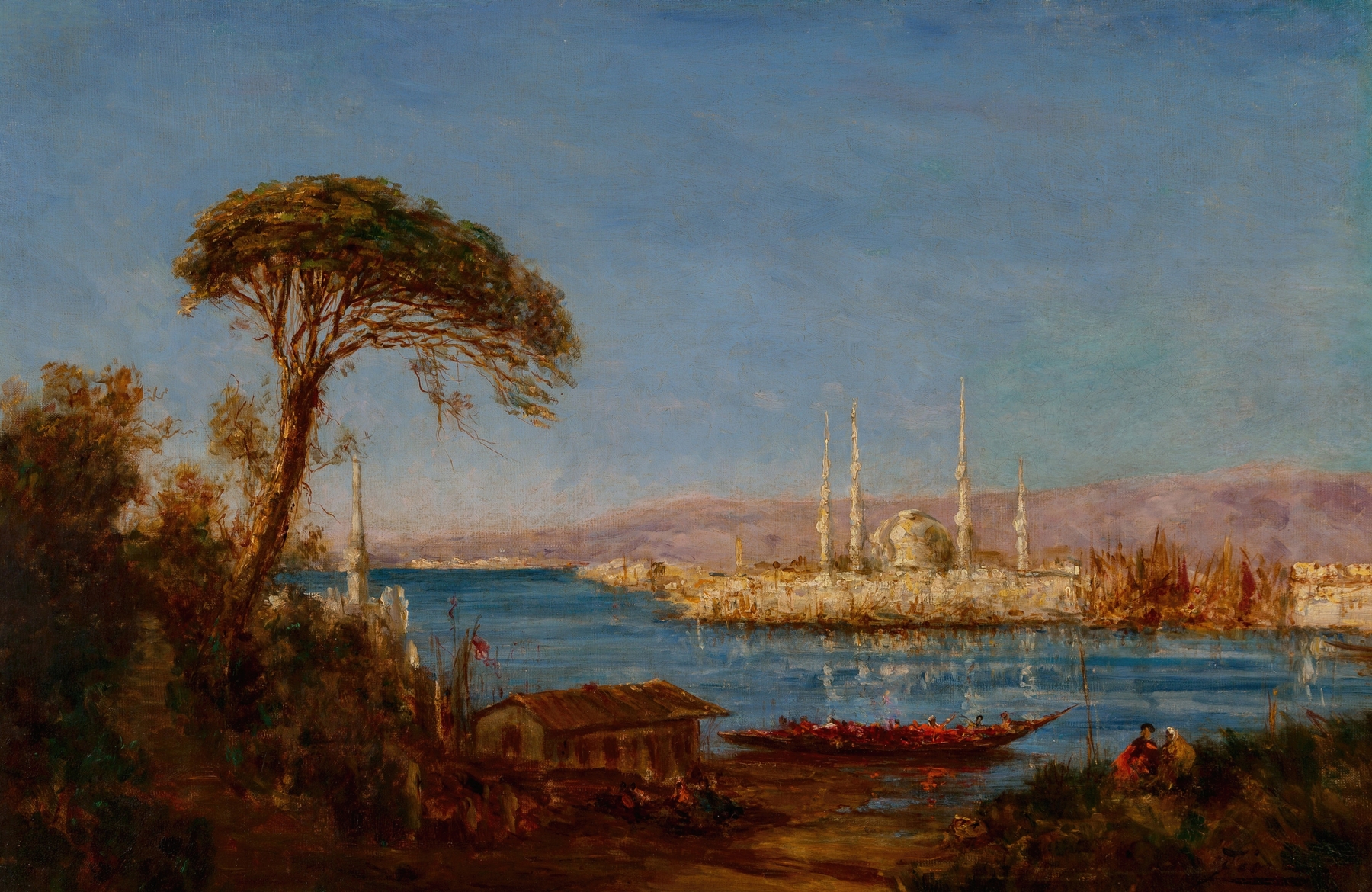
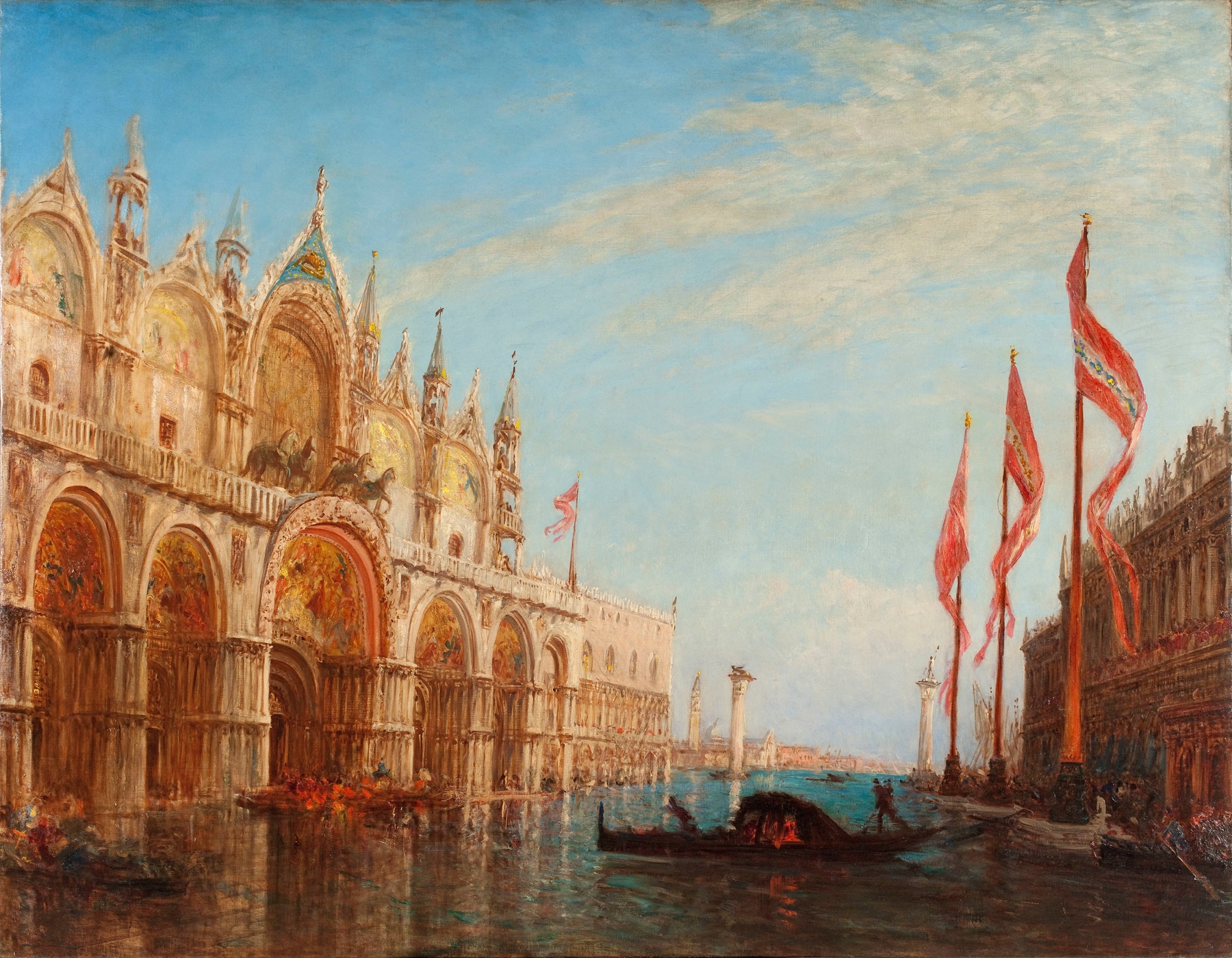
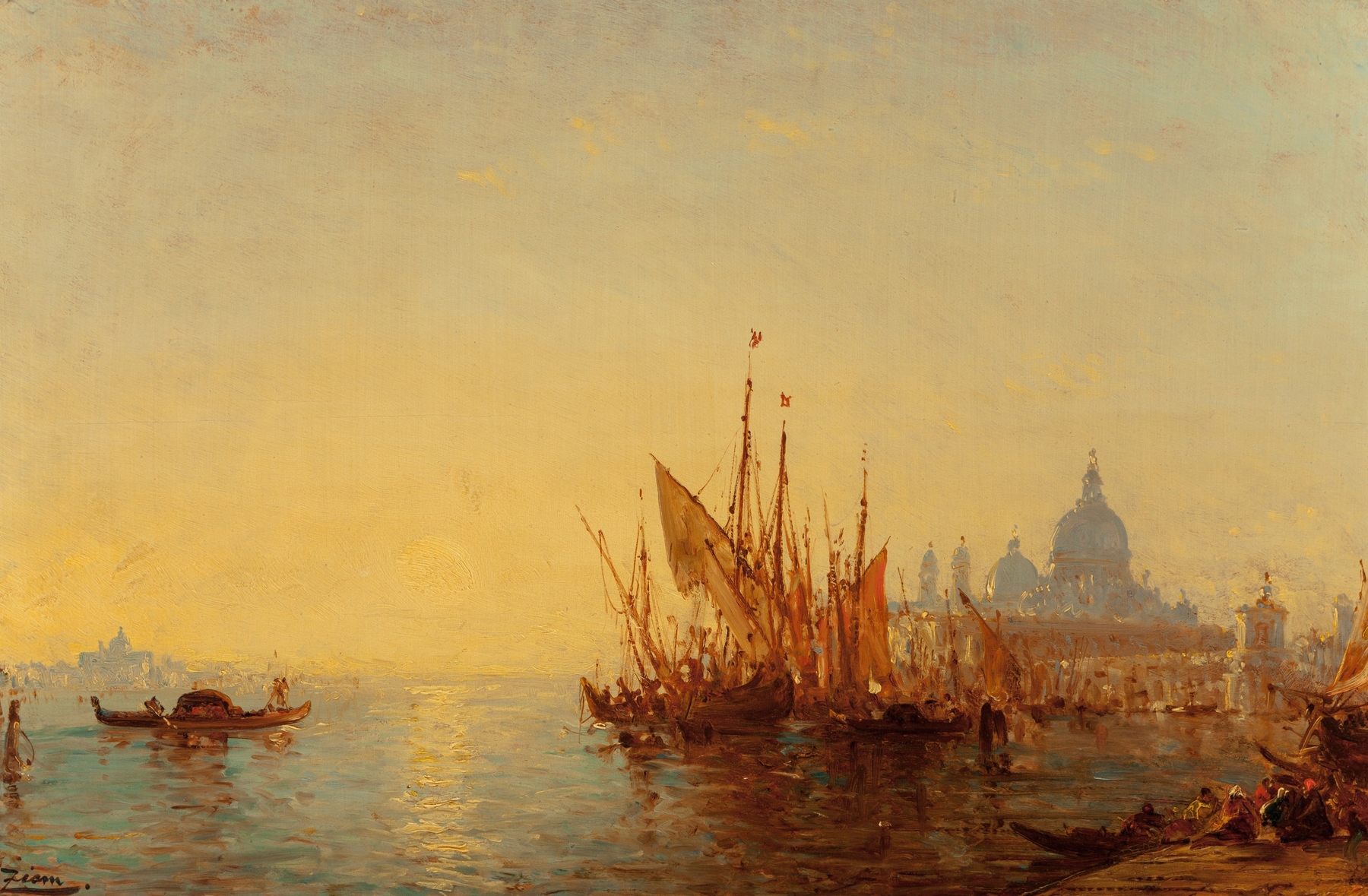
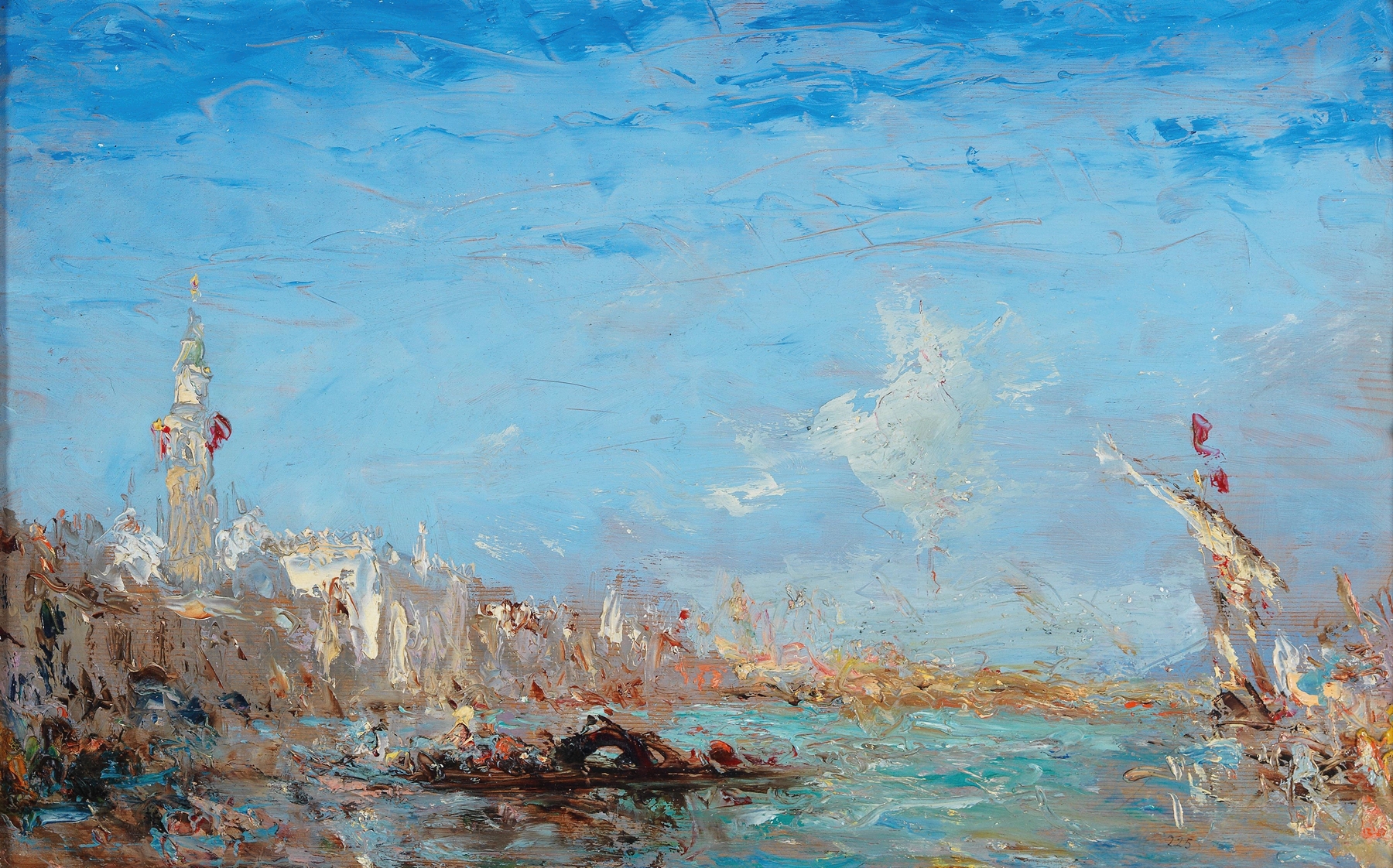
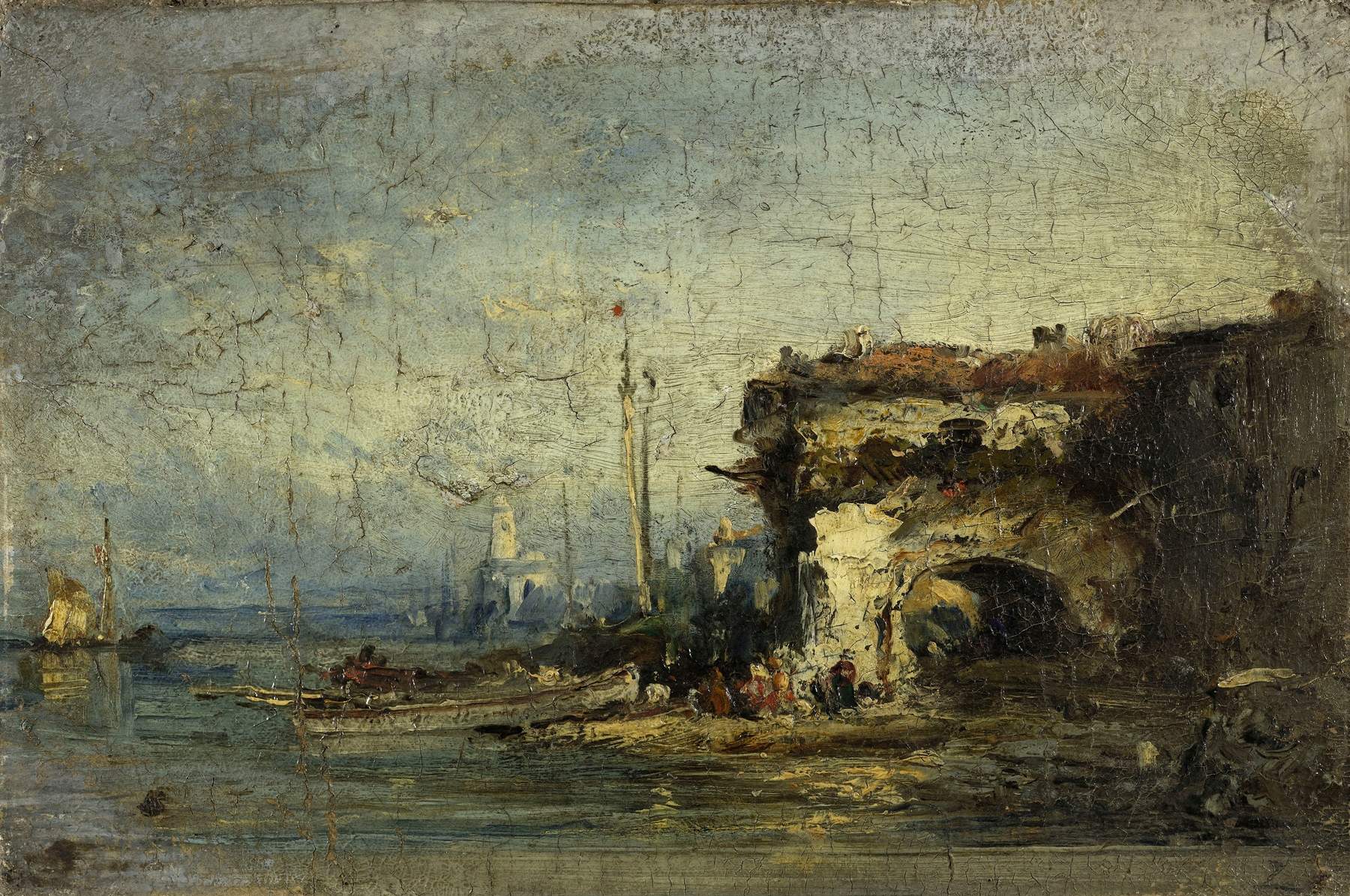
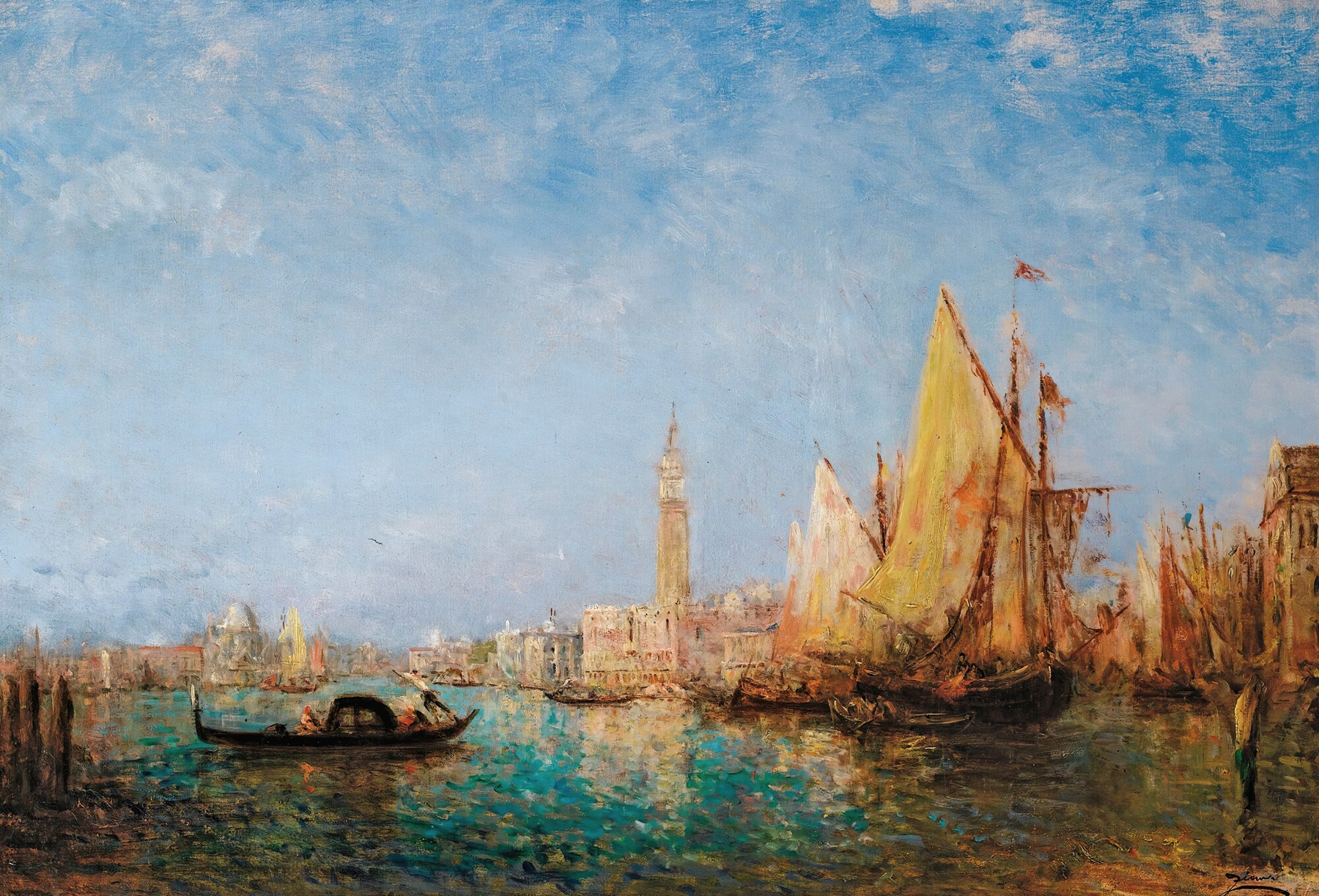
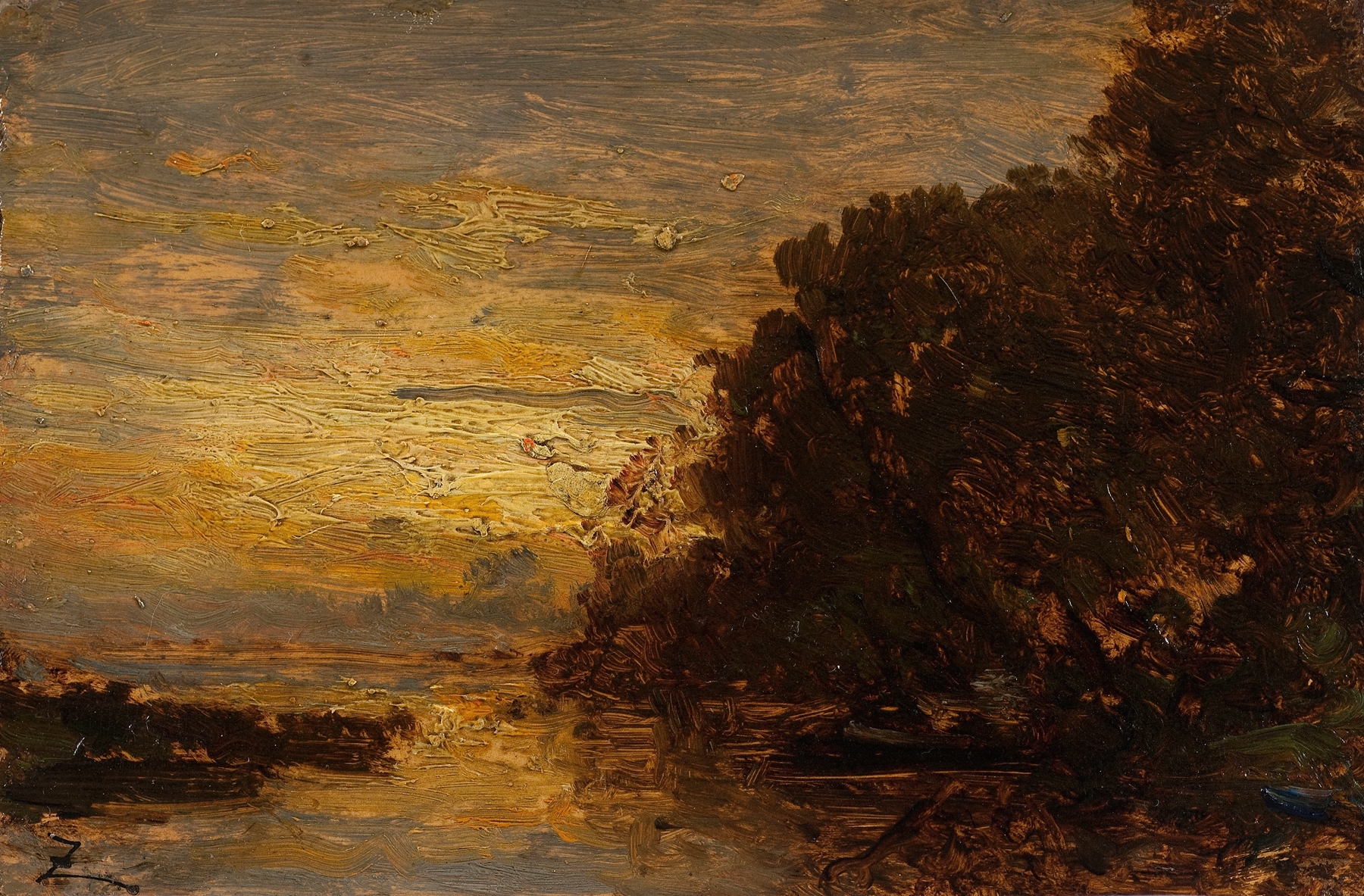
What secret hides in the quiet of the canvas? In the stillness before dusk, a world poised for rebirth captures the imagination, inviting contemplation and introspection. Look to the right at the river's gentle curve, where the evening sun spills golden light across the water's surface, creating a shimmering path that draws the eye toward the horizon. The vibrant oranges and soothing blues blend harmoniously, a delicate dance of color that evokes both tranquility and a sense of fleeting time.
The brushstrokes are fluid yet precise, imbuing the scene with a life of its own, while the reflections on the water mirror the ephemeral beauty of nature. Beneath the serene surface lies an emotional tension, a juxtaposition between the quietude of the setting and the inevitable passage of time. The darkened trees on the banks stand as sentinels of memory, hinting at stories waiting to be told, while the vibrant sky speaks of hope and new beginnings. The interplay between light and shadow suggests a duality—between stillness and movement, the present and the future—inviting the viewer to ponder the cycles of life.
In the 19th century, when this work was created, Félix Ziem was immersed in a changing world of artistic expression, embodying the transition from Romanticism to Impressionism. Having settled in Paris, he found inspiration in the landscapes along the Seine, capturing their beauty and mood at a time when artists were beginning to explore the effects of light in new ways. This canvas reflects not only his personal journey but also the broader evolution of art during a period marked by experimentation and innovation.