L’abbaye aux bois — History & Analysis
What if silence could speak through light? In L’abbaye aux bois, a tranquil moment lingers, capturing the essence of desire intertwined with stillness. Look to the left, where the soft glow of golden sunlight spills through the archways, illuminating the stonework with warmth. The gentle play of light and shadow draws your gaze across the tranquil scene, directing attention to the ivy-clad walls that whisper of time’s passage.
Notice how the artist employs a muted color palette, rich in earthy tones, inviting the viewer to feel the weight of history that rests upon the abbey. Beneath the serene surface, there’s a tension between the resilient structures and the encroaching nature. This juxtaposition reveals an unspoken longing—perhaps for solitude, contemplation, or a return to simplicity amidst the chaos of modern life. The overgrown ivy clings to the ancient stones, suggesting an intimacy that blurs the lines between man-made and natural beauty, while the sheer quietness of the scene envelops the viewer in a contemplative embrace.
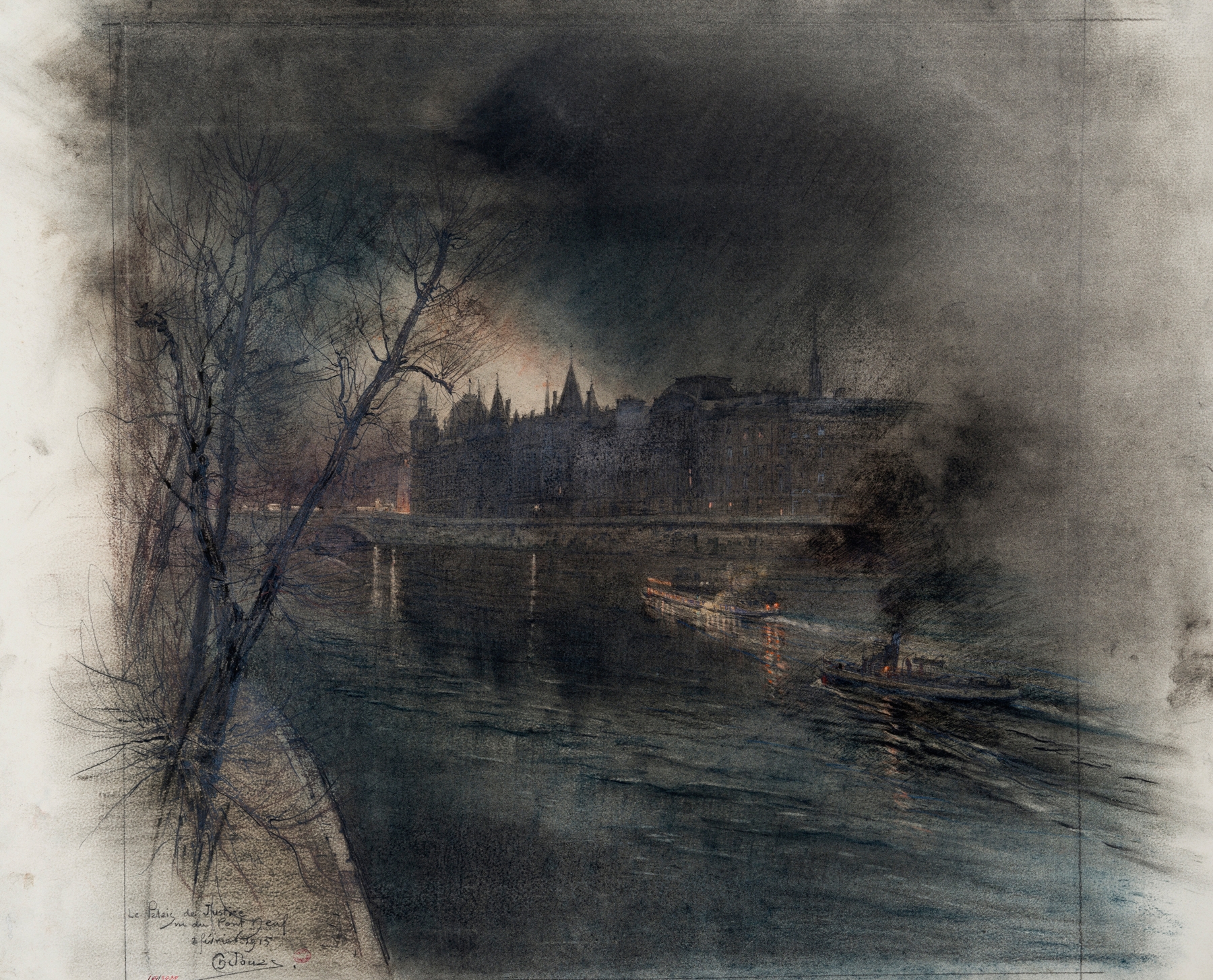
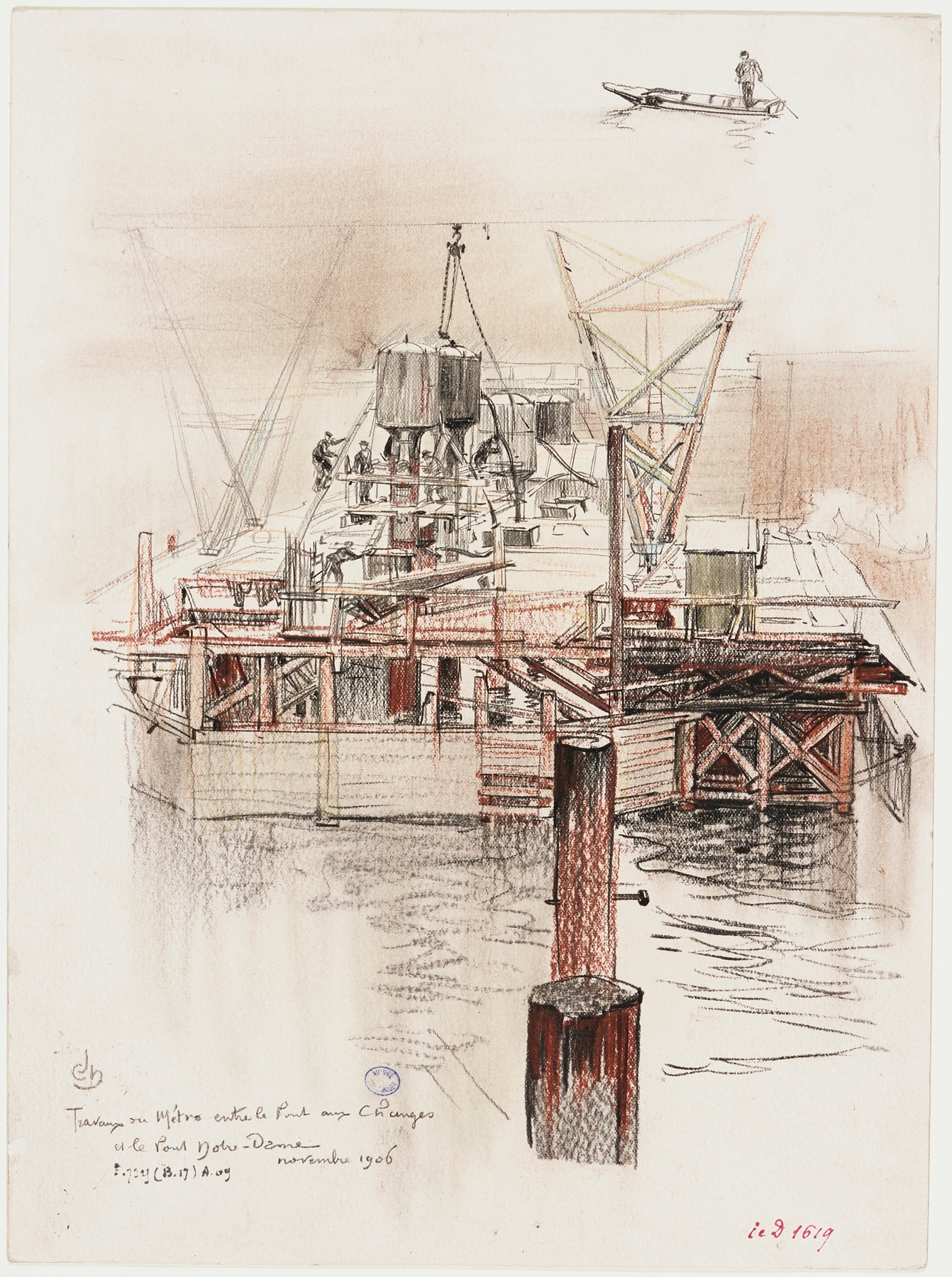
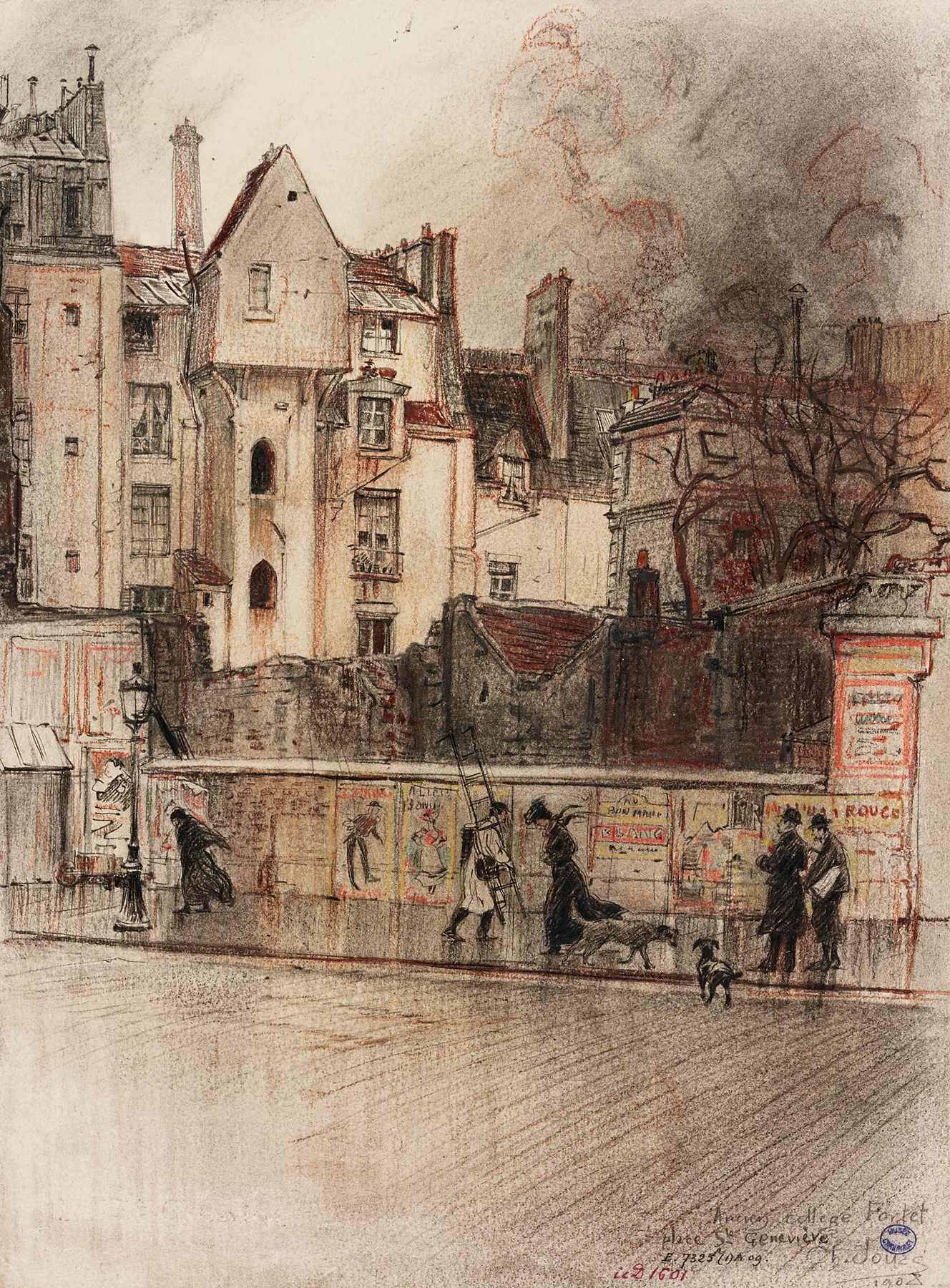
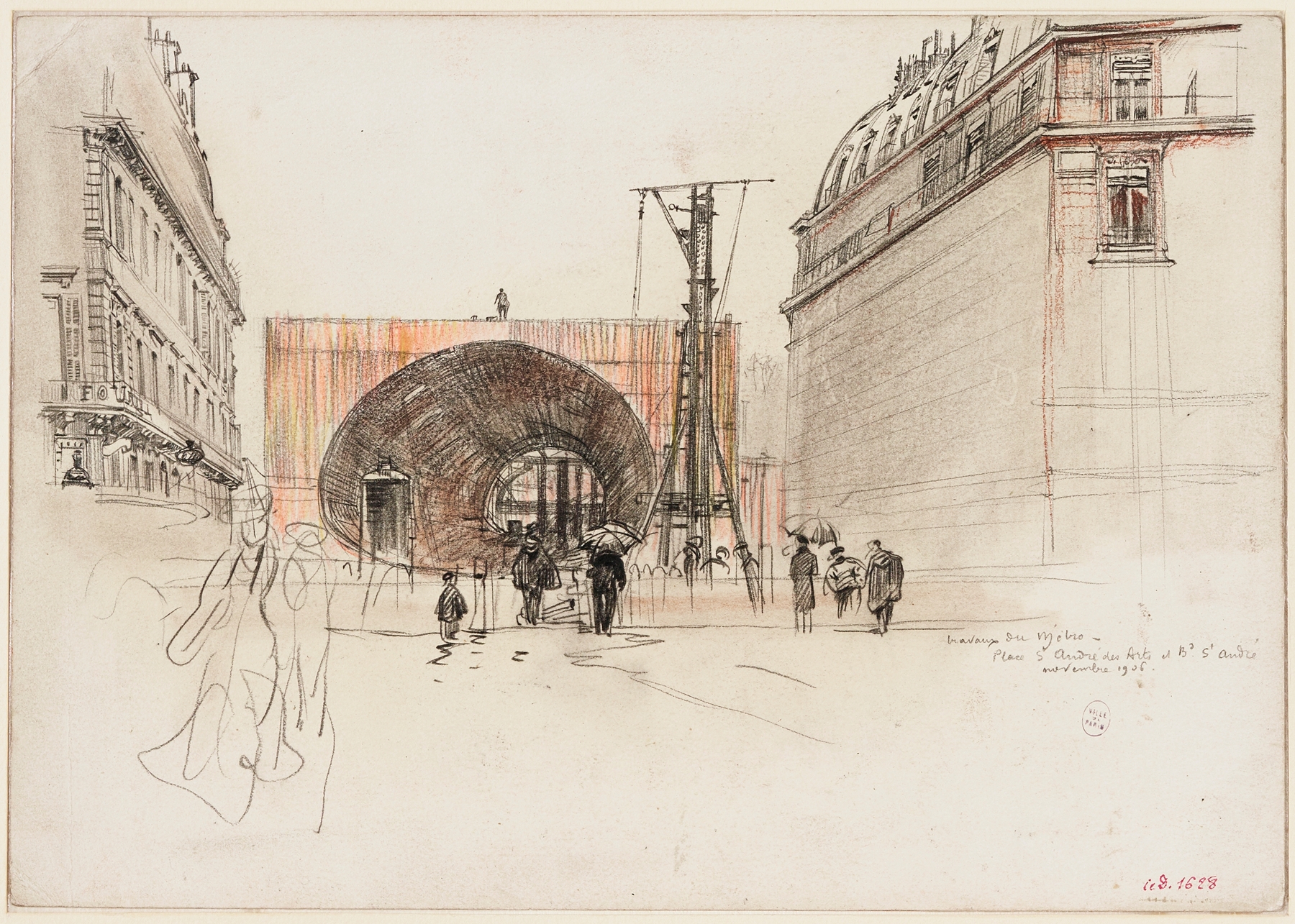
Charles Jouas painted L’abbaye aux bois in 1906, during a period marked by a movement towards Impressionism and a growing appreciation for atmospheric effects in art. Working in France, he was influenced by the changing landscapes of urbanization, yet he remained devoted to capturing the lyrical beauty of historical sites. The painting reflects both his personal exploration of light and space, and a broader cultural shift towards the appreciation of tranquility and nature in an increasingly complex world.