Lagoon near Venice — History & Analysis
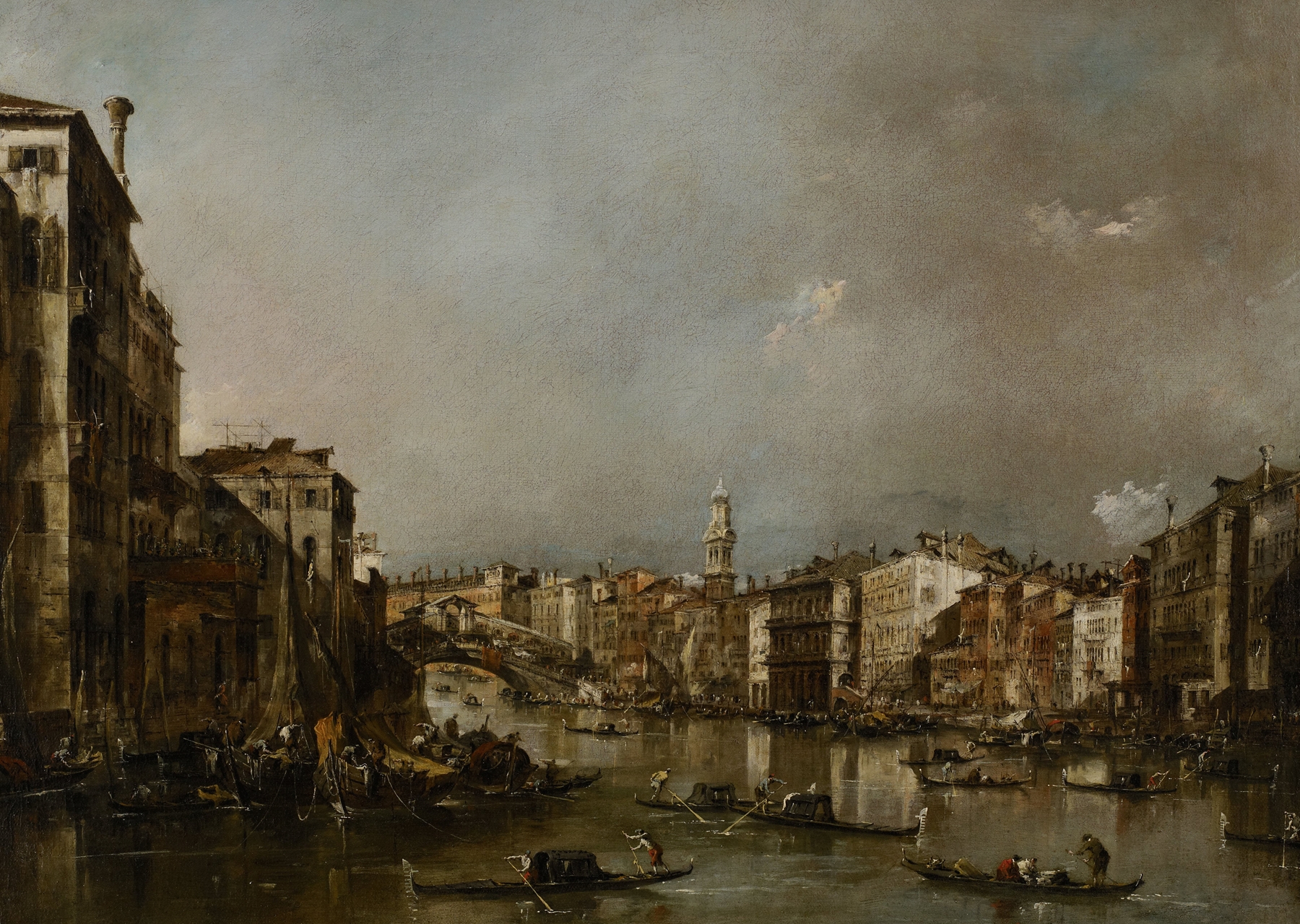
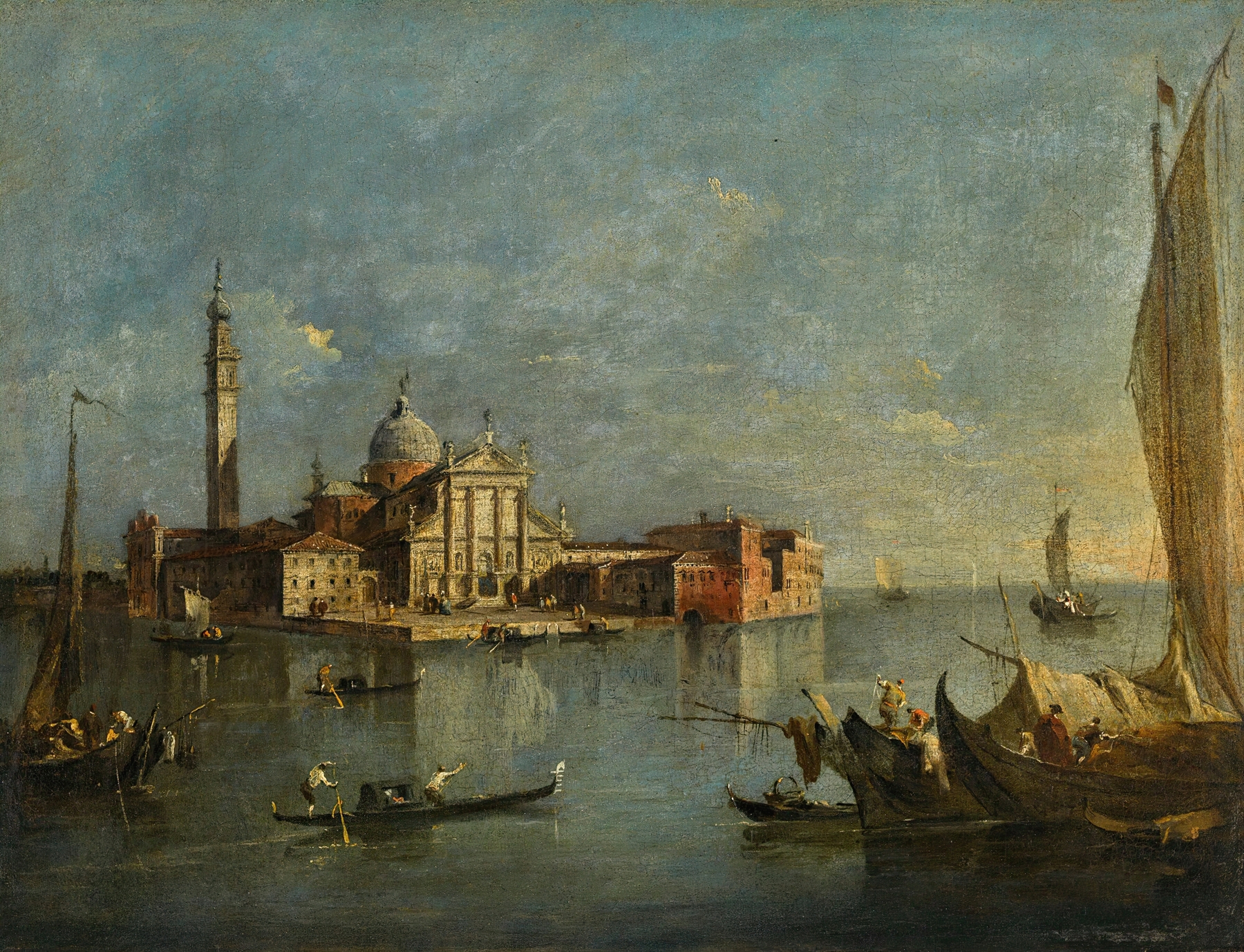
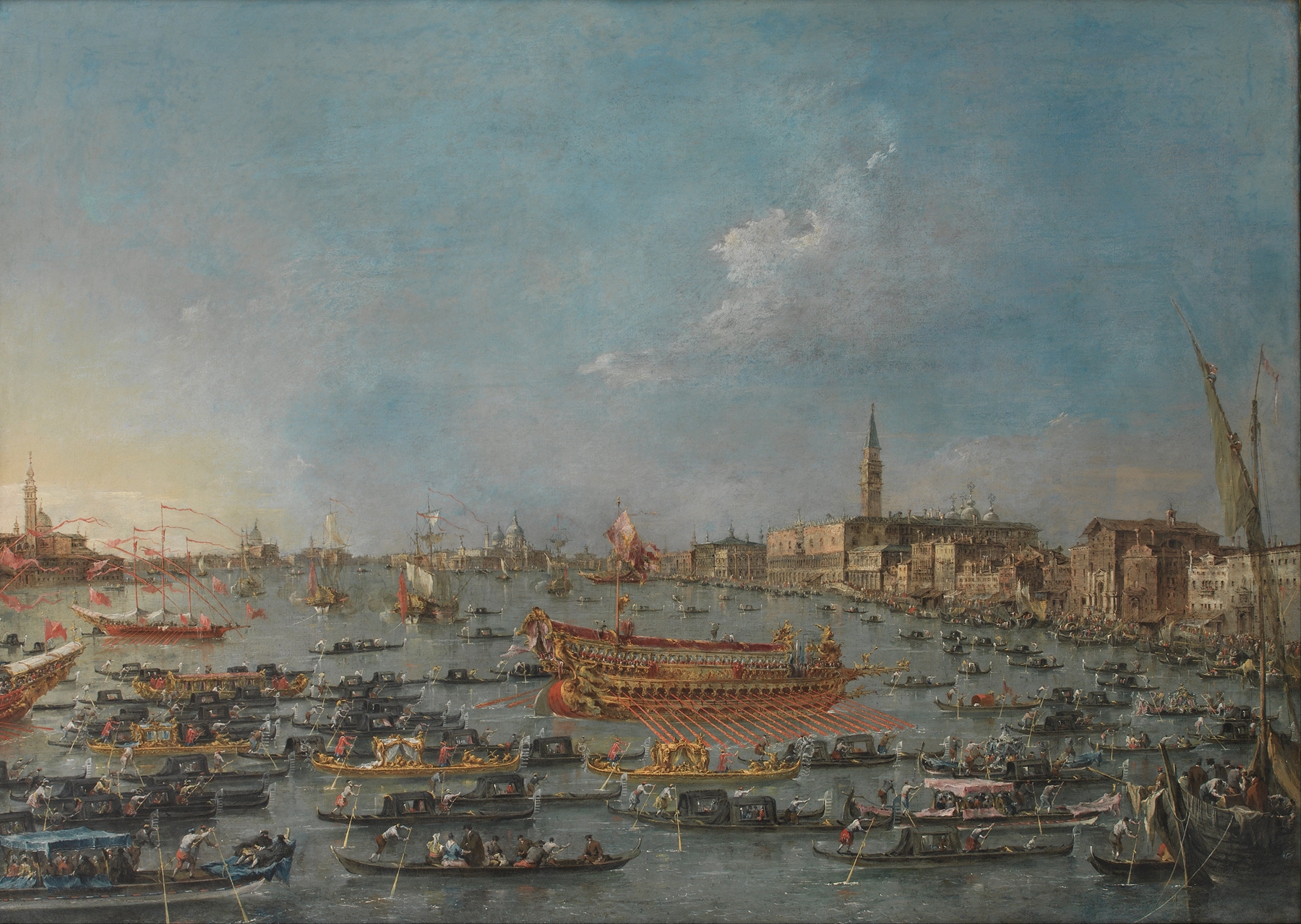
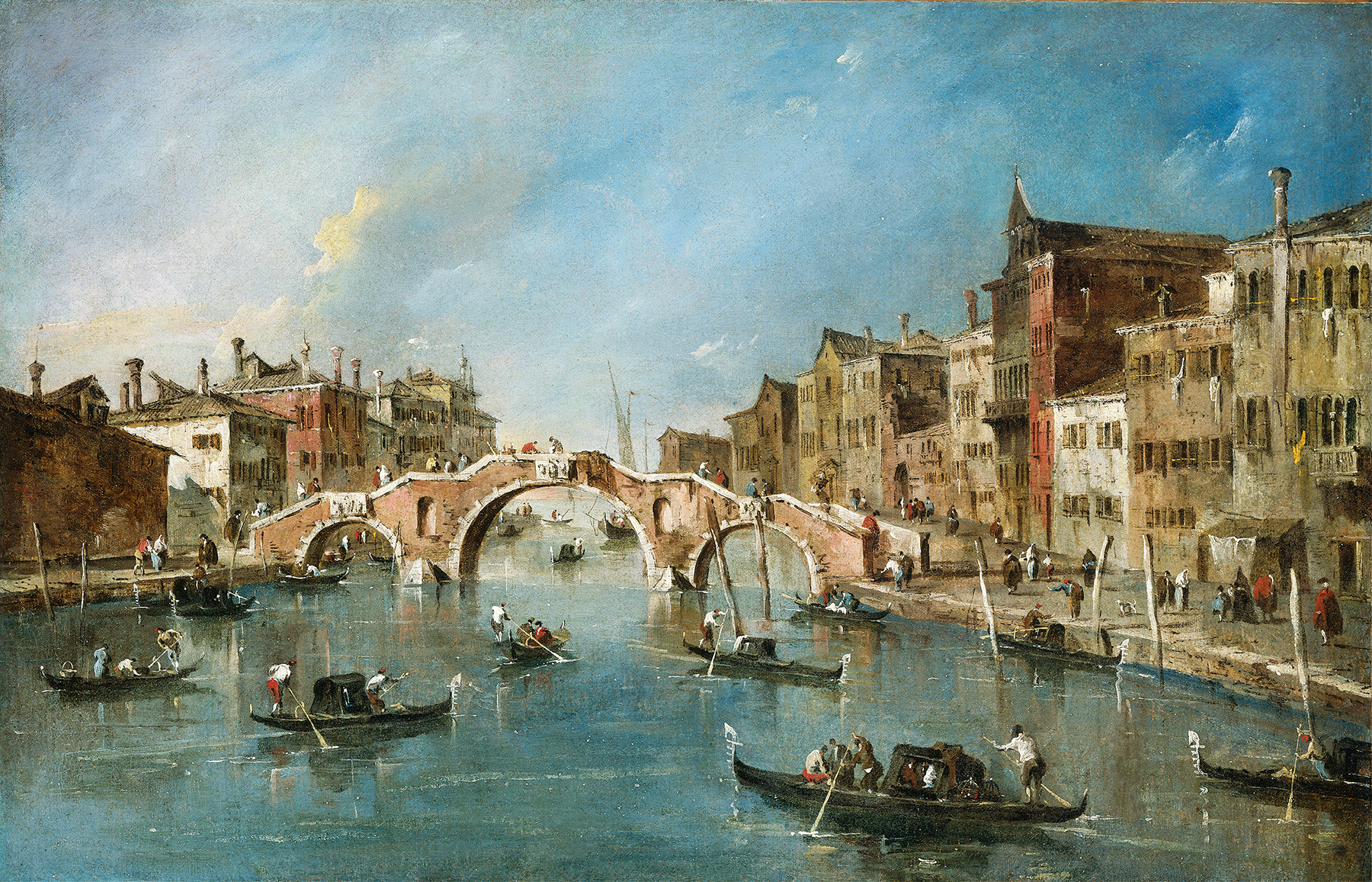
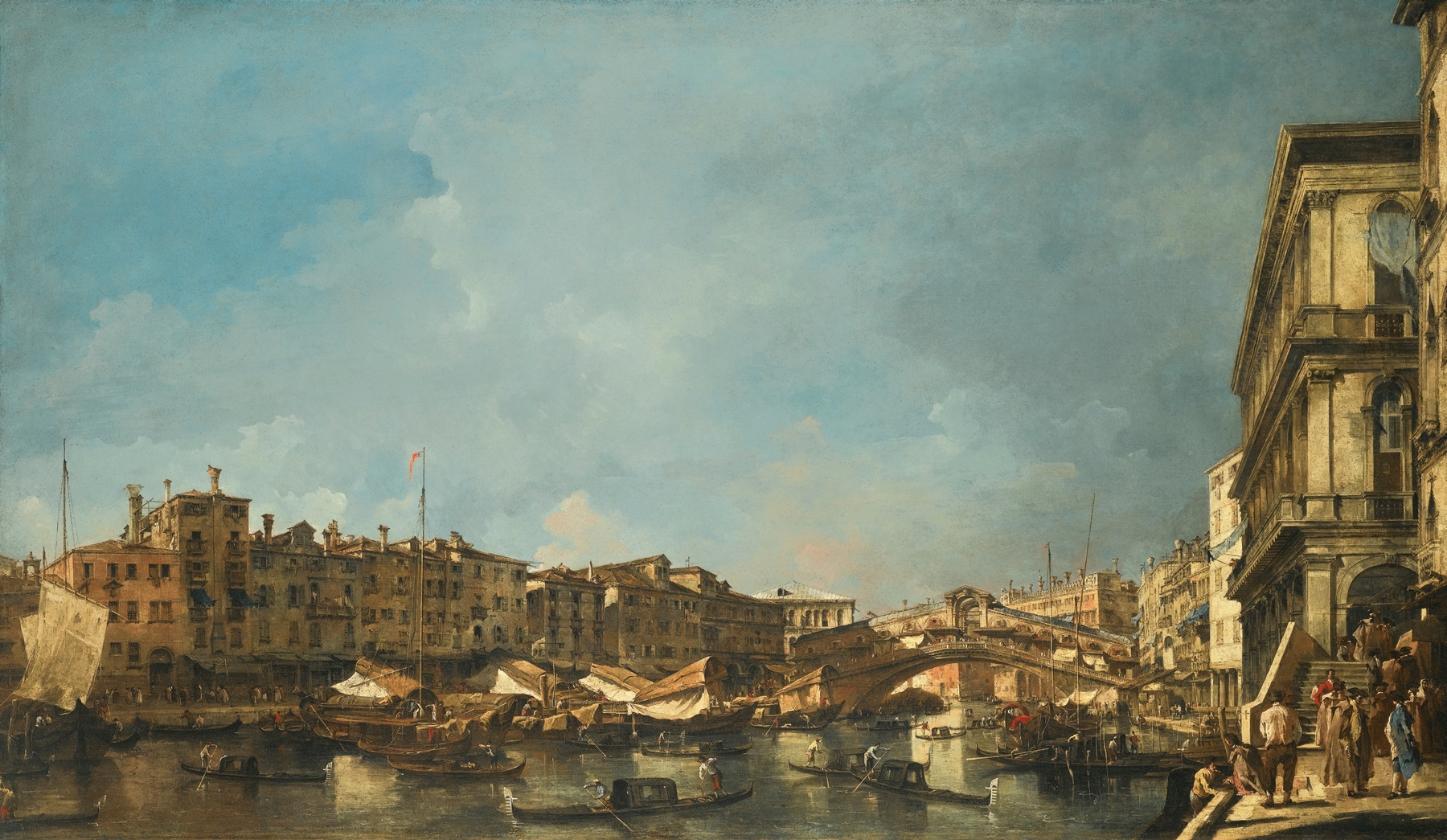
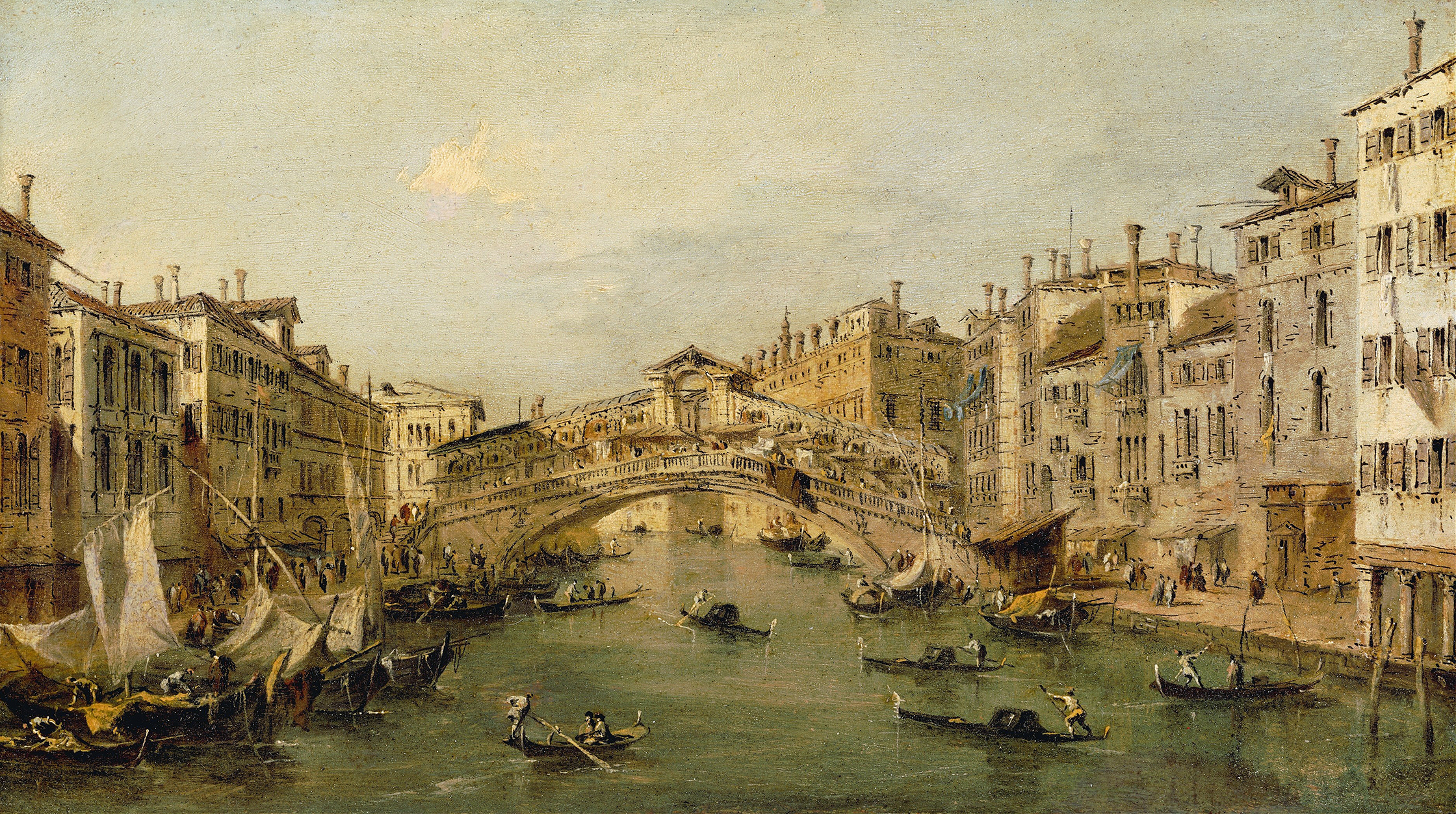
What if silence could speak through light? In Lagoon near Venice, a profound emptiness envelops the canvas, urging us to listen to the whispers of nature. Look to the left at the delicate wash of blues and greens that merge seamlessly, suggesting the tranquil waters of the lagoon. Notice how the light spills gently across the surface, casting reflections that shimmer with a ghostly elegance. The composition is infused with a soft luminosity, where wisps of clouds float above, and the distant silhouettes of buildings create a sense of serene isolation.
Each brushstroke conveys a fleeting moment, inviting contemplation of Venice’s ethereal beauty. Beneath the surface lies a tension between presence and absence. The sparse figures on the water remind us of fleeting life, dwarfed by the vastness surrounding them. This emptiness resonates deeply, evoking feelings of solitude and introspection, while the gentle lapping of water seems to echo the unfulfilled desires of the viewer's own heart.
The interplay between light and shadow becomes a metaphor for existence itself—illuminating yet elusive. Francesco Guardi painted this work between 1740 and 1800, during a time when Venice was experiencing decline yet still held an irresistible charm. As a prominent figure in the Venetian school, Guardi harnessed the romantic essence of his city, capturing its landscapes with a fresh and spontaneous approach. This period marked a transition in art, as artists began to explore personal expression over rigid forms, positioning Guardi as an essential precursor to the Romantic movement.