Lake George — History & Analysis
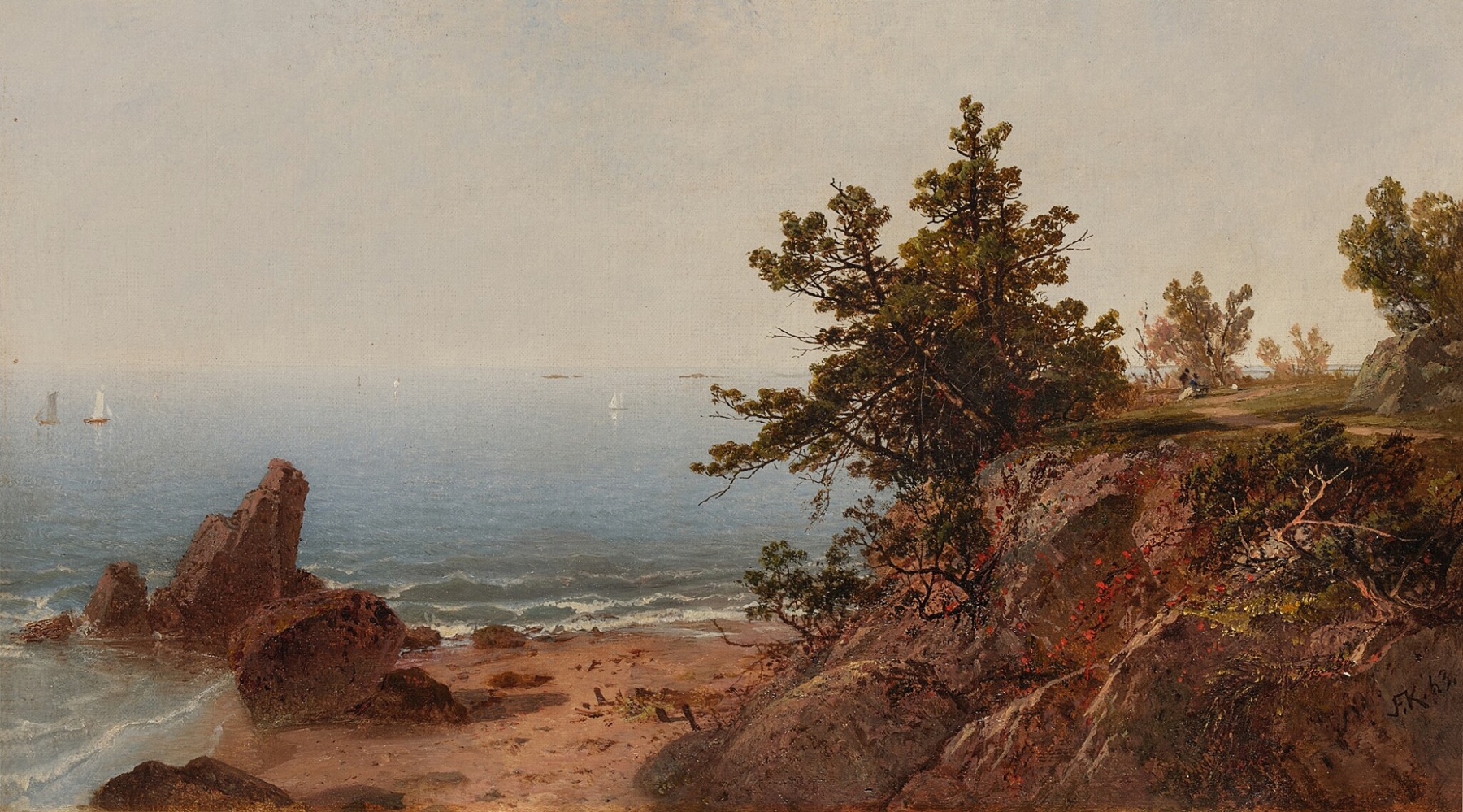
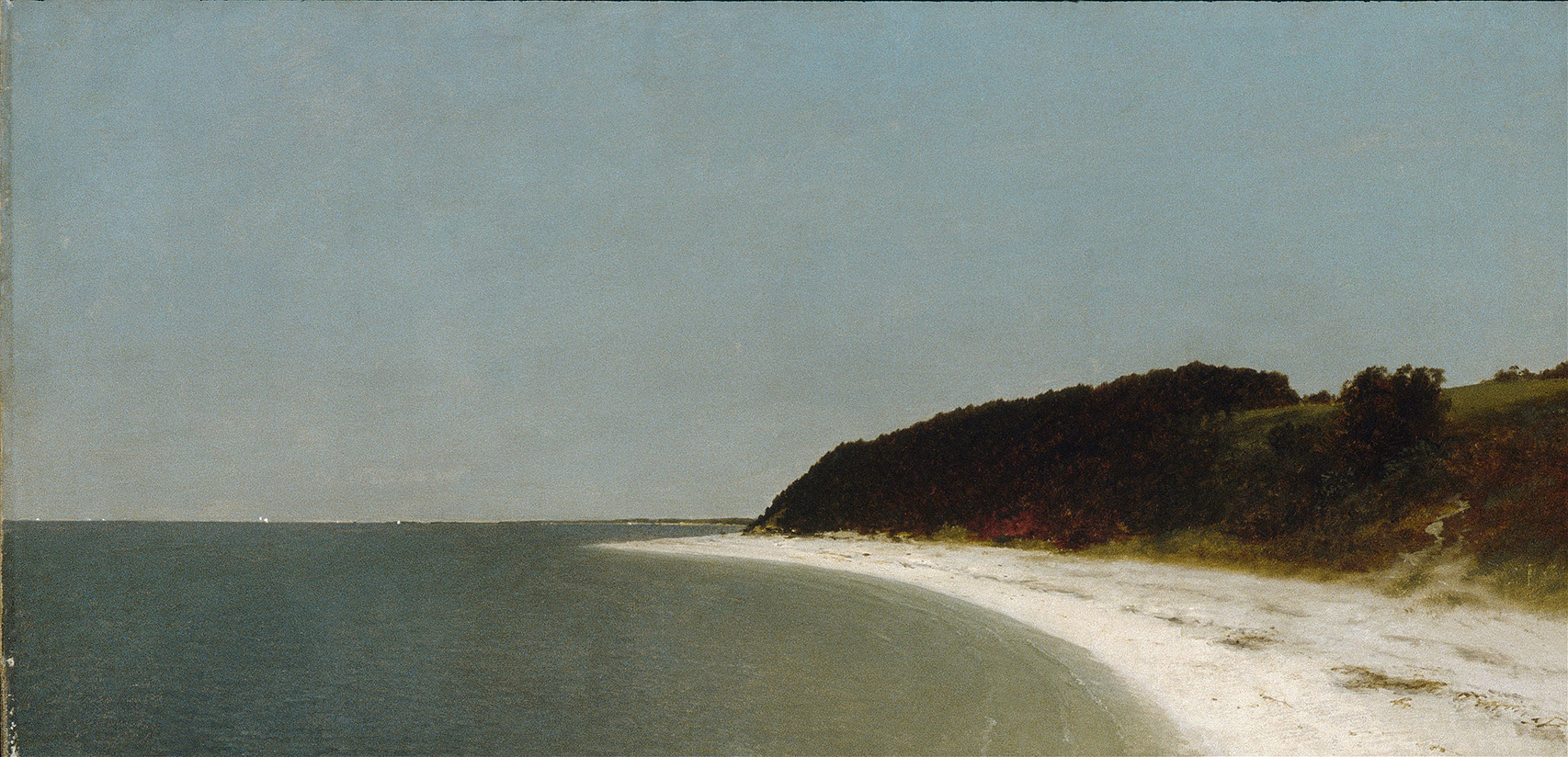
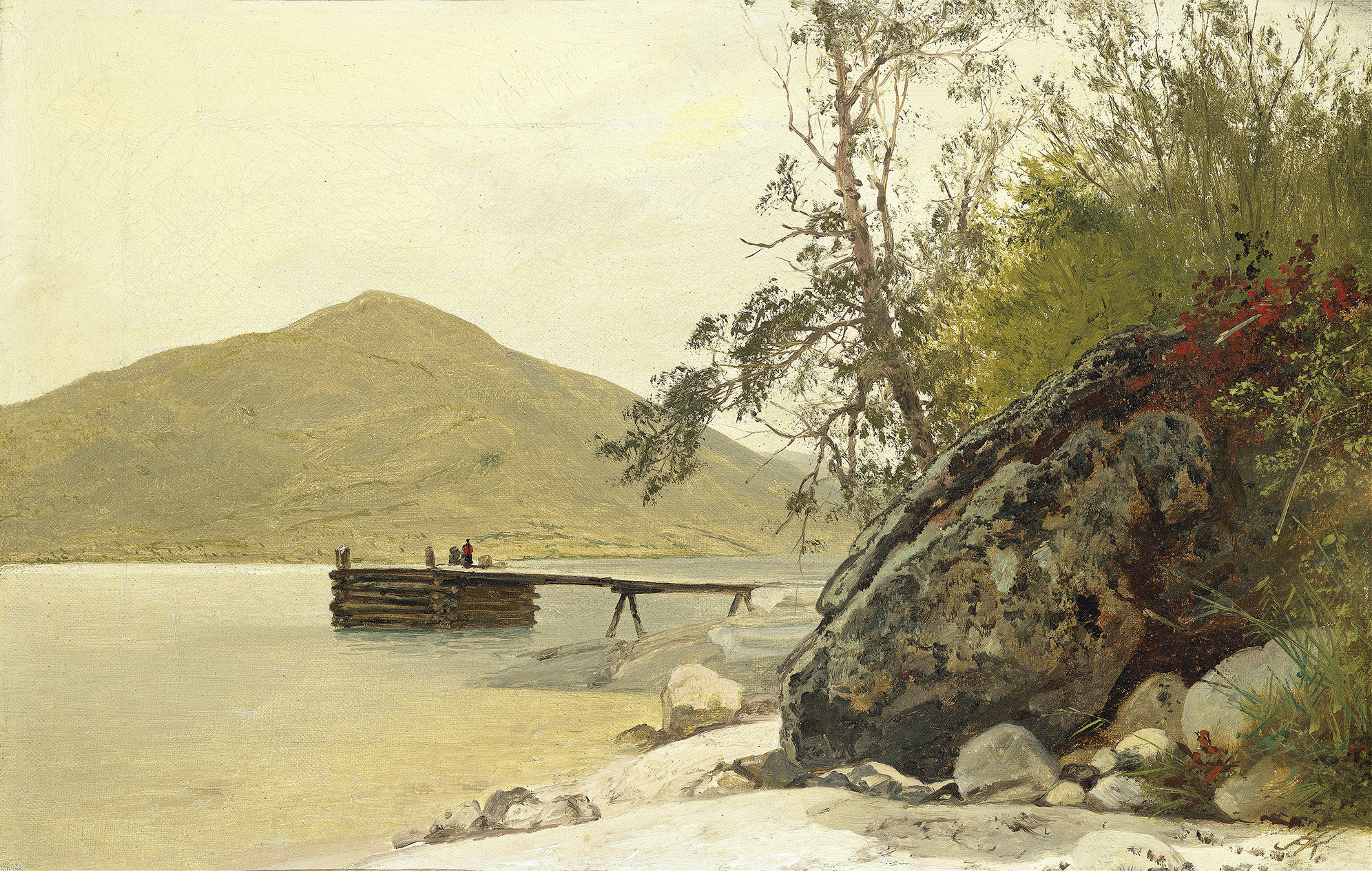
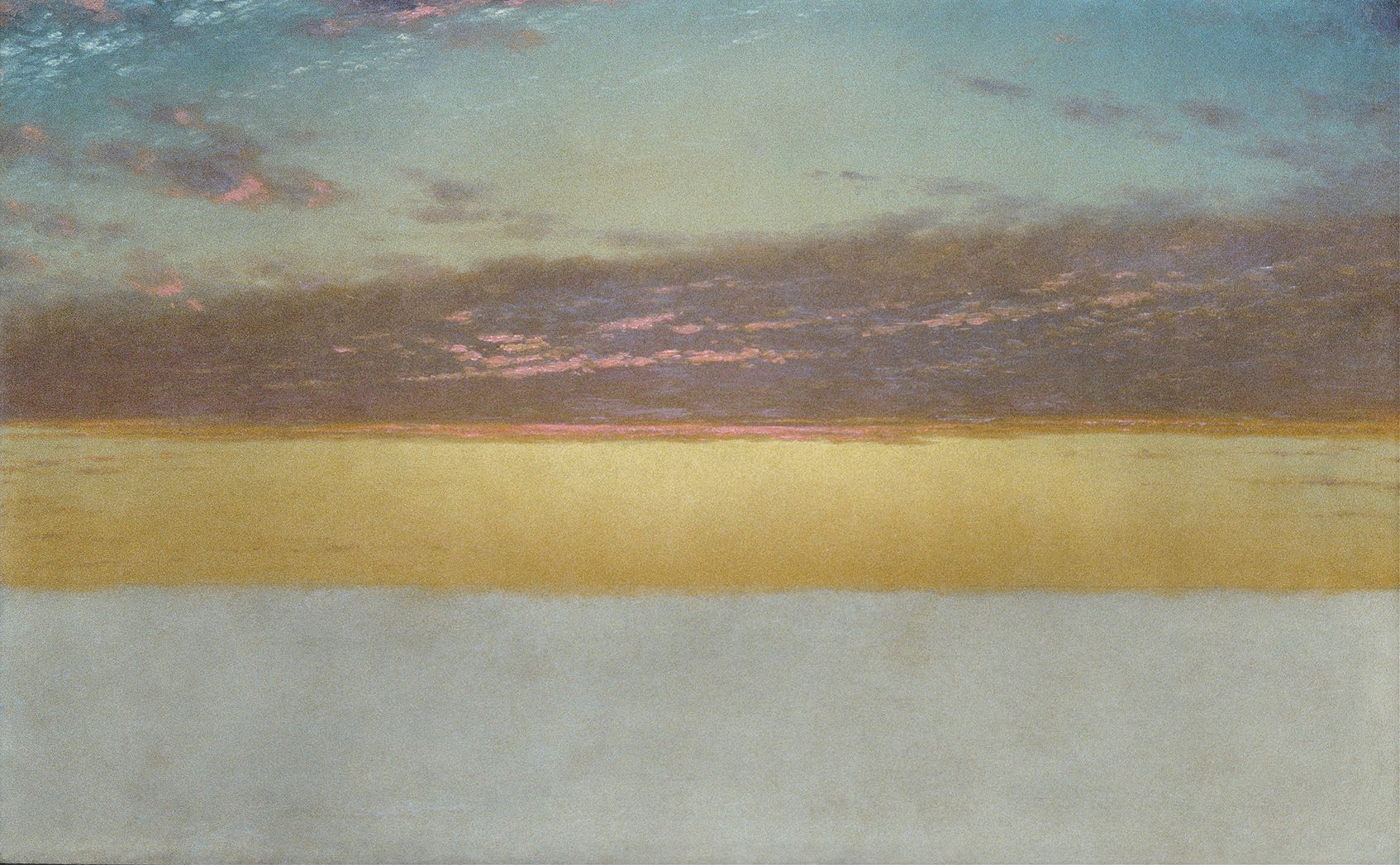
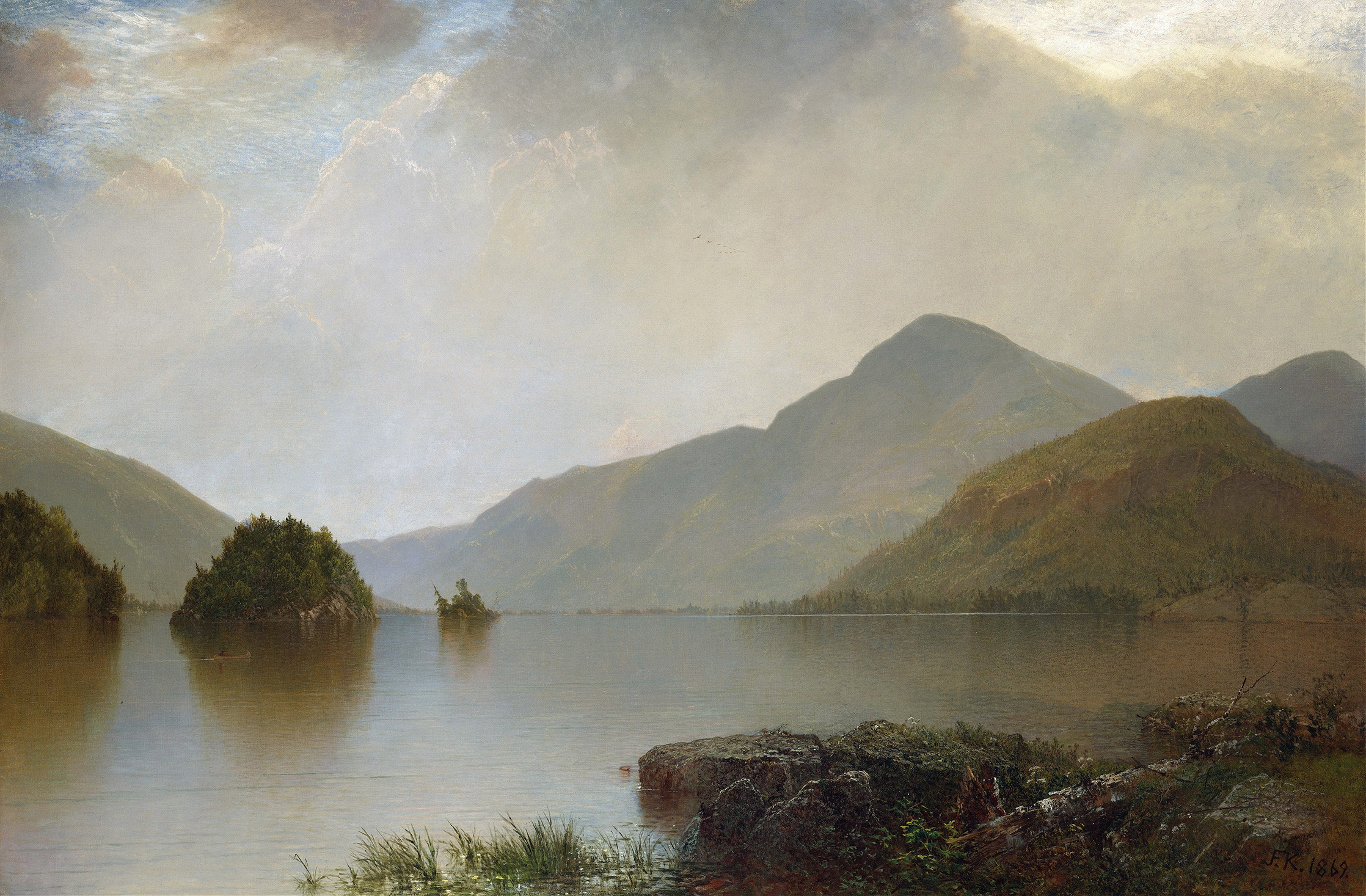
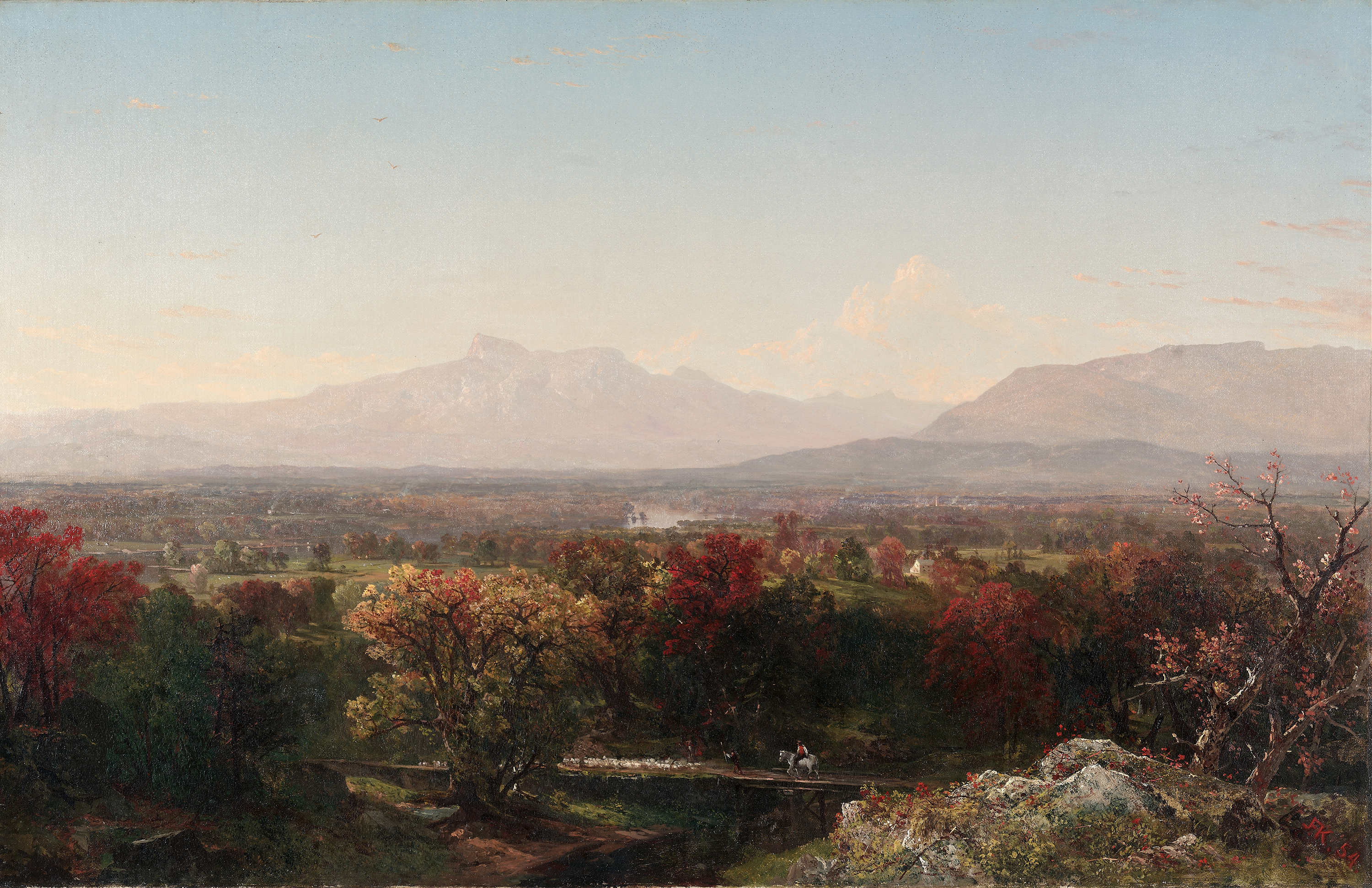
“Sometimes beauty is just pain, disguised in gold.” This sentiment echoes through the serene waters of an untroubled lake, hiding depths of unease beneath a surface of shimmering beauty. Look to the center where the calm expanse of Lake George stretches out, reflecting the soft blues and gentle whites of the sky above. The composition draws your eye to the distant mountains, their rugged outlines softened by a delicate veil of ethereal light. The artist’s deft brushwork captures a moment where time seems suspended, and the harmonious palette evokes both tranquility and an undercurrent of fear, as the viewer is left to wonder what lies beyond the idyllic surface.
Yet, amidst the tranquility, there is an unsettling contradiction. The vibrant hues suggest warmth and solace, but the looming shadows in the mountains hint at danger and the unknown. Each stroke carries a tension—a sense that such beauty could be deceptive, possibly masking deeper anxieties about nature's power. The interplay of light and shadow engenders a haunting realization that serenity can coexist with fear, leaving viewers contemplative about the duality of existence.
John Frederick Kensett painted this work in 1865, a significant period marked by the aftermath of the American Civil War. Living in a world grappling with the scars of conflict, he sought solace in the beauty of the American landscape. His commitment to capturing the sublime was not just a personal pursuit but part of a broader movement within the Hudson River School, which aimed to reconcile the experiences of a tumultuous society with the awe-inspiring beauty of the natural world.