
View from the Cliff (Noon on the Seashore) — History & Facts
In the stillness of contemplation, the depths of human yearning emerge through the brushstrokes of a landscape, inviting us to ponder our place within nature’s vastness. Focus first on the horizon line, where the sky merges seamlessly with the ocean, a testament to the artist's mastery of color blending. The azure expanse above transitions from deep cerulean to soft pastels, suggesting a tranquil midday sky, while the water below reflects this harmony, shimmering with hints of white and silver. Notice how the rocky cliff, with its earthy browns and greens, juts out into the sea, grounding the viewer in a tangible reality amidst the ethereal beauty surrounding it. Delve deeper into the contrasting elements of solidity and fluidity present in this painting.
The robust cliff face, rugged and textured, symbolizes steadfastness, while the gentle waves lapping at its base evoke the transient nature of time and emotion. This juxtaposition captures a poignant sense of yearning—an invitation to stand at the precipice of existence, contemplating both the eternal and the ephemeral. In 1863, while creating this work, the artist found himself ensconced in the burgeoning movement of American landscape painting, a period defined by a growing appreciation for nature's sublime beauty. Kensett painted during a time when the United States was embroiled in civil conflict, infusing his landscapes with a sense of peace and introspection that stood in stark contrast to the turmoil of the world outside.
More Artworks by John Frederick Kensett
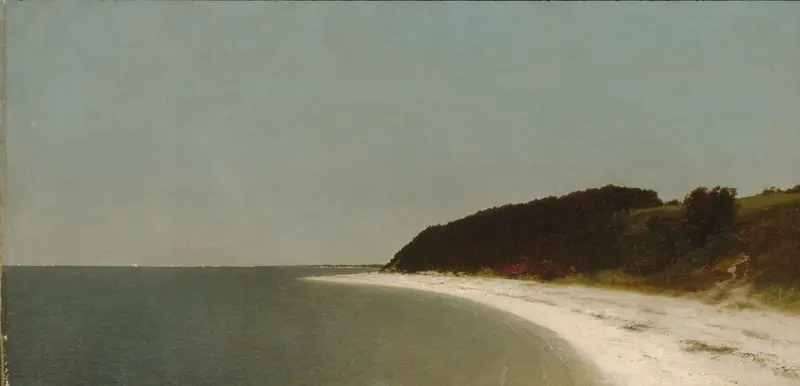
Eaton’s Neck, Long Island
John Frederick Kensett
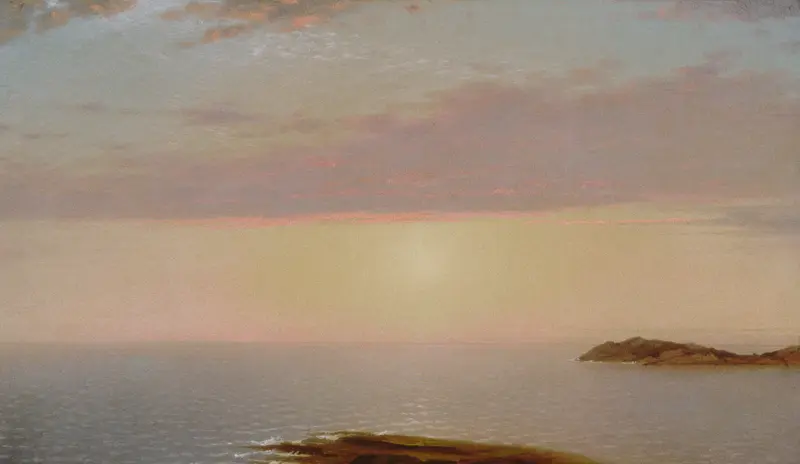
Sunset
John Frederick Kensett
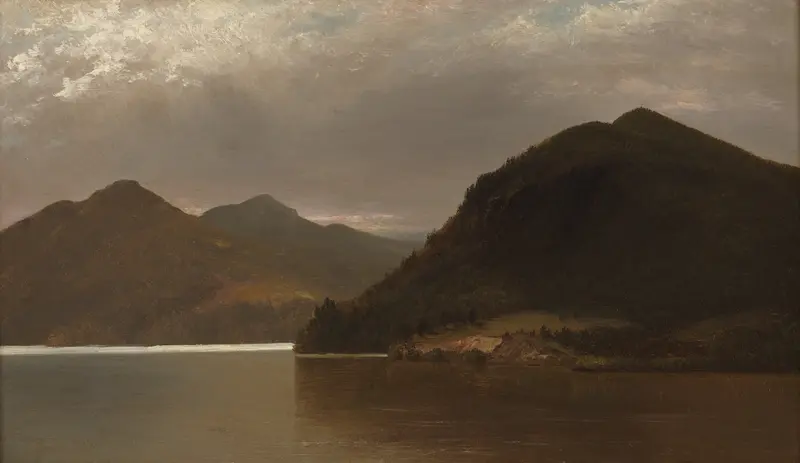
Lake George
John Frederick Kensett
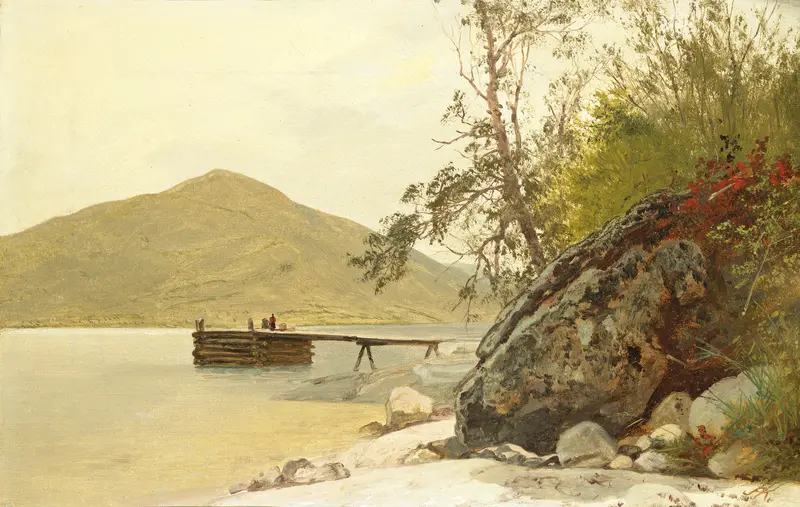
Landing at Sabbath Day Point
John Frederick Kensett
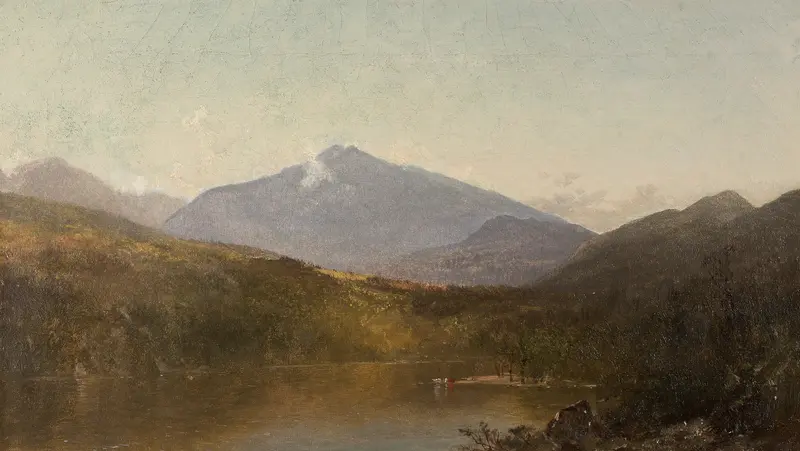
White Mountains from Shelburne, NH
John Frederick Kensett
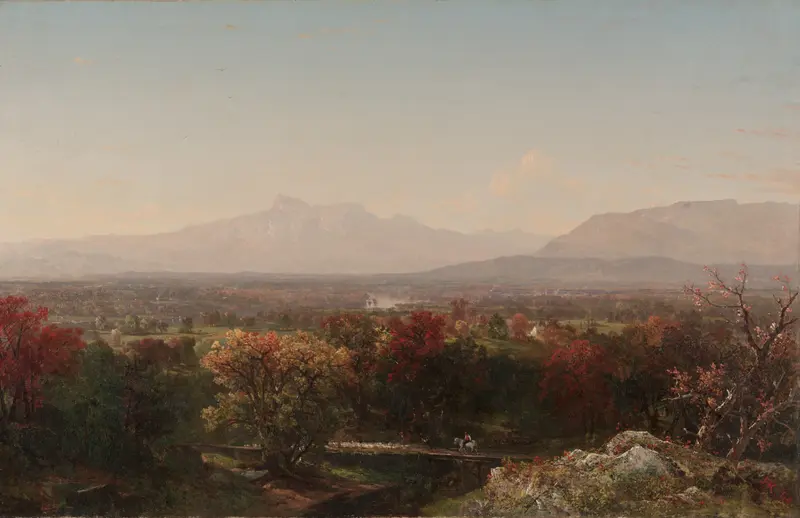
An October Day in the White Mountains
John Frederick Kensett
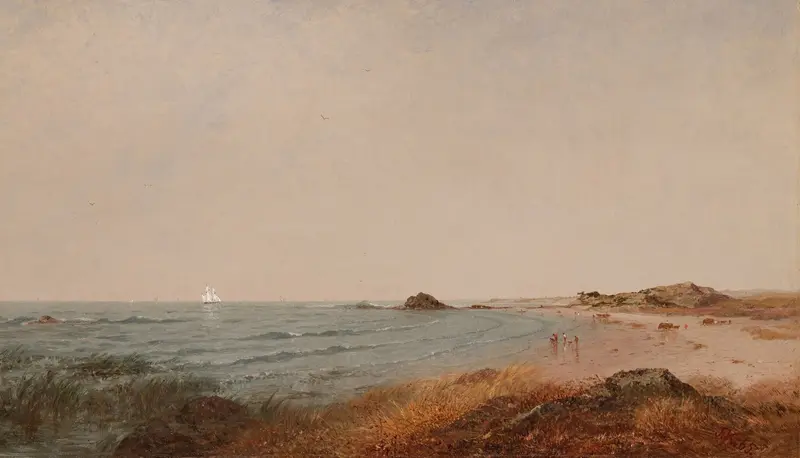
Beverly Beach, Massachusetts
John Frederick Kensett
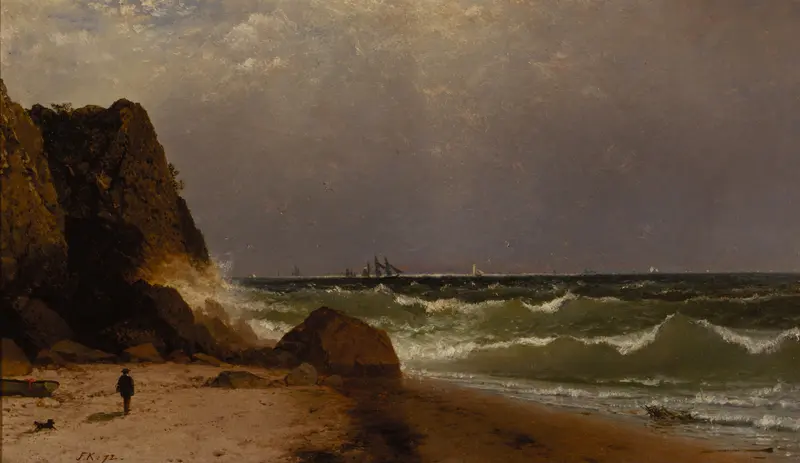
Near Newport, Rhode Island
John Frederick Kensett

Rocky Coast
John Frederick Kensett

Sunset Sky
John Frederick Kensett





