Near Newport, Rhode Island — History & Analysis
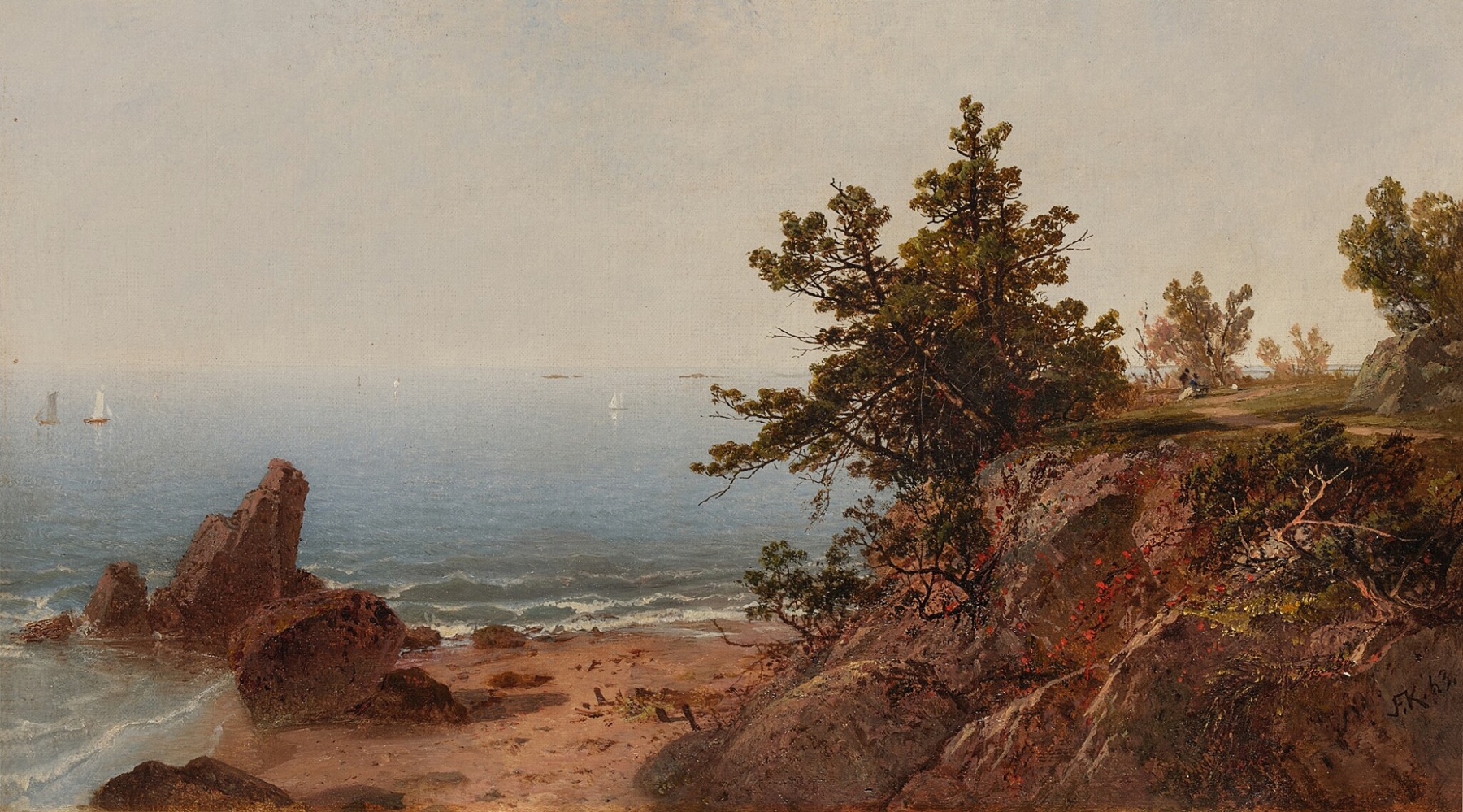
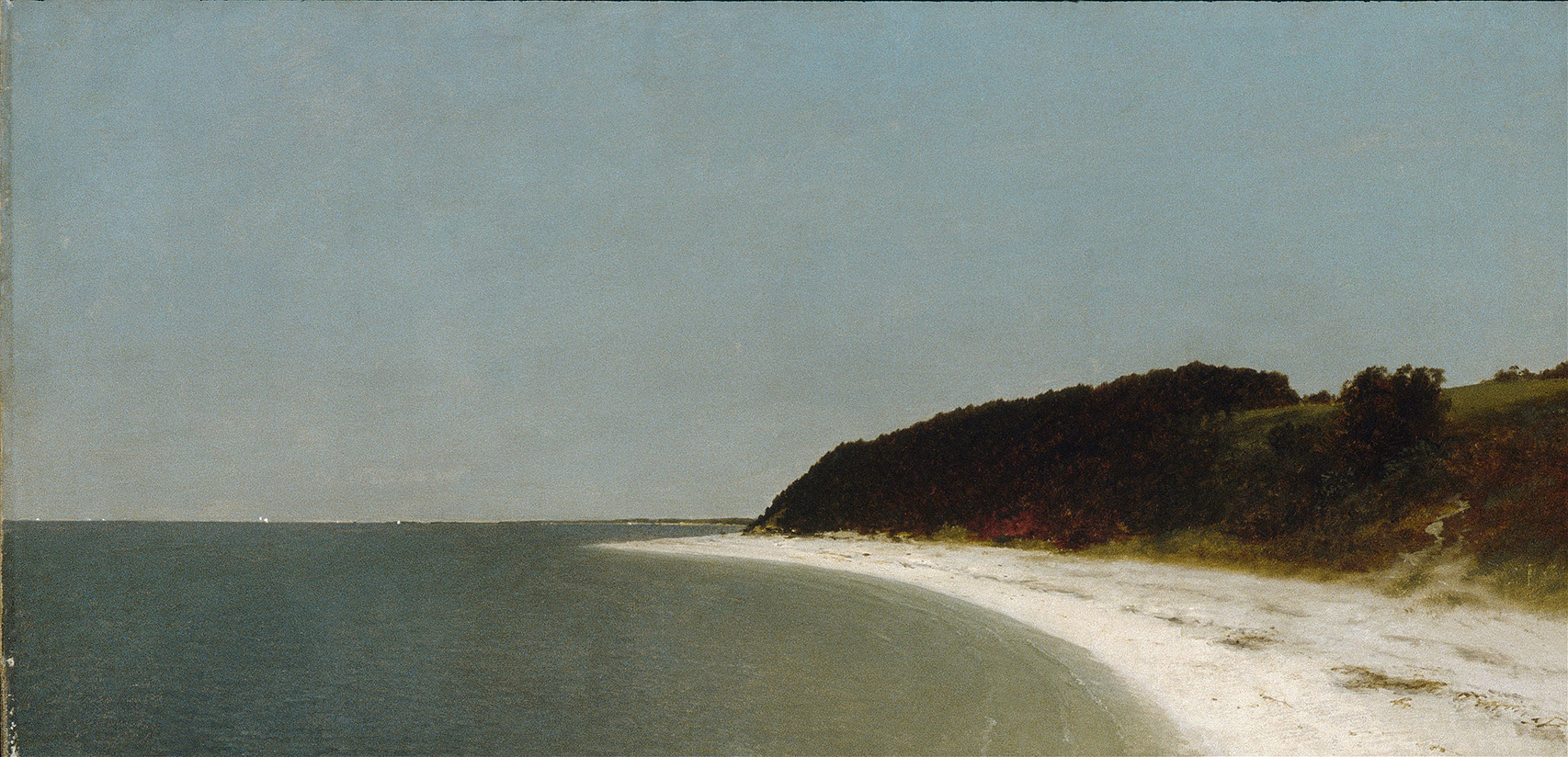
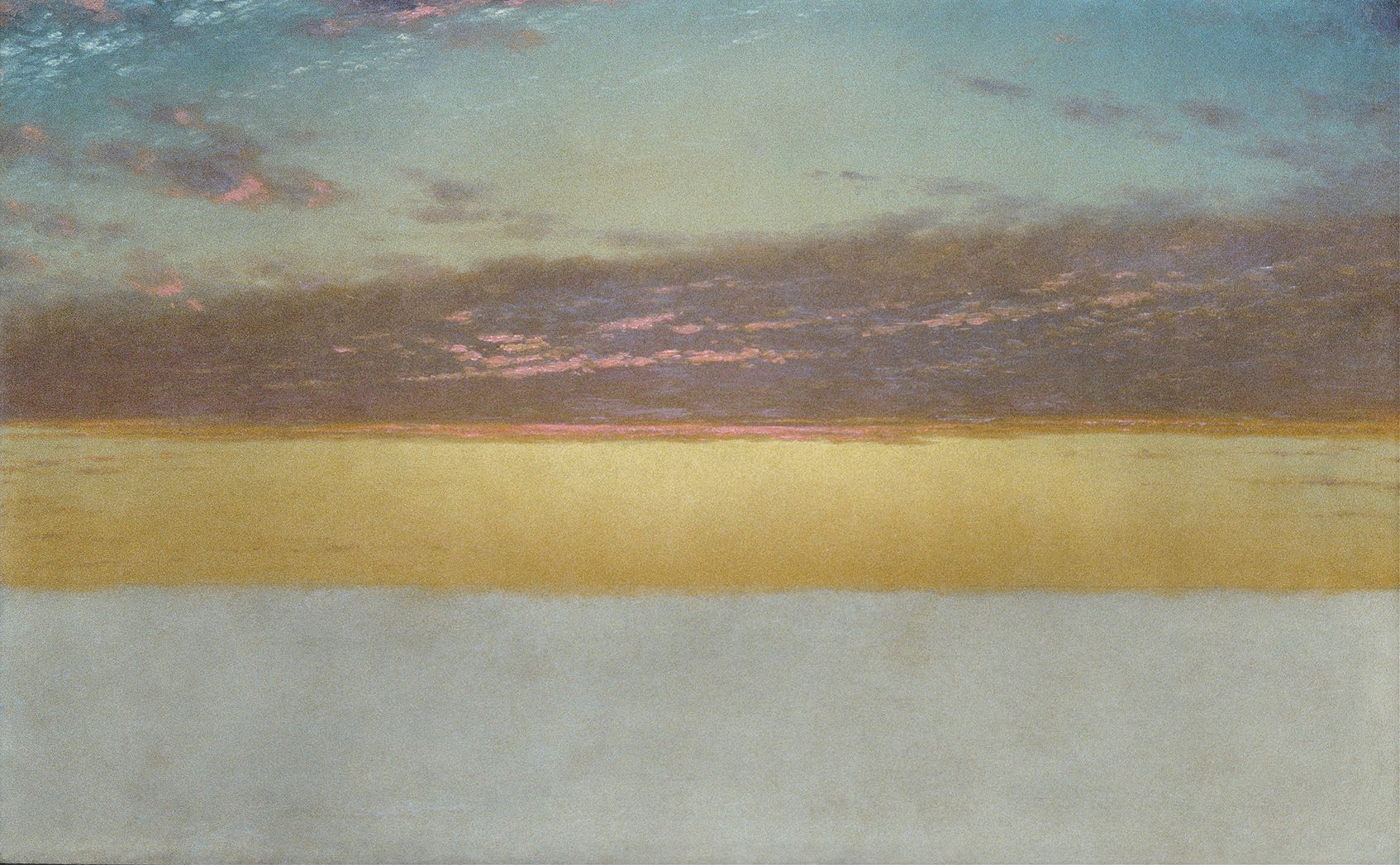
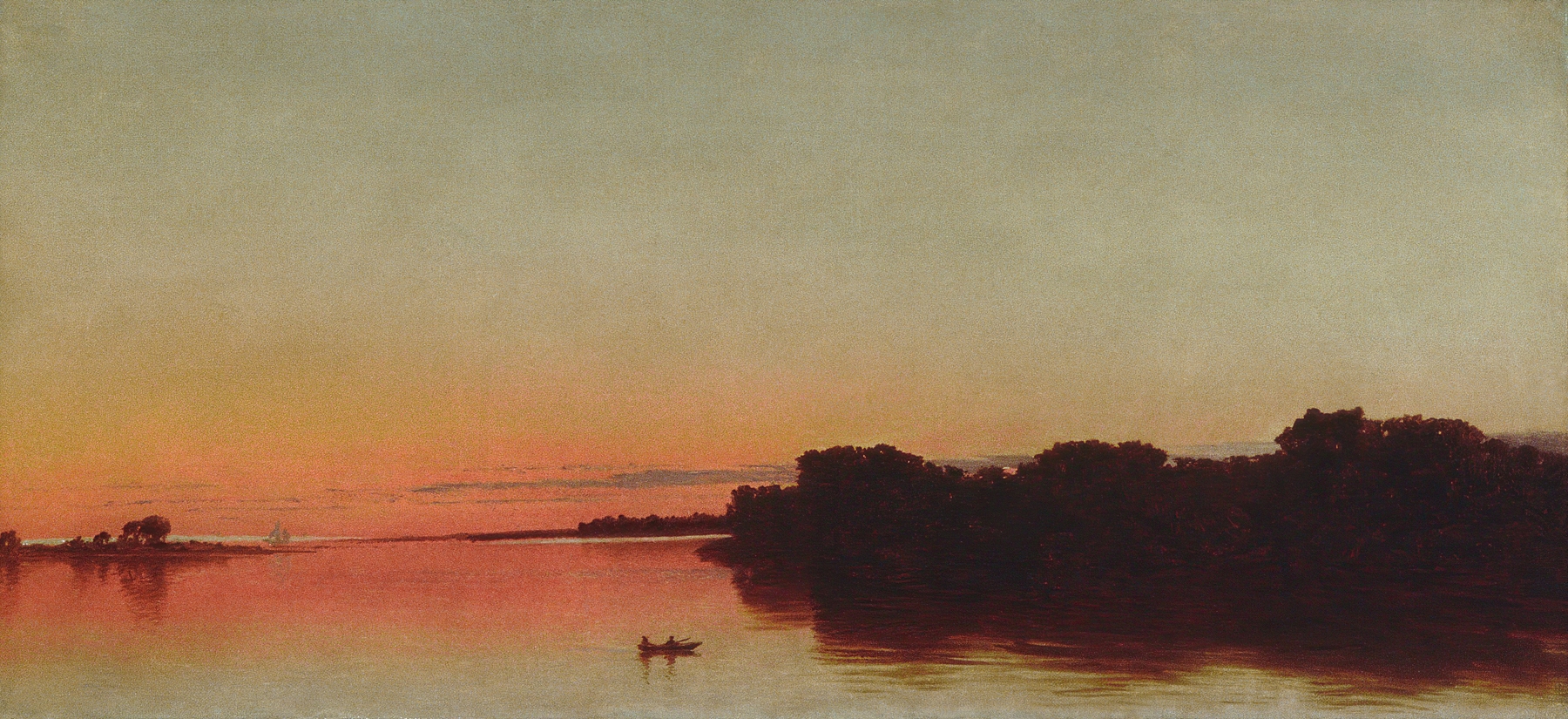
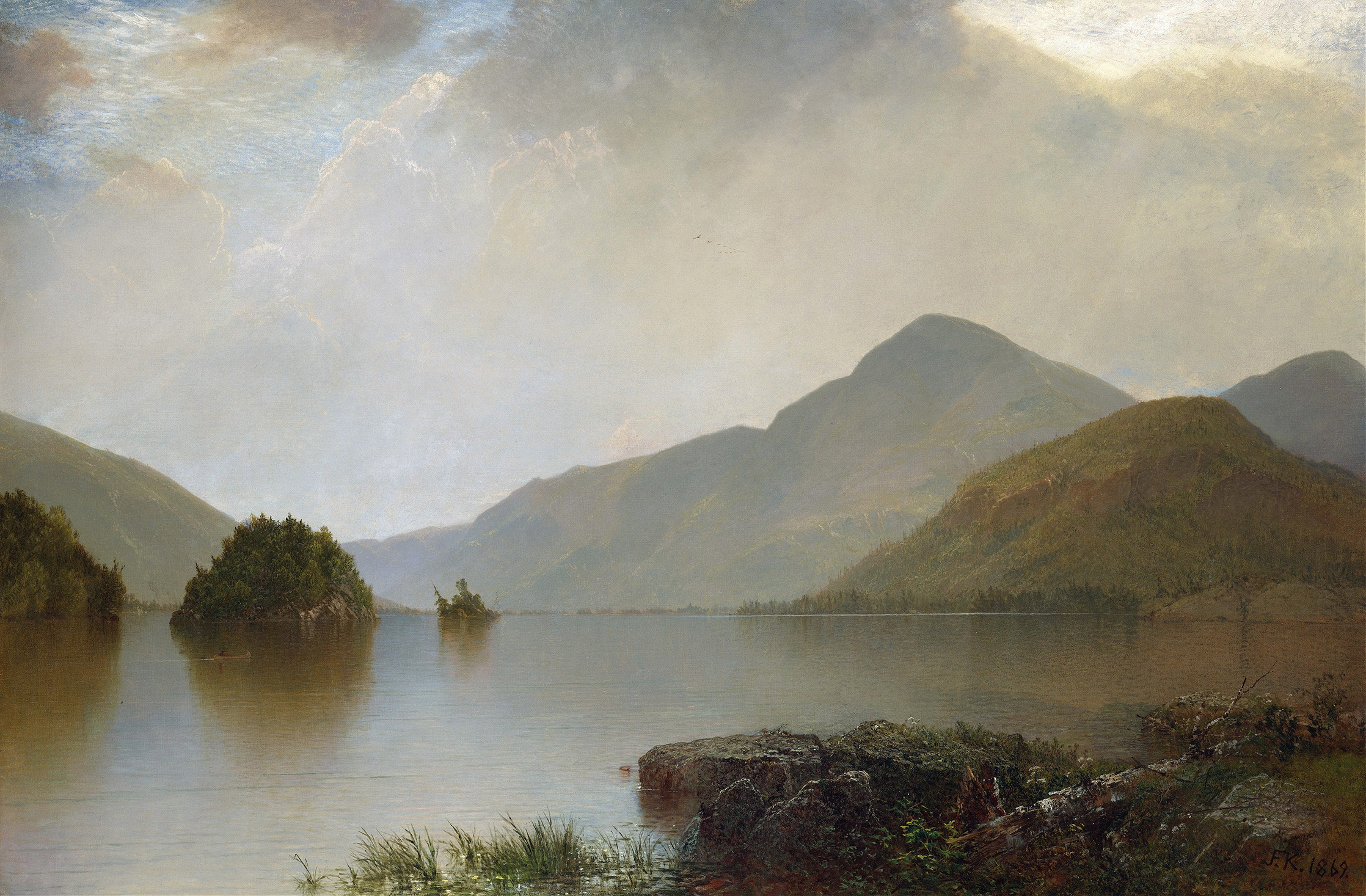
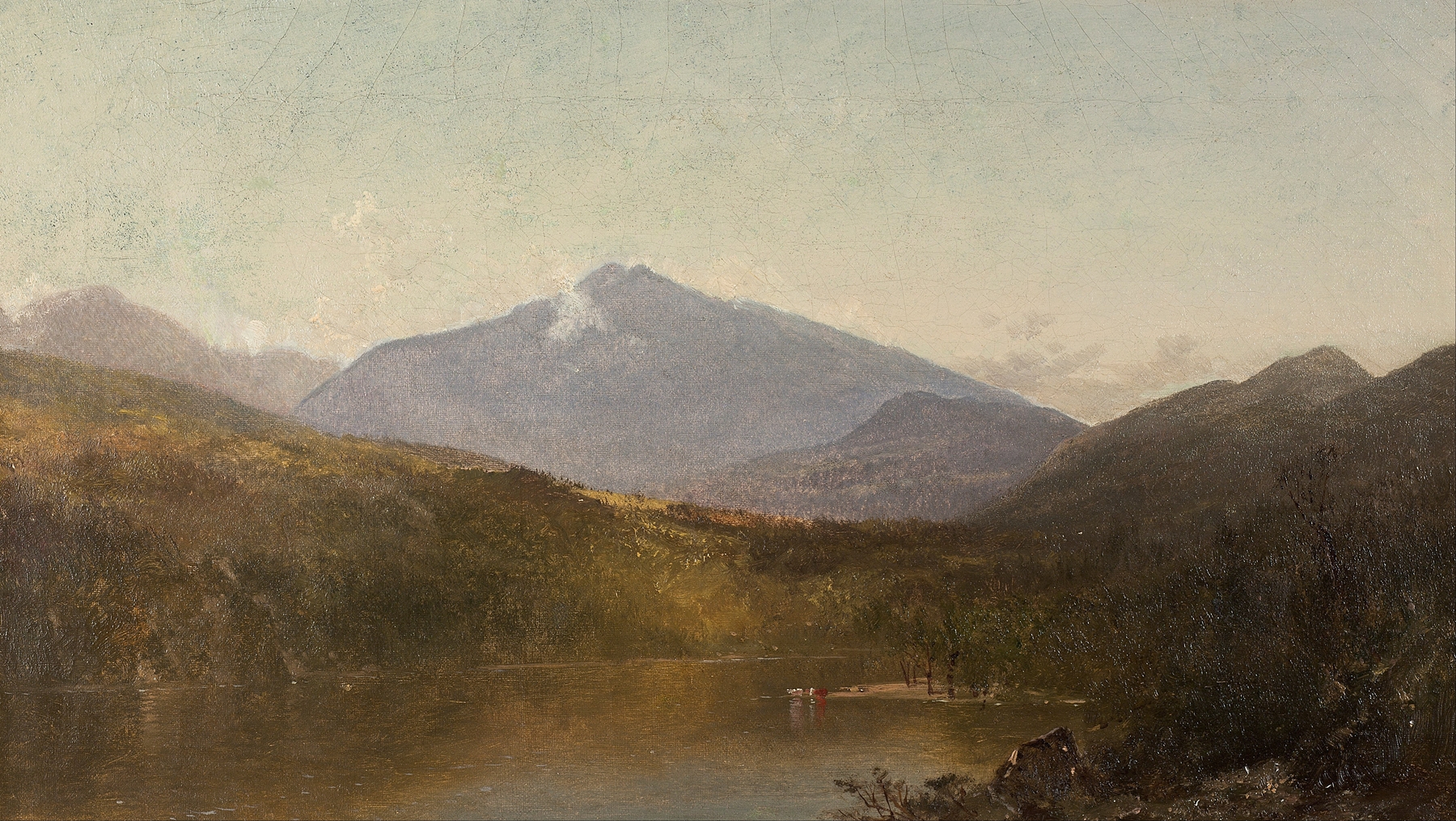
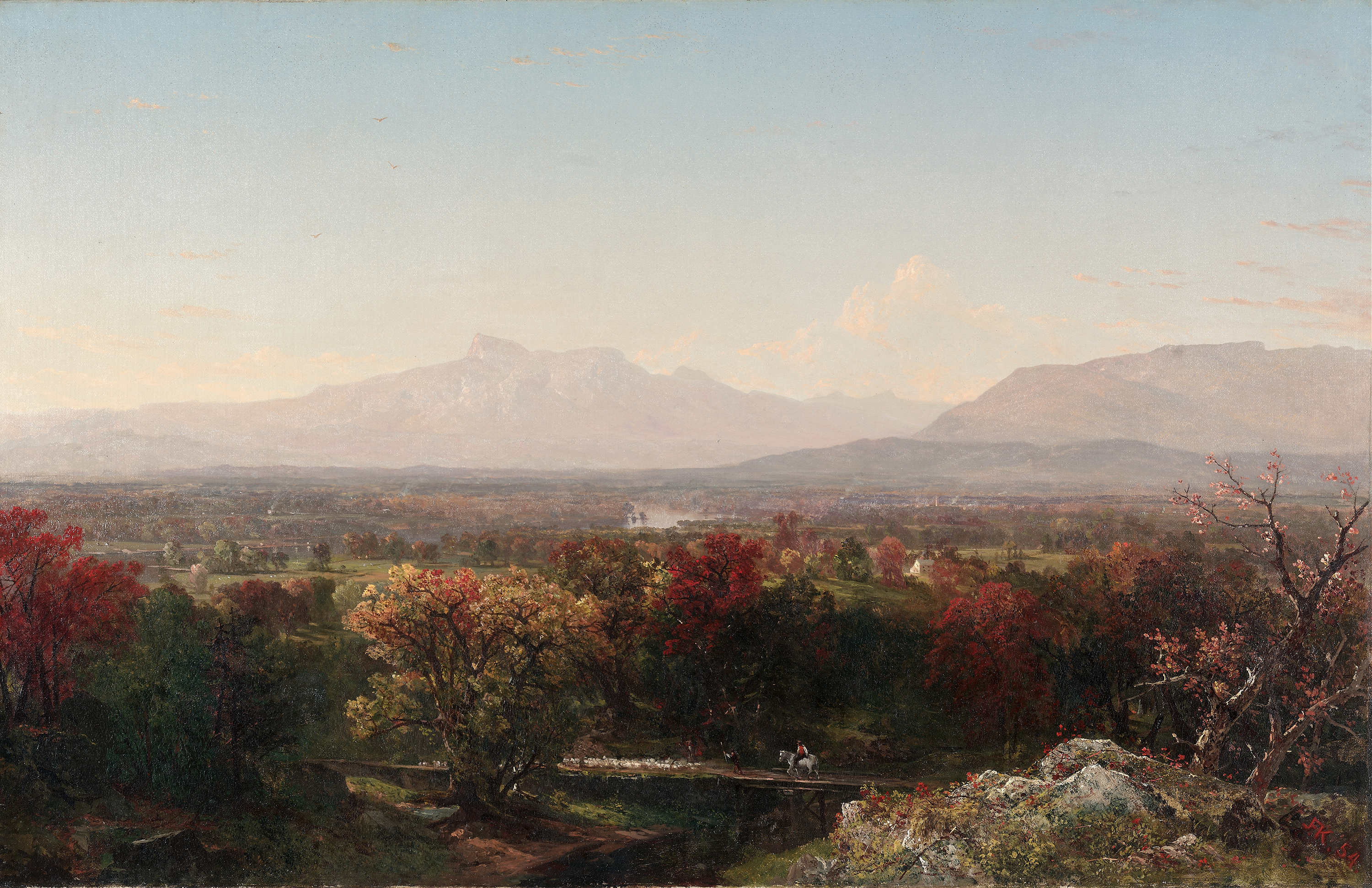
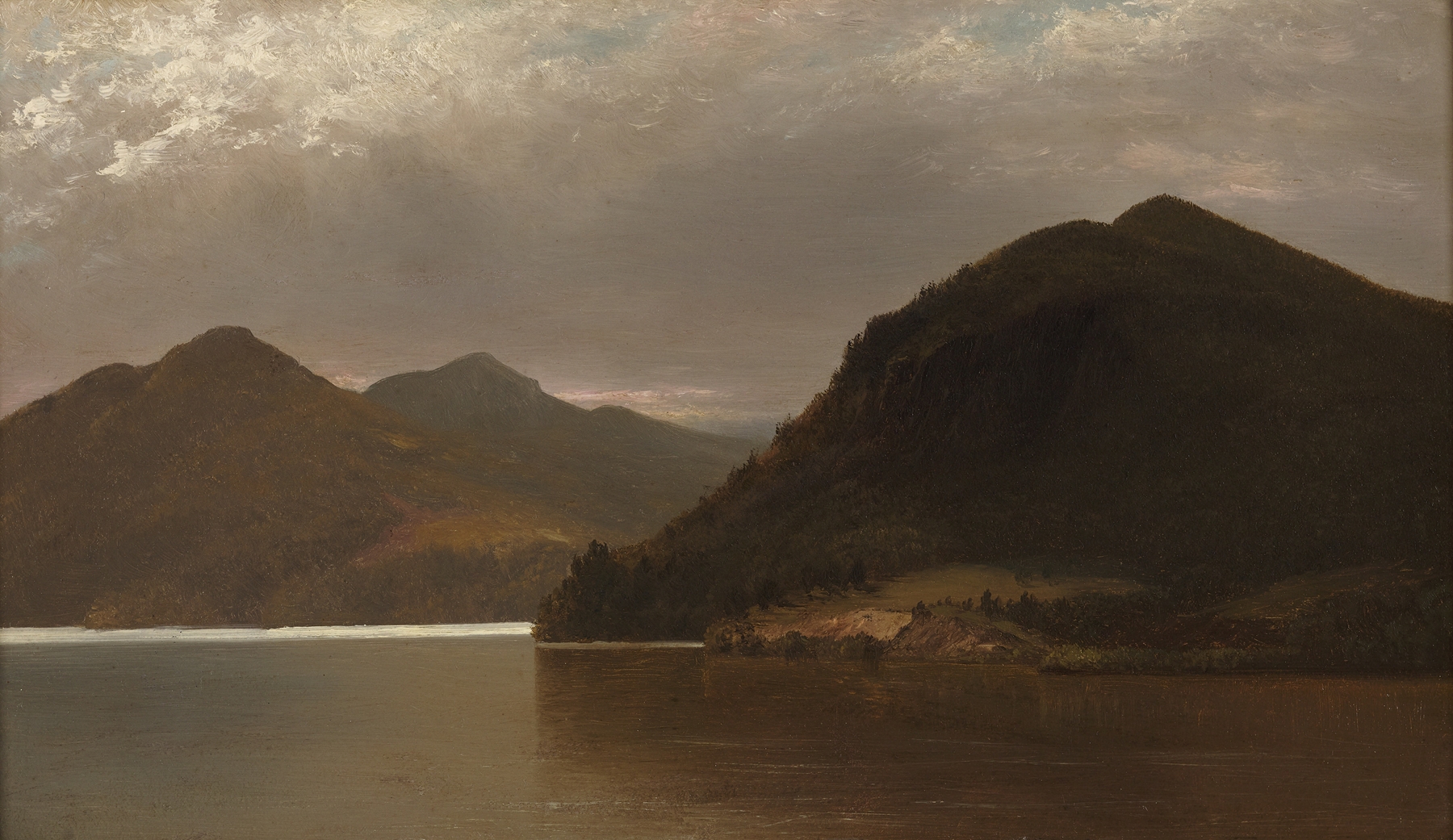
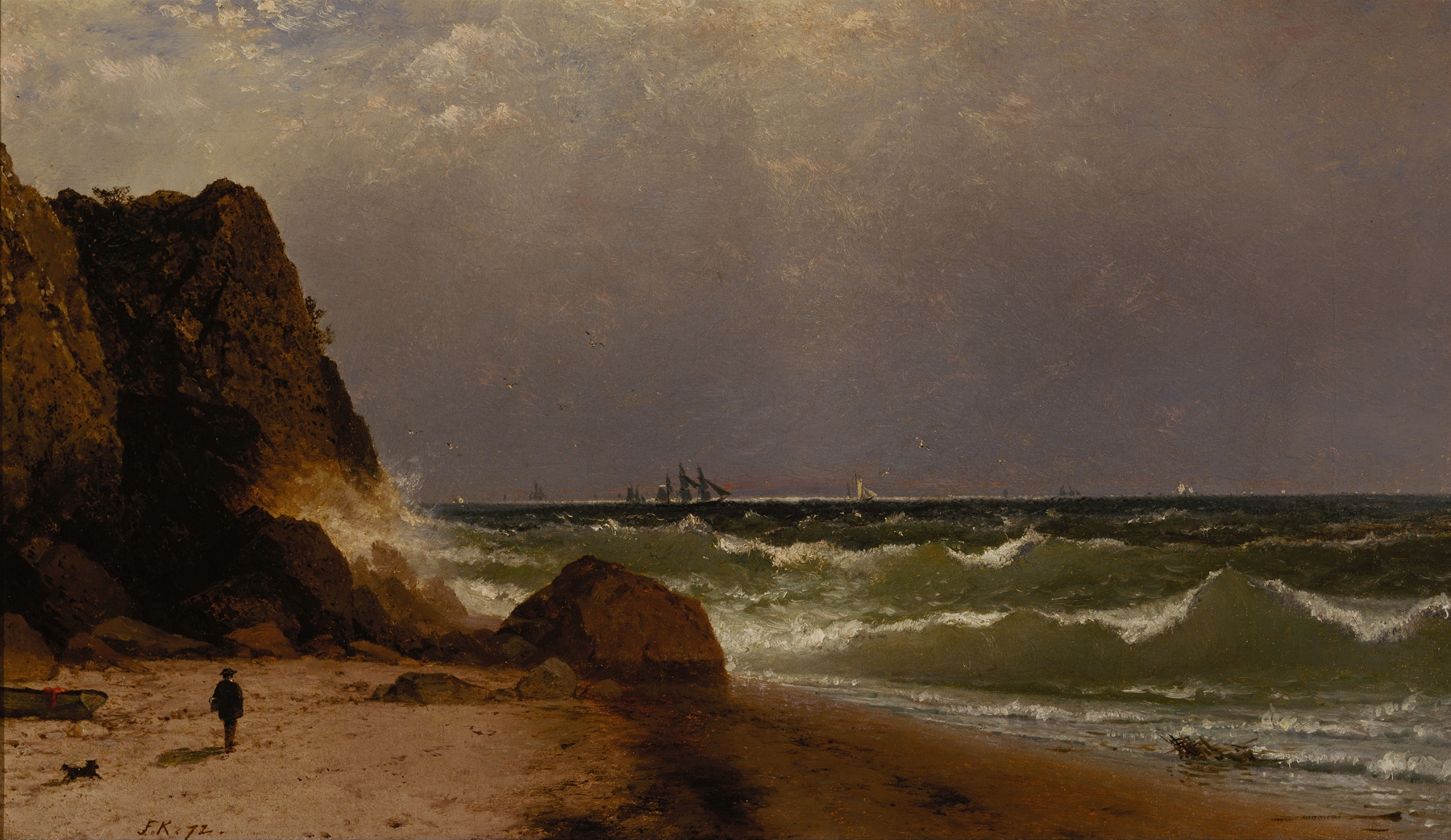
What if beauty was never meant to be finished? In that suspended moment where land meets sea, tranquility reigns supreme, whispering secrets of nature’s grace. Look closely at the soft interplay of hues along the horizon, where deep blues transition into gentle pastels. The warm sunlight bathes the landscape in a soft glow, drawing your gaze towards the serene water’s edge.
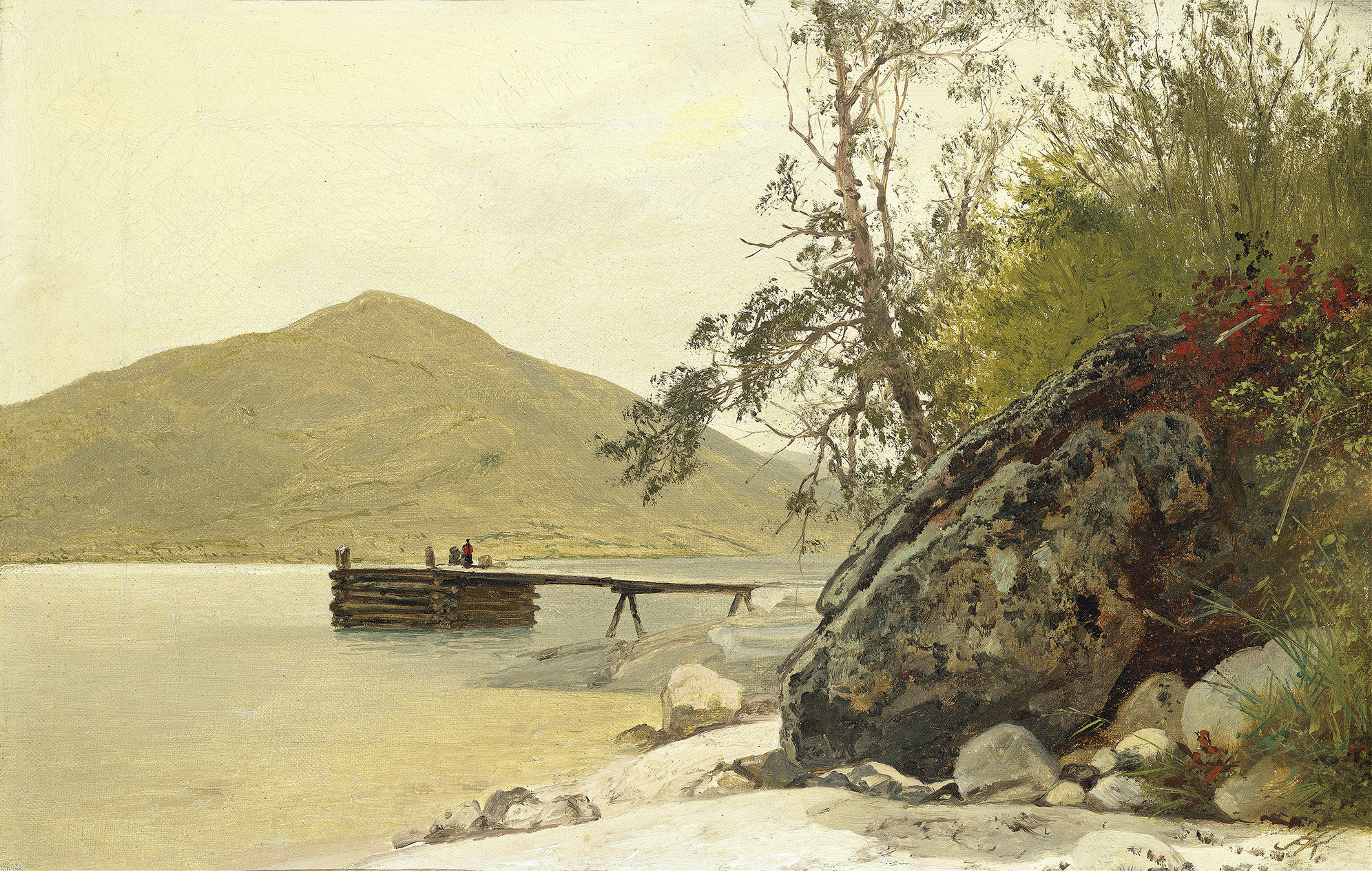
Notice the delicate brushwork, which captures the fluttering leaves and rippling waves with an almost ethereal quality, inviting you to linger in this peaceful haven. Yet beneath this calm surface lies a profound contrast. The stillness of the water contrasts sharply with the rugged cliffs that tower above, echoing the tension between permanence and change. The quietude of the scene embodies a fleeting moment, while the enduring rocks remind us of time's relentless march.
Each detail, from the wispy clouds to the reflective surface, builds a narrative of serenity that invites introspection. In 1872, John Frederick Kensett created this painting while residing in the picturesque landscape of Newport, Rhode Island. During this time, he was actively involved in the Hudson River School movement, which celebrated the American landscape. His focus on light, atmosphere, and nature was becoming increasingly refined, marking a pivotal moment in his artistic evolution as he sought to encapsulate the tranquility of the world around him.