Landing at Sabbath Day Point — History & Analysis
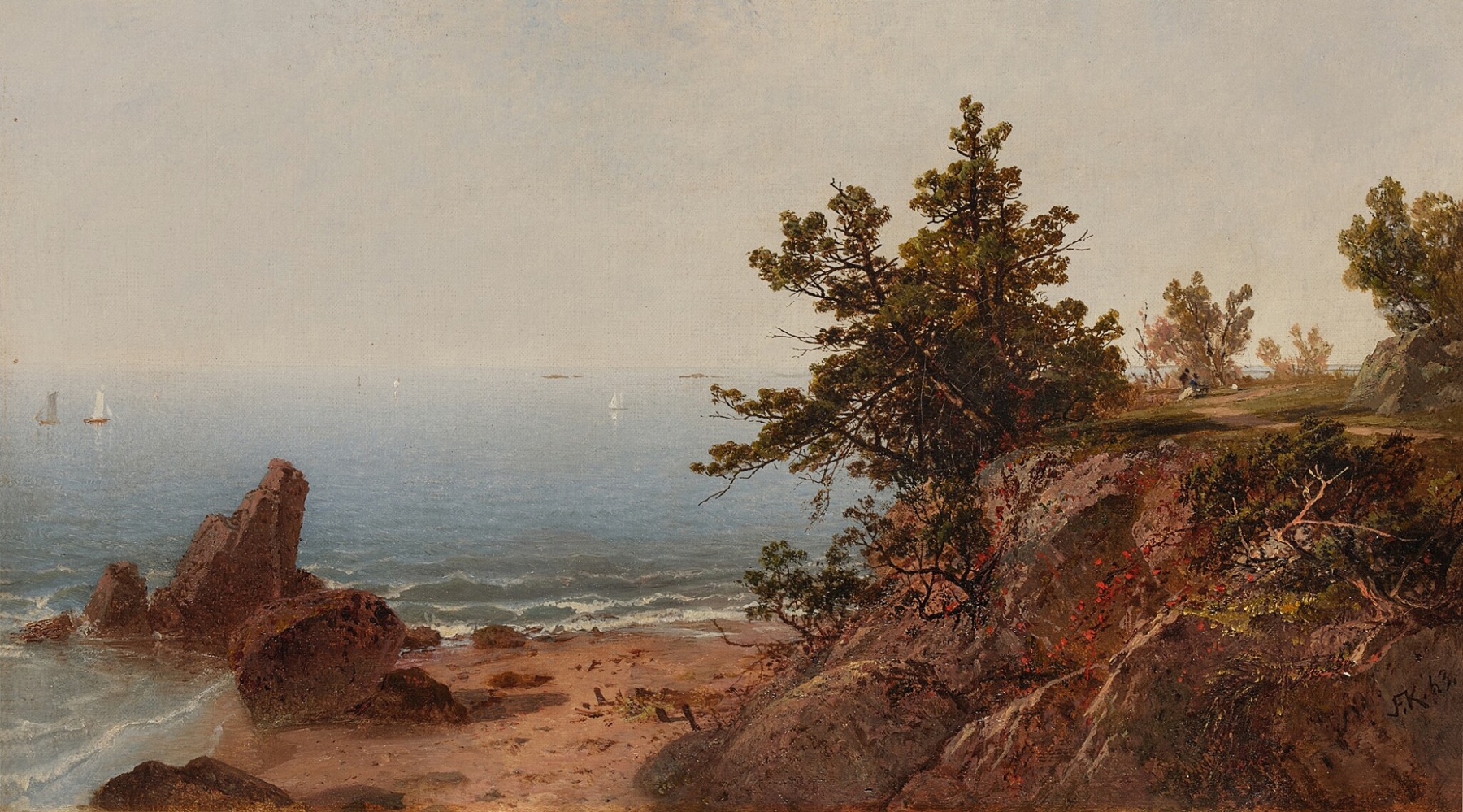
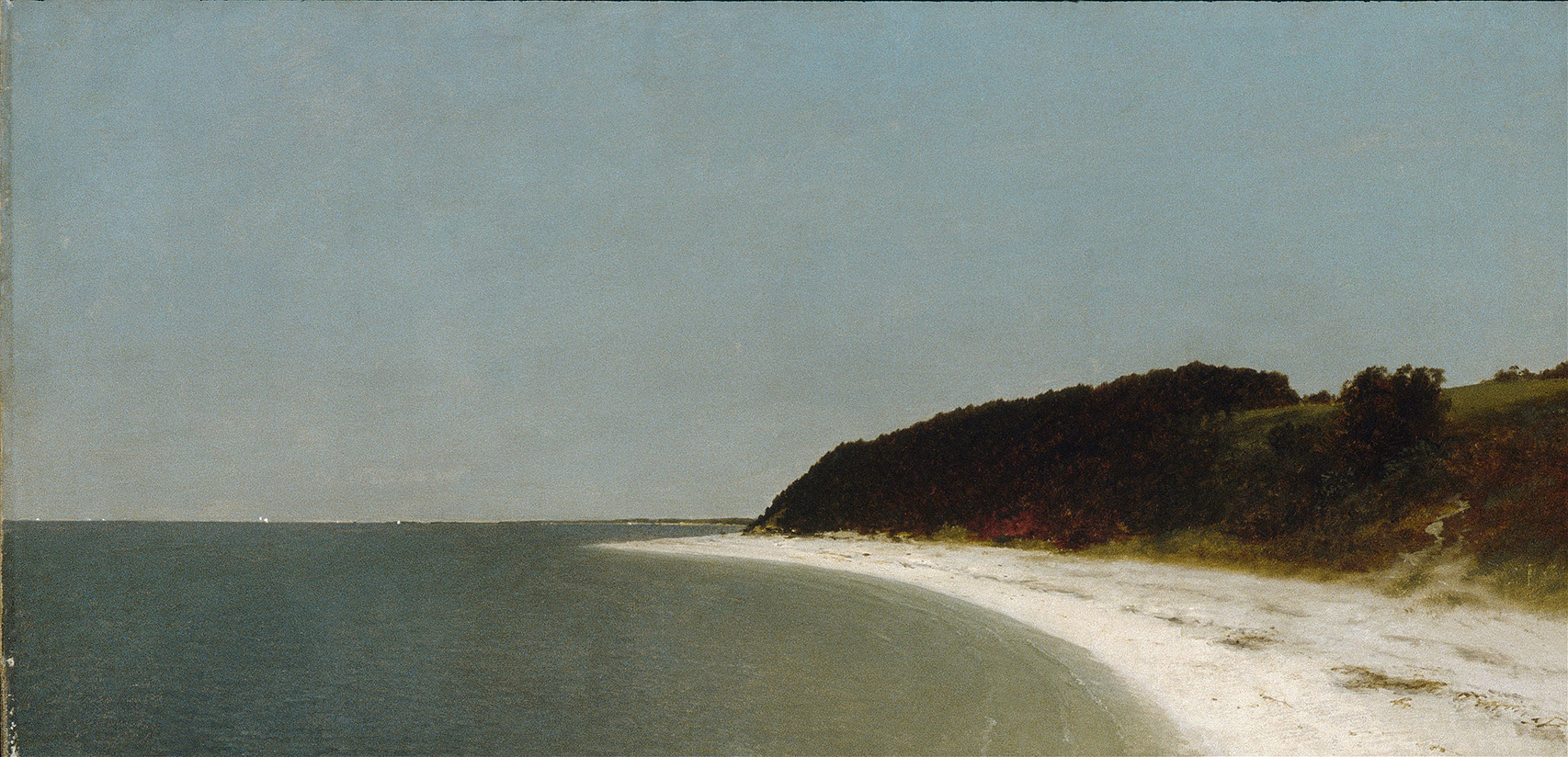
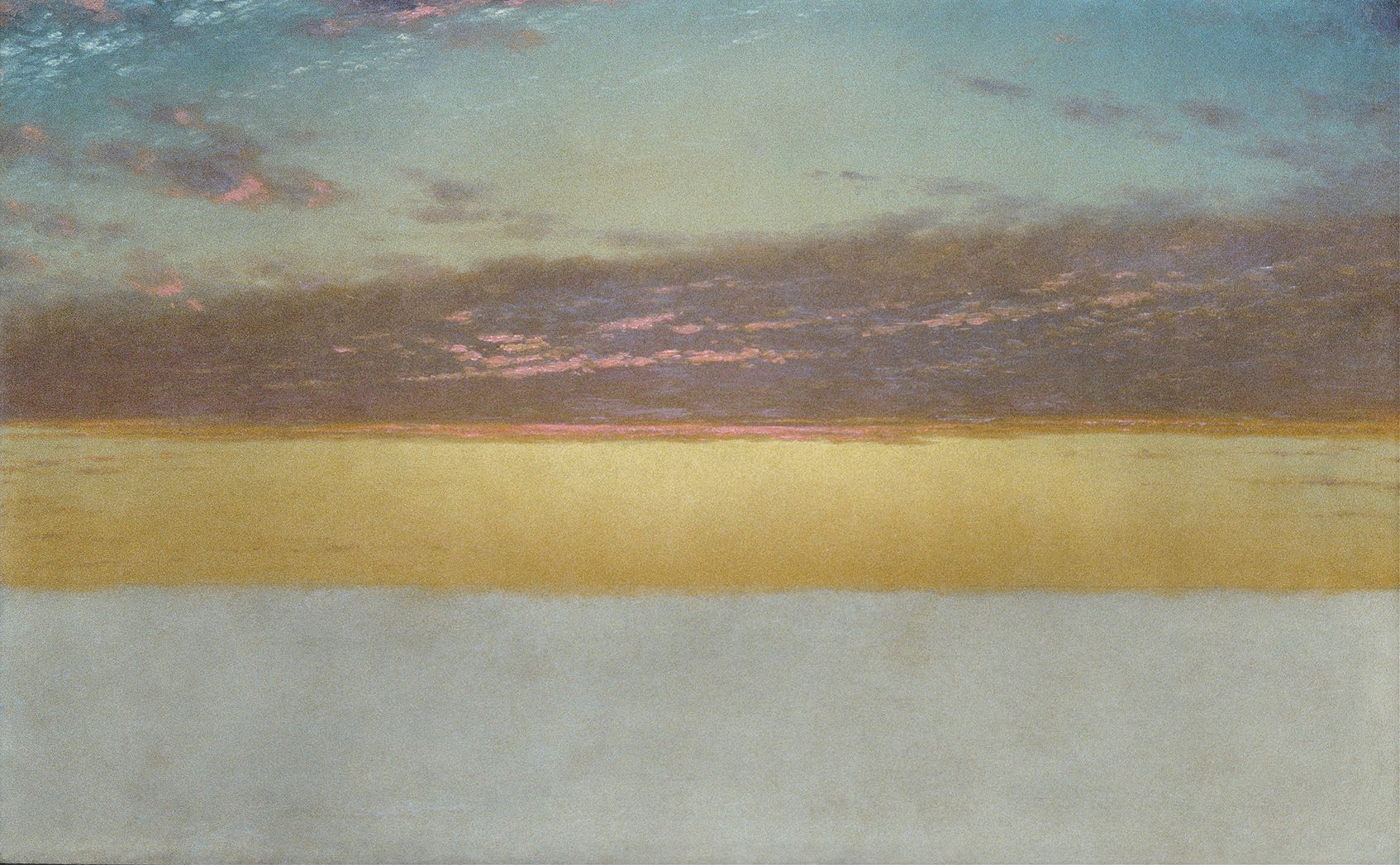
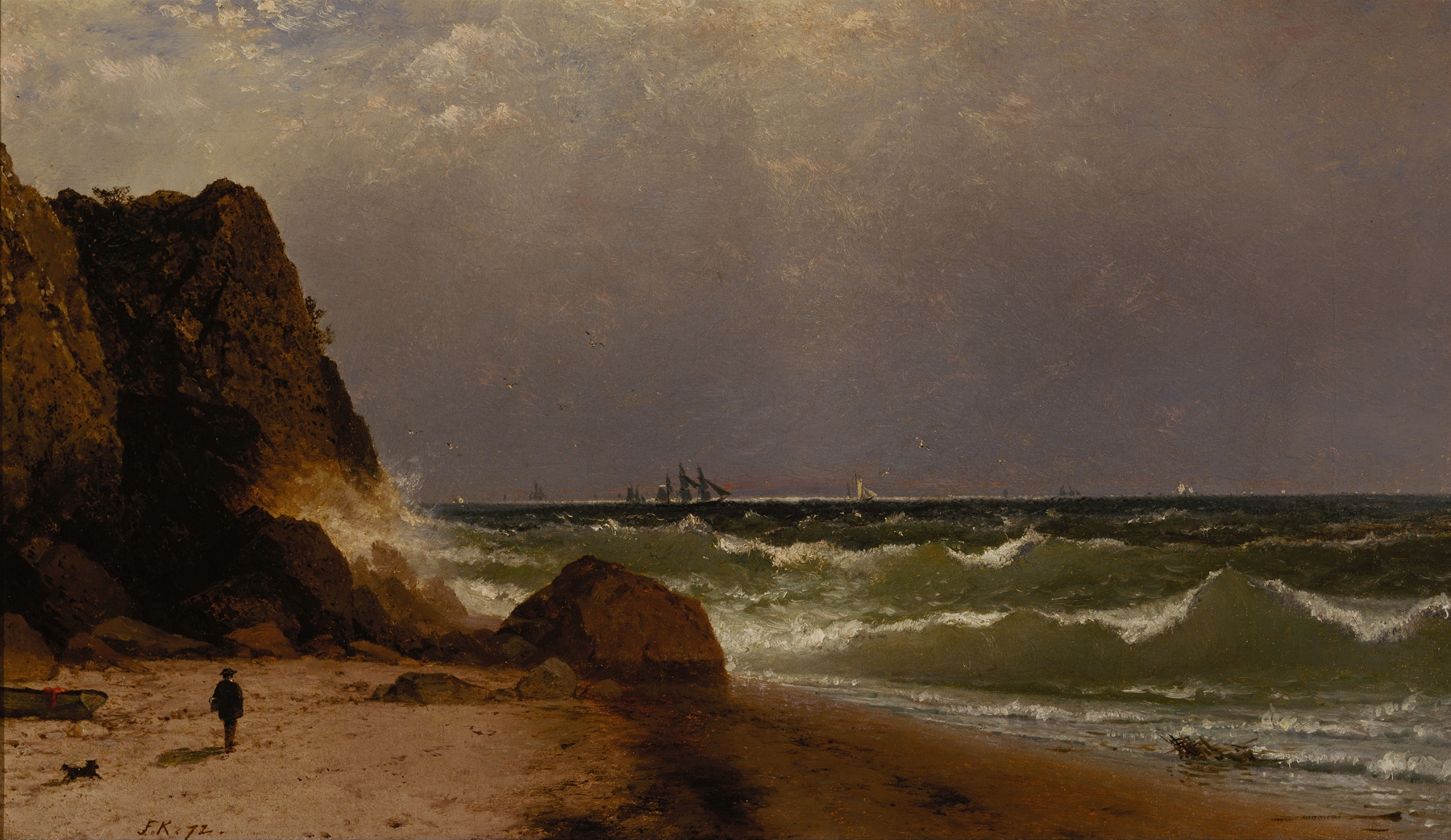
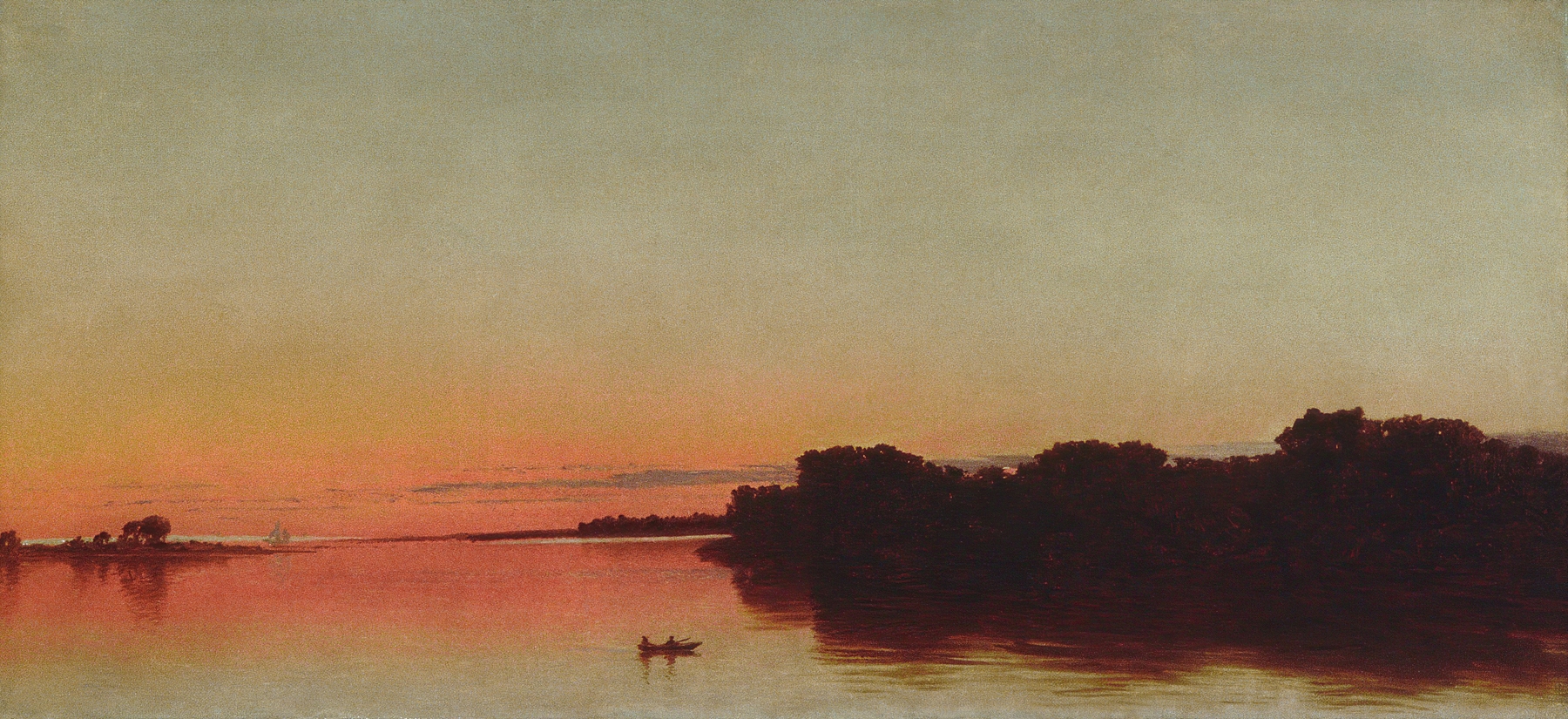
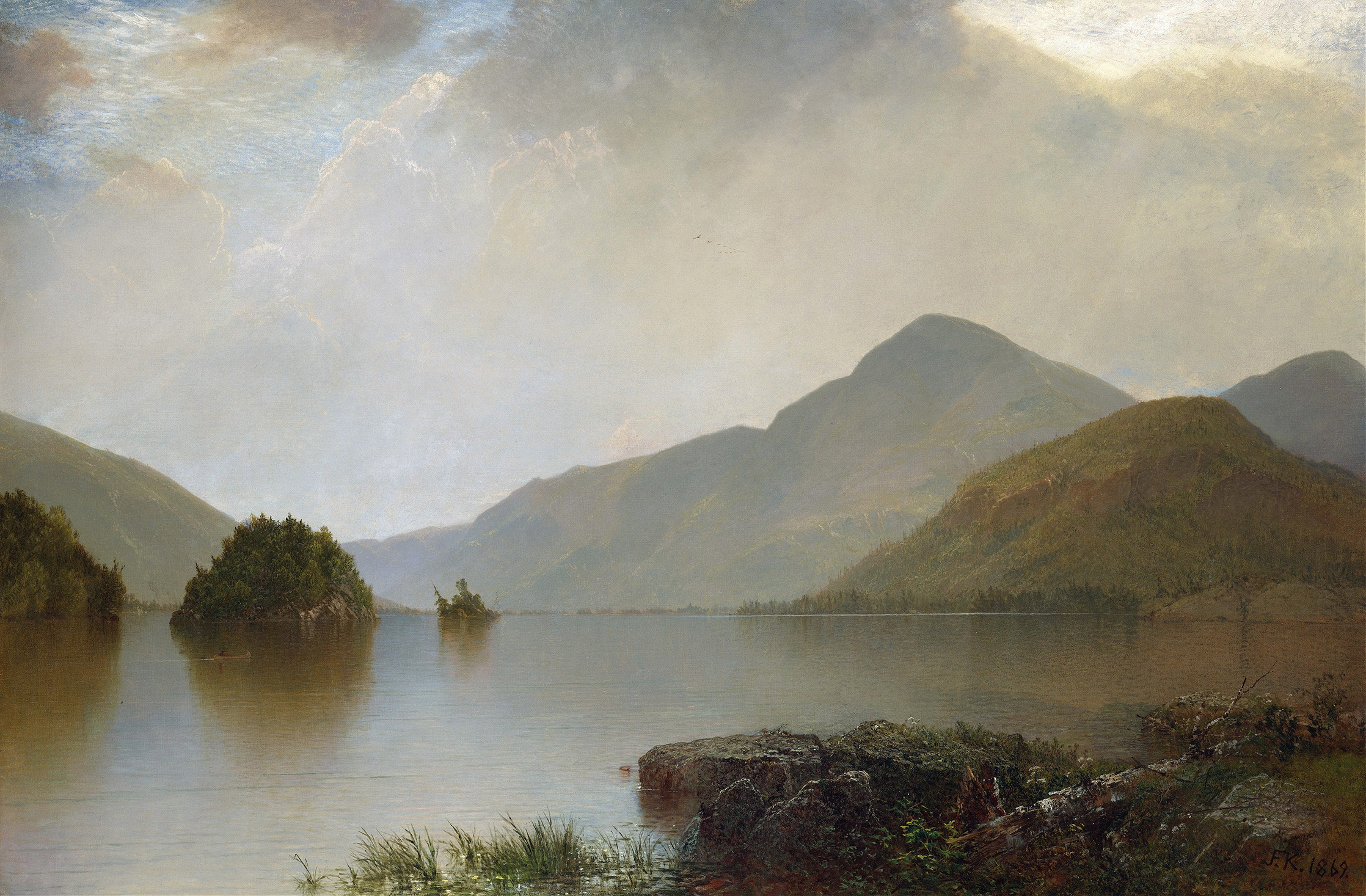
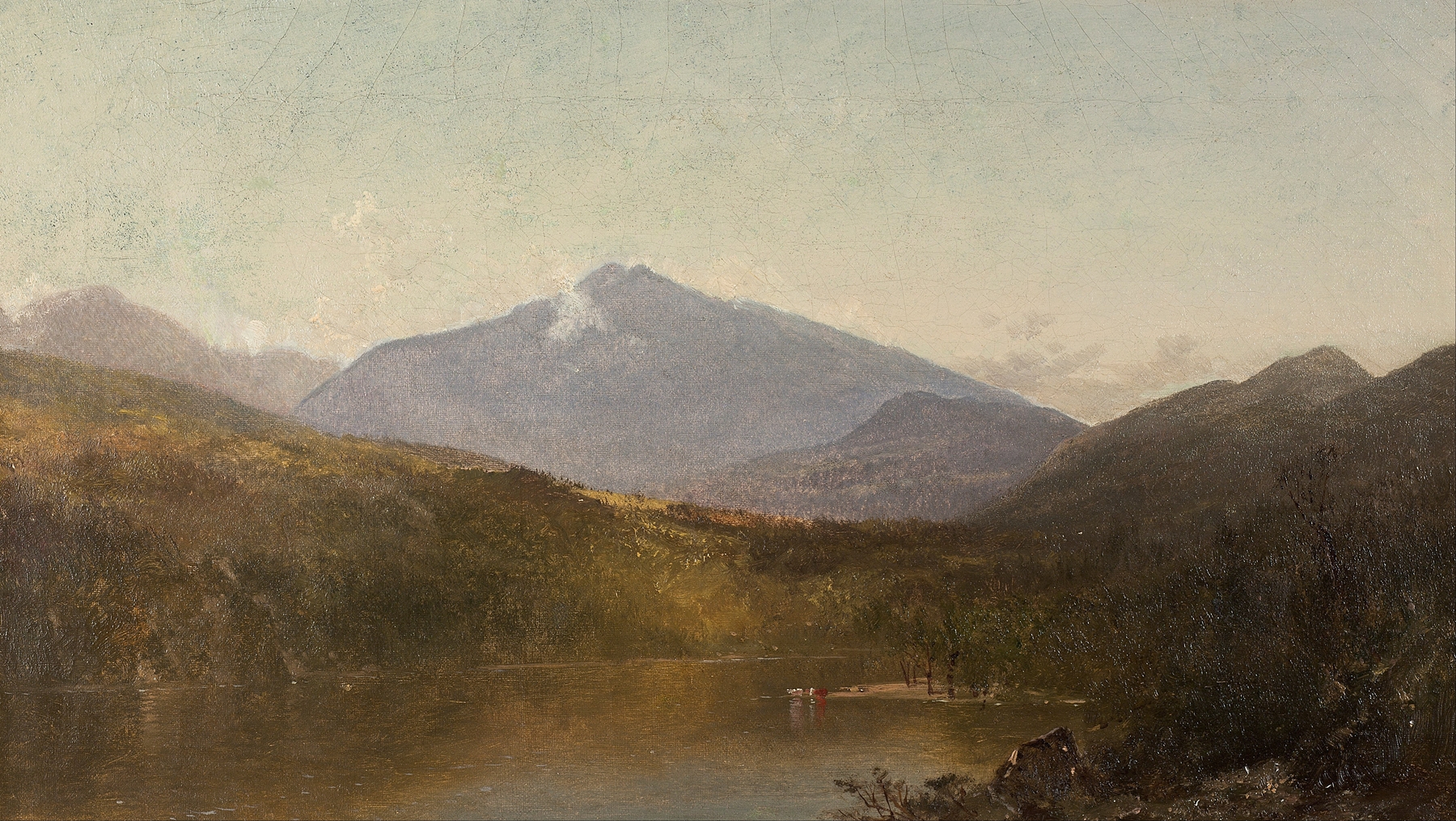
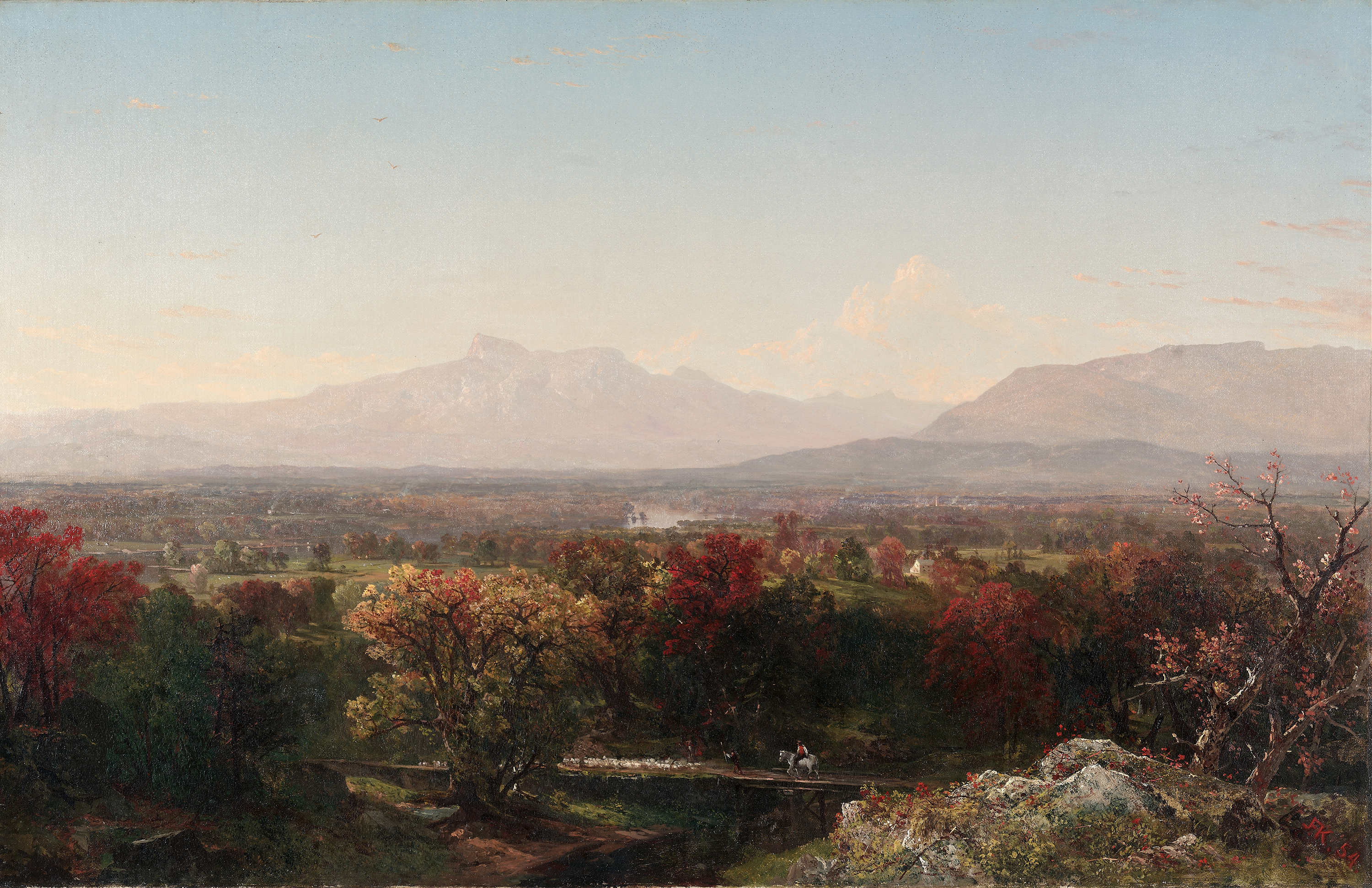
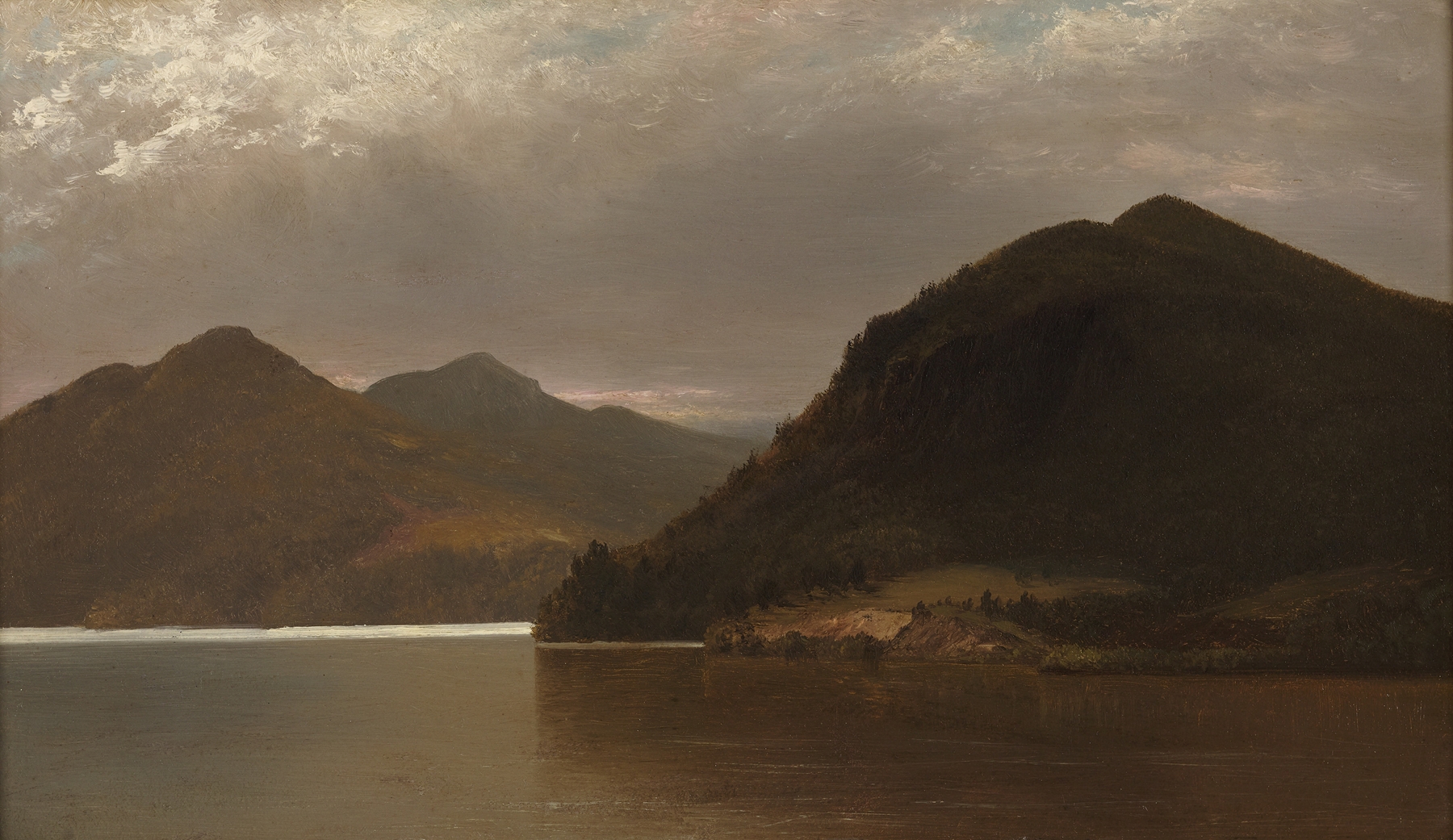
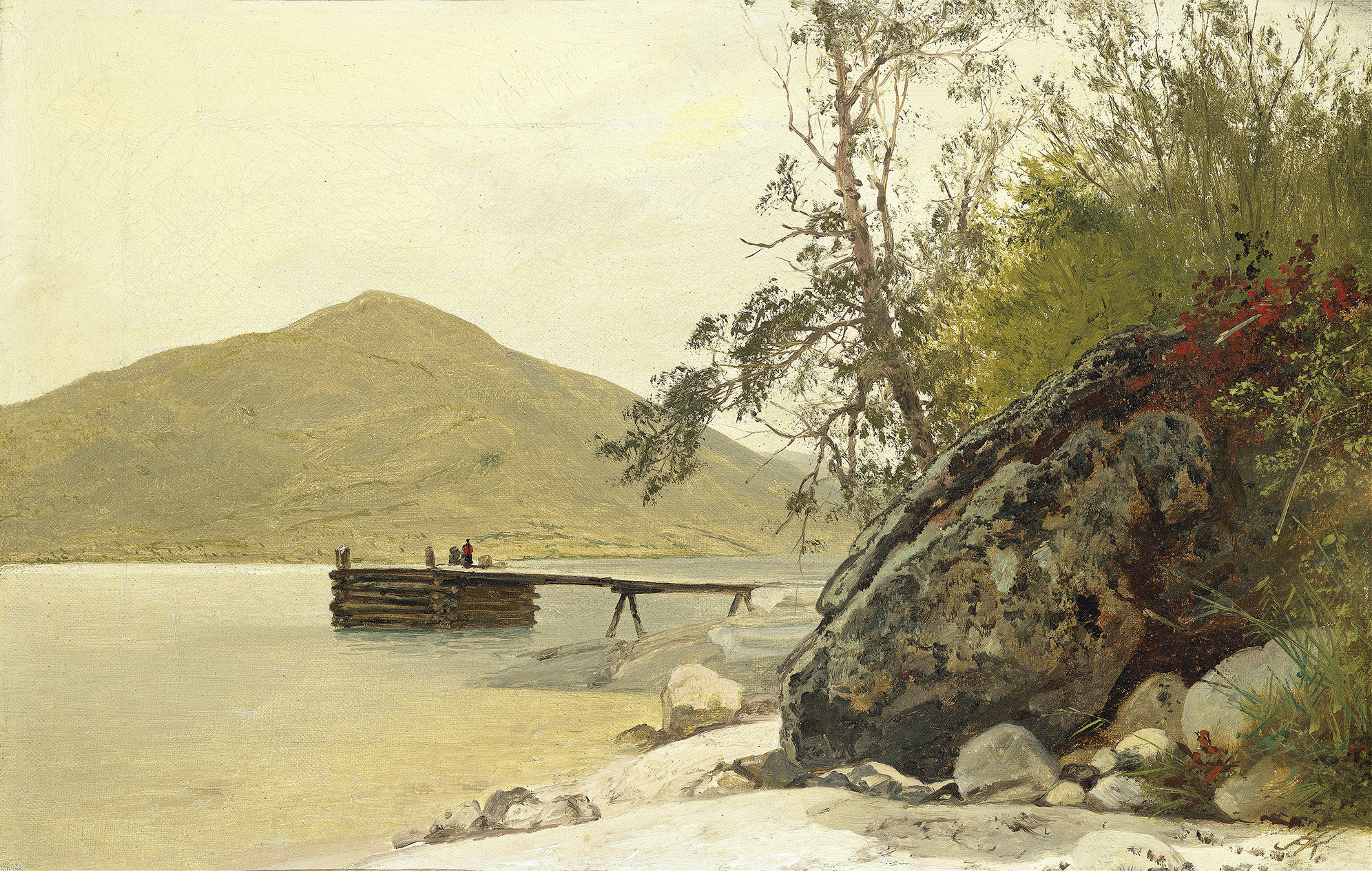
“The canvas doesn’t lie — it simply waits.” In its stillness, it holds secrets, offering a glimpse of nature that belies its deeper currents of emotion. Here, the viewer is invited to confront the betrayal of time, where fleeting moments of beauty can mask the relentless passage of existence. Look to the foreground, where delicate strokes of green and gold evoke the verdant landscape, weaving through the scene like whispers of a forgotten past. The horizon, kissed by the low sun, casts a golden hue over the tranquil waters, inviting one’s gaze towards the distant mountains that cradle the sky.
Notice the interplay of light and shadow, revealing the artist’s meticulous technique in capturing the essence of nature, as if it were a fragile secret held within the strokes of his brush. Yet, beneath this serene façade lies an emotional tension, a sense of longing that permeates the landscape. The stillness of the water mirrors an internal struggle, hinting at a betrayal not of one’s surroundings, but of oneself. The vibrant colors suggest life, yet they also mask an undercurrent of melancholy, a reminder that beauty can often be a veneer for deeper sorrows.
The juxtaposition of natural grandeur and emotional isolation is a poignant reflection on the dualities of existence. In the early 1850s, the artist resided in Connecticut, immersed in a growing movement of American landscape painting that sought to capture the sublime beauty of the natural world. During this period, he honed his skills in plein air painting, often inspired by the light and atmosphere of the Hudson River School. This era marked a turning point in his career, as he moved toward a more personal style that would resonate with the emotional landscapes of his own life and the world around him.