Rocky Coast — History & Analysis
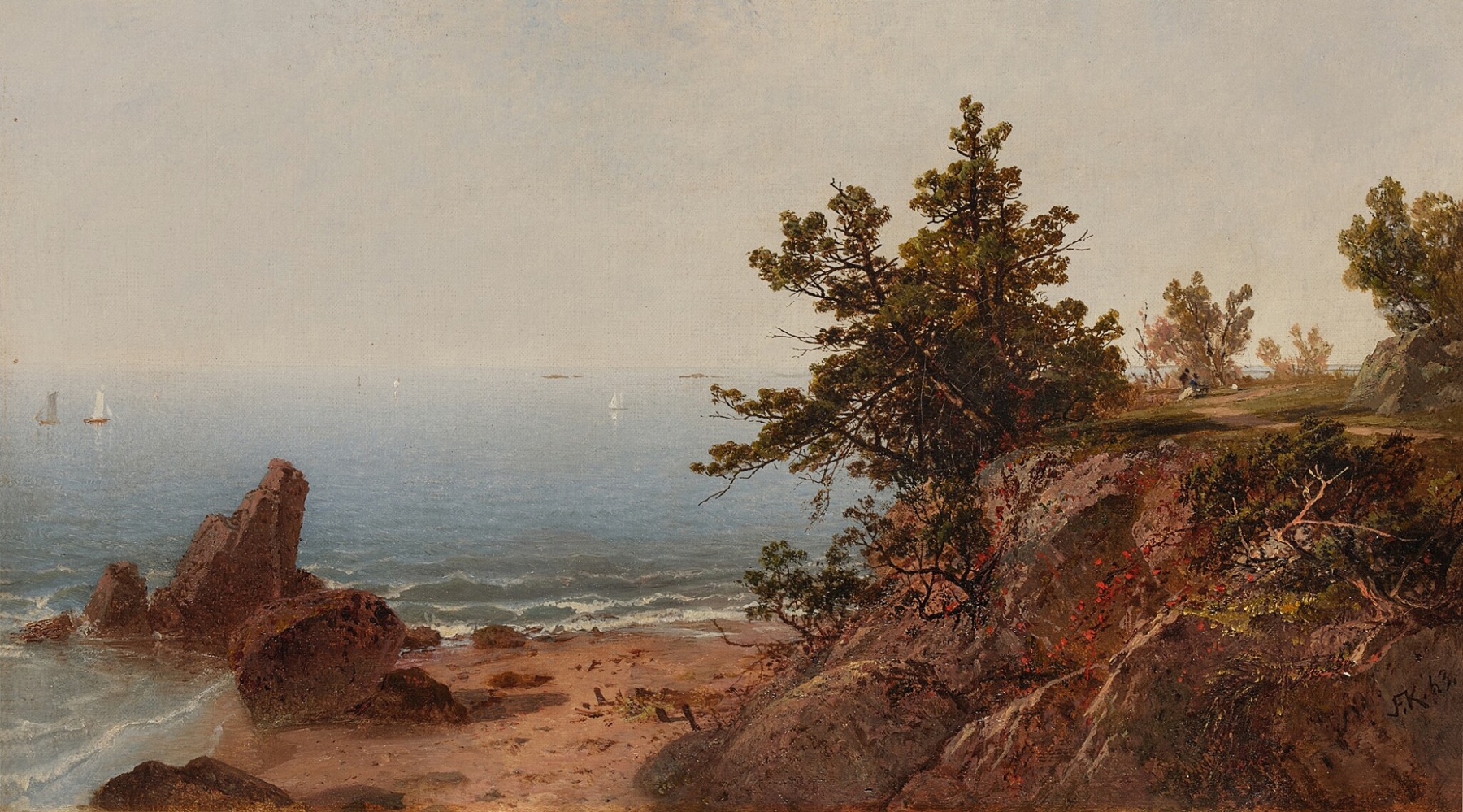
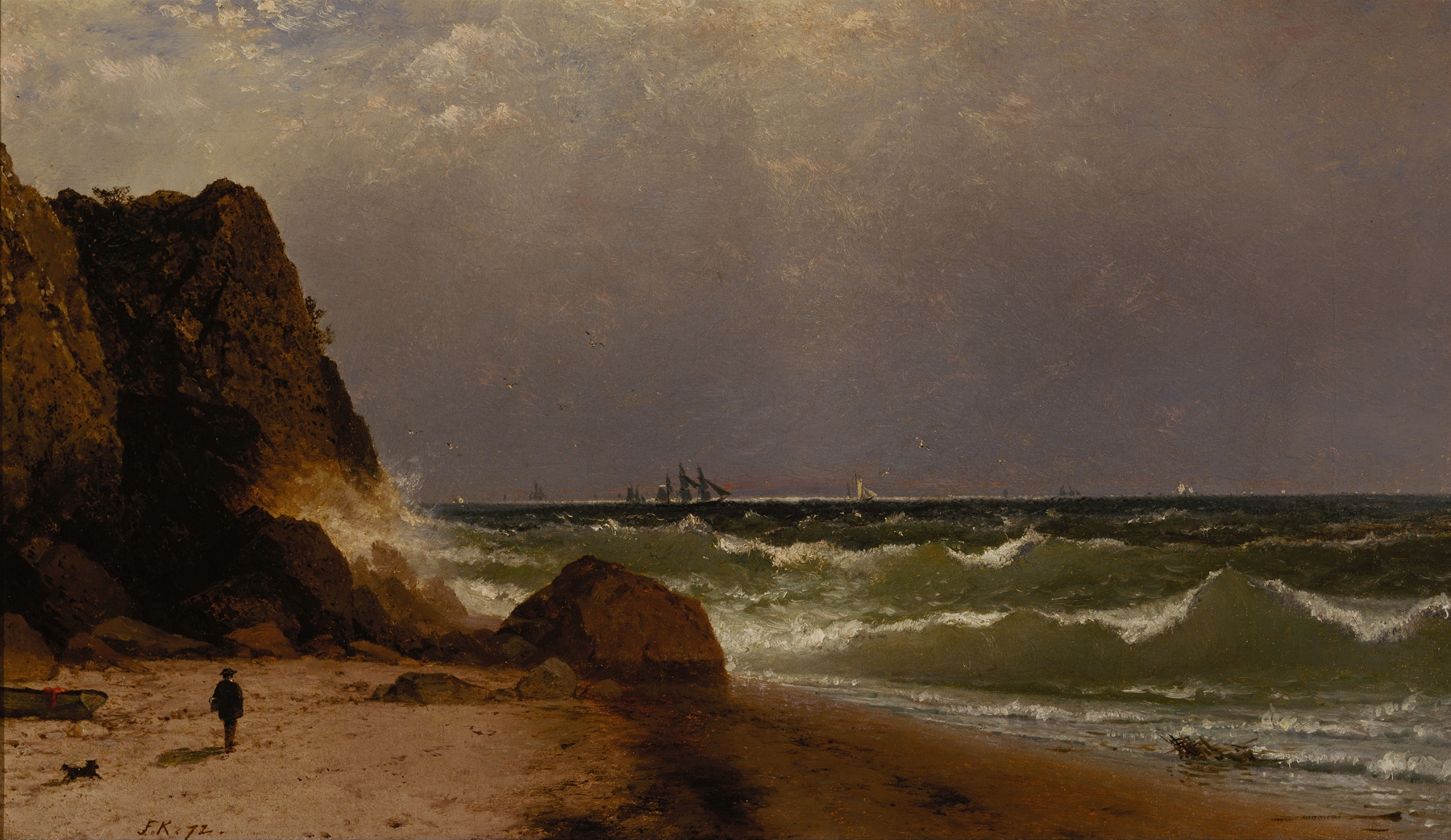
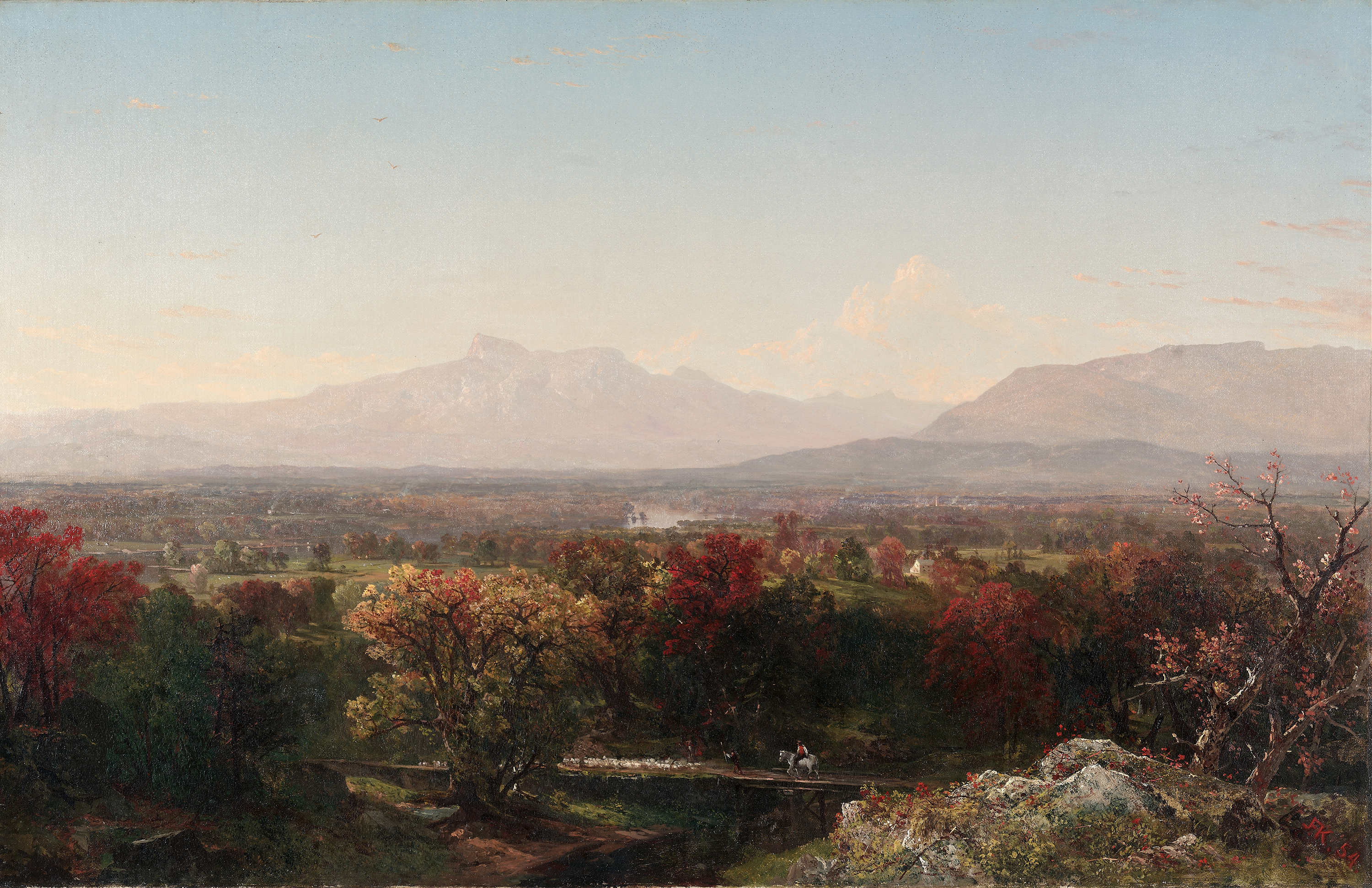
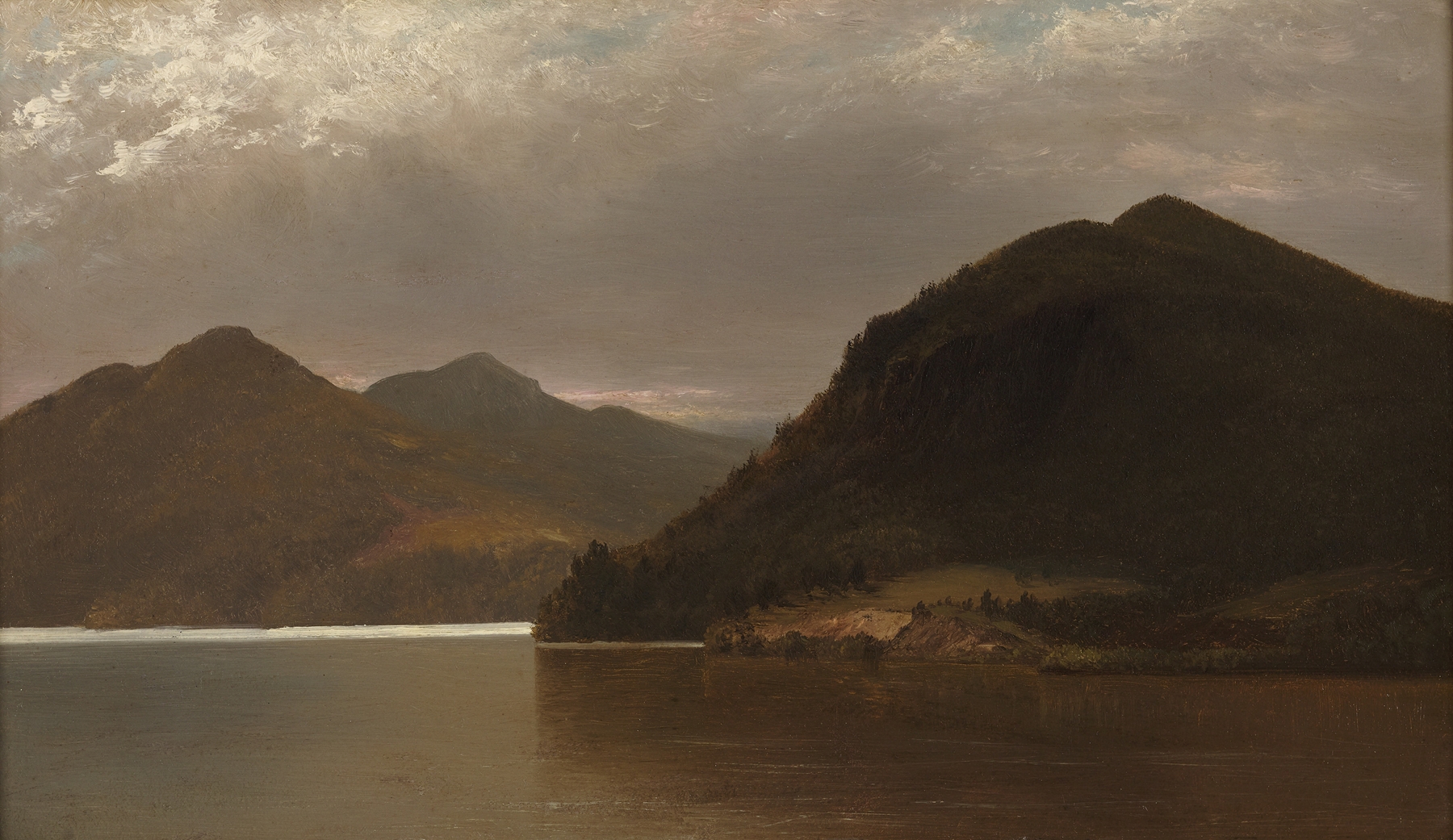
“To paint is to remember what time wants us to forget.” In Rocky Coast, the weight of nature's might and fragility lingers in the air, inviting us to confront our deep-seated fears. The tumult of the crashing waves against the rugged rocks speaks of an untamed world, timeless yet fleeting, reminding us of our smallness against the forces of nature. Focus first on the foreground, where the jagged cliffs rise dramatically from the churning sea, rendered in a palette of earthy browns and soft grays. The textured brushstrokes evoke both solidity and movement, as if the very rocks are pulsating with life. Notice how the muted sunlight filters through the clouds, casting a gentle light on the scene while maintaining an ominous undertone.
The serenity of the distant horizon contrasts sharply with the chaos below, drawing the viewer's gaze into an uneasy balance. The painting subtly communicates the tension between permanence and transience. The powerful waves symbolize nature’s relentless progression, while the enduring cliffs remind us of time's passage. It's a dialogue between fear and resilience: the fear of nature's unpredictability juxtaposed against the unyielding presence of the landscape itself.
Each element, from the tumultuous water to the steadfast rocks, encapsulates the precarious dance of existence. John Frederick Kensett created Rocky Coast around 1860, during a period of significant change in American art. As a leading figure in the Hudson River School, he sought to capture the sublime beauty of the American landscape while also grappling with emerging themes of realism. Kensett's work during this time reflected a deepening philosophical engagement with nature, influenced by both the Romantic movement and the societal shifts of post-Civil War America.