Lake George and the Village of Caldwell — History & Analysis
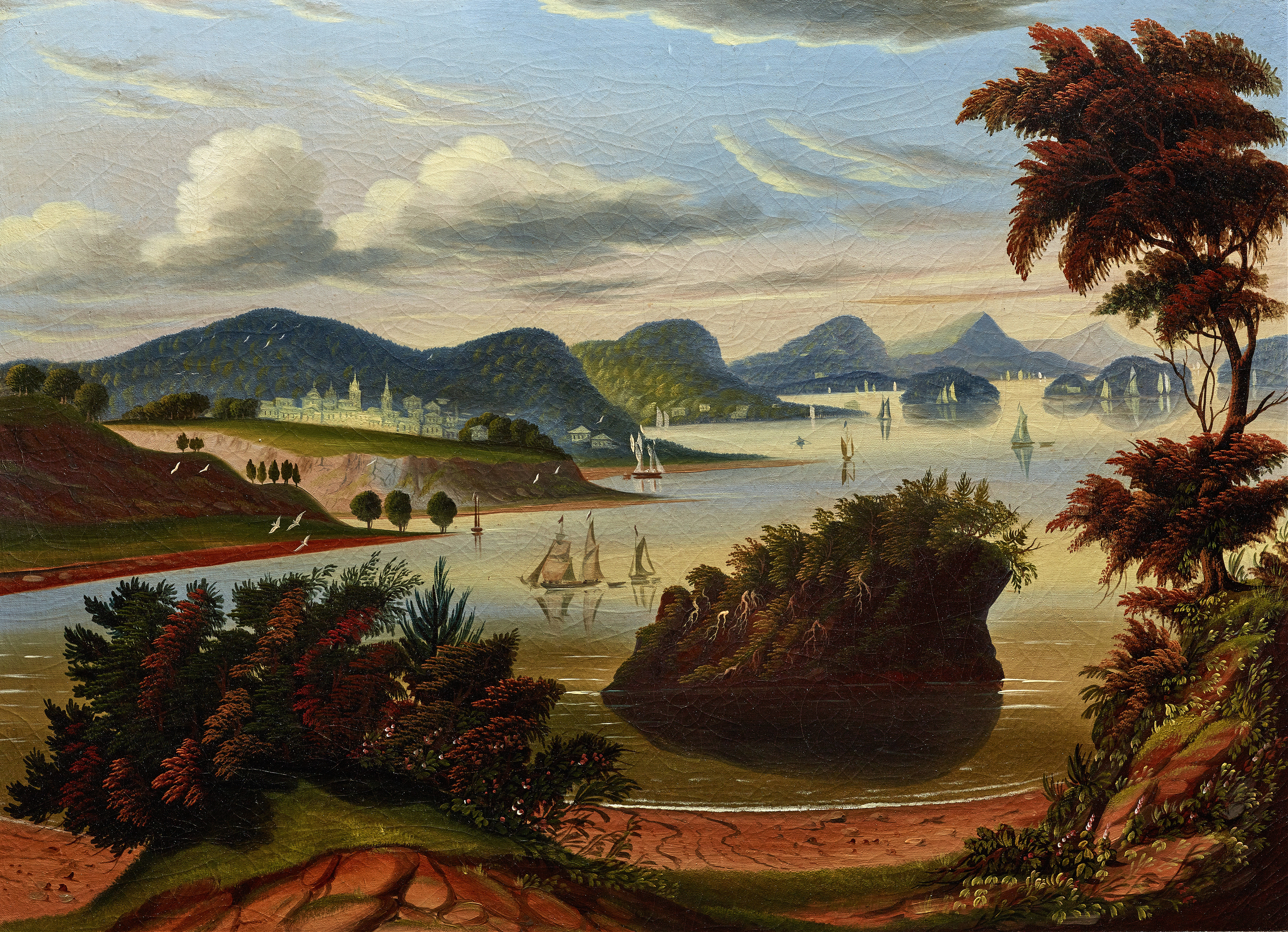
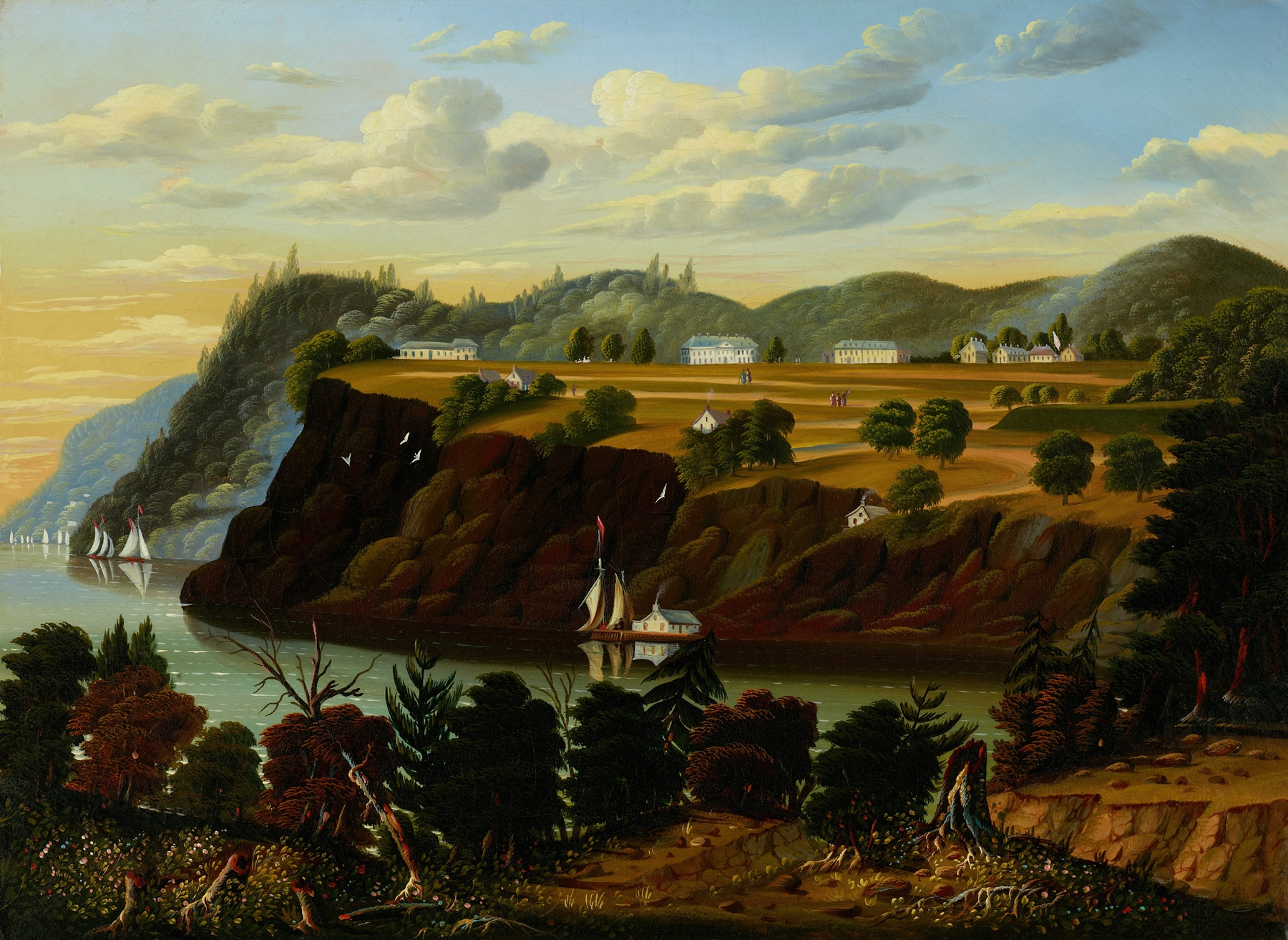
“The canvas doesn’t lie — it simply waits.” Each stroke, each hue captures a moment suspended in time, an echo of what once was, and a haunting reminder of absence. Look to the horizon where the tranquil waters of Lake George meet the soft silhouettes of Caldwell village. The artist employs a delicate blend of blues and greens, effectively mirroring the serene yet melancholic atmosphere of the scene. Notice how the sunlit clouds above ripple with light, casting a gentle glow over the water, inviting your gaze to wander across the landscape.
The composition trickles with a sense of calm that belies the underlying currents of longing. As the eye dances over the canvas, subtle details emerge that hint at deeper emotional tensions. The soft brushwork melds the village with its surroundings, suggesting an inseparable bond while simultaneously evoking a sense of solitude. The almost ethereal quality of the water speaks to the impermanence of life, a space where memories fade, yet beauty lingers.
The distant mountains stand steadfast, a contrast to the fragile, transient nature of human endeavors depicted in the village below. In the 1850s, Chambers was immersed in the burgeoning American landscape painting movement, capturing the essence of the New York region. This period marked a shift in art, as artists began to explore the relationship between nature and humanity. Chambers, grappling with personal losses and the tides of change in the art world, found solace in the serene yet poignant beauty of Lake George, infusing this work with a richness that resonates beyond the visual.